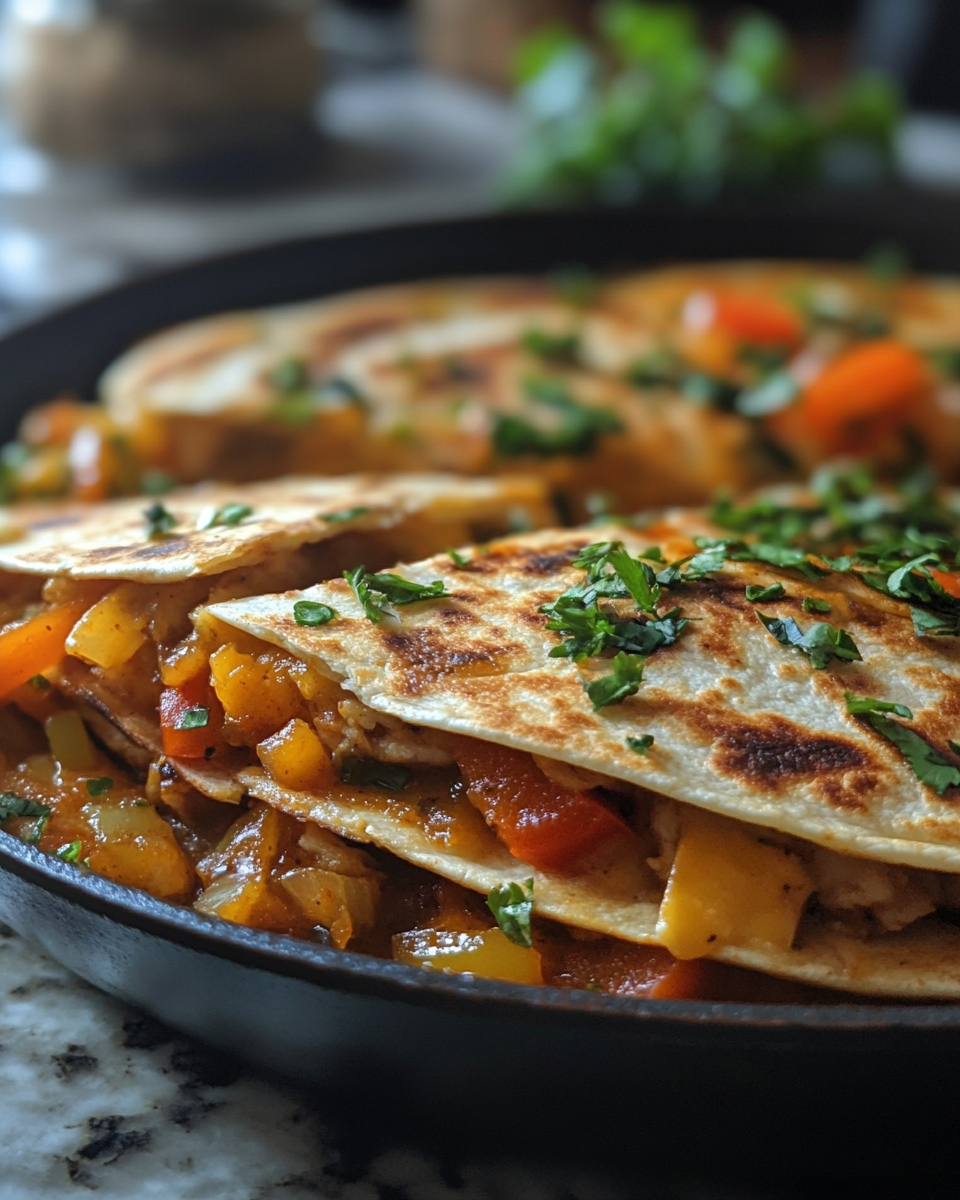
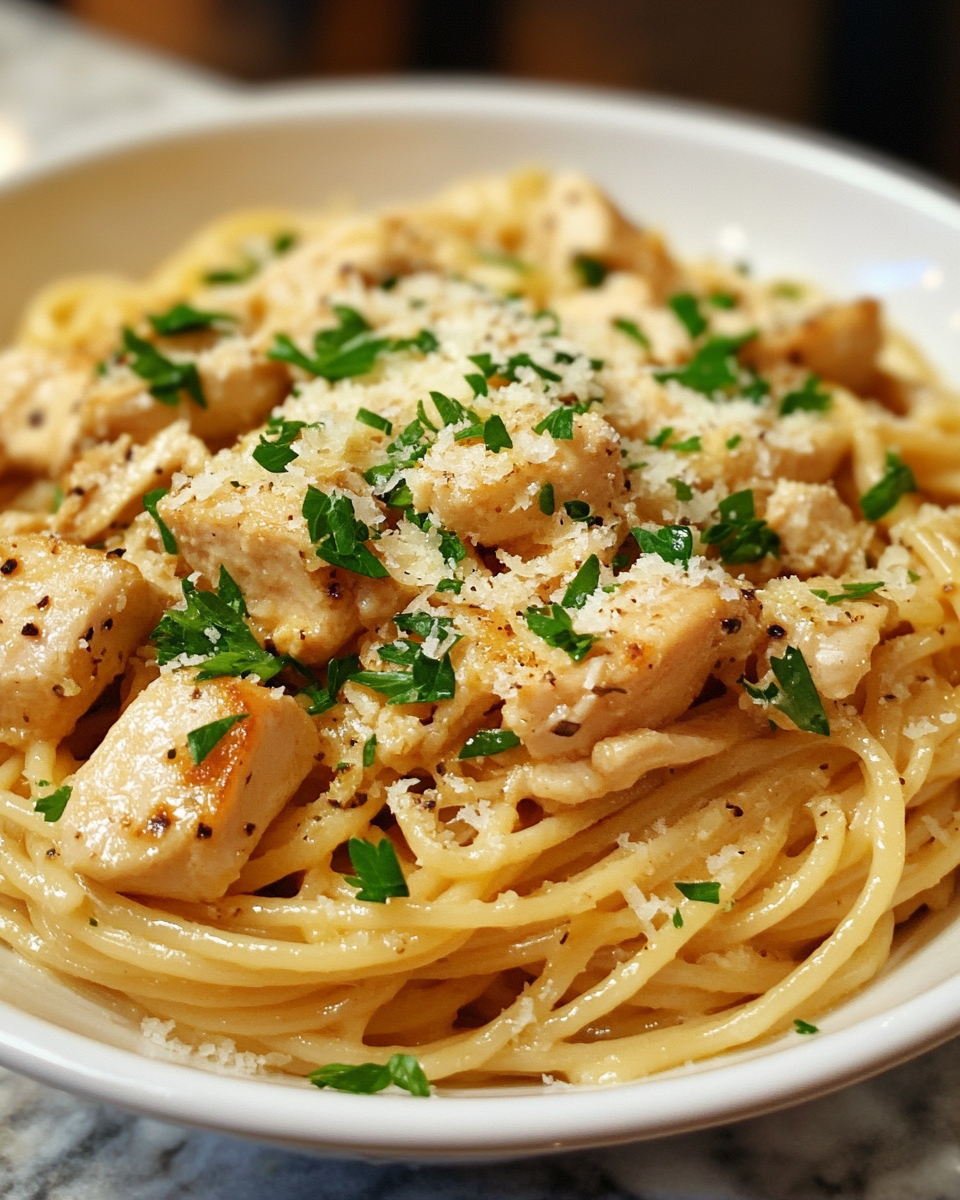
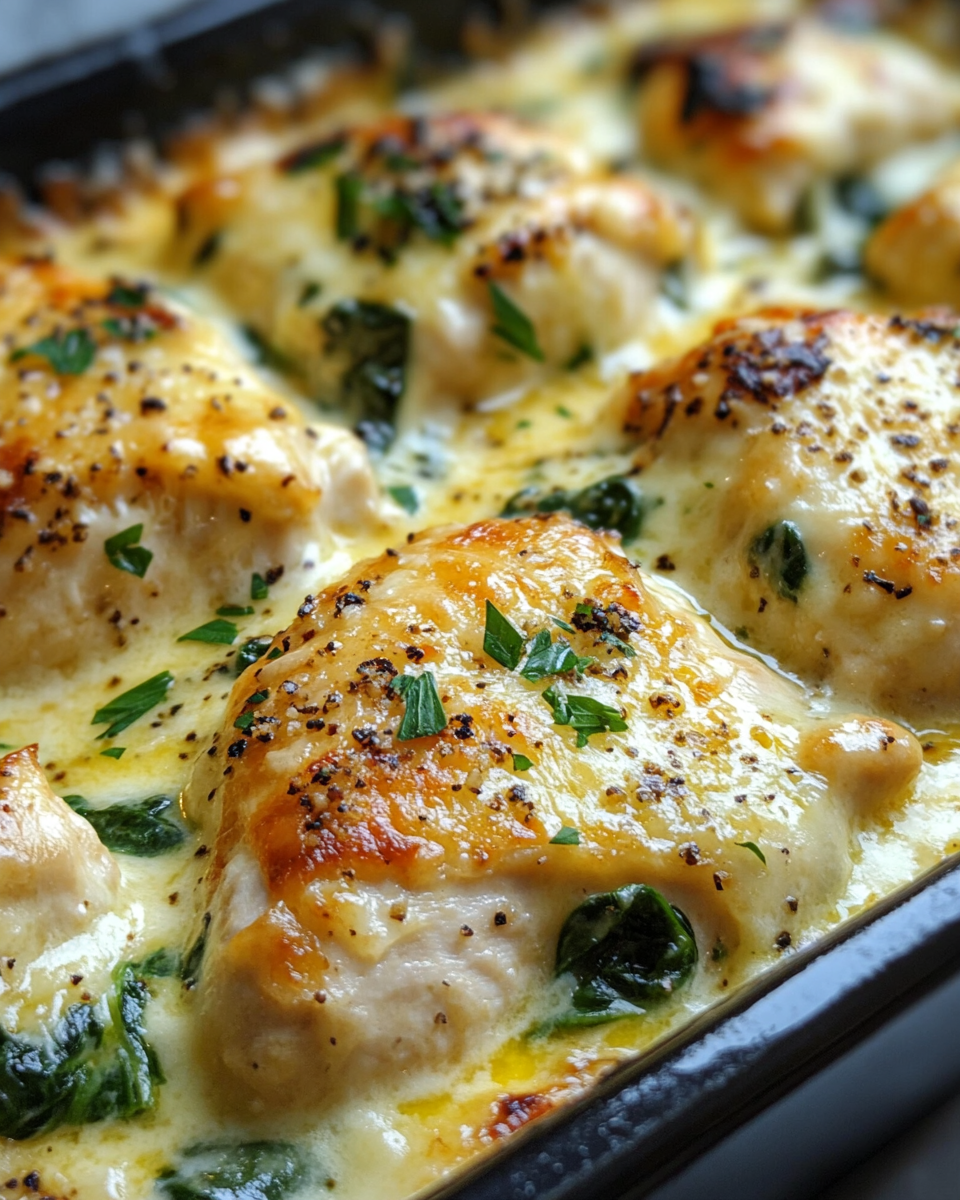
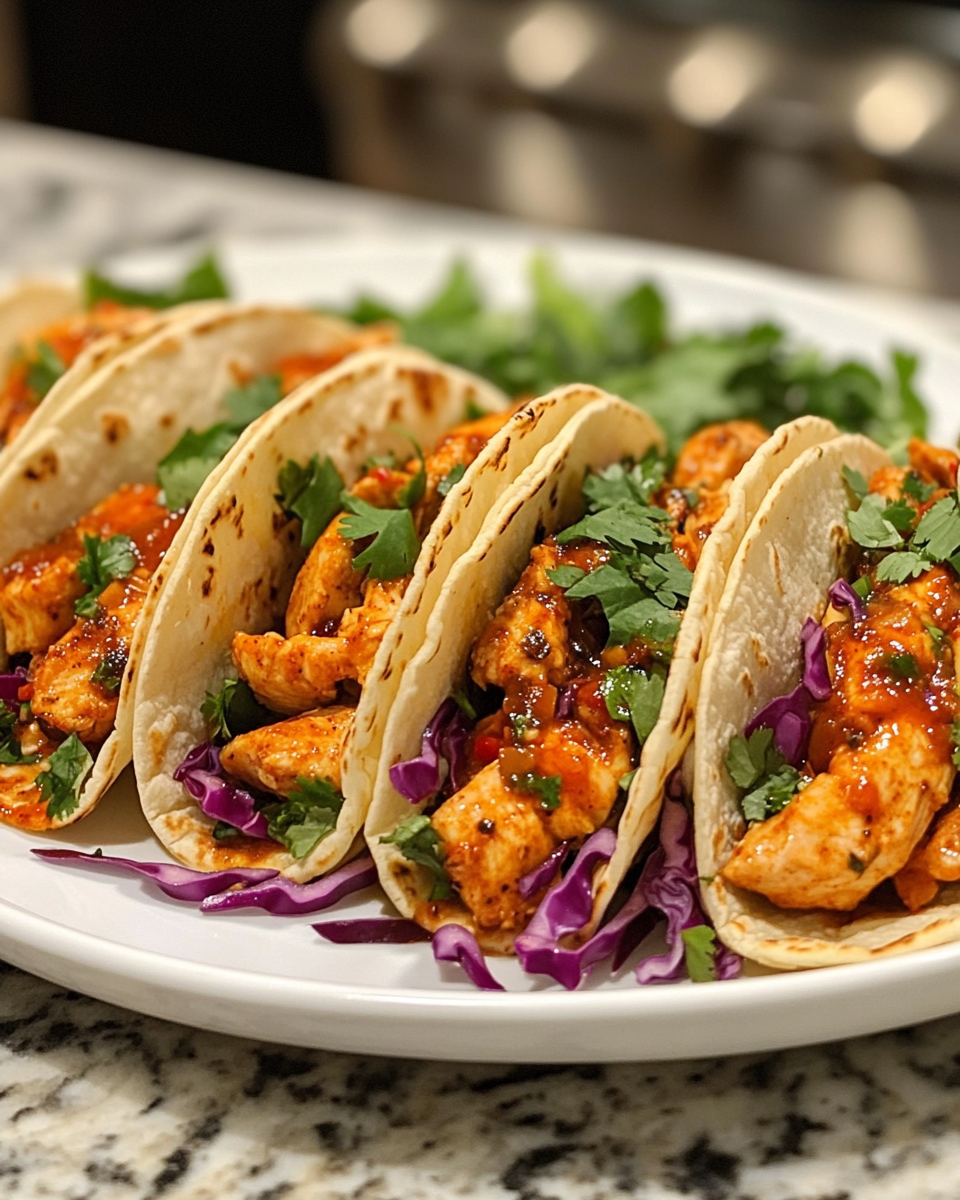
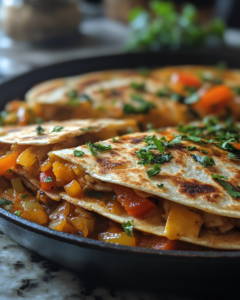
A Cheesy Ground Beef Rice Skillet brings together seasoned beef, tender rice, and melted cheese in a single pan for a hearty, satisfying dinner. This style of cooking focuses on building layers of flavor in a single skillet, allowing each ingredient to blend while keeping preparation practical and efficient.
The dish centers on browned ground beef combined with aromatics and simmered rice, all finished with a smooth cheese melt that binds everything together. It fits well into weeknight cooking since it uses common pantry staples and requires minimal cleanup.
The texture contrast between soft rice, savory beef, and creamy cheese creates a balanced bite. A gentle seasoning profile allows the core ingredients to stand out without overwhelming complexity.
Ingredients Overview

Ground beef forms the foundation of this skillet, providing savory depth and protein. A moderate fat content supports flavor development during browning while also helping carry seasoning throughout the dish. Leaner beef can be used, though a small amount of added oil may be required for proper browning.
Long grain white rice performs well in this preparation due to its ability to cook evenly in a covered skillet without becoming overly sticky. It absorbs broth and seasoning while maintaining a distinct texture. Brown rice can be substituted, though cooking duration will increase and additional liquid will be required.
Onion and garlic create the aromatic base. These ingredients soften during sautéing, releasing sweetness and depth that balance the richness of the beef and cheese. Finely diced onion helps it distribute evenly throughout the mixture.
Tomato sauce contributes moisture and mild acidity, helping coat the rice while adding subtle body to the skillet. Beef broth acts as the primary cooking liquid, infusing the rice with savory notes while supporting even cooking.
Cheddar cheese brings creaminess and a smooth finish. When melted into the hot skillet, it binds the mixture and adds richness. Monterey Jack or a blend of cheeses can be used for a milder profile.
Seasonings such as paprika, oregano, salt, and black pepper provide structure to the flavor profile. These spices support the beef without overpowering the dish, allowing the cheese and rice to remain prominent.
Olive oil assists in browning the beef and sautéing aromatics, especially if using lean meat. It also helps prevent sticking during the early cooking stage.
Ingredients
1 pound ground beef
1 tablespoon olive oil
1 small yellow onion, diced
3 cloves garlic, minced
1 cup long grain white rice
1 1/2 cups beef broth
1 cup tomato sauce
1 teaspoon paprika
1 teaspoon dried oregano
1/2 teaspoon salt
1/4 teaspoon black pepper
1 cup shredded cheddar cheese
1/2 cup shredded mozzarella cheese
2 tablespoons chopped parsley for garnish
Step-by-Step Instructions
Place a large skillet over medium heat and add olive oil. Once the oil warms, add ground beef. Break the beef apart using a spatula, spreading it evenly across the skillet surface. Cook until the beef loses its pink color and begins to brown slightly.
Add diced onion to the skillet. Stir and cook until the onion softens and becomes translucent. Add minced garlic and continue cooking briefly until fragrant, taking care to avoid scorching.
Sprinkle paprika, oregano, salt, and black pepper over the beef mixture. Stir thoroughly so the seasoning coats the meat evenly.
Add uncooked rice directly into the skillet. Stir so the rice becomes coated with the beef mixture and absorbs flavor from the pan.
Pour in beef broth and tomato sauce. Stir gently to distribute liquid evenly across the skillet. Bring mixture to a gentle simmer.
Reduce heat to low and cover skillet with a tight-fitting lid. Allow mixture to cook until rice becomes tender and liquid is absorbed. Stir occasionally to prevent sticking along the bottom.
Check texture of rice by pressing a small amount between fingers. Grains should feel soft without firmness at the center. If liquid remains, continue cooking uncovered until absorbed.
Once rice reaches desired texture, sprinkle cheddar cheese and mozzarella cheese evenly across the surface. Cover skillet again and allow cheese to melt fully.
Remove lid and gently fold melted cheese into the beef and rice mixture. Stir until cheese distributes evenly and creates a creamy consistency throughout the skillet.
Turn off heat and allow skillet to rest briefly so flavors settle. Sprinkle chopped parsley over the top for color and freshness before serving.
Tips, Variations & Substitutions
A deeper flavor profile can be achieved by allowing the beef to brown slightly longer before adding onion. Browning creates fond at the bottom of the skillet, which enhances overall savory depth when deglazed with broth.
Rice type significantly affects texture. Jasmine rice adds a softer, fragrant finish, while brown rice introduces a firmer bite. Adjust liquid quantity when switching grain types.
For a lighter variation, ground turkey can replace beef. In this case, a small amount of olive oil supports browning and prevents dryness.
Cheese selection changes the final texture. Sharp cheddar creates a more pronounced flavor, while mozzarella produces a smoother melt. Blending cheeses creates balance between flavor and creaminess.
Additional vegetables such as bell pepper or zucchini can be added with onion for added texture and nutrition. These should be diced finely to maintain even cooking throughout the skillet.
Serving Ideas & Occasions
This skillet pairs well with simple side dishes such as steamed vegetables or a light green salad. The creamy texture of the dish contrasts well with crisp or fresh accompaniments.
It fits well into casual dinner settings where a single-pan meal is preferred. The dish also holds heat effectively, making it suitable for serving directly from the skillet at the table.
For added contrast, a small side of pickled vegetables can complement the richness of the cheese and beef mixture.
Nutritional & Health Notes
This dish provides a balance of protein, carbohydrates, and fats. Ground beef contributes protein and iron, while rice supplies energy through complex carbohydrates.
Cheese adds calcium and fat content, which increases satiety. Portion size can be adjusted depending on dietary goals.
Adding vegetables increases fiber content and improves micronutrient balance without altering the core structure of the skillet.
FAQs
Can different grains replace white rice?
Alternative grains such as brown rice or quinoa can replace white rice in this skillet. Brown rice requires a longer cooking duration and additional liquid. Quinoa cooks more quickly and introduces a slightly nutty profile. Adjust broth levels accordingly to maintain proper texture.
Can this dish be prepared ahead of serving?
Yes, the skillet can be prepared in advance and stored in a sealed container after cooling. Reheating over low heat with a small splash of broth helps restore moisture. Stirring during reheating helps distribute ingredients evenly.
What type of skillet works best?
A heavy-bottomed skillet with a tight-fitting lid works well. Cast iron or stainless steel provides even heat distribution, which supports consistent rice cooking and prevents uneven browning of beef.
Can additional vegetables be added?
Vegetables such as bell peppers, corn, or spinach can be added during the onion cooking stage. These ingredients should be cut into small pieces so they cook evenly with the rice.
How can cheese texture be adjusted?
For a thicker, creamier texture, additional cheese can be added after the initial melt. For a lighter finish, reduce cheese quantity slightly or use a mild variety.
What prevents rice from turning uneven in texture?
Consistent stirring during the simmer stage helps prevent sticking and uneven cooking. Keeping the skillet covered allows steam to distribute heat evenly across the rice.
Can spicy seasoning be included?
Spice levels can be adjusted by adding chili flakes, cayenne, or diced jalapeño during the onion sauté stage. These ingredients blend well with beef and cheese without altering the structure of the dish.
………………..