Lemon Herb Baked Chicken Breast: 5 Savory Comforts

Posted on

Uncategorized

Difficulty

Prep time

Cooking time

Total time

Servings

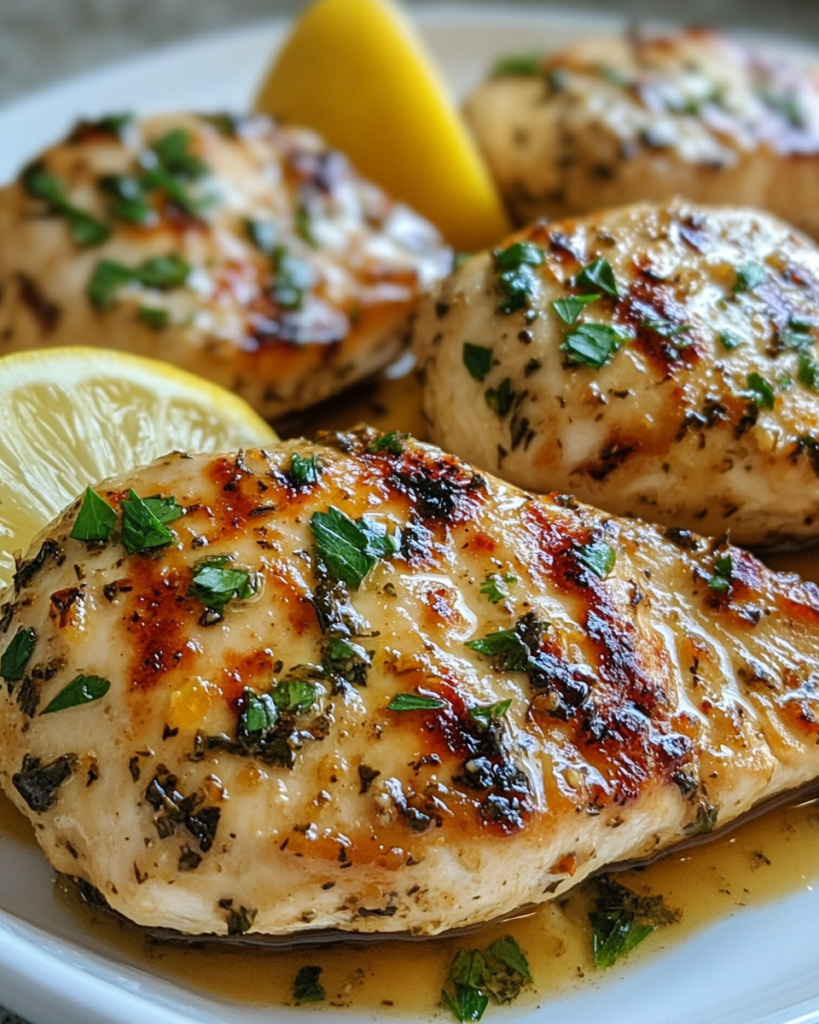
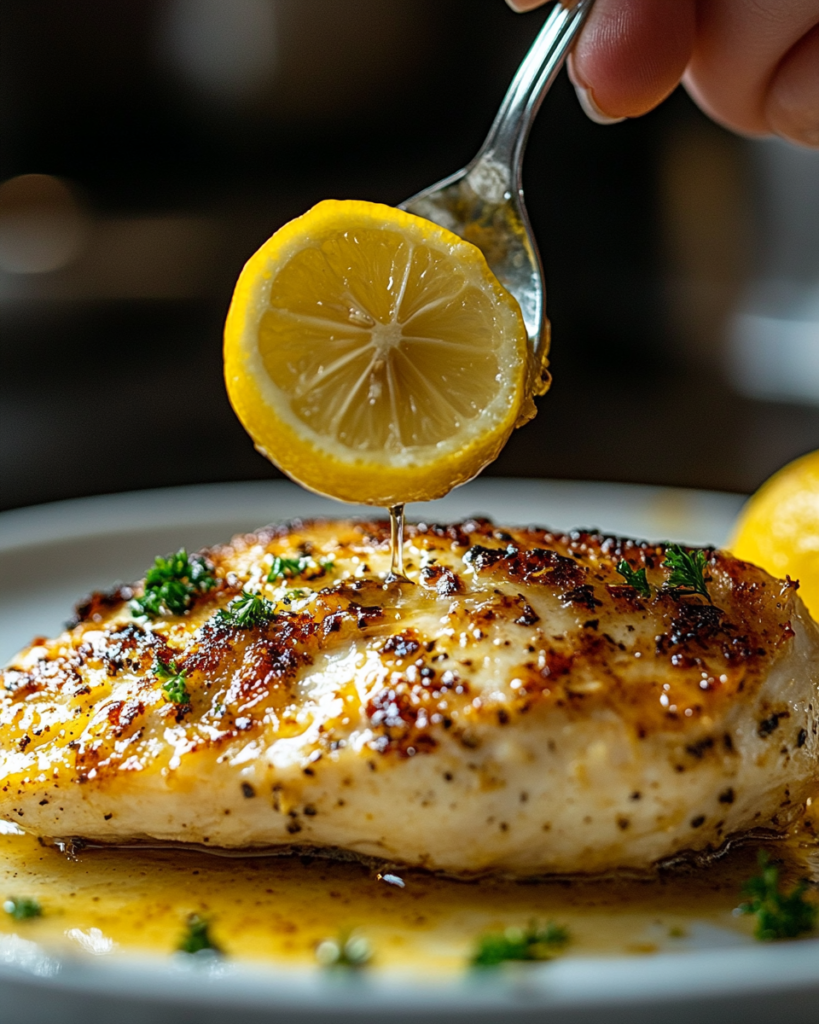
Lemon Herb Baked Chicken Breast brings bright citrus, gentle garlic, and fragrant herbs into a simple oven supper suited for busy evenings or relaxed family meals. Tender chicken absorbs fresh lemon juice along with olive oil and dried herbs, creating juicy slices with a lightly golden surface and rich aroma.

This dish suits many meal plans because the ingredient list stays practical while the flavor remains layered and satisfying. A short marinating period gives the chicken deeper citrus character, while oven baking keeps cleanup manageable. Paired with roasted vegetables, rice, potatoes, or salad greens, this chicken fits casual lunches, quiet weekend dinners, and weekday gatherings alike.

Ingredients Overview
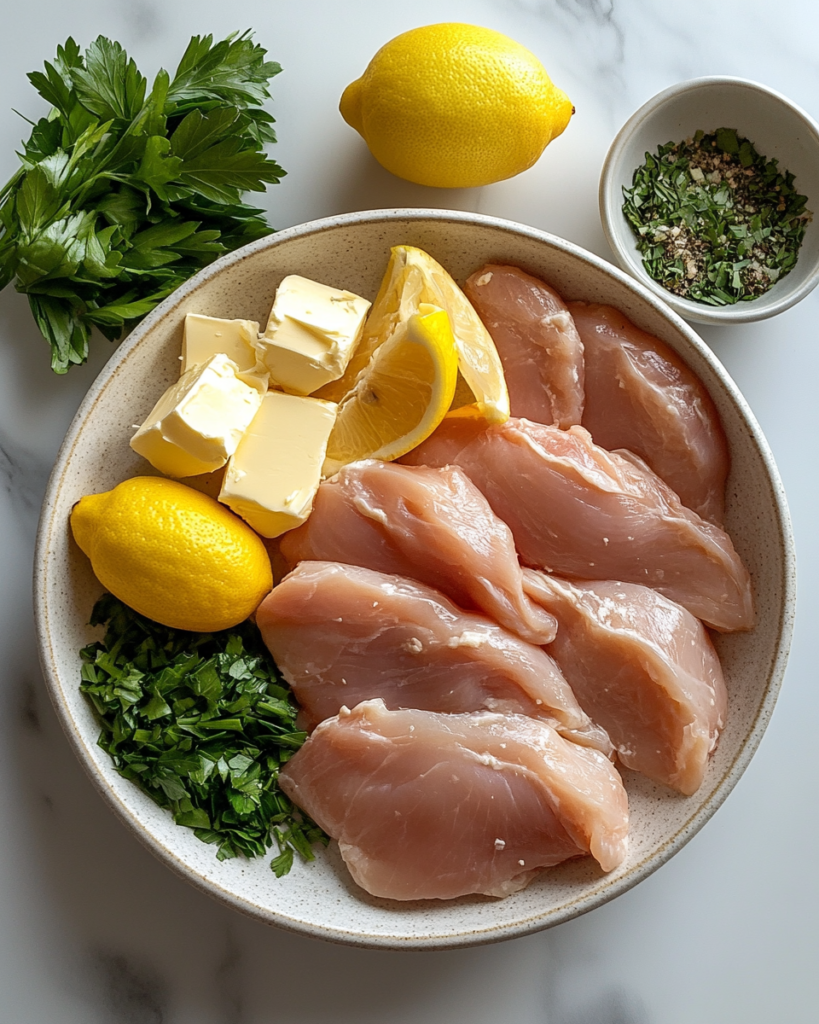
Chicken breast serves as the central component of this recipe because its mild flavor absorbs lemon, herbs, and garlic very well. Boneless skinless chicken breast also cooks evenly in the oven, especially when each piece reaches similar thickness. Light pounding with a rolling pin or meat mallet supports even baking and prevents dry edges.

Fresh lemon juice gives the dish sharp citrus notes that balance the savory herbs. Lemon zest contributes fragrant oils that remain noticeable even after baking. Olive oil coats the chicken surface and helps herbs cling during roasting while supporting moisture retention.

Garlic adds warmth and depth without overpowering the citrus flavor. Dried oregano and thyme contribute earthy character, while parsley adds fresh herbal brightness. Paprika supplies gentle color along with mild smoky notes.

Salt and black pepper remain essential because they bring balance across the entire dish. A small amount of chicken broth inside the baking dish supports tenderness during oven roasting.

Fresh herbs may replace dried herbs when available. Fresh rosemary, dill, or basil also pair nicely with lemon. Chicken thighs work well for cooks seeking richer flavor and slightly softer texture. For dairy-free and gluten-free meal plans, this recipe already fits comfortably without major adjustments.

Ingredients

4 boneless skinless chicken breasts
2 tablespoons olive oil
3 tablespoons fresh lemon juice
1 teaspoon lemon zest
3 cloves garlic, minced
1 teaspoon dried oregano
1 teaspoon dried thyme
1 teaspoon chopped fresh parsley
1/2 teaspoon paprika
1 teaspoon kosher salt
1/2 teaspoon black pepper
1/4 cup chicken broth
Lemon slices for the baking dish
Additional parsley for serving

Step-by-Step Instructions
Begin by heating the oven to 400 degrees Fahrenheit. Lightly grease a medium baking dish or line it with parchment paper for simpler cleanup afterward.

Place the chicken breasts between sheets of parchment paper and gently pound thicker sections until each piece reaches nearly equal thickness. This step supports even cooking and reduces the chance of dry edges paired with undercooked centers.

In a medium bowl, stir together olive oil, lemon juice, lemon zest, garlic, oregano, thyme, parsley, paprika, salt, and black pepper. The mixture should appear glossy with visible herb flecks throughout.

Place the chicken into the bowl and coat each piece thoroughly. Allow the chicken to rest in the marinade for at least twenty minutes at room temperature. For deeper flavor, refrigerate the chicken for up to four hours.

Arrange lemon slices across the bottom of the prepared baking dish. Set the marinated chicken on top of the lemon slices. Pour chicken broth around the edges of the dish rather than directly over the chicken surface. This method supports moisture inside the oven without washing away the herb coating.

Transfer the dish into the heated oven. Bake for about twenty-two to twenty-six minutes depending on thickness. Thin chicken breasts may finish earlier, while larger portions may require several additional minutes.

During baking, spoon a small amount of pan liquid across the chicken surface halfway through cooking. This keeps the outer layer moist while supporting gentle browning.

The chicken reaches proper doneness once the thickest section registers 165 degrees Fahrenheit on a meat thermometer. The surface should appear lightly golden with fragrant herb patches and clear juices.

Avoid extended baking because chicken breast dries quickly after passing the target temperature. Allow the chicken to rest for five minutes before slicing. Resting keeps juices inside the meat rather than spilling across the cutting board.

Scatter extra parsley across the finished chicken before serving. Spoon several tablespoons of warm pan juices over each portion for additional citrus flavor.

Tips, Variations & Substitutions

Fresh herbs create brighter flavor, especially during spring and summer meals. When using fresh oregano or thyme, triple the quantity listed because dried herbs carry stronger concentration.

Chicken thighs provide richer texture and remain forgiving during longer baking periods. Bone-in chicken also works nicely, though cooking duration increases by roughly ten to fifteen minutes depending on size.

For additional citrus flavor, add thin orange slices alongside the lemon inside the baking dish. A small spoonful of Dijon mustard blended into the marinade also gives subtle tanginess without overwhelming the herbs.

Red pepper flakes bring gentle heat for diners seeking spicier flavor. Smoked paprika contributes deeper roasted notes paired with the lemon and garlic.

Vegetable broth may replace chicken broth if preferred. Avocado oil works nicely instead of olive oil because it handles oven heat very well.

Leftover chicken slices fit grain bowls, wraps, pasta dishes, and chilled salads. Thin slices also pair nicely inside warm pita bread with cucumber and yogurt sauce.

Avoid overcrowding the baking dish because tightly packed chicken traps steam and reduces browning. Leaving slight space between pieces encourages richer roasted texture.

Serving Ideas & Occasions

Lemon Herb Baked Chicken Breast pairs beautifully with roasted potatoes, rice pilaf, buttered noodles, quinoa, or steamed vegetables. Green beans, asparagus, zucchini, and broccoli all complement the bright citrus flavor very nicely.

For lighter meals, serve sliced chicken across crisp romaine or spinach salad with cucumber, tomatoes, and extra lemon dressing. Warm dinner rolls or crusty bread also pair nicely with the flavorful pan juices.

This chicken suits family suppers, small gatherings, Sunday lunches, and meal preparation sessions during busy weeks. Since the flavor profile stays balanced and approachable, both adults and children usually enjoy it comfortably.

Sparkling water with lemon, iced tea, or light white wine accompany the dish nicely during dinner service. During colder months, pair the chicken with roasted root vegetables for a heartier plate.

Nutritional & Health Notes

Chicken breast supplies substantial protein while remaining relatively lean compared with darker cuts of poultry. Protein supports fullness and balanced meals, especially when paired with vegetables and whole grains.

Olive oil contributes heart-friendly fats while lemon juice adds bright flavor without heavy sauces or cream-based additions. Herbs and garlic contribute aroma and savory depth without relying on excess sodium.

This recipe fits naturally into gluten-free meal plans because the ingredient list contains no flour or breadcrumbs. The dish also adapts easily for lower-carbohydrate meal patterns when paired with vegetables rather than starch-heavy sides.

Portion size still matters because even lean proteins contribute calories. Pairing moderate chicken portions with vegetables and grains creates balanced plates suitable for regular weeknight dining.

Since the chicken bakes rather than fries, the final dish contains less added fat than heavily breaded preparations. Resting the chicken after baking also supports juicier texture without requiring additional sauces.

FAQs

Can chicken thighs replace chicken breast?

Chicken thighs work very nicely in this recipe because their richer fat content supports tender texture during baking. Boneless thighs usually require about twenty-five to thirty minutes inside a 400 degree Fahrenheit oven, though timing varies according to thickness. Bone-in thighs require additional cooking duration.

The herb and lemon marinade pairs beautifully with dark meat because the citrus balances the naturally rich flavor. Some diners even prefer thighs because they remain juicy more easily than chicken breast. During cooking, always confirm the thickest section reaches 165 degrees Fahrenheit before serving.

Can this chicken rest overnight inside the refrigerator?

Yes, overnight marinating works nicely for deeper flavor development. Place the chicken and marinade inside a sealed container or zip-top storage bag, then refrigerate for up to twenty-four hours.

Long marinating periods allow lemon, garlic, and herbs to soak further into the meat. However, avoid extending the marinating time far beyond one full day because excessive citrus exposure may slightly alter the outer texture of the chicken. Before baking, allow the chicken to rest at room temperature for roughly fifteen minutes so it cooks more evenly inside the oven.

How should leftovers stay stored?

Place cooled chicken inside an airtight container and refrigerate within two hours after cooking. Properly stored leftovers usually remain suitable for about three to four days.

Reheat gently inside the microwave or oven with a spoonful of broth or water to support moisture retention. Thin slices also taste pleasant chilled inside salads, wraps, or grain bowls. Avoid repeated reheating because chicken breast may dry gradually with each warming cycle. Storing leftover pan juices separately also supports juicier reheated portions.

Why did the chicken turn dry?

Dry chicken usually results from excessive baking time or uneven thickness across the meat. Thin sections finish rapidly while thicker sections continue cooking, creating dry edges before the center fully cooks.

Using a meat thermometer greatly supports accurate doneness because chicken breast shifts from juicy to dry very quickly once the temperature rises too high. Pounding thicker sections before marinating also supports balanced cooking. Resting the chicken after baking remains equally valuable because the juices redistribute throughout the meat rather than spilling immediately during slicing.

Can frozen chicken breast work here?

Frozen chicken may work after full thawing inside the refrigerator. Avoid marinating or baking chicken while still frozen because the seasoning cannot coat the meat properly and the center cooks unevenly.

After thawing completely, pat the chicken dry with paper towels before adding the marinade. Excess surface moisture may dilute the lemon and herb mixture. For food safety, thaw chicken gradually inside the refrigerator rather than leaving it on the kitchen counter for extended periods.

Which herbs pair nicely with lemon chicken?

Oregano, thyme, parsley, rosemary, basil, and dill all complement lemon beautifully. Dried herb blends also function nicely when individual herbs are unavailable.

Rosemary contributes pine-like aroma and suits colder weather meals paired with potatoes. Dill creates lighter flavor suited for spring lunches and salad plates. Parsley contributes fresh brightness without dominating the citrus notes. Combining two or three herbs often creates fuller flavor than relying on only one herb throughout the recipe.

Can this recipe support meal preparation?

Yes, this chicken works wonderfully for meal preparation because the flavor remains pleasant after refrigeration. Slice the chicken after cooling, then divide portions across storage containers alongside rice, vegetables, or potatoes.

The chicken also pairs nicely with pasta salad, quinoa bowls, and roasted vegetables during packed lunches. Keeping extra pan juices inside small containers helps maintain moisture during reheating. Since the seasoning profile stays balanced rather than overly heavy, the leftovers remain versatile across several different meals during the week.

[rank_math_breadcrumb]

Lemon Herb Baked Chicken Breast: 5 Savory Comforts

Photo of author
Author: Zoey
Published:

Lemon Herb Baked Chicken Breast brings bright citrus, gentle garlic, and fragrant herbs into a simple oven supper suited for busy evenings or relaxed family meals. Tender chicken absorbs fresh lemon juice along with olive oil and dried herbs, creating juicy slices with a lightly golden surface and rich aroma.

This dish suits many meal plans because the ingredient list stays practical while the flavor remains layered and satisfying. A short marinating period gives the chicken deeper citrus character, while oven baking keeps cleanup manageable. Paired with roasted vegetables, rice, potatoes, or salad greens, this chicken fits casual lunches, quiet weekend dinners, and weekday gatherings alike.

Ingredients Overview

Chicken breast serves as the central component of this recipe because its mild flavor absorbs lemon, herbs, and garlic very well. Boneless skinless chicken breast also cooks evenly in the oven, especially when each piece reaches similar thickness. Light pounding with a rolling pin or meat mallet supports even baking and prevents dry edges.

Fresh lemon juice gives the dish sharp citrus notes that balance the savory herbs. Lemon zest contributes fragrant oils that remain noticeable even after baking. Olive oil coats the chicken surface and helps herbs cling during roasting while supporting moisture retention.

Garlic adds warmth and depth without overpowering the citrus flavor. Dried oregano and thyme contribute earthy character, while parsley adds fresh herbal brightness. Paprika supplies gentle color along with mild smoky notes.

Salt and black pepper remain essential because they bring balance across the entire dish. A small amount of chicken broth inside the baking dish supports tenderness during oven roasting.

Fresh herbs may replace dried herbs when available. Fresh rosemary, dill, or basil also pair nicely with lemon. Chicken thighs work well for cooks seeking richer flavor and slightly softer texture. For dairy-free and gluten-free meal plans, this recipe already fits comfortably without major adjustments.

Ingredients

4 boneless skinless chicken breasts
2 tablespoons olive oil
3 tablespoons fresh lemon juice
1 teaspoon lemon zest
3 cloves garlic, minced
1 teaspoon dried oregano
1 teaspoon dried thyme
1 teaspoon chopped fresh parsley
1/2 teaspoon paprika
1 teaspoon kosher salt
1/2 teaspoon black pepper
1/4 cup chicken broth
Lemon slices for the baking dish
Additional parsley for serving

Step-by-Step Instructions

Begin by heating the oven to 400 degrees Fahrenheit. Lightly grease a medium baking dish or line it with parchment paper for simpler cleanup afterward.

Place the chicken breasts between sheets of parchment paper and gently pound thicker sections until each piece reaches nearly equal thickness. This step supports even cooking and reduces the chance of dry edges paired with undercooked centers.

In a medium bowl, stir together olive oil, lemon juice, lemon zest, garlic, oregano, thyme, parsley, paprika, salt, and black pepper. The mixture should appear glossy with visible herb flecks throughout.

Place the chicken into the bowl and coat each piece thoroughly. Allow the chicken to rest in the marinade for at least twenty minutes at room temperature. For deeper flavor, refrigerate the chicken for up to four hours.

Arrange lemon slices across the bottom of the prepared baking dish. Set the marinated chicken on top of the lemon slices. Pour chicken broth around the edges of the dish rather than directly over the chicken surface. This method supports moisture inside the oven without washing away the herb coating.

Transfer the dish into the heated oven. Bake for about twenty-two to twenty-six minutes depending on thickness. Thin chicken breasts may finish earlier, while larger portions may require several additional minutes.

During baking, spoon a small amount of pan liquid across the chicken surface halfway through cooking. This keeps the outer layer moist while supporting gentle browning.

The chicken reaches proper doneness once the thickest section registers 165 degrees Fahrenheit on a meat thermometer. The surface should appear lightly golden with fragrant herb patches and clear juices.

Avoid extended baking because chicken breast dries quickly after passing the target temperature. Allow the chicken to rest for five minutes before slicing. Resting keeps juices inside the meat rather than spilling across the cutting board.

Scatter extra parsley across the finished chicken before serving. Spoon several tablespoons of warm pan juices over each portion for additional citrus flavor.

Tips, Variations & Substitutions

Fresh herbs create brighter flavor, especially during spring and summer meals. When using fresh oregano or thyme, triple the quantity listed because dried herbs carry stronger concentration.

Chicken thighs provide richer texture and remain forgiving during longer baking periods. Bone-in chicken also works nicely, though cooking duration increases by roughly ten to fifteen minutes depending on size.

For additional citrus flavor, add thin orange slices alongside the lemon inside the baking dish. A small spoonful of Dijon mustard blended into the marinade also gives subtle tanginess without overwhelming the herbs.

Red pepper flakes bring gentle heat for diners seeking spicier flavor. Smoked paprika contributes deeper roasted notes paired with the lemon and garlic.

Vegetable broth may replace chicken broth if preferred. Avocado oil works nicely instead of olive oil because it handles oven heat very well.

Leftover chicken slices fit grain bowls, wraps, pasta dishes, and chilled salads. Thin slices also pair nicely inside warm pita bread with cucumber and yogurt sauce.

Avoid overcrowding the baking dish because tightly packed chicken traps steam and reduces browning. Leaving slight space between pieces encourages richer roasted texture.

Serving Ideas & Occasions

Lemon Herb Baked Chicken Breast pairs beautifully with roasted potatoes, rice pilaf, buttered noodles, quinoa, or steamed vegetables. Green beans, asparagus, zucchini, and broccoli all complement the bright citrus flavor very nicely.

For lighter meals, serve sliced chicken across crisp romaine or spinach salad with cucumber, tomatoes, and extra lemon dressing. Warm dinner rolls or crusty bread also pair nicely with the flavorful pan juices.

This chicken suits family suppers, small gatherings, Sunday lunches, and meal preparation sessions during busy weeks. Since the flavor profile stays balanced and approachable, both adults and children usually enjoy it comfortably.

Sparkling water with lemon, iced tea, or light white wine accompany the dish nicely during dinner service. During colder months, pair the chicken with roasted root vegetables for a heartier plate.

Nutritional & Health Notes

Chicken breast supplies substantial protein while remaining relatively lean compared with darker cuts of poultry. Protein supports fullness and balanced meals, especially when paired with vegetables and whole grains.

Olive oil contributes heart-friendly fats while lemon juice adds bright flavor without heavy sauces or cream-based additions. Herbs and garlic contribute aroma and savory depth without relying on excess sodium.

This recipe fits naturally into gluten-free meal plans because the ingredient list contains no flour or breadcrumbs. The dish also adapts easily for lower-carbohydrate meal patterns when paired with vegetables rather than starch-heavy sides.

Portion size still matters because even lean proteins contribute calories. Pairing moderate chicken portions with vegetables and grains creates balanced plates suitable for regular weeknight dining.

Since the chicken bakes rather than fries, the final dish contains less added fat than heavily breaded preparations. Resting the chicken after baking also supports juicier texture without requiring additional sauces.

FAQs

Can chicken thighs replace chicken breast?

Chicken thighs work very nicely in this recipe because their richer fat content supports tender texture during baking. Boneless thighs usually require about twenty-five to thirty minutes inside a 400 degree Fahrenheit oven, though timing varies according to thickness. Bone-in thighs require additional cooking duration.

The herb and lemon marinade pairs beautifully with dark meat because the citrus balances the naturally rich flavor. Some diners even prefer thighs because they remain juicy more easily than chicken breast. During cooking, always confirm the thickest section reaches 165 degrees Fahrenheit before serving.

Can this chicken rest overnight inside the refrigerator?

Yes, overnight marinating works nicely for deeper flavor development. Place the chicken and marinade inside a sealed container or zip-top storage bag, then refrigerate for up to twenty-four hours.

Long marinating periods allow lemon, garlic, and herbs to soak further into the meat. However, avoid extending the marinating time far beyond one full day because excessive citrus exposure may slightly alter the outer texture of the chicken. Before baking, allow the chicken to rest at room temperature for roughly fifteen minutes so it cooks more evenly inside the oven.

How should leftovers stay stored?

Place cooled chicken inside an airtight container and refrigerate within two hours after cooking. Properly stored leftovers usually remain suitable for about three to four days.

Reheat gently inside the microwave or oven with a spoonful of broth or water to support moisture retention. Thin slices also taste pleasant chilled inside salads, wraps, or grain bowls. Avoid repeated reheating because chicken breast may dry gradually with each warming cycle. Storing leftover pan juices separately also supports juicier reheated portions.

Why did the chicken turn dry?

Dry chicken usually results from excessive baking time or uneven thickness across the meat. Thin sections finish rapidly while thicker sections continue cooking, creating dry edges before the center fully cooks.

Using a meat thermometer greatly supports accurate doneness because chicken breast shifts from juicy to dry very quickly once the temperature rises too high. Pounding thicker sections before marinating also supports balanced cooking. Resting the chicken after baking remains equally valuable because the juices redistribute throughout the meat rather than spilling immediately during slicing.

Can frozen chicken breast work here?

Frozen chicken may work after full thawing inside the refrigerator. Avoid marinating or baking chicken while still frozen because the seasoning cannot coat the meat properly and the center cooks unevenly.

After thawing completely, pat the chicken dry with paper towels before adding the marinade. Excess surface moisture may dilute the lemon and herb mixture. For food safety, thaw chicken gradually inside the refrigerator rather than leaving it on the kitchen counter for extended periods.

Which herbs pair nicely with lemon chicken?

Oregano, thyme, parsley, rosemary, basil, and dill all complement lemon beautifully. Dried herb blends also function nicely when individual herbs are unavailable.

Rosemary contributes pine-like aroma and suits colder weather meals paired with potatoes. Dill creates lighter flavor suited for spring lunches and salad plates. Parsley contributes fresh brightness without dominating the citrus notes. Combining two or three herbs often creates fuller flavor than relying on only one herb throughout the recipe.

Can this recipe support meal preparation?

Yes, this chicken works wonderfully for meal preparation because the flavor remains pleasant after refrigeration. Slice the chicken after cooling, then divide portions across storage containers alongside rice, vegetables, or potatoes.

The chicken also pairs nicely with pasta salad, quinoa bowls, and roasted vegetables during packed lunches. Keeping extra pan juices inside small containers helps maintain moisture during reheating. Since the seasoning profile stays balanced rather than overly heavy, the leftovers remain versatile across several different meals during the week.
Name

Lorem ipsum dolor sit amet, consectetur adipiscing elit. Suspendisse varius enim in eros elementum tristique. Duis cursus, mi quis viverra ornare, eros dolor interdum nulla, ut commodo diam libero vitae erat.

You Might Also Like...

Honey Garlic Chicken Rice Skillet: 5 Amazing Cozy Meals

Honey Garlic Chicken Rice Skillet: 5 Amazing Cozy Meals

Cheesy Spinach Chicken Bake: 5 Simple Comforting Tips

Cheesy Spinach Chicken Bake: 5 Simple Comforting Tips

Crispy Air Fryer Garlic Wings: 5 Amazing Comforts

Crispy Air Fryer Garlic Wings: 5 Amazing Comforts

Creamy Garlic Parmesan Chicken Thighs: 5 Remarkable Comforts

Creamy Garlic Parmesan Chicken Thighs: 5 Remarkable Comforts

Tags:

You might also like these recipes

Leave a Comment