One Pan Chicken Pasta (Quick Dinner) 30 Easy Cozy

Posted on

Uncategorized

Difficulty

Prep time

Cooking time

Total time

Servings

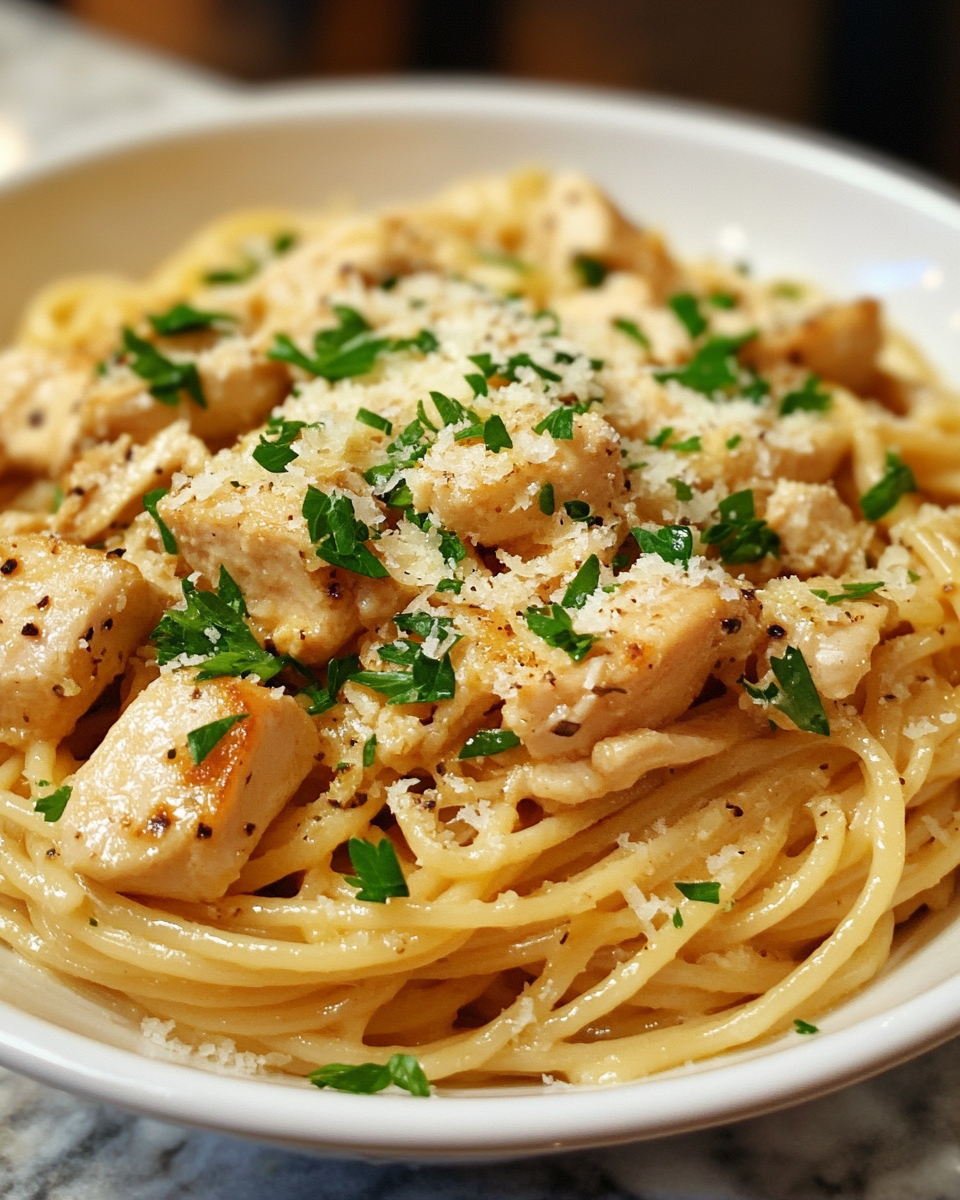
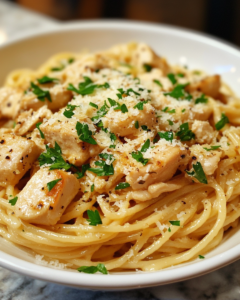
A One Pan Chicken Pasta (Quick Dinner) brings together tender chicken, perfectly cooked pasta, and a rich, savory sauce all in a single skillet. It is the kind of meal that fits busy evenings while still delivering deep, comforting flavor in every bite.

This dish is known for its simplicity and the way it blends protein, starch, and sauce without needing multiple pots. The pasta cooks directly in the pan with the chicken and broth, soaking up flavor as it softens.

The result is a creamy, hearty dinner that feels complete on its own. With minimal cleanup and straightforward steps, it becomes a dependable recipe for weeknights or casual family meals.

Ingredients Overview

This One Pan Chicken Pasta relies on simple, everyday ingredients that come together to create a rich and satisfying dish. Chicken breast is the main protein, offering lean texture and a mild flavor that absorbs seasoning well. When cooked properly, it stays juicy and tender, especially when simmered with the pasta.

Pasta plays an important role because it releases starch as it cooks, naturally thickening the sauce. Short pasta shapes like penne or rotini work best since they hold onto the creamy coating and blend well with the chicken pieces.

Garlic and onion form the flavor base, adding depth and aroma from the start. Olive oil helps sauté these ingredients and gives the dish a smooth foundation.

Chicken broth is essential for cooking the pasta directly in the pan. It infuses every bite with savory notes while replacing the need to boil pasta separately. A touch of heavy cream adds richness and creates a silky sauce that ties everything together.

Parmesan cheese melts into the sauce, enhancing both flavor and texture. Italian seasoning adds herbal warmth, while salt and pepper balance the overall taste. A small amount of butter can be added at the end for extra smoothness.

Fresh parsley is often used as a finishing touch, bringing color and a light freshness to contrast the creamy base. If needed, spinach can be added for extra greens, and the chicken can be swapped with turkey or plant-based alternatives while keeping the same cooking method.

Ingredients

1 pound boneless chicken breast, cut into bite-size pieces
2 tablespoons olive oil
3 cloves garlic, minced
1 small onion, finely chopped
2 cups uncooked penne pasta
3 cups chicken broth
1 cup heavy cream
1 teaspoon Italian seasoning
1/2 teaspoon salt
1/2 teaspoon black pepper
1 cup grated Parmesan cheese
2 tablespoons butter
1 cup baby spinach (optional)
2 tablespoons chopped fresh parsley

Step-by-Step Instructions

Start by heating a large deep skillet over medium heat and adding olive oil. Once the oil is warm, add the chicken pieces in a single layer. Cook for several minutes until the chicken turns golden on the outside and is no longer pink inside. Stir occasionally so it browns evenly without sticking.

Remove the chicken from the pan and set it aside. In the same skillet, add chopped onion and cook until it softens and becomes slightly translucent. Add minced garlic and cook briefly until fragrant, being careful not to let it burn since garlic can turn bitter quickly.

Pour in the uncooked pasta and stir it with the onion and garlic mixture. This step allows the pasta to lightly toast, adding subtle depth to the final dish. Slowly add chicken broth while stirring to loosen any bits stuck to the bottom of the pan.

Return the cooked chicken to the skillet. Add Italian seasoning, salt, and black pepper. Stir everything together so the pasta is evenly distributed in the liquid. Bring the mixture to a gentle simmer.

Cover the skillet and let it cook until the pasta becomes tender and absorbs most of the broth. Stir occasionally to prevent sticking and to help the pasta cook evenly. The mixture will gradually thicken as the starch releases.

Once the pasta is fully cooked, lower the heat and pour in the heavy cream. Stir well so the sauce becomes smooth and creamy. Add Parmesan cheese and continue stirring until it melts completely into the sauce.

Add butter for extra richness and mix until fully blended. If using spinach, fold it in at this stage so it wilts gently from the heat of the pasta. Taste and adjust seasoning if needed.

Let the dish rest for a couple of minutes before serving so the sauce thickens slightly and clings better to the pasta and chicken.

Tips, Variations & Substitutions

For a deeper flavor, brown the chicken slightly longer before removing it from the pan. This creates extra caramelization that enriches the final sauce. If you prefer darker meat, chicken thighs can be used instead of chicken breast for a juicier texture.

Different pasta shapes can change the texture of the dish. Short pasta works best, but whole wheat or gluten-free versions can also be used with slight adjustments in cooking time and liquid absorption.

For a lighter version, replace heavy cream with half-and-half or evaporated milk. The sauce will be slightly less rich but still smooth. Adding vegetables like mushrooms, bell peppers, or zucchini can increase volume and add natural sweetness.

If a stronger cheese flavor is preferred, Romano cheese can be mixed with Parmesan. Red pepper flakes can also be added for gentle heat without overpowering the creamy base.

Leftovers can be reheated with a splash of broth or milk to bring the sauce back to its original consistency.

Serving Ideas & Occasions

One Pan Chicken Pasta works well as a standalone meal since it combines protein, starch, and sauce in one dish. It pairs nicely with a light green salad dressed in vinaigrette, which balances the creamy texture.

Garlic bread or toasted baguette slices make a good side for soaking up extra sauce. A simple vegetable side such as roasted broccoli or steamed green beans also complements the dish without overpowering it.

This recipe is commonly served for weeknight dinners due to its quick preparation and minimal cleanup. It also fits casual gatherings where a warm, filling dish is needed without complex preparation.

A glass of sparkling water with lemon or a light iced tea pairs well alongside the meal.

Nutritional & Health Notes

This dish provides a balanced combination of protein, carbohydrates, and fats. Chicken offers lean protein, which supports muscle maintenance and satiety. Pasta supplies energy through carbohydrates, while the cream and cheese contribute richness and fat content.

Portion size can be adjusted depending on dietary needs. Reducing cream or cheese lowers the overall fat content while still keeping flavor intact. Adding vegetables increases fiber and micronutrients without significantly changing the cooking process.

Choosing whole grain pasta can increase fiber intake and provide a slightly firmer texture. Using low-sodium broth helps control salt levels while maintaining flavor depth.

Overall, this dish can fit into a balanced eating pattern when enjoyed in appropriate portions alongside vegetables or lighter side dishes.

FAQs

Can I use a different type of pasta?

Yes, different pasta shapes work well in this recipe. Short pasta such as penne, rotini, or fusilli is ideal because it cooks evenly in the sauce and holds onto the creamy texture. Longer pasta like spaghetti can be used, but it may require more frequent stirring to prevent clumping. Cooking time may also vary depending on the type of pasta chosen, so checking tenderness during simmering is important.

Can I make this dish without cream?

Yes, the cream can be replaced with alternatives like milk, half-and-half, or even a mix of broth and a small amount of cream cheese. These options create a lighter sauce while still keeping it smooth. The final texture may be less rich, but the flavor remains balanced when cheese and broth are properly combined during cooking.

What type of chicken works best?

Boneless chicken breast is commonly used because it cooks quickly and absorbs flavor well. Chicken thighs are another good option since they stay juicy and add slightly richer taste. Both choices work well as long as the pieces are cut evenly so they cook at the same rate.

Can vegetables be added?

Yes, vegetables can be added to this dish without changing the cooking process. Spinach, mushrooms, zucchini, and bell peppers all work well. Leafy greens should be added at the end so they wilt gently, while firmer vegetables should be sautéed earlier with the onion for proper texture.

How do I prevent the pasta from sticking?

Stirring occasionally while the pasta cooks in broth helps prevent sticking. Keeping a gentle simmer instead of a strong boil also reduces the chance of clumping. Using enough liquid is important so the pasta can move freely while absorbing flavor.

Can this recipe be made ahead of time?

Yes, it can be prepared ahead and stored in the refrigerator. The pasta may absorb more sauce as it sits, so adding a small amount of broth or milk when reheating helps restore creaminess. Reheat gently on the stove or in the microwave while stirring occasionally.

What cheese works best besides Parmesan?

Romano or Asiago cheese can be used as alternatives to Parmesan. Both melt well and add a slightly stronger flavor. Mixing different cheeses can also create a deeper taste profile while maintaining the creamy texture of the sauce.

[rank_math_breadcrumb]

One Pan Chicken Pasta (Quick Dinner) 30 Easy Cozy

Photo of author
Author: Zoey
Published:

A One Pan Chicken Pasta (Quick Dinner) brings together tender chicken, perfectly cooked pasta, and a rich, savory sauce all in a single skillet. It is the kind of meal that fits busy evenings while still delivering deep, comforting flavor in every bite.

This dish is known for its simplicity and the way it blends protein, starch, and sauce without needing multiple pots. The pasta cooks directly in the pan with the chicken and broth, soaking up flavor as it softens.

The result is a creamy, hearty dinner that feels complete on its own. With minimal cleanup and straightforward steps, it becomes a dependable recipe for weeknights or casual family meals.

Ingredients Overview

This One Pan Chicken Pasta relies on simple, everyday ingredients that come together to create a rich and satisfying dish. Chicken breast is the main protein, offering lean texture and a mild flavor that absorbs seasoning well. When cooked properly, it stays juicy and tender, especially when simmered with the pasta.

Pasta plays an important role because it releases starch as it cooks, naturally thickening the sauce. Short pasta shapes like penne or rotini work best since they hold onto the creamy coating and blend well with the chicken pieces.

Garlic and onion form the flavor base, adding depth and aroma from the start. Olive oil helps sauté these ingredients and gives the dish a smooth foundation.

Chicken broth is essential for cooking the pasta directly in the pan. It infuses every bite with savory notes while replacing the need to boil pasta separately. A touch of heavy cream adds richness and creates a silky sauce that ties everything together.

Parmesan cheese melts into the sauce, enhancing both flavor and texture. Italian seasoning adds herbal warmth, while salt and pepper balance the overall taste. A small amount of butter can be added at the end for extra smoothness.

Fresh parsley is often used as a finishing touch, bringing color and a light freshness to contrast the creamy base. If needed, spinach can be added for extra greens, and the chicken can be swapped with turkey or plant-based alternatives while keeping the same cooking method.

Ingredients

1 pound boneless chicken breast, cut into bite-size pieces
2 tablespoons olive oil
3 cloves garlic, minced
1 small onion, finely chopped
2 cups uncooked penne pasta
3 cups chicken broth
1 cup heavy cream
1 teaspoon Italian seasoning
1/2 teaspoon salt
1/2 teaspoon black pepper
1 cup grated Parmesan cheese
2 tablespoons butter
1 cup baby spinach (optional)
2 tablespoons chopped fresh parsley

Step-by-Step Instructions

Start by heating a large deep skillet over medium heat and adding olive oil. Once the oil is warm, add the chicken pieces in a single layer. Cook for several minutes until the chicken turns golden on the outside and is no longer pink inside. Stir occasionally so it browns evenly without sticking.

Remove the chicken from the pan and set it aside. In the same skillet, add chopped onion and cook until it softens and becomes slightly translucent. Add minced garlic and cook briefly until fragrant, being careful not to let it burn since garlic can turn bitter quickly.

Pour in the uncooked pasta and stir it with the onion and garlic mixture. This step allows the pasta to lightly toast, adding subtle depth to the final dish. Slowly add chicken broth while stirring to loosen any bits stuck to the bottom of the pan.

Return the cooked chicken to the skillet. Add Italian seasoning, salt, and black pepper. Stir everything together so the pasta is evenly distributed in the liquid. Bring the mixture to a gentle simmer.

Cover the skillet and let it cook until the pasta becomes tender and absorbs most of the broth. Stir occasionally to prevent sticking and to help the pasta cook evenly. The mixture will gradually thicken as the starch releases.

Once the pasta is fully cooked, lower the heat and pour in the heavy cream. Stir well so the sauce becomes smooth and creamy. Add Parmesan cheese and continue stirring until it melts completely into the sauce.

Add butter for extra richness and mix until fully blended. If using spinach, fold it in at this stage so it wilts gently from the heat of the pasta. Taste and adjust seasoning if needed.

Let the dish rest for a couple of minutes before serving so the sauce thickens slightly and clings better to the pasta and chicken.

Tips, Variations & Substitutions

For a deeper flavor, brown the chicken slightly longer before removing it from the pan. This creates extra caramelization that enriches the final sauce. If you prefer darker meat, chicken thighs can be used instead of chicken breast for a juicier texture.

Different pasta shapes can change the texture of the dish. Short pasta works best, but whole wheat or gluten-free versions can also be used with slight adjustments in cooking time and liquid absorption.

For a lighter version, replace heavy cream with half-and-half or evaporated milk. The sauce will be slightly less rich but still smooth. Adding vegetables like mushrooms, bell peppers, or zucchini can increase volume and add natural sweetness.

If a stronger cheese flavor is preferred, Romano cheese can be mixed with Parmesan. Red pepper flakes can also be added for gentle heat without overpowering the creamy base.

Leftovers can be reheated with a splash of broth or milk to bring the sauce back to its original consistency.

Serving Ideas & Occasions

One Pan Chicken Pasta works well as a standalone meal since it combines protein, starch, and sauce in one dish. It pairs nicely with a light green salad dressed in vinaigrette, which balances the creamy texture.

Garlic bread or toasted baguette slices make a good side for soaking up extra sauce. A simple vegetable side such as roasted broccoli or steamed green beans also complements the dish without overpowering it.

This recipe is commonly served for weeknight dinners due to its quick preparation and minimal cleanup. It also fits casual gatherings where a warm, filling dish is needed without complex preparation.

A glass of sparkling water with lemon or a light iced tea pairs well alongside the meal.

Nutritional & Health Notes

This dish provides a balanced combination of protein, carbohydrates, and fats. Chicken offers lean protein, which supports muscle maintenance and satiety. Pasta supplies energy through carbohydrates, while the cream and cheese contribute richness and fat content.

Portion size can be adjusted depending on dietary needs. Reducing cream or cheese lowers the overall fat content while still keeping flavor intact. Adding vegetables increases fiber and micronutrients without significantly changing the cooking process.

Choosing whole grain pasta can increase fiber intake and provide a slightly firmer texture. Using low-sodium broth helps control salt levels while maintaining flavor depth.

Overall, this dish can fit into a balanced eating pattern when enjoyed in appropriate portions alongside vegetables or lighter side dishes.

FAQs

Can I use a different type of pasta?

Yes, different pasta shapes work well in this recipe. Short pasta such as penne, rotini, or fusilli is ideal because it cooks evenly in the sauce and holds onto the creamy texture. Longer pasta like spaghetti can be used, but it may require more frequent stirring to prevent clumping. Cooking time may also vary depending on the type of pasta chosen, so checking tenderness during simmering is important.

Can I make this dish without cream?

Yes, the cream can be replaced with alternatives like milk, half-and-half, or even a mix of broth and a small amount of cream cheese. These options create a lighter sauce while still keeping it smooth. The final texture may be less rich, but the flavor remains balanced when cheese and broth are properly combined during cooking.

What type of chicken works best?

Boneless chicken breast is commonly used because it cooks quickly and absorbs flavor well. Chicken thighs are another good option since they stay juicy and add slightly richer taste. Both choices work well as long as the pieces are cut evenly so they cook at the same rate.

Can vegetables be added?

Yes, vegetables can be added to this dish without changing the cooking process. Spinach, mushrooms, zucchini, and bell peppers all work well. Leafy greens should be added at the end so they wilt gently, while firmer vegetables should be sautéed earlier with the onion for proper texture.

How do I prevent the pasta from sticking?

Stirring occasionally while the pasta cooks in broth helps prevent sticking. Keeping a gentle simmer instead of a strong boil also reduces the chance of clumping. Using enough liquid is important so the pasta can move freely while absorbing flavor.

Can this recipe be made ahead of time?

Yes, it can be prepared ahead and stored in the refrigerator. The pasta may absorb more sauce as it sits, so adding a small amount of broth or milk when reheating helps restore creaminess. Reheat gently on the stove or in the microwave while stirring occasionally.

What cheese works best besides Parmesan?

Romano or Asiago cheese can be used as alternatives to Parmesan. Both melt well and add a slightly stronger flavor. Mixing different cheeses can also create a deeper taste profile while maintaining the creamy texture of the sauce.
Name

Lorem ipsum dolor sit amet, consectetur adipiscing elit. Suspendisse varius enim in eros elementum tristique. Duis cursus, mi quis viverra ornare, eros dolor interdum nulla, ut commodo diam libero vitae erat.

You Might Also Like...

Honey Garlic Chicken Rice Skillet: 5 Amazing Cozy Meals

Honey Garlic Chicken Rice Skillet: 5 Amazing Cozy Meals

Cheesy Spinach Chicken Bake: 5 Simple Comforting Tips

Cheesy Spinach Chicken Bake: 5 Simple Comforting Tips

Crispy Air Fryer Garlic Wings: 5 Amazing Comforts

Crispy Air Fryer Garlic Wings: 5 Amazing Comforts

Lemon Herb Baked Chicken Breast: 5 Savory Comforts

Lemon Herb Baked Chicken Breast: 5 Savory Comforts

Tags:

You might also like these recipes

Leave a Comment