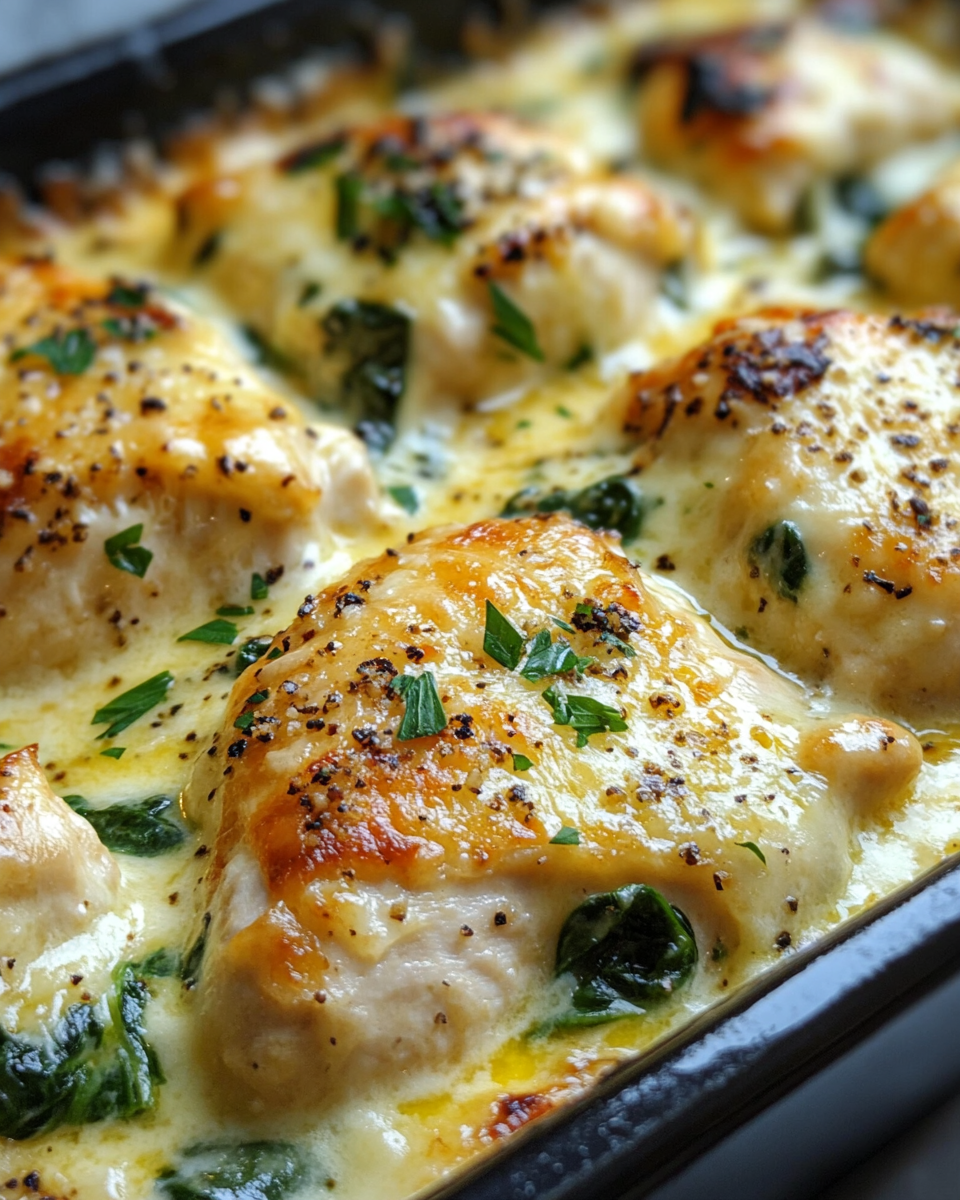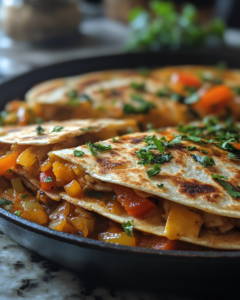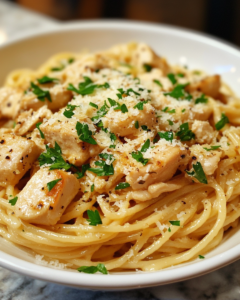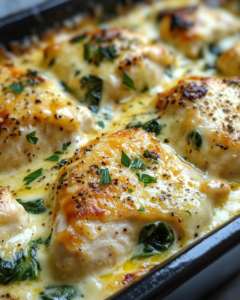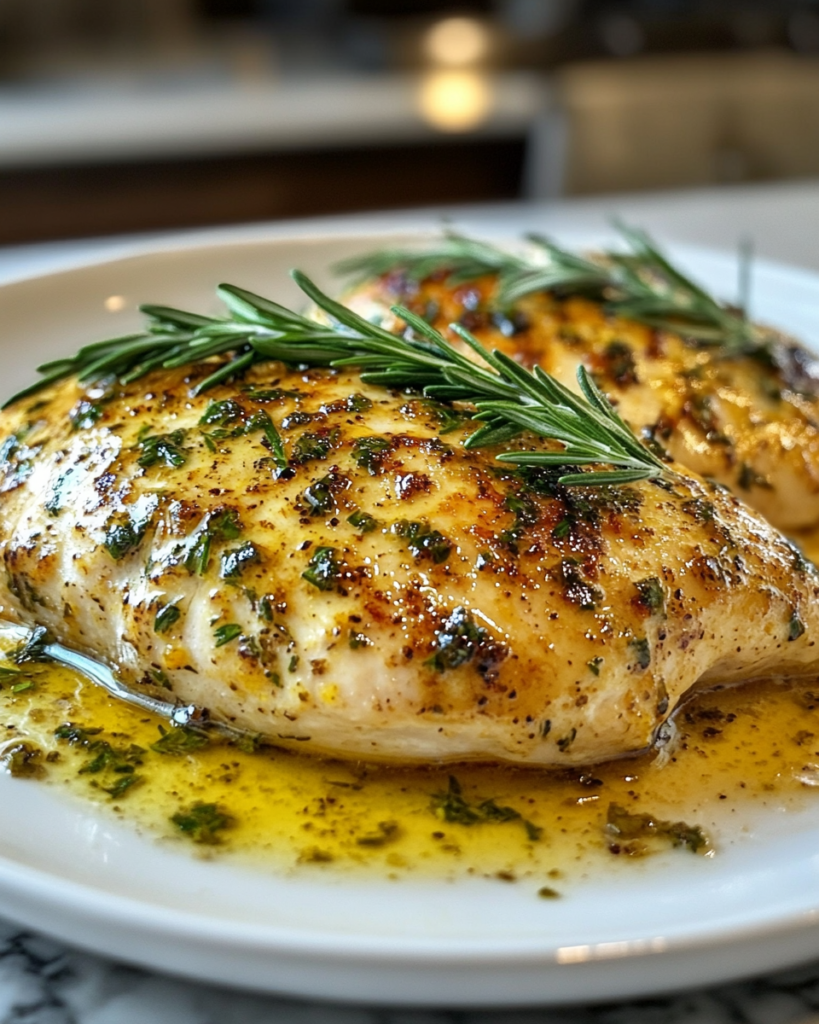
Dijon Herb Baked Chicken Breast is a comforting, flavorful dish that brings together tender chicken with a tangy mustard glaze and aromatic herbs. It’s a dependable option for weeknight dinners while still feeling special enough for a relaxed gathering. The balance of savory, slightly sharp Dijon mustard with garlic and herbs creates a rich coating that keeps the chicken moist as it bakes.
This recipe focuses on simplicity without sacrificing depth of flavor. With just a handful of pantry staples, you can create a meal that fills the kitchen with a warm, inviting aroma. Dijon Herb Baked Chicken Breast pairs beautifully with a wide range of sides, making it a versatile addition to your cooking routine.
Ingredients Overview
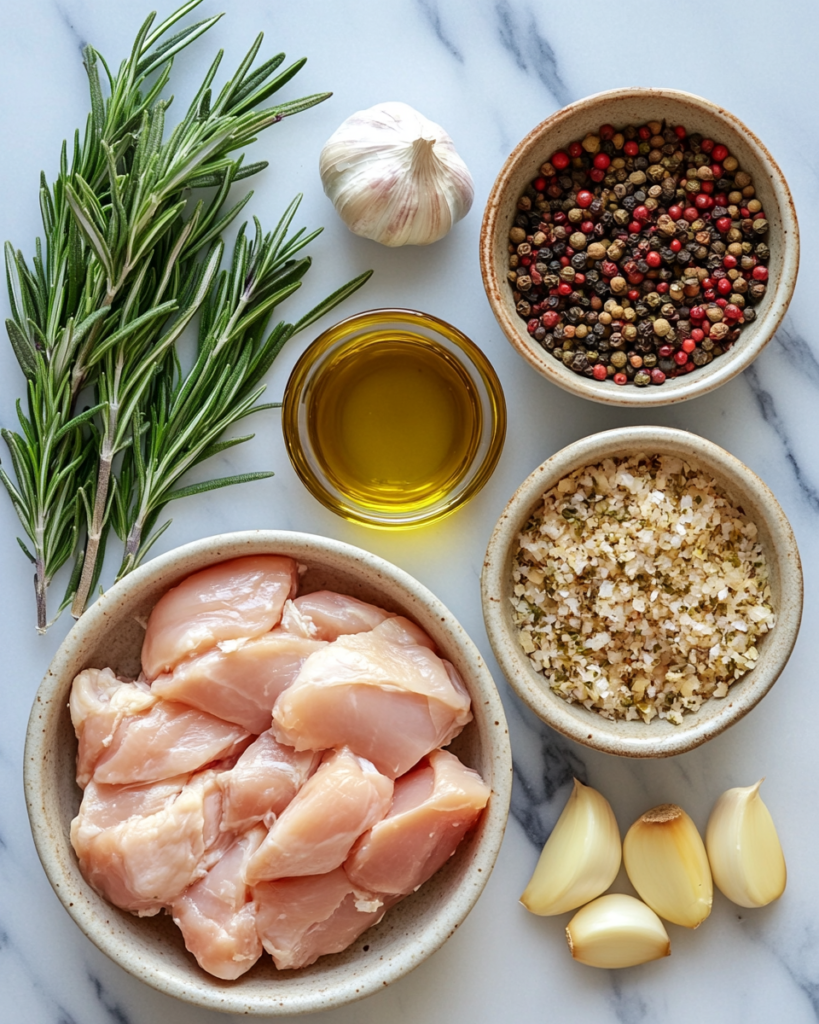
The heart of Dijon Herb Baked Chicken Breast lies in a few key ingredients that work together to create a layered flavor profile. Boneless, skinless chicken breasts serve as the base, offering a lean protein that absorbs marinades well. Choosing evenly sized pieces helps them cook at the same rate, preventing dryness.
Dijon mustard provides the signature tangy flavor. Its smooth texture and mild sharpness coat the chicken evenly, helping other ingredients cling to the surface. Garlic adds depth and a savory note that complements the mustard without overpowering it.
Olive oil plays a crucial role in keeping the chicken moist during baking. It also helps distribute the herbs and seasoning evenly across the surface. Fresh or dried herbs such as thyme, rosemary, and parsley contribute an earthy aroma and subtle complexity.
A small amount of lemon juice or zest brightens the dish, cutting through the richness and adding freshness. Salt and black pepper round out the seasoning, enhancing all the other flavors.
If needed, whole grain mustard can be substituted for Dijon for a slightly different texture, while chicken thighs can replace breasts for a juicier result. Each ingredient has a purpose, and together they create a balanced and satisfying dish.
Ingredients
4 boneless, skinless chicken breasts
2 tablespoons Dijon mustard
2 tablespoons olive oil
3 cloves garlic, minced
1 tablespoon fresh thyme, chopped (or 1 teaspoon dried)
1 tablespoon fresh rosemary, chopped (or 1 teaspoon dried)
1 tablespoon fresh parsley, chopped
1 tablespoon lemon juice
1/2 teaspoon lemon zest
1 teaspoon salt
1/2 teaspoon black pepper
1/2 teaspoon paprika
Step-by-Step Instructions
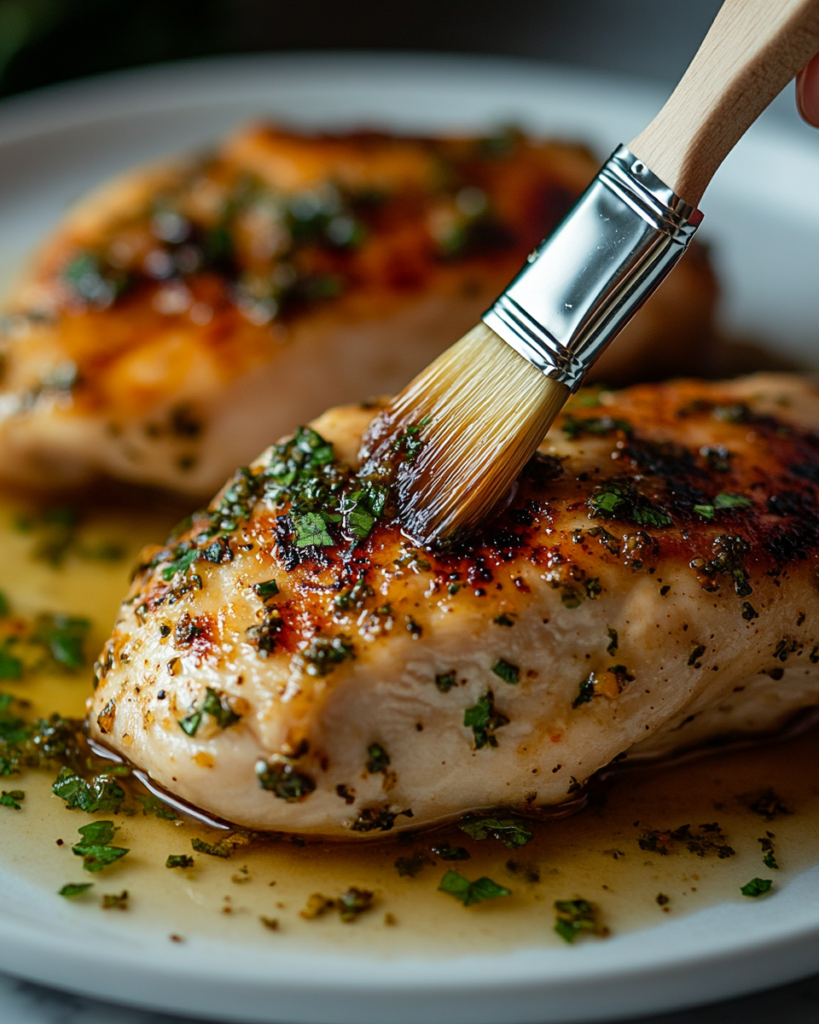
Begin by preheating your oven to 400°F (200°C). Lightly grease a baking dish or line it with parchment paper to prevent sticking and make cleanup easier.
Pat the chicken breasts dry with paper towels. This step helps the coating adhere better and allows the surface to develop a light golden finish during baking. If the chicken breasts are thick, consider gently pounding them to an even thickness for consistent cooking.
In a small bowl, combine Dijon mustard, olive oil, minced garlic, thyme, rosemary, parsley, lemon juice, lemon zest, salt, black pepper, and paprika. Stir until the mixture forms a smooth, fragrant paste.
Place the chicken breasts in the prepared baking dish. Using a spoon or brush, coat each piece generously with the Dijon herb mixture, making sure all sides are covered. This coating acts as both a marinade and a protective layer that keeps the meat moist.
Transfer the dish to the oven and bake for 20 to 25 minutes, depending on the thickness of the chicken. The internal temperature should reach 165°F (74°C) when checked with a meat thermometer. The top should appear slightly golden and the juices should run clear.
Halfway through baking, you can spoon some of the pan juices over the chicken to keep it moist and deepen the flavor. Avoid overcooking, as chicken breasts can quickly become dry.
Once done, remove the chicken from the oven and let it rest for 5 minutes. This allows the juices to redistribute, resulting in a more tender bite.
Common mistakes include skipping the drying step, which can cause the coating to slide off, or overbaking, which leads to dryness. Keeping an eye on cooking time and using a thermometer helps achieve consistent results.
Tips, Variations & Substitutions
For extra flavor, marinate the chicken in the Dijon mixture for 30 minutes before baking. This allows the seasoning to penetrate deeper into the meat.
If you prefer a slightly crisp topping, sprinkle a small amount of breadcrumbs mixed with olive oil over the chicken before baking. This adds texture without overpowering the herb coating.
Chicken thighs can be used instead of breasts for a richer and juicier outcome. Adjust the cooking time slightly, as thighs may take a bit longer to cook through.
For a dairy-free option, this recipe already fits well without modification. To add creaminess, a spoonful of plain yogurt can be mixed into the mustard blend.
Herb combinations can be adjusted based on what you have available. Basil or oregano can replace rosemary or thyme for a different flavor profile.
For a mild sweetness, a teaspoon of honey can be added to the Dijon mixture. This creates a balanced glaze that caramelizes slightly in the oven.
Serving Ideas & Occasions
Dijon Herb Baked Chicken Breast pairs well with a variety of side dishes, making it suitable for both casual dinners and small gatherings. Serve it alongside roasted vegetables such as carrots, potatoes, or green beans for a complete meal.
It also works well with lighter sides like a crisp green salad or steamed asparagus. Rice, quinoa, or mashed potatoes help absorb the flavorful juices from the chicken.
For drinks, a glass of white wine such as Sauvignon Blanc or a light sparkling beverage complements the tangy mustard and herbs.
This dish is ideal for weeknight meals, meal prep, or a simple weekend dinner. Its straightforward preparation makes it practical, while the flavor keeps it interesting enough for guests.
Nutritional & Health Notes
Dijon Herb Baked Chicken Breast is a balanced option that provides lean protein while keeping added fats moderate. Chicken breast is naturally low in fat and high in protein, supporting a filling and satisfying meal.
Olive oil contributes healthy fats, while herbs and garlic add flavor without extra calories. The use of Dijon mustard keeps the sauce light compared to cream-based alternatives.
This dish can fit into a variety of eating styles, including low-carb and gluten-free diets. Pairing it with vegetables further increases fiber and nutrient content.
Keeping portion sizes in mind and balancing the meal with whole foods helps maintain a nutritious approach without sacrificing taste.
FAQs
Can I use chicken thighs instead of breasts?
Yes, chicken thighs are a great alternative in this recipe. They tend to be more forgiving during cooking because of their higher fat content, which keeps them juicy. If using thighs, adjust the cooking time slightly, as they may need an additional 5 to 10 minutes depending on their size. Make sure the internal temperature reaches 165°F (74°C). The Dijon herb coating works just as well with thighs, creating a rich and flavorful result.
How do I keep the chicken from drying out?
The key to preventing dry chicken is not overcooking it. Using a meat thermometer helps you remove the chicken at the right time. Coating the chicken thoroughly with the Dijon mixture also helps lock in moisture. Letting the chicken rest after baking allows the juices to settle back into the meat, improving texture. Choosing evenly sized pieces also ensures consistent cooking.
Can I prepare this recipe ahead of time?
Yes, you can prepare the Dijon herb mixture and coat the chicken in advance. Store it covered in the refrigerator for up to 24 hours before baking. This can even improve the flavor, as the marinade has more time to infuse into the meat. When ready to cook, place it directly in the oven, adding a few extra minutes if the chicken is cold from the fridge.
What herbs work best in this recipe?
Thyme and rosemary are classic choices because they pair well with Dijon mustard and chicken. Parsley adds freshness and color. However, you can adjust the herbs based on availability. Oregano, basil, or even a pinch of Italian seasoning can be used. Fresh herbs provide a brighter flavor, but dried herbs work well and are more convenient.
Can I make this recipe without mustard?
Dijon mustard is central to the flavor of this dish, but if needed, you can substitute it with whole grain mustard or even a mild yellow mustard. The taste will change slightly, becoming less sharp and complex. If avoiding mustard entirely, a mixture of olive oil, garlic, herbs, and lemon can still create a flavorful baked chicken, though it will no longer have the signature Dijon taste.
How should I store leftovers?
Store leftover chicken in an airtight container in the refrigerator for up to 3 days. To reheat, place it in the oven at a low temperature or use a microwave with a cover to retain moisture. Adding a small splash of broth or water before reheating can help keep the chicken from drying out. Slice leftovers for salads, wraps, or grain bowls.
Can I freeze Dijon Herb Baked Chicken Breast?
Yes, this dish can be frozen after cooking. Allow the chicken to cool completely, then store it in a freezer-safe container for up to 2 months. When ready to use, thaw it in the refrigerator overnight and reheat gently. While the texture may be slightly softer after freezing, the flavor remains intact, making it a convenient option for meal planning.