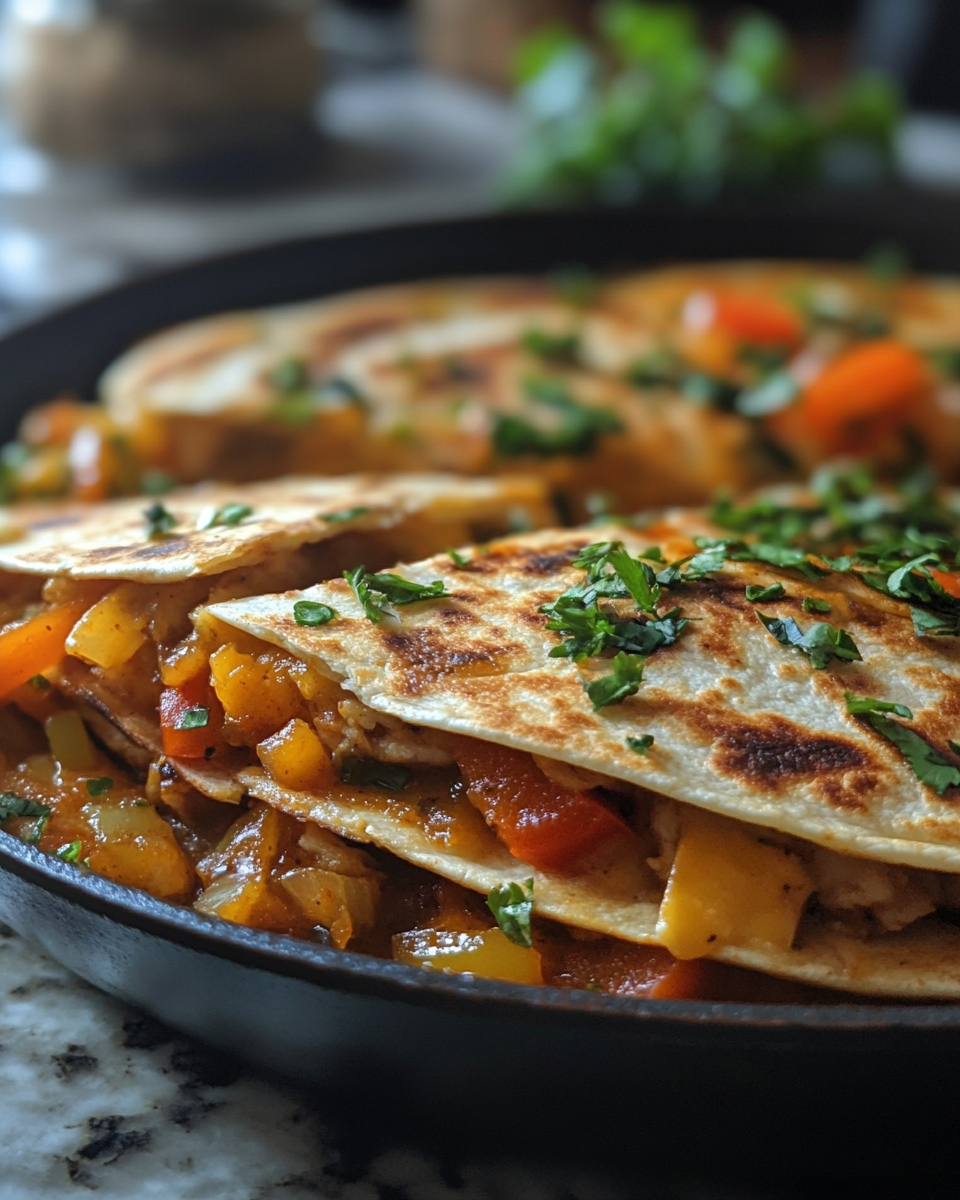
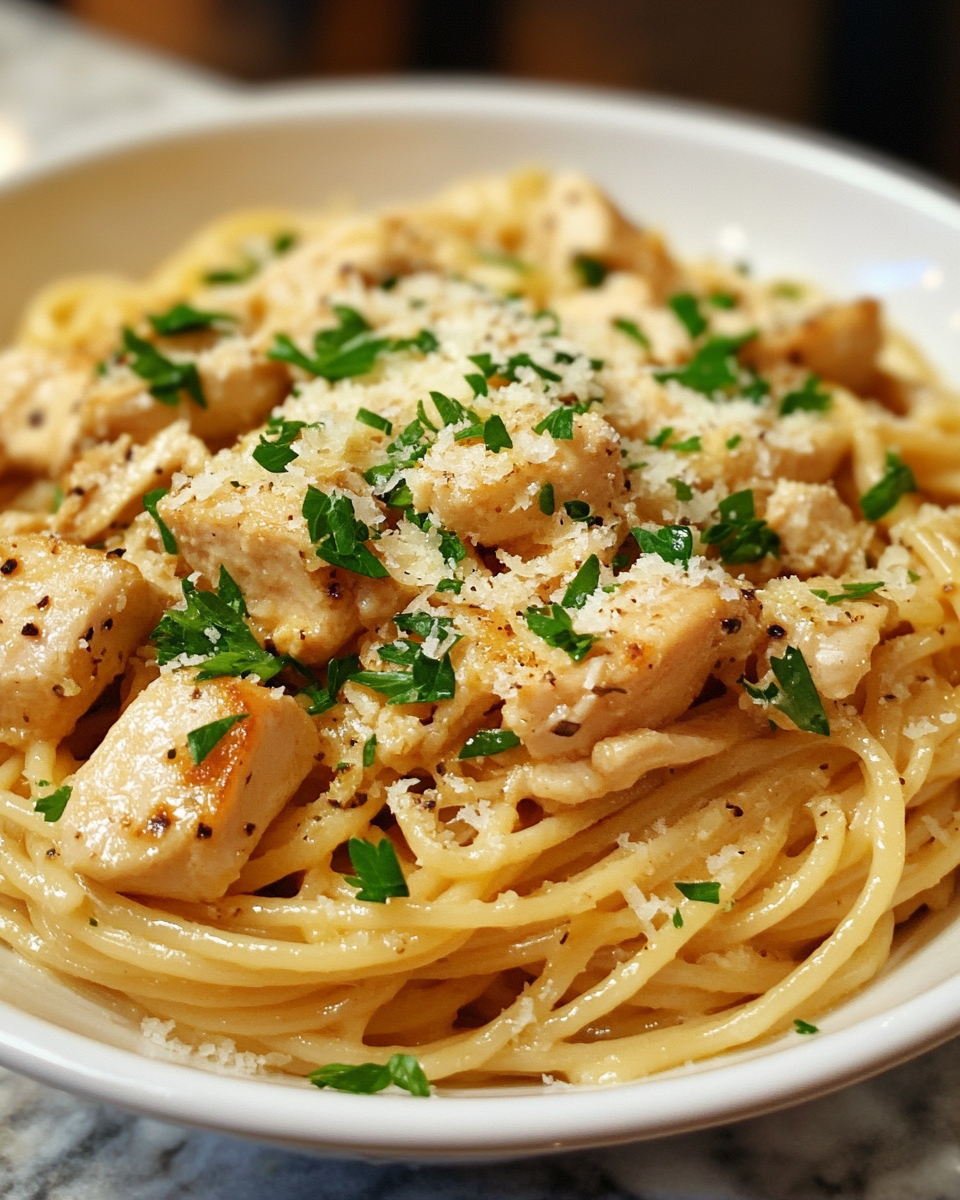
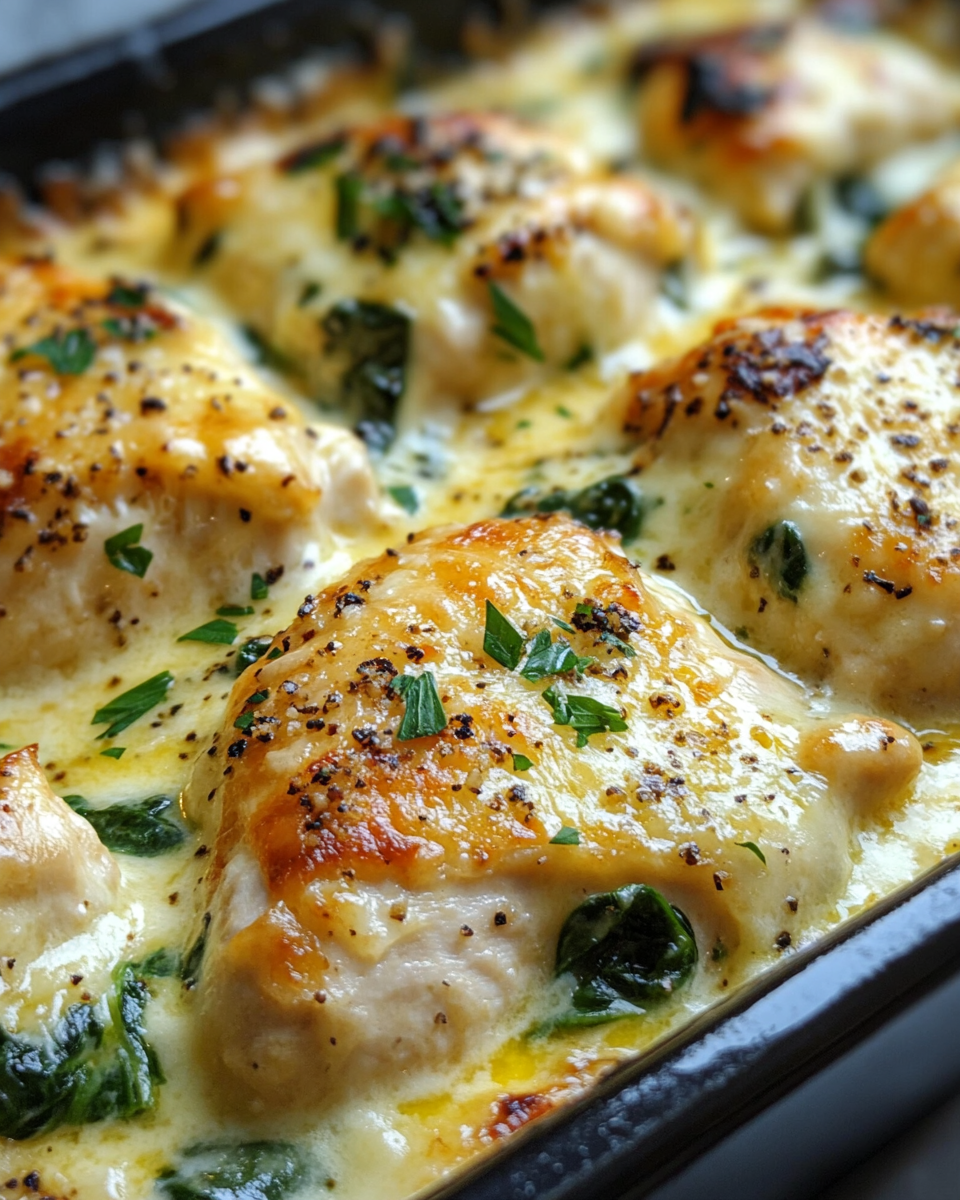
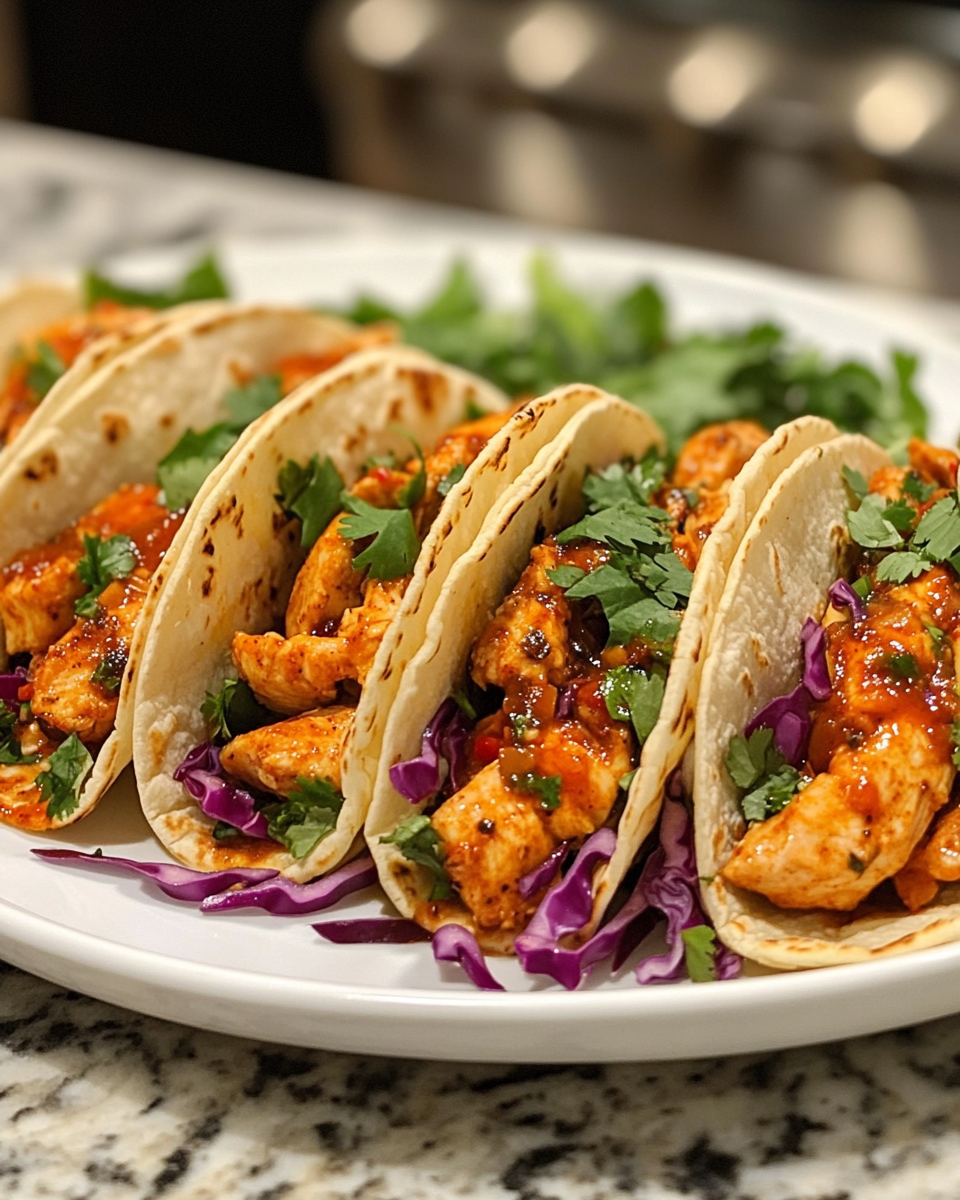
Moroccan Spiced Chicken with Couscous carries deep aroma from warm spices, tender poultry, and fluffy semolina grains that soak up every drop of rich seasoning. This dish draws inspiration from North African home cooking, where spice blends are layered slowly to build depth and comfort on the plate.
Each bite brings together paprika, cumin, coriander, and cinnamon, creating a fragrant coating over juicy chicken. The couscous acts as a soft base, absorbing the savory juices released during cooking. The combination feels balanced, filling, and perfect for a family-style meal or a relaxed dinner setting.
The preparation focuses on slow seasoning, gentle searing, and steady simmering. Nothing is rushed, allowing flavors to develop naturally. The final result is a plate filled with warmth, texture contrast, and aromatic richness that lingers pleasantly.
Ingredients Overview

The foundation of Moroccan Spiced Chicken with Couscous lies in its spice blend and fresh components. Chicken thighs are preferred for their natural juiciness and ability to hold flavor during cooking. The skin helps retain moisture while also adding light crispness during searing.
Spices such as cumin, coriander, paprika, turmeric, and cinnamon form the heart of the dish. Each spice plays a role: cumin adds earthiness, paprika contributes mild sweetness, turmeric brings golden color, and cinnamon introduces subtle warmth that ties everything together.
Garlic, onion, and tomato create the base of the sauce. These ingredients soften during cooking, blending into a thick, flavorful coating for the chicken. Olive oil supports the cooking process while adding smooth richness.
Couscous is chosen for its light texture and quick preparation time. When steamed or soaked in hot broth, it becomes fluffy and slightly nutty. Chicken broth is often used instead of plain water to infuse additional savory depth into the grains.
Optional additions include chickpeas, raisins, or toasted almonds. Chickpeas add protein and body, raisins bring mild sweetness, and almonds contribute crunch. These additions are flexible depending on preference and availability.
Together, these ingredients form a balanced dish where spice, protein, and grains work in harmony without overpowering one another.
Ingredients
6 bone-in chicken thighs
2 tablespoons olive oil
1 large onion, finely chopped
3 garlic cloves, minced
2 medium tomatoes, diced
1 cup chicken broth
1 teaspoon ground cumin
1 teaspoon ground coriander
1 teaspoon paprika
1/2 teaspoon turmeric
1/4 teaspoon ground cinnamon
1/2 teaspoon salt
1/4 teaspoon black pepper
1 cup couscous
1 1/4 cups hot chicken broth (for couscous)
1/2 cup chickpeas, cooked
2 tablespoons chopped fresh parsley
2 tablespoons sliced almonds (optional)
1/4 cup raisins (optional)
Step-by-Step Instructions

Start by preparing the chicken. Pat the pieces dry using a clean towel to help the surface brown evenly. Season both sides with salt, pepper, cumin, coriander, paprika, turmeric, and cinnamon. Allow the chicken to rest for a short period so the spices begin to absorb into the surface.
Heat olive oil in a large pan over medium heat. Place the chicken pieces skin-side down and allow them to sear until golden brown. Turn carefully and brown the opposite side. This step builds flavor at the base of the dish.
Remove the chicken temporarily and set aside. In the same pan, add chopped onion and cook until softened. Stir frequently so the onion does not stick or darken too quickly. Add garlic and cook briefly until aromatic.
Add diced tomatoes and allow them to break down slowly. As they cook, they form a thick sauce that blends with the spices left in the pan. Stir occasionally to maintain even cooking.
Return the chicken to the pan and pour in chicken broth. Reduce heat and cover. Let the mixture simmer gently until the chicken becomes tender and fully cooked. The sauce should thicken slightly as it cooks.
While the chicken simmers, prepare couscous. Place couscous in a bowl and pour hot chicken broth over it. Cover and let it sit until the grains absorb the liquid and swell. Fluff gently with a fork to separate the grains.
If using chickpeas, raisins, or almonds, prepare them during this time. Toast almonds lightly in a dry pan if added for extra crunch.
Once the chicken is tender and the sauce has thickened, adjust seasoning if needed. Serve the chicken over a bed of couscous, spooning sauce generously on top. Sprinkle parsley and optional toppings before serving.
Avoid cooking over high heat once the broth is added, as this can dry the chicken. Slow simmering keeps the meat tender and the sauce rich.
Tips, Variations & Substitutions
Chicken thighs are preferred, though drumsticks or boneless pieces can also be used. Boneless cuts cook faster but may be less juicy compared to bone-in pieces.
For a deeper spice profile, ras el hanout can replace individual spices. This blend adds complexity without extra measuring. If unavailable, increasing cumin and paprika slightly can help maintain flavor balance.
Vegetable additions such as carrots or zucchini can be added during the simmering stage. They absorb the sauce and soften nicely.
For a slightly sweeter profile, dried apricots can replace raisins. This adds a gentle contrast to the savory spices.
Couscous can be swapped with quinoa or bulgur wheat for a different texture. Cooking times will vary slightly depending on the grain used.
Fresh herbs such as cilantro or mint can be added at the end for a brighter finish. A squeeze of lemon over the final dish can also lift the flavors.
Serving Ideas & Occasions
Moroccan Spiced Chicken with Couscous fits well for family dinners, weekend meals, or gatherings where shared plates are common. It holds heat well, making it suitable for serving in a large dish at the center of the table.
It pairs nicely with simple side dishes such as cucumber salad, roasted vegetables, or yogurt-based sauces. A light soup can also precede the meal for a more structured dining experience.
For drinks, mint tea is a traditional pairing, though sparkling water with citrus also complements the spice profile. The dish is filling on its own, so sides are typically kept light.
This meal works well for meal preparation since the flavors deepen after resting. It reheats gently without losing texture when stored properly.
Nutritional & Health Notes
This dish offers a balanced mix of protein, carbohydrates, and fats. Chicken provides high-quality protein that supports muscle function and satiety. Couscous supplies energy-rich carbohydrates that keep the meal filling.
Spices used in the dish contain natural plant compounds that contribute flavor without added heaviness. Olive oil provides healthy fats that support absorption of fat-soluble nutrients.
Chickpeas, if included, add fiber and plant-based protein, improving digestive balance. The dish can be adjusted to reduce sodium by using low-sodium broth.
Portion control allows flexibility depending on dietary needs. Increasing vegetables can raise fiber content while keeping the meal light.
FAQs
Can chicken breasts be used instead of thighs?
Chicken breasts can be used, though they contain less fat than thighs. This means they may cook faster and require careful timing to prevent dryness. Cutting them into larger pieces helps retain moisture during simmering. Monitoring internal temperature is important to avoid overcooking. Thighs remain preferred for richer texture, but breasts still work well when handled gently.
Is couscous gluten-free?
Traditional couscous is made from wheat, so it contains gluten. Those avoiding gluten can replace it with quinoa or rice-based alternatives. These substitutes absorb flavors differently but still pair well with the spiced chicken and sauce. Cooking times and liquid ratios may vary slightly depending on the chosen grain.
Can the dish be prepared in advance?
Yes, both chicken and couscous can be prepared ahead of time. The chicken often develops deeper flavor after resting. Store components separately to maintain texture. Reheat the chicken slowly with a splash of broth to keep it moist. Couscous should be fluffed again before serving to restore lightness.
What spices define Moroccan flavor?
Common spices include cumin, coriander, paprika, turmeric, cinnamon, ginger, and black pepper. These spices create a layered profile that balances warmth and earthiness. Each household may adjust proportions depending on preference, resulting in slight variations across regions while maintaining a shared flavor identity.
Can vegetables be added to the dish?
Vegetables such as carrots, zucchini, and bell peppers can be included. They should be added during the simmering stage so they soften and absorb the sauce. Root vegetables may require slightly longer cooking time. This addition increases volume and nutritional variety without changing the core flavor.
How should leftovers be stored?
Leftovers should be placed in airtight containers and refrigerated promptly. Chicken and couscous can be stored together or separately depending on preference. Reheating should be done gently with a small amount of broth or water to maintain moisture. Proper storage keeps texture and flavor intact for a couple of days.
Can the spice level be adjusted?
Yes, spice level can be modified easily. Increasing paprika or adding mild chili powder creates more heat, while reducing black pepper keeps the dish milder. The base spice blend remains flexible, allowing adaptation for different taste preferences without affecting overall structure of the dish.