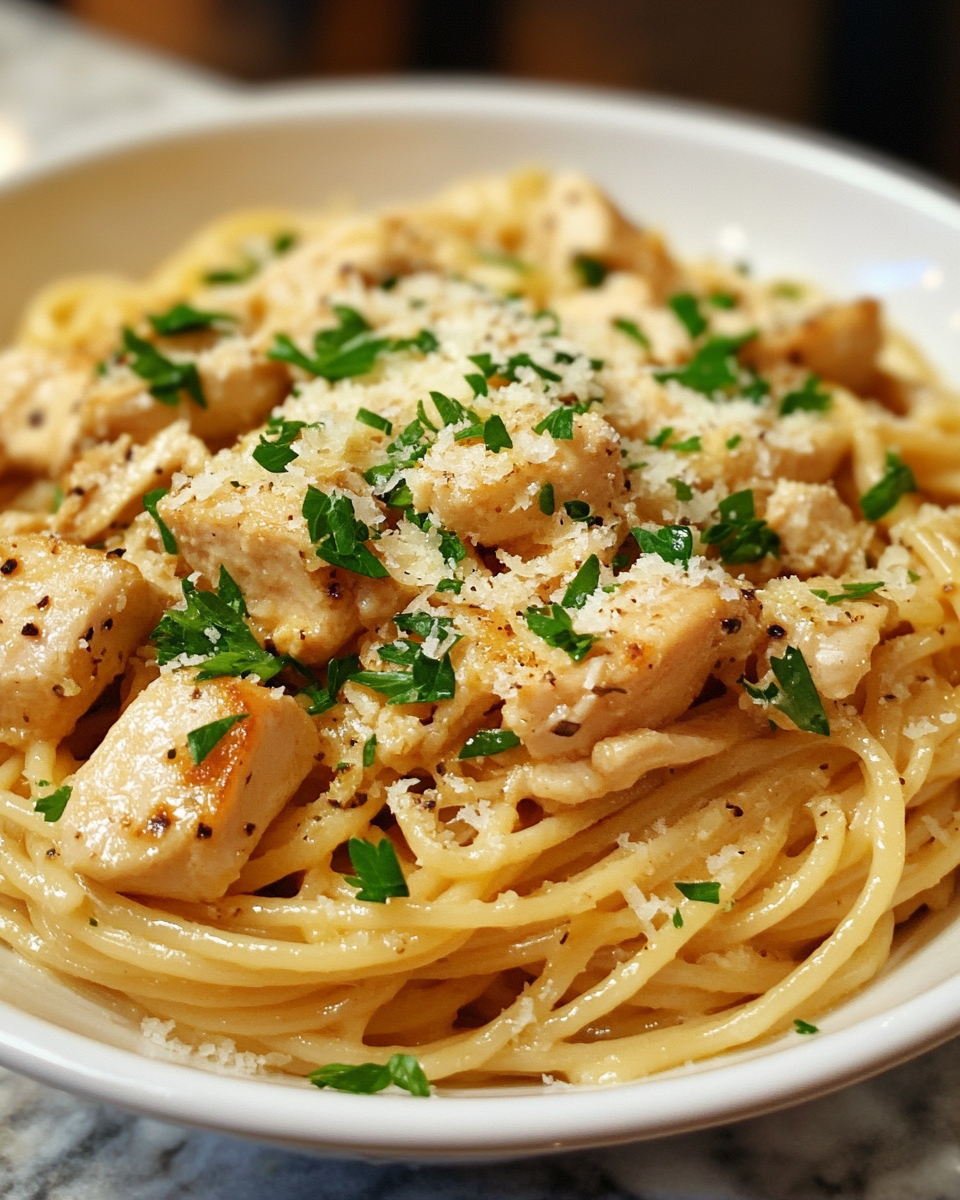
One Pan Creamy Chicken Orzo is the kind of comforting meal that brings rich flavor and simplicity together in a single skillet. Tender chicken, creamy orzo, and a blend of savory ingredients cook together, allowing every bite to carry deep, layered taste. The beauty of this dish lies in how the orzo absorbs the broth and cream, becoming silky while still holding a slight bite.
This recipe is perfect for busy evenings when time matters but flavor cannot be sacrificed. Everything cooks in one pan, which means fewer dishes and more time to enjoy the meal. The combination of seared chicken, garlic, and herbs creates a warm and inviting aroma that fills the kitchen as it cooks.
Ingredients Overview

The heart of One Pan Creamy Chicken Orzo is its balance between protein, starch, and a creamy base. Chicken breasts or thighs provide a tender, savory foundation. Thighs tend to stay juicier, while breasts offer a leaner option that still works beautifully when cooked carefully.
Orzo, a small rice-shaped pasta, plays a key role in texture. It cooks directly in the pan, absorbing broth and cream, which gives it a rich, velvety consistency. Unlike larger pasta, orzo blends seamlessly with the chicken and sauce, making every bite cohesive.
Garlic and onion build the base of flavor. As they cook in the same pan used for the chicken, they pick up browned bits that deepen the dish. Chicken broth adds depth, while heavy cream brings smoothness and body. Parmesan cheese finishes the sauce with a slightly salty, nutty edge.
Fresh spinach or herbs like parsley can be added for color and a fresh contrast. If spinach isn’t available, kale or even peas can work as substitutes. For a lighter version, half-and-half can replace heavy cream, though the sauce will be less rich.
Olive oil and butter contribute to both flavor and cooking efficiency, helping to brown the chicken and carry the aromatics. Together, these ingredients form a well-rounded, satisfying dish.
Ingredients
1 pound boneless, skinless chicken breasts or thighs
Salt, to taste
Black pepper, to taste
1 tablespoon olive oil
1 tablespoon butter
1 small onion, finely chopped
3 cloves garlic, minced
1 cup uncooked orzo pasta
2 cups chicken broth
1/2 cup heavy cream
1/2 cup grated Parmesan cheese
1 cup fresh spinach (optional)
1/2 teaspoon dried Italian seasoning
1/4 teaspoon paprika
Fresh parsley, chopped (for garnish)
Step-by-Step Instructions

Start by seasoning the chicken with salt and black pepper on both sides. Heat olive oil in a large skillet over medium heat. Once the oil is hot, add the chicken and sear for about 4–5 minutes per side until golden brown. The chicken does not need to be fully cooked at this stage. Remove it from the pan and set aside.
In the same skillet, melt the butter. Add the chopped onion and cook for 2–3 minutes until softened. Stir in the garlic and cook for another 30 seconds, just until fragrant. Be careful not to let the garlic burn, as it can turn bitter quickly.
Add the orzo to the pan and stir it with the onion and garlic. Let it toast lightly for about a minute. This step adds a subtle depth to the final dish.
Pour in the chicken broth and stir well, scraping up any browned bits from the bottom of the pan. Bring the mixture to a gentle simmer. Return the chicken to the pan, nestling it into the orzo.
Cover and cook on low heat for about 10–12 minutes, stirring occasionally to prevent sticking. The orzo should absorb most of the liquid and become tender.
Once the orzo is nearly cooked, stir in the heavy cream, Parmesan cheese, Italian seasoning, and paprika. Let everything simmer uncovered for another 3–5 minutes until the sauce thickens slightly.
If using spinach, add it at the end and stir until wilted. Check the chicken for doneness; it should reach an internal temperature of 165°F and be tender throughout.
Avoid overcooking, as the orzo can become too soft and the sauce too thick. If needed, add a splash of broth to loosen the consistency.
Garnish with fresh parsley before serving.
Tips, Variations & Substitutions
For a deeper flavor, consider seasoning the chicken with a touch of garlic powder or smoked paprika before searing. This adds an extra layer without complicating the recipe.
If you prefer a lighter version, substitute half-and-half for heavy cream. The sauce will still be creamy but less rich. You can also reduce the amount of cheese slightly.
Chicken thighs are a great alternative to chicken breasts, especially if you want a juicier texture. They are more forgiving during cooking and less likely to dry out.
Vegetables can be easily added or swapped. Mushrooms, sun-dried tomatoes, or zucchini blend well into the dish. If adding firmer vegetables, cook them with the onions so they soften properly.
For a different flavor profile, try adding a squeeze of lemon juice at the end. It brightens the dish and balances the creaminess.
Gluten-free orzo can be used if needed, though cooking times may vary slightly.
Serving Ideas & Occasions
One Pan Creamy Chicken Orzo works well as a complete meal on its own, thanks to its balance of protein and pasta. For a fuller spread, serve it alongside a simple green salad with a light vinaigrette. The freshness of the salad contrasts nicely with the creamy texture of the orzo.
Crusty bread is another excellent addition, perfect for soaking up any extra sauce left on the plate. Roasted vegetables like asparagus or carrots also complement the dish without overpowering it.
This recipe fits weeknight dinners, casual gatherings, or even a relaxed weekend meal. It’s easy to prepare in larger quantities, making it suitable for family-style serving.
A glass of chilled white wine or sparkling water with lemon pairs well, cutting through the richness and refreshing the palate.
Nutritional & Health Notes
This dish provides a balanced combination of protein, carbohydrates, and fats. Chicken offers a solid source of protein, supporting muscle maintenance and overall energy needs.
Orzo contributes carbohydrates, which provide energy and help make the meal satisfying. The cream and cheese add fats that enhance flavor and texture but should be enjoyed in moderation for those watching their intake.
Adding spinach or other vegetables increases the fiber and vitamin content, making the dish more nutritionally complete. Using low-sodium broth can help control overall salt levels.
For those seeking a lighter option, reducing the cream and cheese or substituting with lighter alternatives can make a noticeable difference without compromising too much on taste.
FAQs
Can I use chicken thighs instead of breasts?
Yes, chicken thighs are an excellent choice for this recipe. They tend to stay more tender and juicy during cooking, especially since they simmer with the orzo. Thighs also bring a slightly richer flavor compared to chicken breasts. When using thighs, follow the same cooking method, but allow a little extra time if they are thicker. Always check that the internal temperature reaches 165°F before serving. This swap works well for those who prefer a more forgiving cut of meat that doesn’t dry out easily.
Can I make this dish ahead of time?
One Pan Creamy Chicken Orzo can be made ahead, though it is best enjoyed fresh. If preparing in advance, store it in an airtight container in the refrigerator for up to three days. When reheating, add a splash of chicken broth or cream to loosen the sauce, as the orzo will continue to absorb liquid over time. Warm it gently on the stove or in the microwave, stirring occasionally to maintain a smooth consistency.
What can I use instead of heavy cream?
If heavy cream is not available, half-and-half or whole milk can be used as substitutes. Keep in mind that the sauce will be less thick and rich. To help thicken it, you can add a bit more Parmesan cheese or let it simmer slightly longer. Another option is to mix a small amount of cornstarch with milk before adding it to the dish for extra body.
How do I prevent the orzo from sticking?
Stirring the orzo occasionally during cooking is key to preventing it from sticking to the pan. Using a nonstick or well-seasoned skillet also helps. Keeping the heat at a gentle simmer rather than a rapid boil ensures even cooking. If the liquid reduces too quickly, adding a bit more broth will keep the orzo from drying out and sticking.
Can I freeze One Pan Creamy Chicken Orzo?
Freezing is possible, but the texture may change slightly after thawing. Cream-based sauces can separate, and the orzo may become softer. If you plan to freeze it, store it in a sealed container for up to two months. When reheating, stir well and add a bit of liquid to restore the creamy consistency. It’s best suited for short-term freezing rather than long storage.
What vegetables work best in this recipe?
Spinach is a popular choice because it wilts quickly and blends into the dish without overpowering it. Other good options include mushrooms, peas, or chopped zucchini. For firmer vegetables like carrots or broccoli, cook them earlier with the onions so they soften properly. Mixing vegetables adds color, texture, and extra nutrients.
How do I know when the chicken is fully cooked?
The most reliable way to check doneness is by using a meat thermometer. The chicken should reach an internal temperature of 165°F. Visually, the juices should run clear, and the meat should no longer appear pink in the center. Cutting into the thickest part can also help confirm doneness. Avoid overcooking, as this can make the chicken dry.