A Coconut Curry Chicken Skillet brings warm spice, silky coconut richness, and tender chicken together in a single pan. This dish draws inspiration from Southeast Asian curry traditions while staying practical for a busy kitchen, where everything comes together in one skillet without complicated steps.
The sauce develops a deep golden color as curry paste blends with coconut milk, coating each piece of chicken with a velvety texture. Bell peppers and onions soften just enough to keep a slight bite, balancing the creamy sauce. Served over rice or noodles, it creates a satisfying meal that feels both homey and aromatic.
This recipe is designed for straightforward cooking while still delivering layers of flavor. Each ingredient has a clear role, from the aromatic garlic and ginger to the subtle sweetness of coconut milk. The result is a balanced dish that works for weeknight dinners or relaxed weekend cooking.
Ingredients Overview
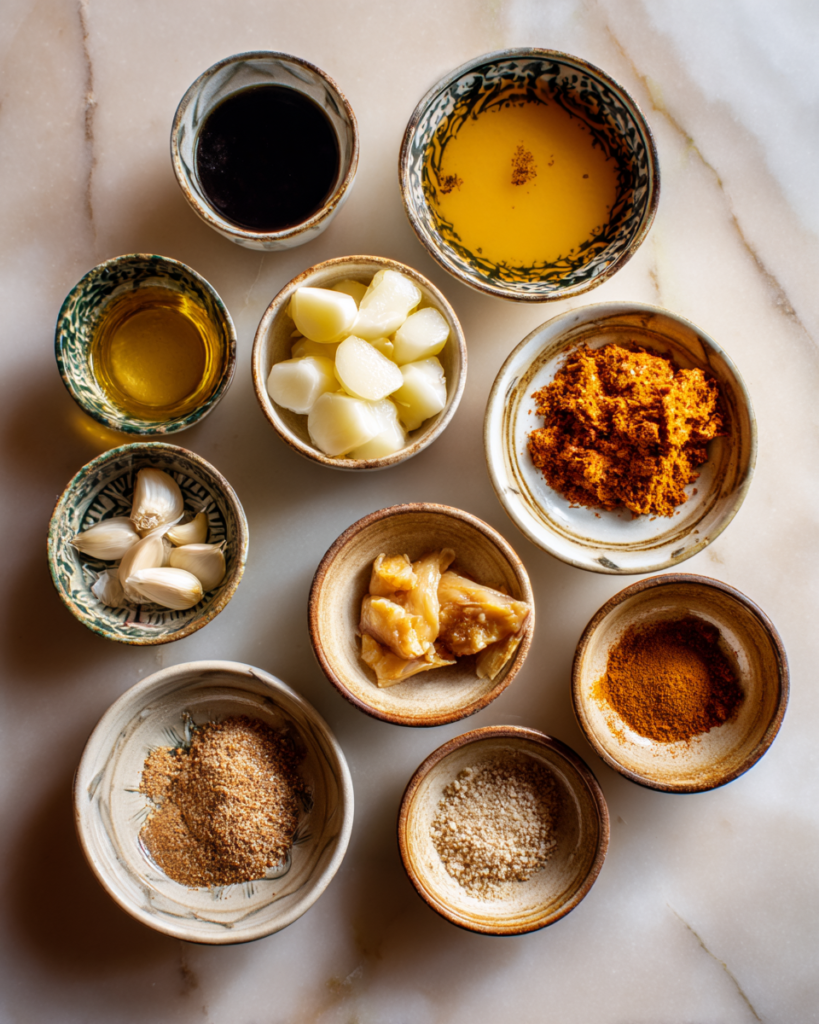
The heart of Coconut Curry Chicken Skillet is a combination of chicken, coconut milk, and curry paste. Boneless chicken thighs are often preferred because they stay tender and juicy during simmering, though chicken breast can also be used for a leaner option. The protein absorbs the curry sauce well, making each bite flavorful.
Coconut milk provides the creamy base that softens the spices and gives the dish its signature texture. Full-fat coconut milk creates a richer sauce, while light coconut milk produces a slightly thinner consistency. Curry paste is the main seasoning element, bringing warmth from chili, garlic, lemongrass, and spices already blended together.
Aromatics like onion, garlic, and fresh ginger add depth and fragrance. These ingredients build the foundation of flavor before the liquid is added. Bell peppers contribute natural sweetness and color, while also holding their shape during cooking.
Soy sauce or fish sauce introduces a savory note that enhances the curry without overpowering it. A small amount of brown sugar can be added to balance the spice and acidity, especially if the curry paste is particularly strong.
Fresh lime juice at the end brightens the dish, cutting through the richness of the coconut milk. Optional additions like spinach or green beans can increase the vegetable content without changing the core flavor profile.
Ingredients
1 ½ pounds boneless chicken thighs, cut into bite-sized pieces
1 tablespoon vegetable oil
1 medium onion, thinly sliced
3 cloves garlic, minced
1 tablespoon fresh ginger, grated
2 tablespoons red curry paste
1 can (13.5 oz) coconut milk
1 red bell pepper, sliced
1 yellow bell pepper, sliced
2 tablespoons soy sauce
1 teaspoon brown sugar
1 teaspoon salt
½ teaspoon black pepper
1 tablespoon lime juice
2 tablespoons chopped fresh cilantro
Cooked jasmine rice, for serving
Step-by-Step Instructions
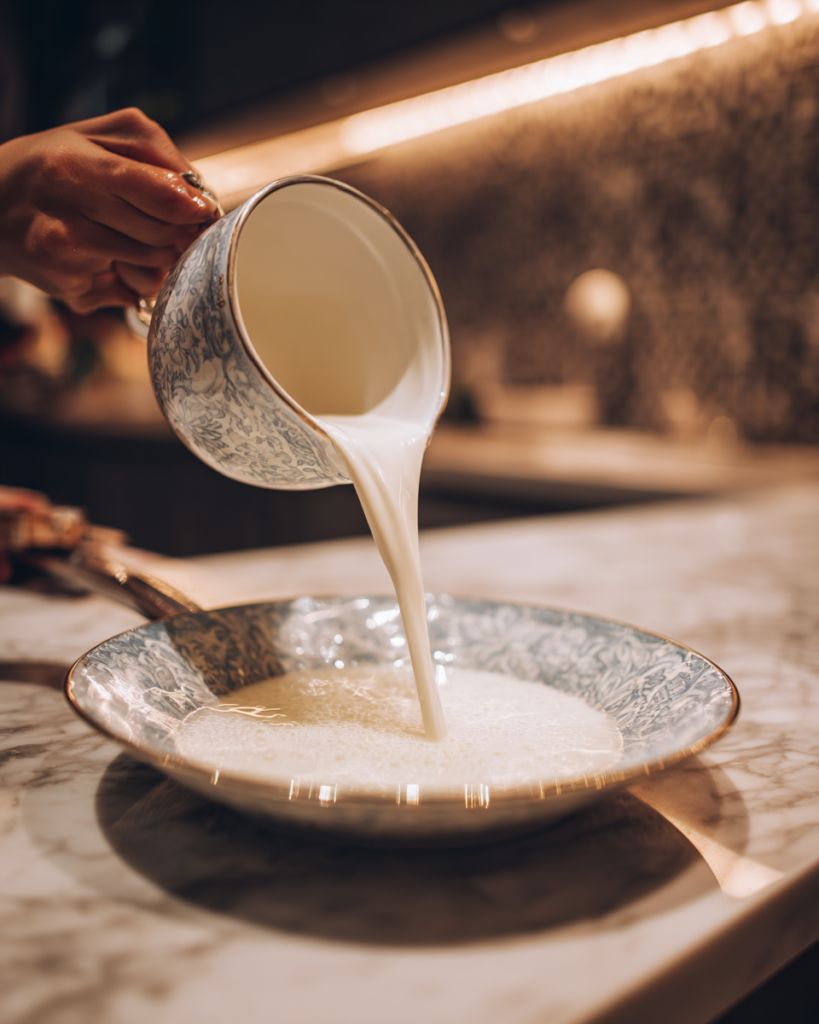
Start by preparing all ingredients before heating the skillet. Cut the chicken into even pieces so it cooks uniformly. Slice the vegetables and measure the sauce ingredients so the cooking process flows smoothly once heat is applied.
Place a large skillet over medium-high heat and add vegetable oil. Once the oil is hot, add the chicken pieces in a single layer. Cook for about 5 to 7 minutes, turning occasionally, until the chicken develops light browning on the outside. It does not need to be fully cooked at this stage since it will finish simmering in the sauce. Remove the chicken and set it aside.
In the same skillet, add sliced onion. Cook for 2 to 3 minutes until it begins to soften and release aroma. Stir in garlic and ginger, cooking for another 30 seconds. These aromatics should become fragrant but not browned, as burning can create bitterness.
Add the curry paste to the skillet. Stir it into the onion mixture, pressing it against the pan so it warms and releases its full flavor. This step helps deepen the overall taste of the dish.
Pour in the coconut milk slowly while stirring. The mixture will turn smooth and golden as the paste blends into the liquid. Bring it to a gentle simmer, scraping the bottom of the pan to incorporate any browned bits from the chicken.
Return the chicken to the skillet and stir well. Add soy sauce, brown sugar, salt, and black pepper. Let the mixture simmer for about 10 minutes so the chicken absorbs the sauce and finishes cooking through.
Add sliced bell peppers during the final 5 minutes of simmering. This keeps them slightly crisp while allowing them to absorb some of the curry flavor. If the sauce becomes too thick, a small splash of water can loosen it.
Once the chicken is fully cooked and the sauce has thickened slightly, turn off the heat. Stir in lime juice to brighten the overall flavor. Taste and adjust seasoning if needed.
Finish with chopped cilantro sprinkled over the top. Serve the curry over warm jasmine rice so the sauce can soak into the grains.
Tips, Variations & Substitutions
Chicken thighs are recommended for their tenderness, but chicken breast can be used if cooked carefully to avoid dryness. Cutting the pieces evenly helps maintain consistent texture.
For a spicier version, add extra curry paste or a pinch of crushed red pepper flakes. If a milder flavor is preferred, reduce the curry paste slightly and increase coconut milk.
Vegetable variations work well in this dish. Zucchini, snap peas, or spinach can be added near the end of cooking. Root vegetables like carrots should be sliced thin so they cook through properly.
Fish sauce can replace soy sauce for a more traditional curry flavor. If a slightly sweeter profile is desired, a small amount of honey can replace brown sugar.
This dish can also be made dairy-free and gluten-free without adjustment, as the base ingredients naturally fit both needs. Serving over rice noodles instead of jasmine rice offers another texture option.
Serving Ideas & Occasions
Coconut Curry Chicken Skillet pairs well with jasmine rice, basmati rice, or rice noodles. The sauce complements plain starches, allowing the curry flavor to stand out.
A simple cucumber salad or steamed vegetables can be served on the side to add freshness. Light soups or spring rolls also work well as appetizers before this dish.
This recipe fits well into weeknight dinners due to its one-pan preparation. It also works for casual gatherings where a warm, shared meal is preferred. The skillet presentation keeps serving simple and relaxed.
Leftovers can be stored and reheated, with the flavors often deepening after resting overnight.
Nutritional & Health Notes
This dish provides a balance of protein, fats, and carbohydrates. Chicken supplies protein, while coconut milk contributes fats that create satiety and richness.
Bell peppers and aromatics add small amounts of vitamins and minerals, contributing to overall nutritional variety. Serving with rice provides energy-dense carbohydrates that complement the protein and fat content.
Portion size can be adjusted depending on dietary needs. Using light coconut milk reduces overall fat content, while increasing vegetables adds fiber without altering the flavor structure significantly.
FAQs
Can I use chicken breast instead of thighs?
Yes, chicken breast can be used in place of thighs. It cooks faster and has a leaner texture. To prevent dryness, reduce simmering time slightly and avoid overcooking during the initial browning stage. Cutting the chicken into evenly sized pieces also helps maintain tenderness throughout the cooking process.
What type of coconut milk works best?
Full-fat coconut milk creates a richer and creamier sauce, which is ideal for this recipe. Light coconut milk can be used if a thinner consistency is preferred. Shake the can well before opening to blend the cream and liquid for a smoother sauce base.
Can this dish be made less spicy?
Yes, the spice level depends mainly on the curry paste used. Reducing the amount of curry paste or choosing a mild version will lower the heat. Adding extra coconut milk or a small amount of sugar can also help balance and soften the spice profile.
What vegetables can I add?
Bell peppers are included in the base recipe, but other vegetables like zucchini, green beans, spinach, or carrots work well. Add firmer vegetables earlier in cooking and softer greens toward the end so they maintain texture and color.
Can I prepare this ahead of time?
Yes, this dish stores well in the refrigerator for a couple of days. The flavors often deepen after resting. Reheat gently on the stove with a splash of water or coconut milk to loosen the sauce if it thickens.
What can I serve with this dish besides rice?
Rice noodles, quinoa, or even mashed potatoes can be used as a base. Each option absorbs the curry sauce differently, offering variety in texture while keeping the flavor profile intact.
Can I freeze Coconut Curry Chicken Skillet?
Yes, it can be frozen after cooking. Allow it to cool completely before storing in airtight containers. The texture of the sauce may slightly change after thawing, but gentle reheating helps bring it back together.
………………..