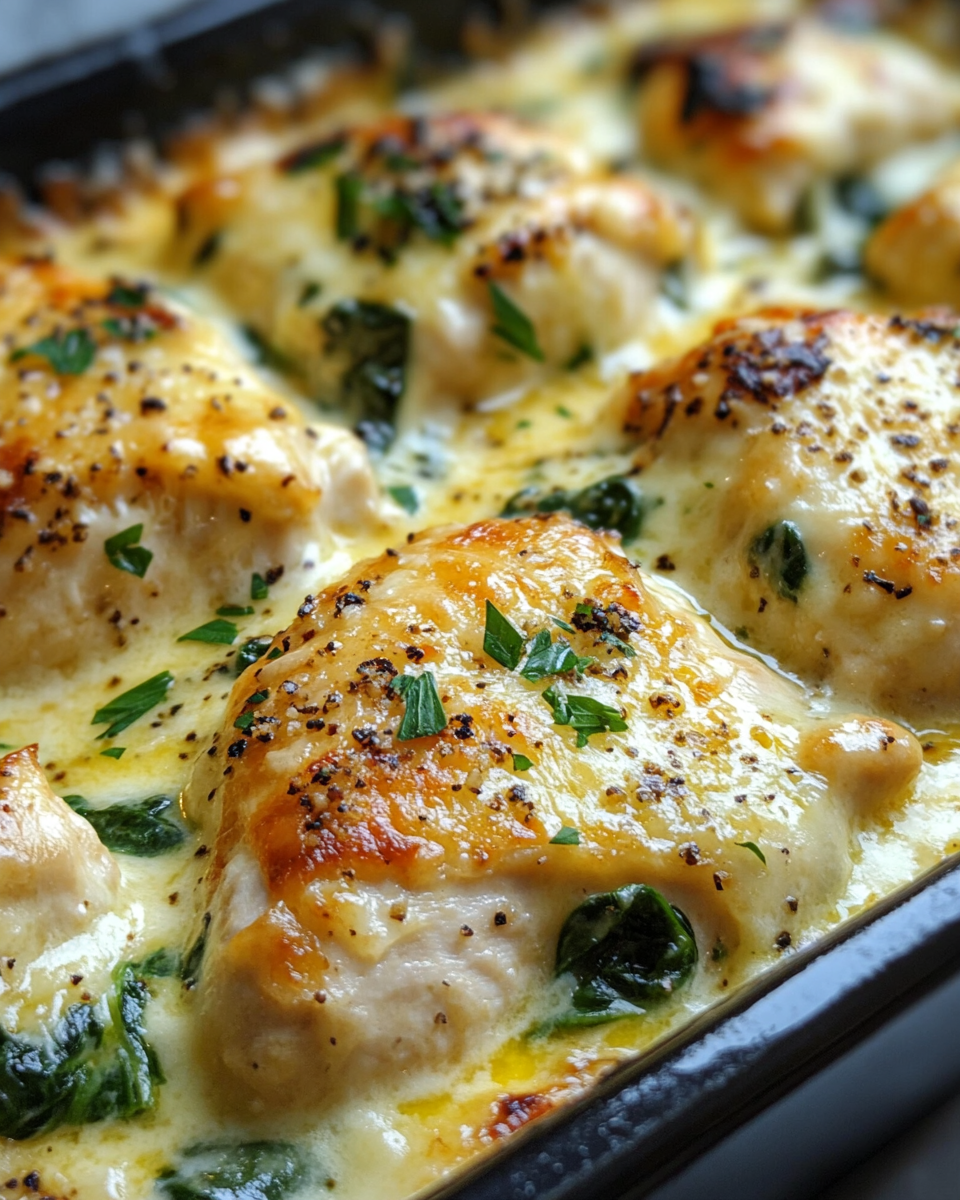
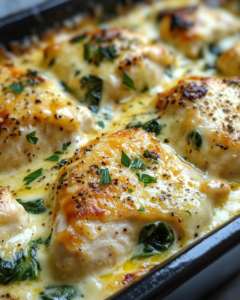
Tender Dijon Herb Baked Chicken Breast brings together sharp mustard notes, fragrant herbs, and oven-baked juiciness for a comforting dinner that fits both casual meals and planned gatherings. Each bite carries a balanced mix of savory seasoning and gentle tang from Dijon mustard, coating the chicken in a flavorful layer that bakes into a lightly golden crust. The oven does most of the work, leaving a dish that feels satisfying without requiring complicated steps or long preparation.
This recipe centers on boneless chicken breasts brushed with a Dijon herb mixture that seeps into the surface as it bakes. The herbs bring freshness, while garlic and mustard build depth. The result is a dish that pairs well with vegetables, grains, or simple salads. It is flexible enough for weeknight cooking but also fits a table set for guests.
The texture is key here: the chicken stays moist inside while the exterior develops a light crust from the seasoning blend. A short resting period after baking allows the juices to settle, giving each slice a clean, tender bite. This balance of flavor and texture is what makes this dish a dependable staple in many kitchens.
Ingredients Overview

Chicken breast serves as the foundation of this dish, offering a lean protein that absorbs surrounding flavors well. Boneless, skinless pieces are ideal since they cook evenly and allow the Dijon herb mixture to coat every surface. Choosing pieces of similar thickness helps them bake at the same rate, reducing the chance of dryness.
Dijon mustard provides the signature tang. It carries a smooth, sharp taste that blends well with herbs and olive oil. When baked, it softens slightly while still giving a gentle bite that defines the dish’s flavor profile.
Fresh garlic adds depth and aroma. It blends into the mustard base and spreads through the chicken as it cooks. Olive oil supports moisture retention and helps distribute seasoning evenly across the surface.
Herbs such as thyme, parsley, and rosemary introduce layers of freshness and earthiness. Dried herbs can be used when fresh ones are not available, though fresh herbs provide a brighter aroma.
Salt and black pepper round out the seasoning, balancing the tangy mustard and enhancing the natural flavor of the chicken. A small amount of lemon juice can also be added for brightness, though it is optional.
Together, these ingredients create a coating that clings to the chicken, forming a lightly seasoned crust during baking while keeping the interior juicy.
Ingredients
4 boneless skinless chicken breasts
3 tablespoons Dijon mustard
2 tablespoons olive oil
3 garlic cloves, minced
1 teaspoon dried thyme
1 teaspoon dried rosemary
1 teaspoon dried parsley
1 teaspoon salt
1/2 teaspoon black pepper
1 tablespoon lemon juice (optional)
1 tablespoon chopped fresh parsley for garnish
Step-by-Step Instructions

Begin by preparing the chicken breasts. Pat them dry using paper towels to remove excess moisture. This step helps the seasoning mixture adhere properly and supports even browning during baking. If the chicken pieces are thick on one side, gently pound them to an even thickness so they cook uniformly.
In a mixing bowl, combine Dijon mustard, olive oil, minced garlic, thyme, rosemary, parsley, salt, black pepper, and lemon juice if used. Stir until the mixture forms a smooth, slightly thick paste. This blend will serve as both marinade and coating.
Place the chicken breasts in a baking dish in a single layer. Spoon or brush the Dijon herb mixture over each piece, covering the top and sides evenly. Let the chicken sit for a short period so the flavors begin to settle into the surface.
Preheat the oven to a moderate temperature and allow it to reach full heat before placing the dish inside. Once ready, bake the chicken uncovered until the surface turns lightly golden and the internal texture becomes firm yet still juicy. Avoid overbaking, as lean chicken can dry out if left too long.
Halfway through cooking, you may spoon some of the pan juices over the chicken to maintain moisture and reinforce flavor. The mustard mixture will slightly thicken and cling to the surface as it bakes.
Once done, remove the dish from the oven and allow the chicken to rest for several minutes. This resting period helps the juices redistribute throughout the meat, keeping each slice tender when cut.
Slice the chicken and serve warm. The herb coating will appear lightly set on the outside, while the inside remains soft and moist.
Tips, Variations & Substitutions
For a deeper flavor, the chicken can be coated and left to rest in the refrigerator for a short period before baking. This allows the mustard and herbs to penetrate more fully.
If Dijon mustard is too strong, a mix of Dijon and whole grain mustard can soften the sharpness while adding texture. Honey can also be added for a slight sweetness, though it will change the overall profile.
Fresh herbs can replace dried ones in equal or slightly larger amounts. Parsley, thyme, and rosemary all work well, but basil or oregano can also be added for variation.
For a lighter version, reduce the olive oil slightly and rely more on mustard for coating. The texture will remain moist due to the chicken’s natural juices.
To add variety, vegetables such as sliced zucchini, carrots, or potatoes can be baked in the same dish. They will absorb some of the herb mixture and chicken juices, creating a shared flavor base.
Serving Ideas & Occasions
Dijon Herb Baked Chicken Breast pairs well with roasted vegetables, mashed potatoes, or steamed rice. The mustard-herb coating also complements simple green salads with light vinaigrette.
For a fuller plate, it can be served alongside quinoa, couscous, or buttered noodles. The sauce-like juices from the baking dish can be spooned over side dishes for added flavor.
This dish fits both weekday dinners and relaxed gatherings. It is often chosen for meals that require minimal effort while still offering a satisfying main course. It also works well for meal preparation, as the chicken holds its texture after reheating.
Nutritional & Health Notes
Chicken breast is a lean source of protein, making this dish suitable for balanced meals. It contains relatively low fat when prepared with moderate olive oil. The Dijon mustard adds flavor without heavy calories, and herbs contribute natural aroma without added sodium or fat.
Garlic provides depth while supporting overall flavor without additional ingredients. Adjusting salt levels can help control sodium intake based on dietary preferences.
When paired with vegetables or whole grains, this dish becomes part of a well-rounded plate that includes protein, fiber, and essential nutrients.
FAQs
Can I use chicken thighs instead of chicken breasts?
Chicken thighs can be used in place of breasts in this recipe. They contain slightly more fat, which results in a richer texture and juicier bite. Cooking duration may need adjustment since thighs often take a bit longer to cook through. Keeping the herb coating the same will still provide strong flavor coverage.
Can dried herbs replace fresh herbs?
Yes, dried herbs can replace fresh ones in this dish. Dried thyme, rosemary, and parsley are commonly used and blend well with Dijon mustard. They are more concentrated, so smaller amounts are sufficient. Fresh herbs, however, bring a brighter aroma if available.
How do I prevent dry chicken?
To keep the chicken moist, avoid overbaking and ensure even thickness before cooking. Coating the surface with Dijon mustard and olive oil helps retain moisture during baking. Allowing the chicken to rest after baking also helps keep juices inside the meat.
Can this dish be prepared ahead of cooking?
The chicken can be coated in the Dijon herb mixture ahead of baking and stored in the refrigerator for several hours. This resting period allows the flavors to absorb into the meat. Bring the chicken closer to room temperature before placing it in the oven for even cooking.
What sides go well with this recipe?
Roasted vegetables, mashed potatoes, rice, and green salads pair well with this chicken. The herb and mustard flavor complements both light and hearty sides, making it flexible for different meal styles.
Can I add cheese on top?
A light layer of grated cheese can be added during the final minutes of baking. Parmesan works especially well, adding a savory finish without overpowering the herb and mustard base.
Is lemon juice necessary?
Lemon juice is optional. It adds brightness and slight acidity, balancing the mustard flavor. If omitted, the dish will still maintain a rich and well-rounded taste.