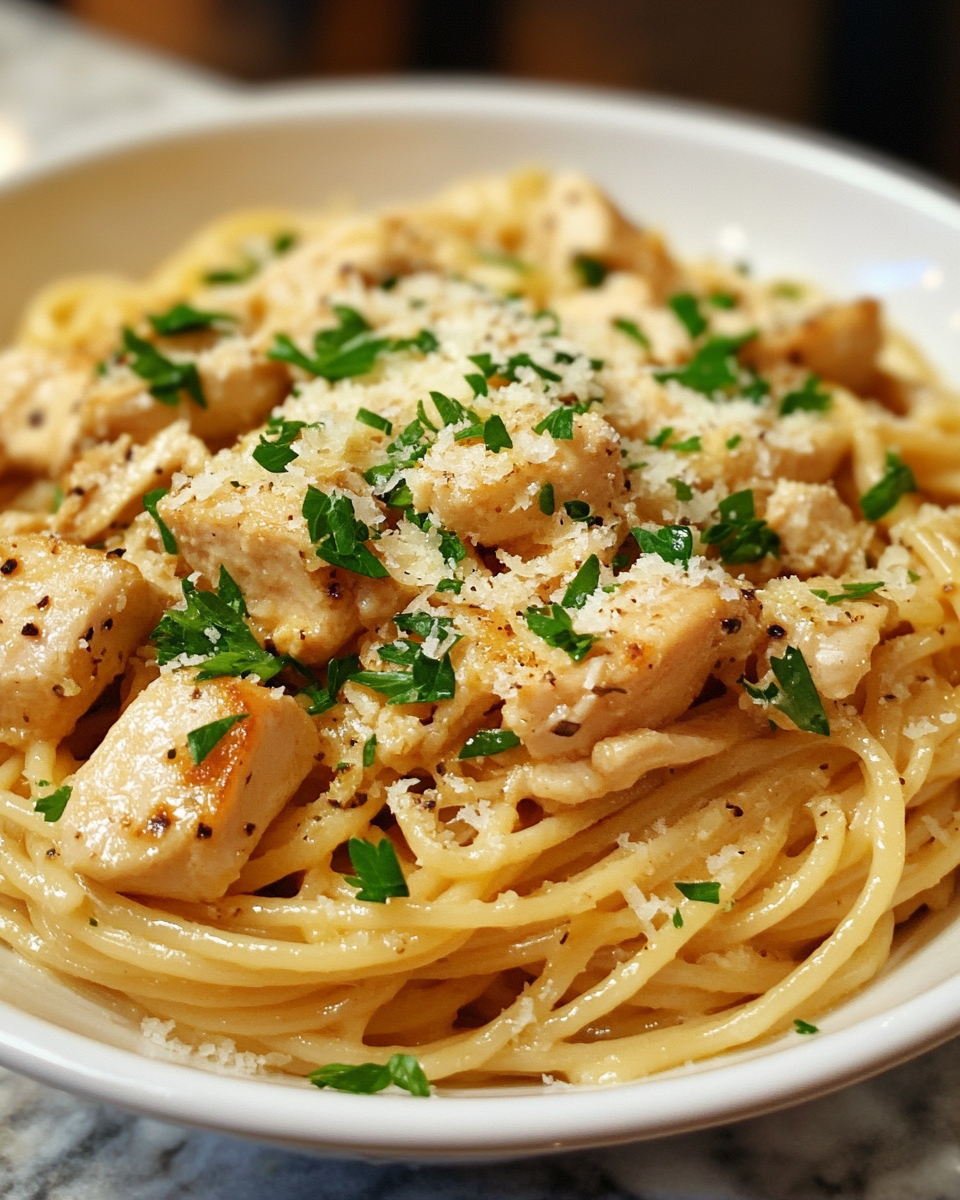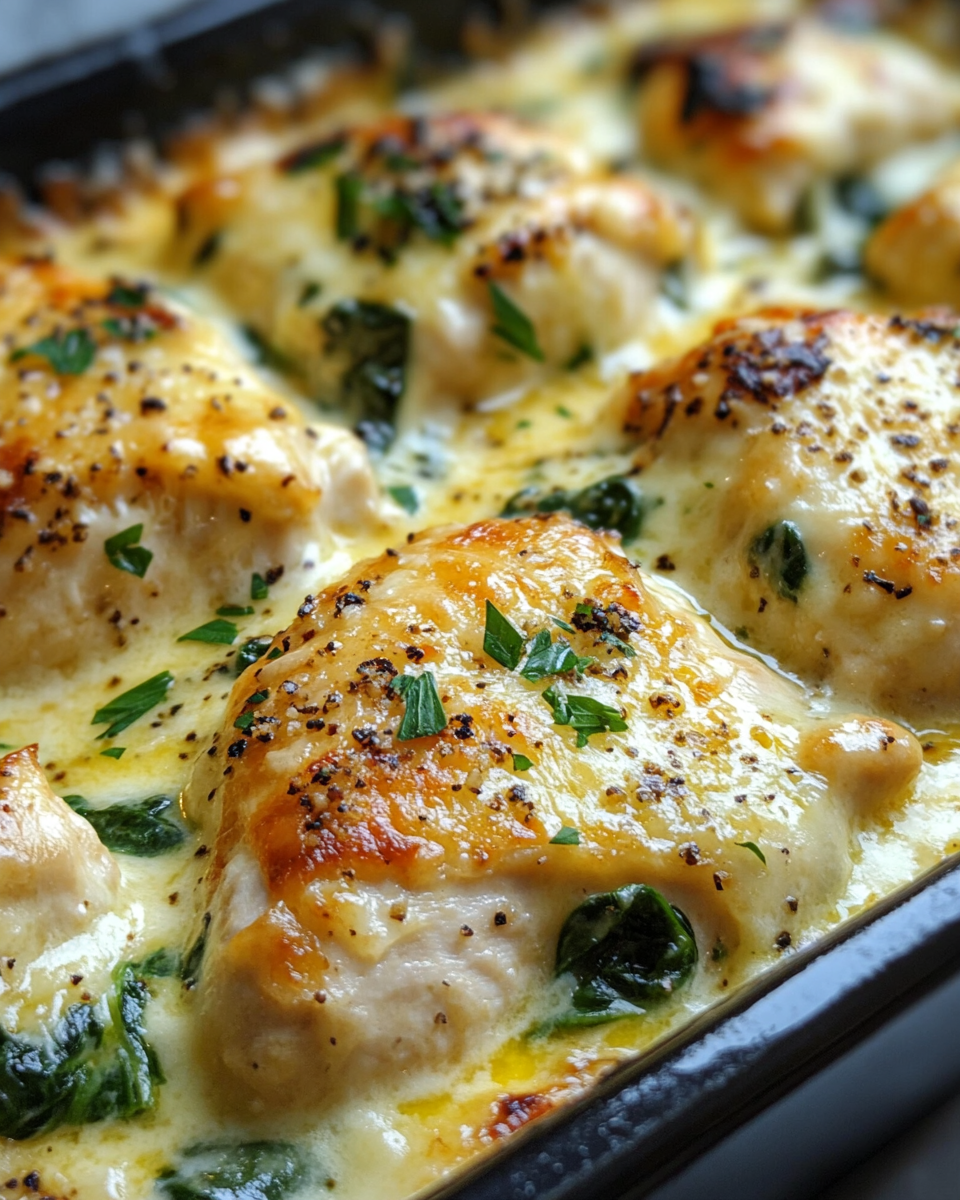
Creamy Garlic Parmesan Chicken Thighs: 5 Remarkable Comforts

Posted on

Uncategorized

Difficulty

Prep time

Cooking time

Total time

Servings

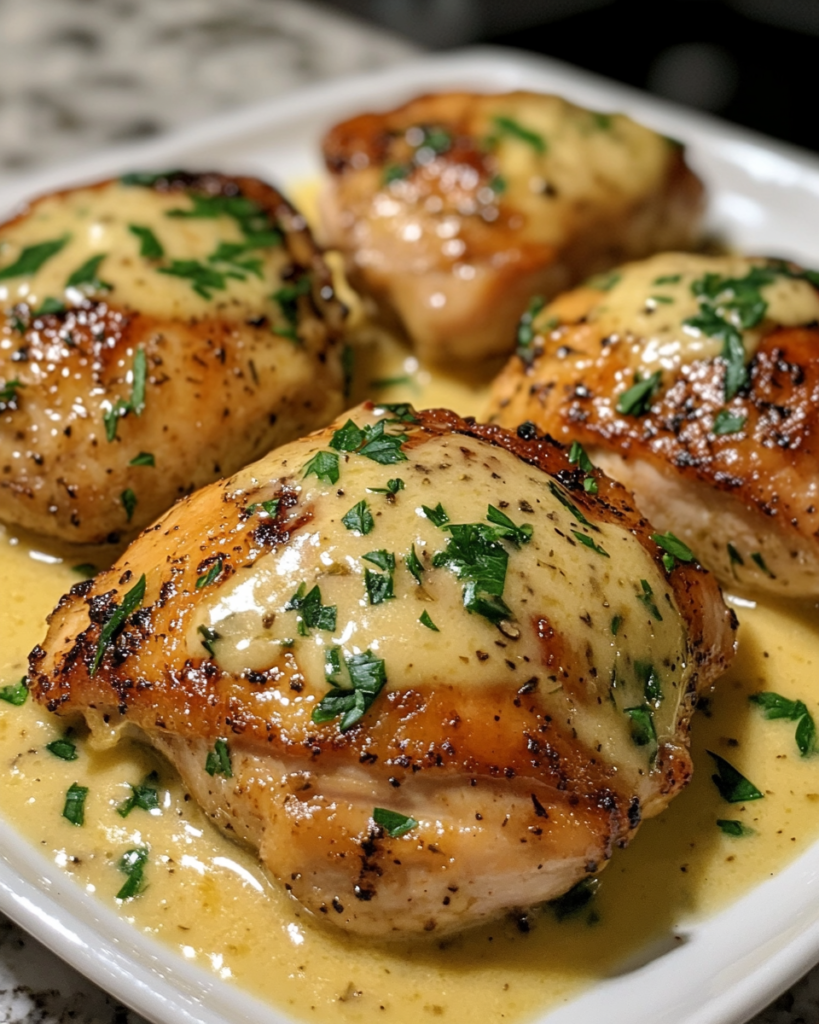
Creamy Garlic Parmesan Chicken Thighs bring together tender chicken, rich cream, savory garlic, and nutty parmesan in one skillet meal that feels warm and satisfying. The sauce coats every piece of chicken with a silky texture that pairs beautifully with rice, pasta, mashed potatoes, or roasted vegetables.

Chicken thighs stay juicy during cooking, making them a dependable choice for skillet dinners. Their rich flavor works beautifully with garlic and parmesan, while the cream softens the sharp edges of the cheese and garlic into a smooth sauce. This meal fits both busy weeknights and relaxed family dinners since the cooking process stays simple while still creating deep flavor.

Ingredients Overview

Chicken thighs form the base of this recipe because they remain moist during searing and simmering. Boneless skinless thighs cook quickly and absorb flavor well, though bone-in thighs also work if additional cooking time is added. A light coating of flour helps create a golden crust while slightly thickening the sauce later in the pan.

Garlic gives the dish its savory backbone. Fresh garlic works far better than jarred garlic because it creates a fuller aroma once it hits the warm butter and oil. Parmesan adds saltiness and a nutty finish that balances the richness of the cream. Freshly grated parmesan melts smoothly into the sauce without turning grainy.

Heavy cream creates the creamy texture that makes this recipe comforting and rich. Half-and-half can be used for a lighter sauce, though the final texture may be thinner. Chicken broth loosens the cream while adding depth to the skillet.

Italian seasoning, black pepper, onion powder, and paprika round out the flavor. Paprika adds gentle color without overpowering the sauce. Spinach or mushrooms may be added for extra texture and color. Fresh parsley scattered over the finished dish gives freshness that balances the richness of the cream and cheese.

Ingredients

6 boneless skinless chicken thighs
1 teaspoon salt
1/2 teaspoon black pepper
1 teaspoon onion powder
1 teaspoon paprika
3 tablespoons all-purpose flour
2 tablespoons olive oil
2 tablespoons butter
6 garlic cloves, minced
1 cup chicken broth
1 1/4 cups heavy cream
1 cup freshly grated parmesan cheese
1 teaspoon Italian seasoning
1 cup baby spinach
2 tablespoons chopped parsley

Step-by-Step Instructions

Pat the chicken thighs dry with paper towels before seasoning. Removing surface moisture helps the chicken brown properly instead of steaming in the skillet. Sprinkle the chicken with salt, pepper, onion powder, and paprika. Dust both sides lightly with flour, shaking away excess.

Warm a large skillet over medium-high heat. Add olive oil and one tablespoon of butter. Once the butter melts and starts bubbling gently, place the chicken thighs into the skillet in a single layer. Avoid crowding the pan because packed chicken releases moisture too quickly and weakens browning.

Cook the thighs for about five to six minutes per side until a golden crust forms. The chicken should release from the skillet naturally once properly browned. Transfer the cooked chicken to a plate while preparing the sauce.

Lower the heat to medium. Add the remaining butter and minced garlic to the skillet. Stir constantly for about thirty seconds until fragrant. Garlic burns quickly, so keep the heat moderate and stir often.

Pour in the chicken broth while scraping the browned bits from the bottom of the pan. Those browned pieces contain concentrated flavor that enriches the sauce. Let the broth simmer for two minutes to slightly reduce.

Add the heavy cream and Italian seasoning. Stir gently and allow the sauce to bubble softly for three to four minutes. Avoid boiling the cream aggressively because high heat can separate the sauce.

Gradually stir in the parmesan cheese. Add small handfuls while stirring continuously so the cheese melts smoothly. Once the sauce thickens slightly, return the chicken thighs to the skillet along with any resting juices from the plate.

Reduce the heat to low and simmer for another eight to ten minutes. The chicken should reach an internal temperature of 165 degrees Fahrenheit. Spoon sauce over the chicken occasionally while it cooks.

Add spinach during the final two minutes if using. The leaves wilt quickly and blend nicely into the creamy sauce. Scatter chopped parsley across the skillet before serving.

If the sauce thickens too much, stir in a splash of broth. If it appears thin, let it simmer uncovered for several more minutes. The finished sauce should coat the back of a spoon without appearing gluey or watery.

Tips, Variations & Substitutions

Fresh parmesan melts far more smoothly than packaged shredded cheese. Pre-shredded cheese often contains anti-caking ingredients that create a grainy texture in creamy sauces.

For added texture, sliced mushrooms can be sautéed after browning the chicken. Sun-dried tomatoes also pair nicely with garlic and parmesan while adding gentle sweetness. A pinch of red pepper flakes brings mild heat without overpowering the creamy base.

Chicken breasts may replace thighs, though they cook faster and can dry out if left in the skillet too long. If using bone-in thighs, increase simmering time by roughly ten minutes.

For a lighter version, swap heavy cream with half-and-half. The sauce may appear thinner, though it still carries rich flavor. Gluten-free flour works well for coating the chicken if needed.

Pasta, rice, mashed potatoes, or roasted cauliflower all pair nicely with the creamy sauce. Leftovers reheat well over low heat with a small splash of broth or cream stirred into the skillet.

Serving Ideas & Occasions

Creamy Garlic Parmesan Chicken Thighs fit many dinner settings because the flavors feel rich without becoming overly heavy. The sauce pairs beautifully with buttery mashed potatoes, soft pasta, steamed rice, or warm bread that can soak up every bit of the creamy skillet sauce.

Roasted green beans, asparagus, or broccoli bring freshness and balance beside the rich chicken. A crisp green salad with lemon dressing also works nicely because the acidity cuts through the creamy texture.

This recipe suits family dinners, small gatherings, weekend meals, and cooler evenings when warm comfort food feels especially welcome. Since the meal comes together in one pan, cleanup stays manageable even during busy evenings.

Sparkling water with lemon, iced tea, or a light white wine all pair nicely with the savory garlic parmesan sauce.

Nutritional & Health Notes

Chicken thighs provide protein along with iron and B vitamins. While thighs contain more fat than chicken breast, they also remain tender during cooking and contribute fuller flavor to the finished dish.

Parmesan cheese adds calcium and savory depth, while spinach contributes fiber, potassium, and color. Garlic contains natural compounds associated with savory flavor and aromatic richness.

Heavy cream creates the rich texture in the sauce, though lighter dairy may be used for lower fat content. Portion size plays an important role since creamy sauces can become heavy when served in very large amounts.

Serving the chicken with vegetables or a fresh salad creates better balance across the plate. Using freshly grated cheese and fresh garlic also creates cleaner flavor throughout the dish.

FAQs

Can I make Creamy Garlic Parmesan Chicken Thighs ahead of time?

Yes. This recipe stores well for meal preparation or leftovers during the week. Allow the chicken and sauce to cool before placing them into an airtight container. Refrigerate for up to three days. When reheating, warm the skillet over low heat and stir occasionally so the sauce stays smooth. A splash of broth or cream helps loosen the sauce if it thickens in the refrigerator. Avoid overheating because high heat may separate the dairy. The flavors often deepen after resting overnight, making leftovers especially satisfying alongside pasta, rice, or vegetables.

Can I freeze the finished dish?

Cream-based sauces sometimes change texture after freezing, though the meal still freezes reasonably well if handled carefully. Let the chicken cool completely before transferring it into freezer-safe containers. Freeze for up to two months. Thaw overnight in the refrigerator before reheating slowly on the stove. Stir the sauce frequently while warming to help bring the cream back together. Adding a spoonful of cream or broth during reheating can improve texture. While the sauce may appear slightly less silky after freezing, the garlic parmesan flavor remains rich and satisfying.

What side dishes pair nicely with this recipe?

This chicken pairs nicely with many comforting sides. Mashed potatoes absorb the creamy sauce beautifully, while pasta creates a rich dinner with minimal extra preparation. Steamed rice offers a lighter option that balances the savory sauce well. Roasted vegetables such as broccoli, carrots, asparagus, or green beans bring freshness and color to the plate. Garlic bread also works beautifully for soaking up extra sauce from the skillet. For a lighter dinner, a crisp salad with lemon dressing adds brightness that balances the cream and parmesan.

Can I use chicken breasts instead of thighs?

Yes, chicken breasts may replace thighs in this recipe. Slice large breasts into thinner cutlets so they cook evenly and stay tender. Since chicken breasts contain less fat than thighs, they cook more quickly and can dry out if left too long in the skillet. Watch the internal temperature carefully and remove the chicken once it reaches 165 degrees Fahrenheit. The creamy garlic parmesan sauce still pairs beautifully with chicken breast, though thighs generally create a richer and juicier final texture.

Why did my sauce turn grainy?

Grainy sauce usually comes from overheating the cheese or using packaged shredded parmesan. Freshly grated parmesan melts more smoothly because it lacks added starches and anti-caking ingredients. Keep the heat moderate while adding cheese gradually into the cream sauce. Stir continuously and avoid boiling the mixture aggressively. If the sauce thickens too quickly, lower the heat and stir in a small splash of broth or cream. Patience during this stage creates a smooth sauce with rich texture instead of a separated or grainy finish.

Can I add vegetables directly into the skillet?

Yes. Spinach, mushrooms, peas, and sun-dried tomatoes all work nicely in this dish. Mushrooms should be cooked after browning the chicken so they release moisture and develop flavor before the cream goes into the pan. Spinach only needs a minute or two to wilt near the end of cooking. Adding vegetables directly into the skillet creates a fuller meal without requiring extra pans. The vegetables also balance the richness of the cream and parmesan while adding texture and color.

How do I keep the chicken juicy during cooking?

Start by patting the chicken dry before seasoning so it browns properly. Avoid moving the chicken too early in the skillet because a golden crust helps lock in moisture. Medium-high heat creates color quickly without drying the meat. Once the sauce is added, reduce the heat to a gentle simmer rather than a rapid boil. Overcooking remains the main reason chicken turns dry, so checking the internal temperature helps greatly. Chicken thighs naturally stay moist longer than breast meat, making them especially dependable for creamy skillet meals.

[rank_math_breadcrumb]

Creamy Garlic Parmesan Chicken Thighs: 5 Remarkable Comforts

Photo of author
Author: Zoey
Published:

Creamy Garlic Parmesan Chicken Thighs bring together tender chicken, rich cream, savory garlic, and nutty parmesan in one skillet meal that feels warm and satisfying. The sauce coats every piece of chicken with a silky texture that pairs beautifully with rice, pasta, mashed potatoes, or roasted vegetables.

Chicken thighs stay juicy during cooking, making them a dependable choice for skillet dinners. Their rich flavor works beautifully with garlic and parmesan, while the cream softens the sharp edges of the cheese and garlic into a smooth sauce. This meal fits both busy weeknights and relaxed family dinners since the cooking process stays simple while still creating deep flavor.

Ingredients Overview

Chicken thighs form the base of this recipe because they remain moist during searing and simmering. Boneless skinless thighs cook quickly and absorb flavor well, though bone-in thighs also work if additional cooking time is added. A light coating of flour helps create a golden crust while slightly thickening the sauce later in the pan.

Garlic gives the dish its savory backbone. Fresh garlic works far better than jarred garlic because it creates a fuller aroma once it hits the warm butter and oil. Parmesan adds saltiness and a nutty finish that balances the richness of the cream. Freshly grated parmesan melts smoothly into the sauce without turning grainy.

Heavy cream creates the creamy texture that makes this recipe comforting and rich. Half-and-half can be used for a lighter sauce, though the final texture may be thinner. Chicken broth loosens the cream while adding depth to the skillet.

Italian seasoning, black pepper, onion powder, and paprika round out the flavor. Paprika adds gentle color without overpowering the sauce. Spinach or mushrooms may be added for extra texture and color. Fresh parsley scattered over the finished dish gives freshness that balances the richness of the cream and cheese.

Ingredients

6 boneless skinless chicken thighs
1 teaspoon salt
1/2 teaspoon black pepper
1 teaspoon onion powder
1 teaspoon paprika
3 tablespoons all-purpose flour
2 tablespoons olive oil
2 tablespoons butter
6 garlic cloves, minced
1 cup chicken broth
1 1/4 cups heavy cream
1 cup freshly grated parmesan cheese
1 teaspoon Italian seasoning
1 cup baby spinach
2 tablespoons chopped parsley

Step-by-Step Instructions

Pat the chicken thighs dry with paper towels before seasoning. Removing surface moisture helps the chicken brown properly instead of steaming in the skillet. Sprinkle the chicken with salt, pepper, onion powder, and paprika. Dust both sides lightly with flour, shaking away excess.

Warm a large skillet over medium-high heat. Add olive oil and one tablespoon of butter. Once the butter melts and starts bubbling gently, place the chicken thighs into the skillet in a single layer. Avoid crowding the pan because packed chicken releases moisture too quickly and weakens browning.

Cook the thighs for about five to six minutes per side until a golden crust forms. The chicken should release from the skillet naturally once properly browned. Transfer the cooked chicken to a plate while preparing the sauce.

Lower the heat to medium. Add the remaining butter and minced garlic to the skillet. Stir constantly for about thirty seconds until fragrant. Garlic burns quickly, so keep the heat moderate and stir often.

Pour in the chicken broth while scraping the browned bits from the bottom of the pan. Those browned pieces contain concentrated flavor that enriches the sauce. Let the broth simmer for two minutes to slightly reduce.

Add the heavy cream and Italian seasoning. Stir gently and allow the sauce to bubble softly for three to four minutes. Avoid boiling the cream aggressively because high heat can separate the sauce.

Gradually stir in the parmesan cheese. Add small handfuls while stirring continuously so the cheese melts smoothly. Once the sauce thickens slightly, return the chicken thighs to the skillet along with any resting juices from the plate.

Reduce the heat to low and simmer for another eight to ten minutes. The chicken should reach an internal temperature of 165 degrees Fahrenheit. Spoon sauce over the chicken occasionally while it cooks.

Add spinach during the final two minutes if using. The leaves wilt quickly and blend nicely into the creamy sauce. Scatter chopped parsley across the skillet before serving.

If the sauce thickens too much, stir in a splash of broth. If it appears thin, let it simmer uncovered for several more minutes. The finished sauce should coat the back of a spoon without appearing gluey or watery.

Tips, Variations & Substitutions

Fresh parmesan melts far more smoothly than packaged shredded cheese. Pre-shredded cheese often contains anti-caking ingredients that create a grainy texture in creamy sauces.

For added texture, sliced mushrooms can be sautéed after browning the chicken. Sun-dried tomatoes also pair nicely with garlic and parmesan while adding gentle sweetness. A pinch of red pepper flakes brings mild heat without overpowering the creamy base.

Chicken breasts may replace thighs, though they cook faster and can dry out if left in the skillet too long. If using bone-in thighs, increase simmering time by roughly ten minutes.

For a lighter version, swap heavy cream with half-and-half. The sauce may appear thinner, though it still carries rich flavor. Gluten-free flour works well for coating the chicken if needed.

Pasta, rice, mashed potatoes, or roasted cauliflower all pair nicely with the creamy sauce. Leftovers reheat well over low heat with a small splash of broth or cream stirred into the skillet.

Serving Ideas & Occasions

Creamy Garlic Parmesan Chicken Thighs fit many dinner settings because the flavors feel rich without becoming overly heavy. The sauce pairs beautifully with buttery mashed potatoes, soft pasta, steamed rice, or warm bread that can soak up every bit of the creamy skillet sauce.

Roasted green beans, asparagus, or broccoli bring freshness and balance beside the rich chicken. A crisp green salad with lemon dressing also works nicely because the acidity cuts through the creamy texture.

This recipe suits family dinners, small gatherings, weekend meals, and cooler evenings when warm comfort food feels especially welcome. Since the meal comes together in one pan, cleanup stays manageable even during busy evenings.

Sparkling water with lemon, iced tea, or a light white wine all pair nicely with the savory garlic parmesan sauce.

Nutritional & Health Notes

Chicken thighs provide protein along with iron and B vitamins. While thighs contain more fat than chicken breast, they also remain tender during cooking and contribute fuller flavor to the finished dish.

Parmesan cheese adds calcium and savory depth, while spinach contributes fiber, potassium, and color. Garlic contains natural compounds associated with savory flavor and aromatic richness.

Heavy cream creates the rich texture in the sauce, though lighter dairy may be used for lower fat content. Portion size plays an important role since creamy sauces can become heavy when served in very large amounts.

Serving the chicken with vegetables or a fresh salad creates better balance across the plate. Using freshly grated cheese and fresh garlic also creates cleaner flavor throughout the dish.

FAQs

Can I make Creamy Garlic Parmesan Chicken Thighs ahead of time?

Yes. This recipe stores well for meal preparation or leftovers during the week. Allow the chicken and sauce to cool before placing them into an airtight container. Refrigerate for up to three days. When reheating, warm the skillet over low heat and stir occasionally so the sauce stays smooth. A splash of broth or cream helps loosen the sauce if it thickens in the refrigerator. Avoid overheating because high heat may separate the dairy. The flavors often deepen after resting overnight, making leftovers especially satisfying alongside pasta, rice, or vegetables.

Can I freeze the finished dish?

Cream-based sauces sometimes change texture after freezing, though the meal still freezes reasonably well if handled carefully. Let the chicken cool completely before transferring it into freezer-safe containers. Freeze for up to two months. Thaw overnight in the refrigerator before reheating slowly on the stove. Stir the sauce frequently while warming to help bring the cream back together. Adding a spoonful of cream or broth during reheating can improve texture. While the sauce may appear slightly less silky after freezing, the garlic parmesan flavor remains rich and satisfying.

What side dishes pair nicely with this recipe?

This chicken pairs nicely with many comforting sides. Mashed potatoes absorb the creamy sauce beautifully, while pasta creates a rich dinner with minimal extra preparation. Steamed rice offers a lighter option that balances the savory sauce well. Roasted vegetables such as broccoli, carrots, asparagus, or green beans bring freshness and color to the plate. Garlic bread also works beautifully for soaking up extra sauce from the skillet. For a lighter dinner, a crisp salad with lemon dressing adds brightness that balances the cream and parmesan.

Can I use chicken breasts instead of thighs?

Yes, chicken breasts may replace thighs in this recipe. Slice large breasts into thinner cutlets so they cook evenly and stay tender. Since chicken breasts contain less fat than thighs, they cook more quickly and can dry out if left too long in the skillet. Watch the internal temperature carefully and remove the chicken once it reaches 165 degrees Fahrenheit. The creamy garlic parmesan sauce still pairs beautifully with chicken breast, though thighs generally create a richer and juicier final texture.

Why did my sauce turn grainy?

Grainy sauce usually comes from overheating the cheese or using packaged shredded parmesan. Freshly grated parmesan melts more smoothly because it lacks added starches and anti-caking ingredients. Keep the heat moderate while adding cheese gradually into the cream sauce. Stir continuously and avoid boiling the mixture aggressively. If the sauce thickens too quickly, lower the heat and stir in a small splash of broth or cream. Patience during this stage creates a smooth sauce with rich texture instead of a separated or grainy finish.

Can I add vegetables directly into the skillet?

Yes. Spinach, mushrooms, peas, and sun-dried tomatoes all work nicely in this dish. Mushrooms should be cooked after browning the chicken so they release moisture and develop flavor before the cream goes into the pan. Spinach only needs a minute or two to wilt near the end of cooking. Adding vegetables directly into the skillet creates a fuller meal without requiring extra pans. The vegetables also balance the richness of the cream and parmesan while adding texture and color.

How do I keep the chicken juicy during cooking?

Start by patting the chicken dry before seasoning so it browns properly. Avoid moving the chicken too early in the skillet because a golden crust helps lock in moisture. Medium-high heat creates color quickly without drying the meat. Once the sauce is added, reduce the heat to a gentle simmer rather than a rapid boil. Overcooking remains the main reason chicken turns dry, so checking the internal temperature helps greatly. Chicken thighs naturally stay moist longer than breast meat, making them especially dependable for creamy skillet meals.
Name

Lorem ipsum dolor sit amet, consectetur adipiscing elit. Suspendisse varius enim in eros elementum tristique. Duis cursus, mi quis viverra ornare, eros dolor interdum nulla, ut commodo diam libero vitae erat.

You Might Also Like...

Honey Garlic Chicken Rice Skillet: 5 Amazing Cozy Meals

Honey Garlic Chicken Rice Skillet: 5 Amazing Cozy Meals

Cheesy Spinach Chicken Bake: 5 Simple Comforting Tips

Cheesy Spinach Chicken Bake: 5 Simple Comforting Tips

Crispy Air Fryer Garlic Wings: 5 Amazing Comforts

Crispy Air Fryer Garlic Wings: 5 Amazing Comforts

Lemon Herb Baked Chicken Breast: 5 Savory Comforts

Lemon Herb Baked Chicken Breast: 5 Savory Comforts

Tags:

You might also like these recipes

Leave a Comment