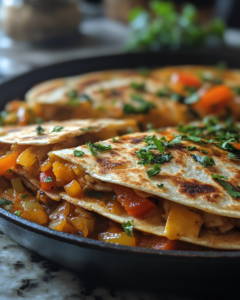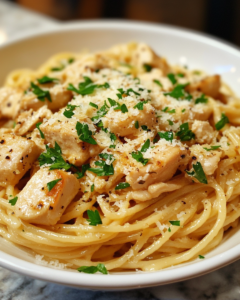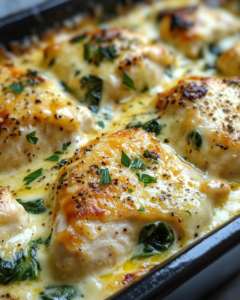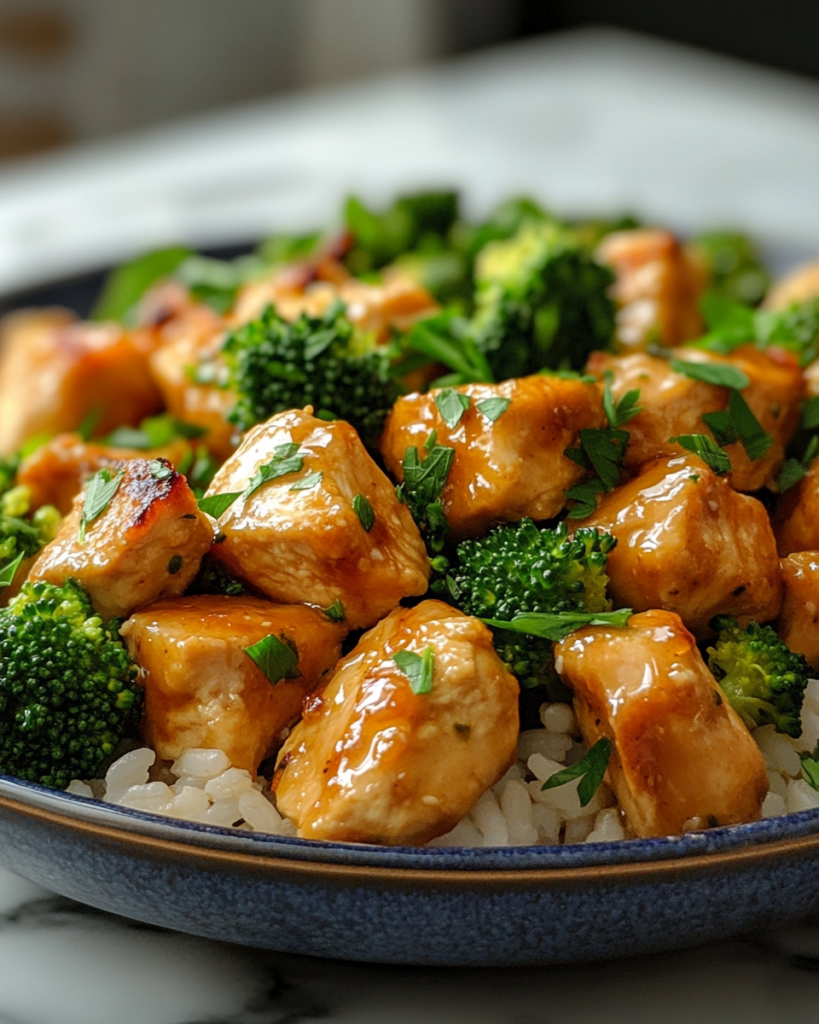
Honey Garlic Chicken Rice Skillet brings together tender chicken, fluffy rice, and a rich honey garlic sauce in one warm pan. The balance of sweet honey, savory garlic, and lightly toasted rice creates a comforting dinner that fits busy weeknights and relaxed family gatherings alike.
This skillet meal cooks in a single pan, which keeps cleanup simple while allowing every ingredient to absorb the rich sauce. The chicken stays juicy, the rice cooks with flavorful broth, and the garlic adds depth without overpowering the dish. Fresh herbs and crisp vegetables round out the texture, giving each spoonful a balanced finish.
The recipe works well for meal prep because the flavors settle beautifully after resting. Leftovers warm nicely for lunch the next day, and the skillet can easily be adjusted with seasonal vegetables or different cuts of chicken.
Ingredients Overview
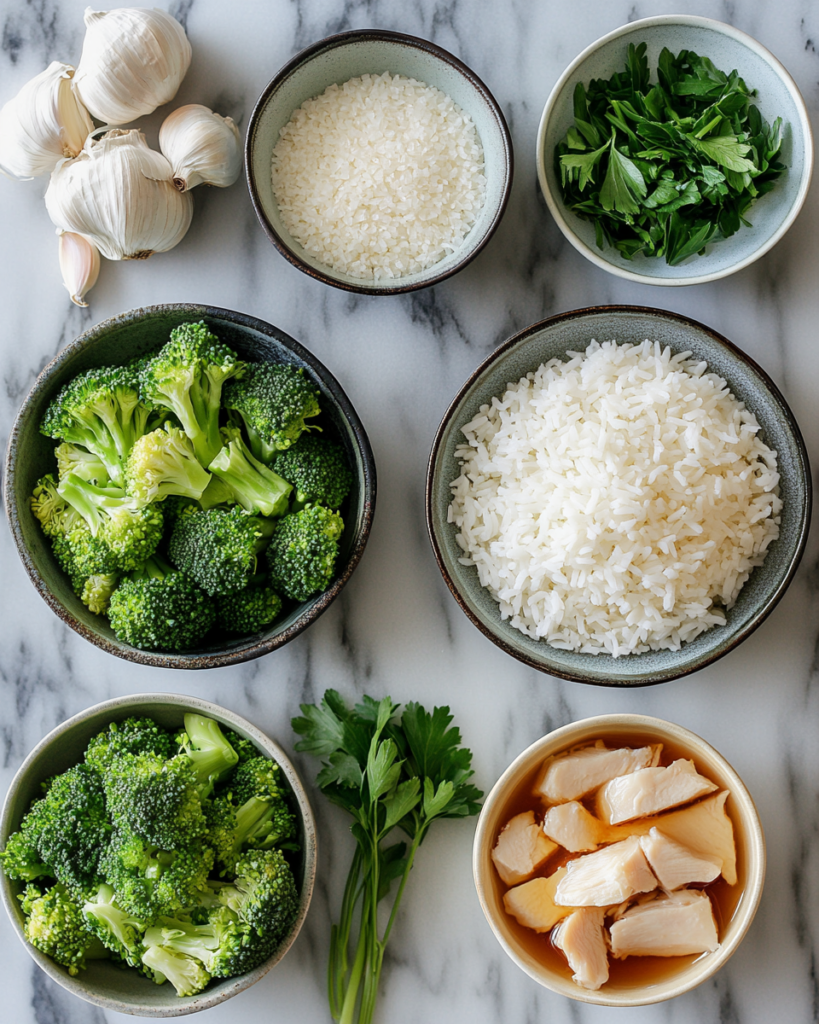
The heart of Honey Garlic Chicken Rice Skillet comes from a small group of pantry-friendly ingredients that cook together naturally. Boneless chicken thighs are often the preferred choice because they stay moist during simmering. Chicken breasts also work well if carefully cooked to avoid dryness.
Honey adds gentle sweetness and helps create a glossy sauce that coats the rice and chicken evenly. Fresh garlic brings savory depth and balances the sweetness. Soy sauce adds saltiness and rich color while chicken broth cooks the rice with extra flavor.
Long-grain white rice works particularly well because it stays fluffy and separate after simmering. Jasmine rice gives a slightly fragrant finish, while brown rice may be used with extra cooking time and additional broth.
Onion and bell pepper contribute texture and mild sweetness. Carrots or peas can also be added for color and extra substance. Olive oil helps brown the chicken properly and prevents sticking during cooking.
A small amount of butter near the end adds richness and helps the sauce settle into the rice. Fresh parsley or green onions brighten the finished skillet and balance the deeper savory notes.
For substitutions, maple syrup may replace honey for a slightly darker sweetness. Tamari can replace soy sauce for a gluten-free version. Chicken broth may be swapped with vegetable broth if preferred. The recipe remains flexible while still keeping the familiar honey garlic flavor that makes this skillet comforting and filling.
Ingredients
1 1/2 pounds boneless skinless chicken thighs, cut into bite-sized pieces
1 cup long-grain white rice
2 tablespoons olive oil
1 small onion, diced
1 red bell pepper, diced
3 cloves garlic, minced
1/4 cup honey
1/4 cup low-sodium soy sauce
2 cups chicken broth
1 tablespoon butter
1 teaspoon paprika
1/2 teaspoon salt
1/2 teaspoon black pepper
1/2 teaspoon dried thyme
1 cup frozen peas
2 tablespoons chopped parsley
2 green onions, sliced
Step-by-Step Instructions
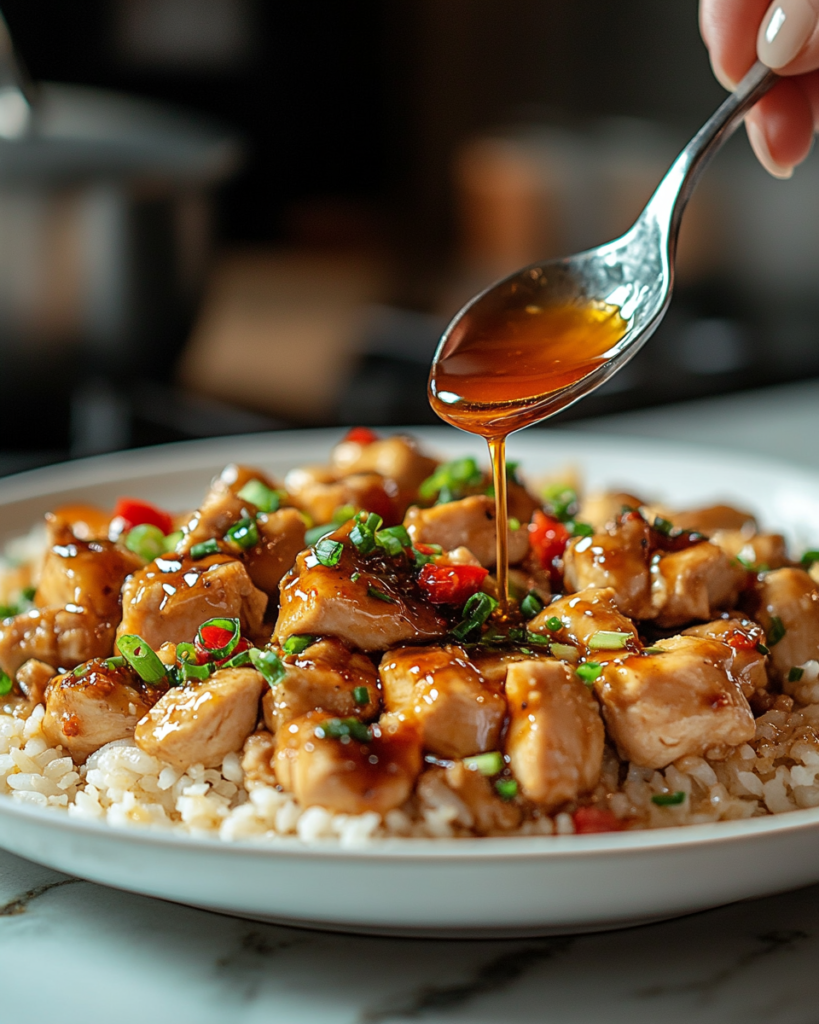
Pat the chicken pieces dry with paper towels before seasoning them with paprika, salt, black pepper, and thyme. Dry chicken browns far better than damp chicken, which helps create richer flavor in the skillet.
Warm a large deep skillet over medium-high heat and add the olive oil. Once the oil shimmers lightly, place the chicken into the pan in a single layer. Avoid crowding the skillet because tightly packed chicken steams instead of browning properly.
Cook the chicken for about 4 to 5 minutes, stirring occasionally, until golden around the edges. The pieces do not need to finish cooking fully during this stage because they will continue simmering later with the rice.
Transfer the chicken to a plate and reduce the heat slightly. Add the onion and bell pepper to the same skillet. Stir frequently for about 4 minutes until softened. Add the garlic and cook for another 30 seconds until fragrant. Garlic burns quickly, so keeping it moving in the pan prevents bitterness.
Pour in the honey and soy sauce, stirring to combine with the vegetables. Scrape the bottom of the skillet gently to release any browned bits left from the chicken. Those browned pieces contribute rich savory flavor to the finished dish.
Add the uncooked rice and stir for about 1 minute so the grains become lightly coated in the sauce mixture. This short step helps the rice cook evenly and keeps the texture fluffy rather than sticky.
Return the chicken to the skillet and pour in the chicken broth. Stir carefully, then bring the mixture to a gentle simmer. Once simmering, reduce the heat to low and cover the skillet tightly.
Cook for about 18 to 20 minutes without lifting the lid frequently. Constant stirring interrupts the steaming process and may leave the rice unevenly cooked.
Near the final few minutes of cooking, scatter the peas over the top and replace the lid. The residual heat warms the peas without making them mushy.
Once the rice becomes tender and most of the liquid is absorbed, remove the skillet from the heat. Stir in the butter for extra richness. Let the skillet rest uncovered for 5 minutes before serving so the sauce thickens slightly and the rice settles.
Finish with chopped parsley and sliced green onions for freshness and mild crunch.
Tips, Variations & Substitutions
Chicken thighs bring richer flavor, though chicken breast remains a leaner option. If using chicken breast, reduce the browning time slightly to help the meat stay juicy.
Brown rice may replace white rice, though the skillet will need roughly 10 to 15 additional minutes of simmering along with extra broth. Keep an eye on the liquid level during cooking so the rice softens fully.
For additional vegetables, broccoli florets, mushrooms, snap peas, or zucchini fit nicely into the skillet. Firmer vegetables should cook with the onions, while delicate vegetables should be added closer to the finish.
A touch of chili flakes or diced jalapeño gives the skillet mild heat that balances the honey well. Fresh ginger also pairs naturally with garlic and soy sauce.
If the sauce thickens too much during cooking, add a splash of warm broth before serving. If excess liquid remains after the rice finishes cooking, uncover the skillet and simmer gently for several minutes.
Leftovers should cool before refrigeration and stay fresh for up to three days. Reheat slowly with a spoonful of broth to keep the rice from drying out.
Serving Ideas & Occasions
Honey Garlic Chicken Rice Skillet fits casual dinners, meal prep lunches, and relaxed weekend gatherings. Since the meal already includes protein, rice, and vegetables, it works well as a complete one-pan dinner.
A crisp cucumber salad or lightly dressed cabbage slaw pairs nicely with the sweet garlic sauce. Roasted green beans or steamed broccoli also complement the savory flavors without making the meal overly heavy.
For drinks, sparkling water with lemon keeps the meal refreshing, while iced tea pairs comfortably with the honey-based sauce. During cooler months, warm herbal tea works nicely alongside the skillet.
The recipe suits family dinners because it cooks in one pan and serves several people comfortably. It also travels well for potlucks since the rice keeps its texture even after resting.
Nutritional & Health Notes
This skillet balances protein, carbohydrates, and vegetables in a filling yet approachable meal. Chicken provides protein that supports fullness, while rice supplies steady energy for a satisfying dinner.
Using low-sodium soy sauce helps keep the salt level moderate without losing savory flavor. Fresh vegetables add fiber, texture, and color to the dish while contributing vitamins and minerals.
Honey contributes sweetness with a smooth finish, though the quantity remains moderate across the full skillet. Those seeking a lighter version may slightly reduce the honey without affecting the cooking process significantly.
Chicken thighs contain slightly more fat than chicken breasts, though they also stay tender during simmering. Either option works depending on personal preference.
Cooking everything in one skillet also reduces the need for additional oils or heavy sauces. The finished meal feels hearty while still maintaining balanced portions of protein, grains, and vegetables.
FAQs
Can I prepare Honey Garlic Chicken Rice Skillet ahead of time?
Yes, this skillet works very well for advance preparation. The cooked rice absorbs even more flavor after resting overnight in the refrigerator, which gives leftovers a richer savory taste. Allow the skillet to cool fully before storing it in airtight containers. Refrigerated portions stay fresh for about three days.
For reheating, add a small spoonful of broth or water before warming the rice slowly on the stove or in the microwave. This keeps the rice from becoming dry. If preparing ahead for guests, the chicken and vegetables may also be browned earlier in the day so the final simmering process finishes faster before serving.
What type of rice works best for this recipe?
Long-grain white rice is usually the easiest option because it cooks evenly and stays fluffy. Jasmine rice also works beautifully and adds a lightly fragrant finish that pairs naturally with honey and garlic.
Short-grain rice tends to become softer and slightly sticky, which changes the skillet texture. Brown rice may also be used, though it requires extra broth and additional simmering time. Instant rice is not recommended because it cooks too quickly and may become overly soft before the sauce settles properly.
Rinsing rice before cooking can help remove extra starch and support a lighter texture in the finished skillet.
Can I freeze Honey Garlic Chicken Rice Skillet?
Yes, the skillet freezes fairly well for future meals. Let the cooked mixture cool completely before transferring it into freezer-safe containers. Properly stored portions usually keep their quality for about two months.
When reheating from frozen, thaw overnight in the refrigerator if possible. Warm the skillet gently with a splash of broth to restore moisture. Rice naturally absorbs liquid during storage, so the extra broth helps return the texture to a softer consistency.
Fresh herbs should ideally be added after reheating rather than before freezing because they lose brightness during long storage periods.
How can I keep the chicken tender?
Chicken stays tender when it is not overcrowded during browning. Giving the pieces enough space in the skillet allows proper caramelization rather than steaming. Medium-high heat also helps create a golden exterior without drying the inside.
Another helpful step involves removing the chicken briefly while the vegetables cook. This prevents overcooking before the rice finishes simmering. Chicken thighs naturally remain juicy during longer cooking times, though chicken breast can still stay tender when cut into evenly sized pieces and cooked carefully.
Allowing the skillet to rest for several minutes before serving also helps the juices settle back into the chicken.
Can I add extra vegetables?
Absolutely. This skillet adapts easily to many vegetables depending on the season or personal preference. Broccoli, mushrooms, carrots, spinach, zucchini, and snap peas all fit naturally with the honey garlic sauce.
Hard vegetables such as carrots should cook earlier alongside the onions. Quick-cooking vegetables like spinach or peas should be stirred in near the end so they remain bright and tender rather than overly soft.
Adding extra vegetables may slightly increase cooking moisture, so leaving the skillet uncovered briefly after simmering can help balance the consistency if needed.
Is this recipe spicy?
The standard version remains mild and family-friendly. Honey balances the garlic and soy sauce, creating a savory sweetness without noticeable heat. Those who enjoy stronger spice can stir chili flakes, hot sauce, or diced jalapeño into the sauce mixture.
A small amount of sriracha also pairs nicely with honey and garlic. Adding spice gradually works best because the heat becomes stronger as the skillet simmers.
Keeping the base recipe mild allows the flavors of the chicken, garlic, and rice to remain balanced while still allowing individual adjustments during serving.
What can I serve with Honey Garlic Chicken Rice Skillet?
Since the skillet already contains protein, grains, and vegetables, lighter side dishes usually pair best. Crisp salads with cucumber or cabbage provide refreshing contrast to the warm savory sauce.
Roasted vegetables such as broccoli, asparagus, or green beans also complement the meal nicely. For larger gatherings, soft dinner rolls or warm flatbread can round out the table comfortably.
Fresh fruit on the side offers a lighter finish after the rich garlic sauce. Simple drinks such as iced tea, sparkling water, or light citrus beverages pair naturally with the skillet without overpowering the flavors.