Mediterranean Lemon Chicken Thighs: 5 Authentic Comforts

Posted on

Uncategorized

Difficulty

Prep time

Cooking time

Total time

Servings

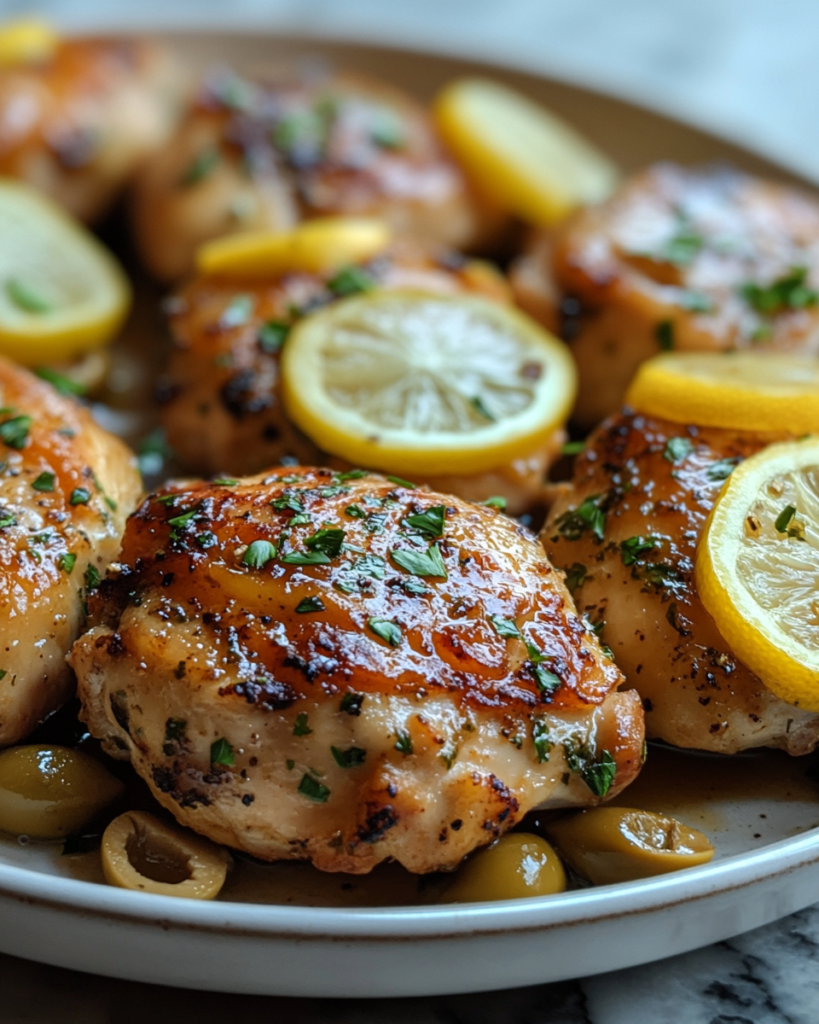
Mediterranean Lemon Chicken Thighs bring together citrus, garlic, olive oil, and herbs in a deeply satisfying skillet dinner suited for family suppers, relaxed gatherings, or Sunday table service. Tender chicken thighs absorb bright lemon juice while oregano, thyme, and paprika create layered savory character throughout the pan sauce.

This dish carries coastal character through simple pantry staples and balanced seasoning. Bone-in thighs remain juicy during roasting, while garlic softens into the sauce and onions turn silky beneath the chicken. A brief marinade gives the meat rich flavor without complicated preparation.

Warm roasted potatoes, rice pilaf, couscous, or grilled vegetables pair naturally alongside these lemon chicken thighs. Fresh parsley scattered over the finished skillet adds color and a clean herbal finish that balances the richness from the chicken skin.

Ingredients Overview
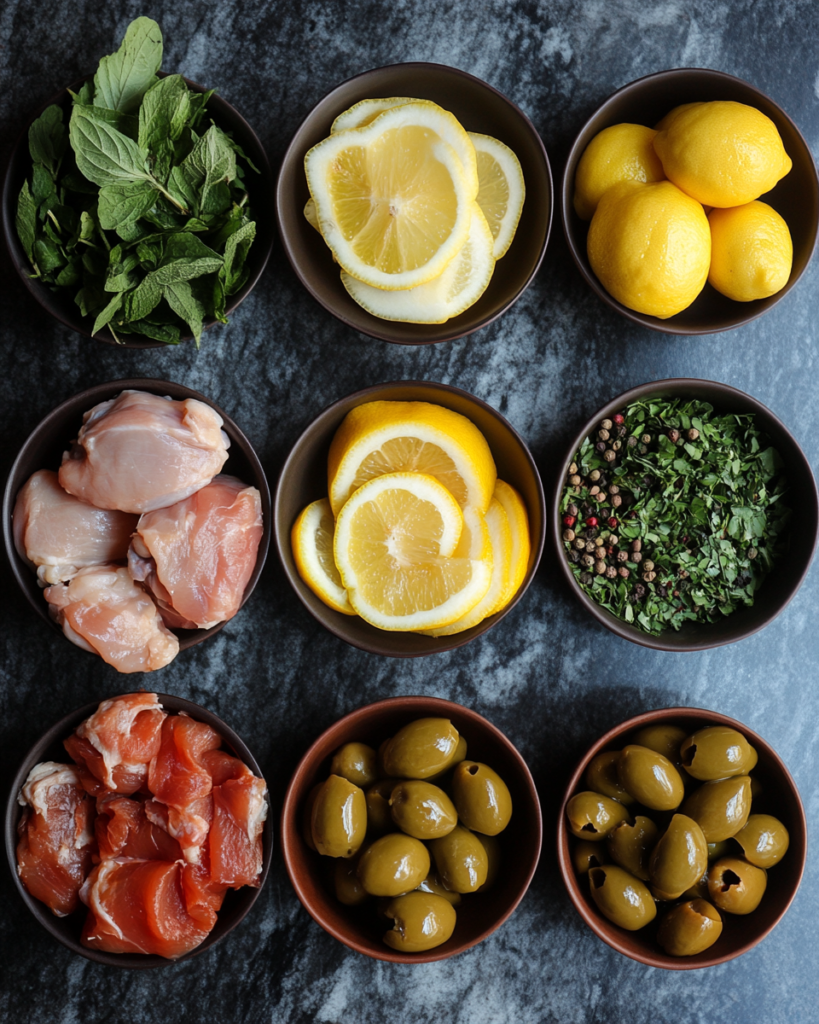
Chicken thighs form the foundation of this recipe because dark meat remains moist during high-heat roasting. Bone-in, skin-on thighs also create deeper savory flavor in the roasting pan compared with boneless cuts. The rendered fat blends with lemon juice and stock, forming a rich sauce that coats every bite.

Fresh lemon juice gives brightness and cuts through the richness of the chicken. Lemon zest contributes deeper citrus character without excessive sharpness. Garlic supplies savory depth, while onion softens beneath the chicken and enriches the pan juices during roasting.

Olive oil carries the herbs and seasoning across the meat surface. Mediterranean-style cooking often depends on olive oil for body and aroma, especially when paired with oregano and thyme. Dried oregano brings earthy notes, while thyme adds subtle floral character. Paprika contributes gentle warmth and color across the roasted skin.

Chicken stock rounds out the roasting liquid and keeps the onions from drying during oven cooking. Parsley stirred in near serving time freshens the finished dish and balances the richness from the rendered chicken fat.

Small substitutions work well here. Boneless thighs can replace bone-in pieces, though cooking time shortens slightly. Fresh oregano or rosemary can stand in for dried herbs. Yukon Gold potatoes may roast directly in the skillet for a complete one-pan supper. For additional citrus depth, thin lemon slices can roast alongside the chicken.

Ingredients

8 bone-in, skin-on chicken thighs
2 tablespoons olive oil
1 large lemon, zested
1/4 cup fresh lemon juice
6 garlic cloves, minced
1 medium yellow onion, sliced
1 teaspoon dried oregano
1 teaspoon dried thyme
1 teaspoon paprika
1 teaspoon kosher salt
1/2 teaspoon black pepper
1/2 cup chicken stock
2 tablespoons chopped fresh parsley
1 pound baby potatoes, halved
1 tablespoon olive oil for potatoes
1/2 teaspoon salt for potatoes
1/4 teaspoon black pepper for potatoes

Step-by-Step Instructions
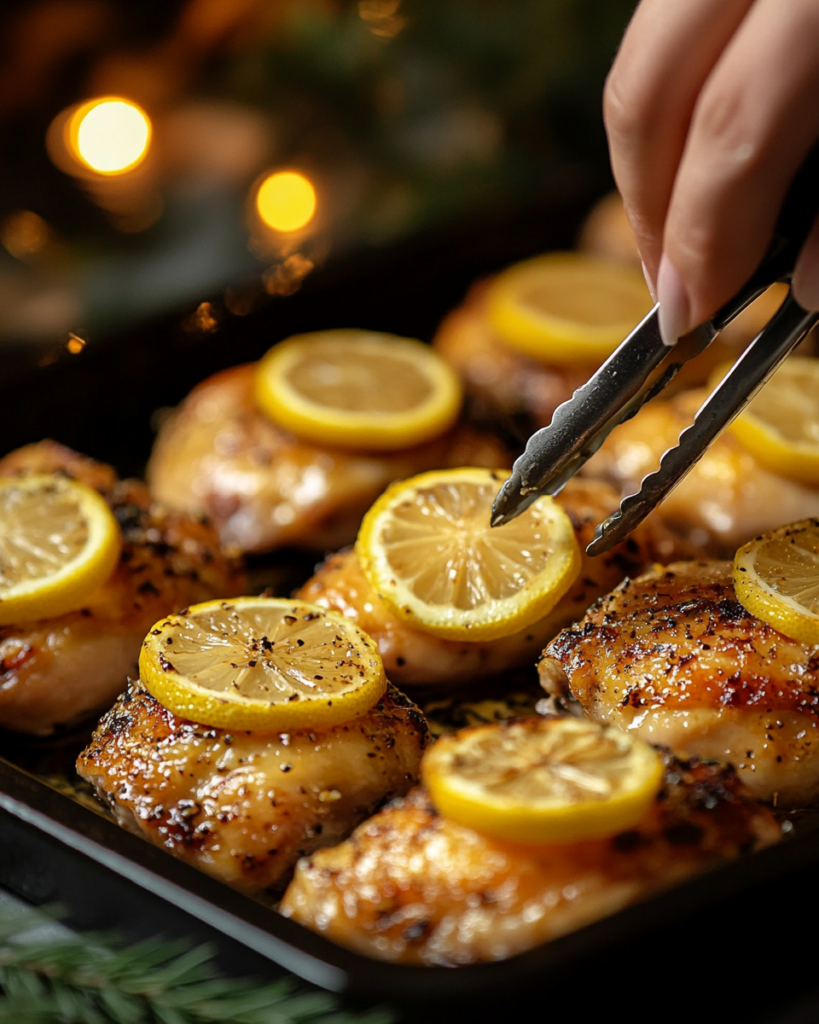
Preheat the oven to 425 degrees Fahrenheit. Pat the chicken thighs dry with paper towels so the skin roasts properly and develops a crisp exterior. Moisture left on the surface can prevent browning.

Place the chicken in a large bowl. Add olive oil, lemon zest, lemon juice, garlic, oregano, thyme, paprika, salt, and black pepper. Coat each thigh thoroughly with the marinade. Allow the chicken to rest for at least 20 minutes at room temperature. Longer resting time inside the refrigerator deepens flavor further.

Scatter sliced onions across the bottom of a large oven-safe skillet or roasting pan. Toss the halved potatoes with olive oil, salt, and pepper, then arrange them around the pan edges.

Place the marinated chicken thighs skin-side up over the onions and potatoes. Pour any remaining marinade across the skillet. Add chicken stock around the edges rather than directly over the skin so the surface remains crisp during roasting.

Transfer the skillet into the hot oven. Roast for 35 to 45 minutes, depending on thigh size. Halfway through cooking, rotate the pan for even browning. The chicken skin should appear deeply golden with crisp edges, while the potatoes turn tender inside with lightly browned surfaces.

An instant-read thermometer inserted near the thickest section should register 175 degrees Fahrenheit for juicy dark meat. Avoid removing the chicken too early, since thighs benefit from slightly higher finishing temperature compared with chicken breast.

If additional browning is preferred, place the skillet beneath the broiler for 2 to 3 minutes near the end of cooking. Watch carefully because the lemon marinade can darken quickly beneath intense heat.

Once fully roasted, remove the skillet from the oven and allow the chicken to rest for 5 minutes. Resting helps the juices settle inside the meat rather than spilling onto the plate immediately after cutting.

Scatter fresh parsley across the skillet before serving. Spoon the warm lemon pan juices over the chicken and potatoes for additional flavor.

A common issue with roasted chicken thighs involves overcrowding the pan. Tight spacing traps steam and softens the skin. Leave small gaps between each piece so heat circulates properly. Another frequent problem comes from insufficient seasoning. Because chicken thighs carry rich flavor naturally, proper salt balance keeps the lemon and herbs noticeable throughout the dish.

Tips, Variations & Substitutions

For deeper citrus character, add thin lemon slices directly into the roasting pan during the final 15 minutes of cooking. The slices soften and lightly caramelize around the edges, adding mild sweetness to the finished skillet.

Boneless chicken thighs work well in this recipe when shorter cooking time is preferred. Begin checking doneness around 25 minutes since boneless meat cooks faster than bone-in pieces.

Additional vegetables can roast alongside the chicken. Zucchini, bell peppers, cherry tomatoes, and artichoke hearts pair naturally with Mediterranean seasoning. Add softer vegetables later in the roasting process so they retain texture.

For dairy-free supper service, the original recipe already fits comfortably without adjustment. Gluten-free diners can pair the chicken with rice or roasted vegetables rather than bread or couscous.

Fresh herbs bring slightly brighter flavor than dried seasoning. Rosemary, dill, or basil can join the parsley garnish for additional aroma. Smoked paprika also contributes subtle depth without overwhelming the lemon profile.

Cast-iron skillets hold heat particularly well for this recipe and support crisp skin development. Stainless steel roasting pans also perform nicely when larger batch cooking becomes necessary.

Leftover chicken stores well for several days inside sealed containers. The meat can later appear in grain bowls, wraps, salads, or pasta dishes. Reheat gently with a spoonful of stock or water so the chicken remains moist.

Serving Ideas & Occasions

Mediterranean Lemon Chicken Thighs suit casual weeknight suppers along with larger family gatherings. The skillet presentation looks inviting at the table, particularly with roasted potatoes and fresh parsley scattered across the surface.

Rice pilaf, couscous, or warm flatbread pair naturally with the bright lemon sauce. Grilled asparagus, green beans, roasted carrots, or cucumber salad provide refreshing contrast beside the rich chicken thighs.

Sparkling water with lemon complements the citrus profile nicely. Iced herbal tea or light white wine also pairs comfortably alongside the savory herbs and garlic.

This dish works beautifully for Sunday supper, outdoor patio dining, or shared buffet-style meals because the chicken remains flavorful even after resting for several minutes. Since the preparation depends mostly on oven roasting, the recipe also suits busy evenings when hands-on cooking time needs limitation.

Nutritional & Health Notes

Chicken thighs provide substantial protein along with iron and several B vitamins. Dark meat contains slightly higher fat content than chicken breast, though much of the richness contributes flavor and satisfying texture.

Olive oil supplies heart-friendly unsaturated fats often associated with Mediterranean-style cooking patterns. Garlic, lemon, and herbs bring strong flavor without dependence on heavy cream or large quantities of butter.

Roasted potatoes contribute carbohydrates for balanced energy, while onions and parsley add additional nutrients and plant compounds. Pairing the chicken with vegetables or salad creates a balanced plate containing protein, fiber, and healthy fats.

Portion size remains important because chicken thighs naturally carry richer texture than leaner poultry cuts. Removing the skin before serving can reduce overall fat intake while still preserving much of the lemon-herb flavor within the meat itself.

FAQs

Can chicken breasts replace chicken thighs?

Chicken breasts can replace thighs, though the final texture differs noticeably. Thigh meat stays juicy during roasting because darker meat contains slightly higher fat content. Chicken breasts cook faster and can dry more easily if left in the oven too long. When substituting breasts, reduce roasting time and begin checking internal temperature around 25 minutes. Pull the chicken once the thickest section reaches 165 degrees Fahrenheit. Bone-in breasts usually remain juicier than boneless cuts. Adding additional olive oil or extra stock to the pan can also help maintain moisture during roasting.

How long can leftovers stay refrigerated?

Cooked Mediterranean Lemon Chicken Thighs generally remain fresh for up to four days when refrigerated inside airtight containers. Allow the chicken to cool slightly before storage, though it should enter refrigeration within two hours after cooking. Reheat gently inside a covered skillet or low-temperature oven with a small splash of stock or water. Microwaving works too, though the skin softens considerably during reheating. Leftover chicken can also appear cold inside salads, wraps, grain bowls, or pasta dishes throughout the week.

Can this recipe work on an outdoor grill?

This recipe adapts nicely for grilling. Marinate the chicken exactly as written, then grill the thighs over medium heat until fully cooked. Bone-in thighs usually require around 30 to 40 minutes depending on grill temperature. Keep the lid closed frequently so heat circulates evenly around the meat. Since lemon juice can darken rapidly over direct flame, occasional turning prevents scorching. Potatoes and onions can roast separately inside a grill-safe pan or foil packet beside the chicken.

Which herbs pair nicely with lemon chicken?

Oregano and thyme remain classic companions for lemon chicken because both herbs support citrus flavor without overpowering the dish. Rosemary contributes woodsy depth, while dill creates lighter herbal character. Parsley freshens the final skillet and balances the richness from the roasted chicken skin. Basil can also appear near serving time for gentle sweetness. Fresh herbs usually provide brighter aroma than dried seasoning, though dried herbs still perform very well during roasting since their flavor deepens gradually inside the pan juices.

Why are my chicken thighs not becoming crisp?

Soft chicken skin often results from excess moisture or overcrowded pans. Patting the thighs dry before marinating helps the skin roast properly. Spacing the chicken apart inside the skillet also matters because trapped steam prevents browning. Roasting at high heat supports crisp texture, while placing liquid directly over the skin can soften the surface. If the thighs still appear pale near the end of cooking, brief broiling for several minutes usually creates deeper browning and crisp edges.

Can potatoes cook alongside the chicken?

Potatoes roast beautifully beside the chicken and absorb the lemon-herb pan juices during cooking. Baby potatoes or Yukon Gold potatoes perform especially well because they become creamy inside while browning lightly on the exterior. Cutting larger potatoes into smaller pieces helps them cook evenly within the roasting time required for the chicken. Tossing the potatoes with olive oil, salt, and pepper before roasting helps their surfaces brown more evenly inside the skillet.

Is this dish suitable for meal preparation?

Mediterranean Lemon Chicken Thighs fit meal preparation very comfortably because the flavor often deepens after refrigeration overnight. Store cooked chicken, potatoes, and pan juices together inside meal containers for easier reheating later in the week. Rice, couscous, or roasted vegetables pair nicely for complete prepared lunches or suppers. Reheat portions gently to maintain moisture within the chicken. Fresh parsley or additional lemon juice added after reheating can refresh the flavor before serving.

………………..

[rank_math_breadcrumb]

Mediterranean Lemon Chicken Thighs: 5 Authentic Comforts

Photo of author
Author: Zoey
Published:

Mediterranean Lemon Chicken Thighs bring together citrus, garlic, olive oil, and herbs in a deeply satisfying skillet dinner suited for family suppers, relaxed gatherings, or Sunday table service. Tender chicken thighs absorb bright lemon juice while oregano, thyme, and paprika create layered savory character throughout the pan sauce.

This dish carries coastal character through simple pantry staples and balanced seasoning. Bone-in thighs remain juicy during roasting, while garlic softens into the sauce and onions turn silky beneath the chicken. A brief marinade gives the meat rich flavor without complicated preparation.

Warm roasted potatoes, rice pilaf, couscous, or grilled vegetables pair naturally alongside these lemon chicken thighs. Fresh parsley scattered over the finished skillet adds color and a clean herbal finish that balances the richness from the chicken skin.

Ingredients Overview

Chicken thighs form the foundation of this recipe because dark meat remains moist during high-heat roasting. Bone-in, skin-on thighs also create deeper savory flavor in the roasting pan compared with boneless cuts. The rendered fat blends with lemon juice and stock, forming a rich sauce that coats every bite.

Fresh lemon juice gives brightness and cuts through the richness of the chicken. Lemon zest contributes deeper citrus character without excessive sharpness. Garlic supplies savory depth, while onion softens beneath the chicken and enriches the pan juices during roasting.

Olive oil carries the herbs and seasoning across the meat surface. Mediterranean-style cooking often depends on olive oil for body and aroma, especially when paired with oregano and thyme. Dried oregano brings earthy notes, while thyme adds subtle floral character. Paprika contributes gentle warmth and color across the roasted skin.

Chicken stock rounds out the roasting liquid and keeps the onions from drying during oven cooking. Parsley stirred in near serving time freshens the finished dish and balances the richness from the rendered chicken fat.

Small substitutions work well here. Boneless thighs can replace bone-in pieces, though cooking time shortens slightly. Fresh oregano or rosemary can stand in for dried herbs. Yukon Gold potatoes may roast directly in the skillet for a complete one-pan supper. For additional citrus depth, thin lemon slices can roast alongside the chicken.

Ingredients

8 bone-in, skin-on chicken thighs
2 tablespoons olive oil
1 large lemon, zested
1/4 cup fresh lemon juice
6 garlic cloves, minced
1 medium yellow onion, sliced
1 teaspoon dried oregano
1 teaspoon dried thyme
1 teaspoon paprika
1 teaspoon kosher salt
1/2 teaspoon black pepper
1/2 cup chicken stock
2 tablespoons chopped fresh parsley
1 pound baby potatoes, halved
1 tablespoon olive oil for potatoes
1/2 teaspoon salt for potatoes
1/4 teaspoon black pepper for potatoes

Step-by-Step Instructions

Preheat the oven to 425 degrees Fahrenheit. Pat the chicken thighs dry with paper towels so the skin roasts properly and develops a crisp exterior. Moisture left on the surface can prevent browning.

Place the chicken in a large bowl. Add olive oil, lemon zest, lemon juice, garlic, oregano, thyme, paprika, salt, and black pepper. Coat each thigh thoroughly with the marinade. Allow the chicken to rest for at least 20 minutes at room temperature. Longer resting time inside the refrigerator deepens flavor further.

Scatter sliced onions across the bottom of a large oven-safe skillet or roasting pan. Toss the halved potatoes with olive oil, salt, and pepper, then arrange them around the pan edges.

Place the marinated chicken thighs skin-side up over the onions and potatoes. Pour any remaining marinade across the skillet. Add chicken stock around the edges rather than directly over the skin so the surface remains crisp during roasting.

Transfer the skillet into the hot oven. Roast for 35 to 45 minutes, depending on thigh size. Halfway through cooking, rotate the pan for even browning. The chicken skin should appear deeply golden with crisp edges, while the potatoes turn tender inside with lightly browned surfaces.

An instant-read thermometer inserted near the thickest section should register 175 degrees Fahrenheit for juicy dark meat. Avoid removing the chicken too early, since thighs benefit from slightly higher finishing temperature compared with chicken breast.

If additional browning is preferred, place the skillet beneath the broiler for 2 to 3 minutes near the end of cooking. Watch carefully because the lemon marinade can darken quickly beneath intense heat.

Once fully roasted, remove the skillet from the oven and allow the chicken to rest for 5 minutes. Resting helps the juices settle inside the meat rather than spilling onto the plate immediately after cutting.

Scatter fresh parsley across the skillet before serving. Spoon the warm lemon pan juices over the chicken and potatoes for additional flavor.

A common issue with roasted chicken thighs involves overcrowding the pan. Tight spacing traps steam and softens the skin. Leave small gaps between each piece so heat circulates properly. Another frequent problem comes from insufficient seasoning. Because chicken thighs carry rich flavor naturally, proper salt balance keeps the lemon and herbs noticeable throughout the dish.

Tips, Variations & Substitutions

For deeper citrus character, add thin lemon slices directly into the roasting pan during the final 15 minutes of cooking. The slices soften and lightly caramelize around the edges, adding mild sweetness to the finished skillet.

Boneless chicken thighs work well in this recipe when shorter cooking time is preferred. Begin checking doneness around 25 minutes since boneless meat cooks faster than bone-in pieces.

Additional vegetables can roast alongside the chicken. Zucchini, bell peppers, cherry tomatoes, and artichoke hearts pair naturally with Mediterranean seasoning. Add softer vegetables later in the roasting process so they retain texture.

For dairy-free supper service, the original recipe already fits comfortably without adjustment. Gluten-free diners can pair the chicken with rice or roasted vegetables rather than bread or couscous.

Fresh herbs bring slightly brighter flavor than dried seasoning. Rosemary, dill, or basil can join the parsley garnish for additional aroma. Smoked paprika also contributes subtle depth without overwhelming the lemon profile.

Cast-iron skillets hold heat particularly well for this recipe and support crisp skin development. Stainless steel roasting pans also perform nicely when larger batch cooking becomes necessary.

Leftover chicken stores well for several days inside sealed containers. The meat can later appear in grain bowls, wraps, salads, or pasta dishes. Reheat gently with a spoonful of stock or water so the chicken remains moist.

Serving Ideas & Occasions

Mediterranean Lemon Chicken Thighs suit casual weeknight suppers along with larger family gatherings. The skillet presentation looks inviting at the table, particularly with roasted potatoes and fresh parsley scattered across the surface.

Rice pilaf, couscous, or warm flatbread pair naturally with the bright lemon sauce. Grilled asparagus, green beans, roasted carrots, or cucumber salad provide refreshing contrast beside the rich chicken thighs.

Sparkling water with lemon complements the citrus profile nicely. Iced herbal tea or light white wine also pairs comfortably alongside the savory herbs and garlic.

This dish works beautifully for Sunday supper, outdoor patio dining, or shared buffet-style meals because the chicken remains flavorful even after resting for several minutes. Since the preparation depends mostly on oven roasting, the recipe also suits busy evenings when hands-on cooking time needs limitation.

Nutritional & Health Notes

Chicken thighs provide substantial protein along with iron and several B vitamins. Dark meat contains slightly higher fat content than chicken breast, though much of the richness contributes flavor and satisfying texture.

Olive oil supplies heart-friendly unsaturated fats often associated with Mediterranean-style cooking patterns. Garlic, lemon, and herbs bring strong flavor without dependence on heavy cream or large quantities of butter.

Roasted potatoes contribute carbohydrates for balanced energy, while onions and parsley add additional nutrients and plant compounds. Pairing the chicken with vegetables or salad creates a balanced plate containing protein, fiber, and healthy fats.

Portion size remains important because chicken thighs naturally carry richer texture than leaner poultry cuts. Removing the skin before serving can reduce overall fat intake while still preserving much of the lemon-herb flavor within the meat itself.

FAQs

Can chicken breasts replace chicken thighs?

Chicken breasts can replace thighs, though the final texture differs noticeably. Thigh meat stays juicy during roasting because darker meat contains slightly higher fat content. Chicken breasts cook faster and can dry more easily if left in the oven too long. When substituting breasts, reduce roasting time and begin checking internal temperature around 25 minutes. Pull the chicken once the thickest section reaches 165 degrees Fahrenheit. Bone-in breasts usually remain juicier than boneless cuts. Adding additional olive oil or extra stock to the pan can also help maintain moisture during roasting.

How long can leftovers stay refrigerated?

Cooked Mediterranean Lemon Chicken Thighs generally remain fresh for up to four days when refrigerated inside airtight containers. Allow the chicken to cool slightly before storage, though it should enter refrigeration within two hours after cooking. Reheat gently inside a covered skillet or low-temperature oven with a small splash of stock or water. Microwaving works too, though the skin softens considerably during reheating. Leftover chicken can also appear cold inside salads, wraps, grain bowls, or pasta dishes throughout the week.

Can this recipe work on an outdoor grill?

This recipe adapts nicely for grilling. Marinate the chicken exactly as written, then grill the thighs over medium heat until fully cooked. Bone-in thighs usually require around 30 to 40 minutes depending on grill temperature. Keep the lid closed frequently so heat circulates evenly around the meat. Since lemon juice can darken rapidly over direct flame, occasional turning prevents scorching. Potatoes and onions can roast separately inside a grill-safe pan or foil packet beside the chicken.

Which herbs pair nicely with lemon chicken?

Oregano and thyme remain classic companions for lemon chicken because both herbs support citrus flavor without overpowering the dish. Rosemary contributes woodsy depth, while dill creates lighter herbal character. Parsley freshens the final skillet and balances the richness from the roasted chicken skin. Basil can also appear near serving time for gentle sweetness. Fresh herbs usually provide brighter aroma than dried seasoning, though dried herbs still perform very well during roasting since their flavor deepens gradually inside the pan juices.

Why are my chicken thighs not becoming crisp?

Soft chicken skin often results from excess moisture or overcrowded pans. Patting the thighs dry before marinating helps the skin roast properly. Spacing the chicken apart inside the skillet also matters because trapped steam prevents browning. Roasting at high heat supports crisp texture, while placing liquid directly over the skin can soften the surface. If the thighs still appear pale near the end of cooking, brief broiling for several minutes usually creates deeper browning and crisp edges.

Can potatoes cook alongside the chicken?

Potatoes roast beautifully beside the chicken and absorb the lemon-herb pan juices during cooking. Baby potatoes or Yukon Gold potatoes perform especially well because they become creamy inside while browning lightly on the exterior. Cutting larger potatoes into smaller pieces helps them cook evenly within the roasting time required for the chicken. Tossing the potatoes with olive oil, salt, and pepper before roasting helps their surfaces brown more evenly inside the skillet.

Is this dish suitable for meal preparation?

Mediterranean Lemon Chicken Thighs fit meal preparation very comfortably because the flavor often deepens after refrigeration overnight. Store cooked chicken, potatoes, and pan juices together inside meal containers for easier reheating later in the week. Rice, couscous, or roasted vegetables pair nicely for complete prepared lunches or suppers. Reheat portions gently to maintain moisture within the chicken. Fresh parsley or additional lemon juice added after reheating can refresh the flavor before serving.

………………..

Name

Lorem ipsum dolor sit amet, consectetur adipiscing elit. Suspendisse varius enim in eros elementum tristique. Duis cursus, mi quis viverra ornare, eros dolor interdum nulla, ut commodo diam libero vitae erat.

You Might Also Like...

Chicken Quesadilla Skillet: 30-Minute Authentic Jubilant

Chicken Quesadilla Skillet: 30-Minute Authentic Jubilant

Garlic Butter Chicken Pasta: 5 Authentic, Grateful Bites

Garlic Butter Chicken Pasta: 5 Authentic, Grateful Bites

Creamy Spinach Chicken Bake: 5 Simple Comforting Meals

Creamy Spinach Chicken Bake: 5 Simple Comforting Meals

Sweet Chili Chicken Tacos: 7 Authentic Devoted Bites

Sweet Chili Chicken Tacos: 7 Authentic Devoted Bites

Tags:

You might also like these recipes

Leave a Comment