Sweet and Sour Chicken Bowls: 30-Minute Quick Cozy

Posted on

Uncategorized

Difficulty

Prep time

Cooking time

Total time

Servings

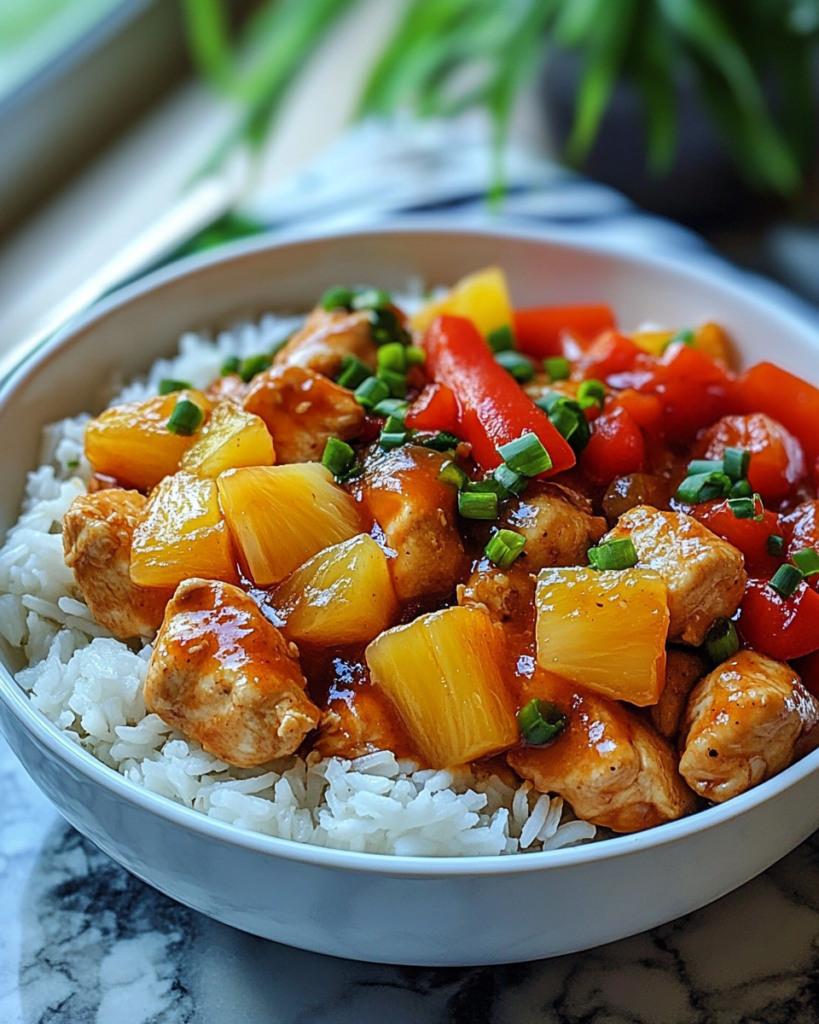
Sweet and Sour Chicken Bowls bring together crisp vegetables, tender chicken, fluffy rice, and a glossy sauce filled with balanced tangy flavor. This colorful dinner works well during busy weekdays because the entire meal comes together in one pan with simple preparation and dependable cooking steps.

The contrast between the savory chicken, juicy pineapple, and lightly caramelized peppers creates layers of flavor without requiring difficult kitchen skills. Each bowl contains protein, vegetables, and grains, creating a satisfying dinner that feels fresh yet comforting.

Homemade sweet and sour sauce carries a brighter taste than many restaurant versions because the balance of vinegar, pineapple juice, garlic, and soy sauce stays fully adjustable. The sauce lightly coats every ingredient instead of becoming heavy or overly sticky.

Rice bowls also allow flexible serving options. Families can add extra vegetables, switch the protein, or prepare components ahead for easier weeknight cooking. Leftovers reheat beautifully, which makes this recipe practical for meal preparation throughout the week.

Ingredients Overview
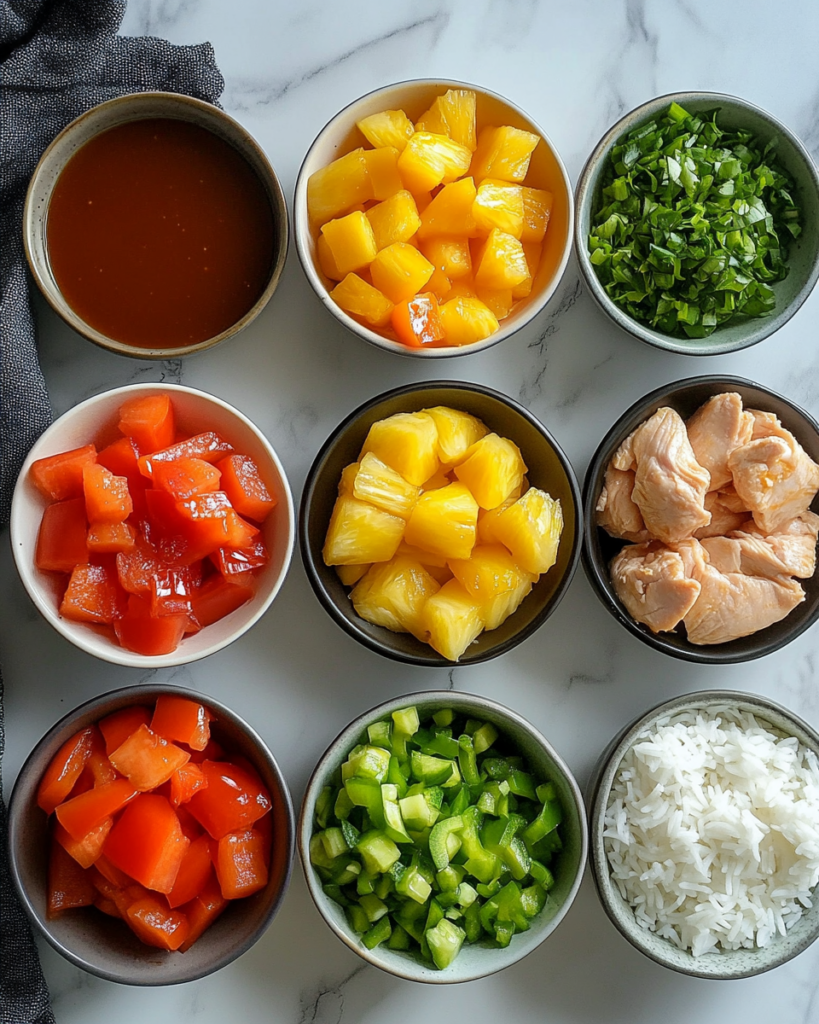
Chicken thighs remain a strong choice for Sweet and Sour Chicken Bowls because they stay juicy during high-heat cooking. Boneless skinless chicken breast also works well for a leaner option, though careful cooking helps prevent dryness. A light coating of cornstarch creates a delicate crust that helps the sauce cling to the chicken pieces.

Bell peppers contribute sweetness and texture while adding visual contrast throughout the bowl. Red and yellow peppers pair especially well with pineapple because their natural sugars deepen slightly during cooking. Onion adds savory depth and balances the sweeter ingredients.

Fresh pineapple provides bursts of bright flavor and juicy texture. Canned pineapple chunks packed in juice also work nicely when fresh pineapple is unavailable. Pineapple juice forms part of the sauce, helping carry the signature sweet and tangy profile associated with classic sweet and sour dishes.

The sauce relies on pantry staples including soy sauce, rice vinegar, brown sugar, garlic, ginger, ketchup, and cornstarch. Rice vinegar creates clean acidity without overwhelming the dish. Brown sugar softens the vinegar while supporting gentle caramelization during simmering.

Steamed jasmine rice offers soft texture beneath the saucy chicken mixture, though brown rice or cauliflower rice also fit nicely. Garnishes such as sliced green onion or sesame seeds bring freshness and subtle crunch during serving.

Ingredients

1 1/2 pounds boneless skinless chicken thighs, cut into bite-sized pieces
2 tablespoons cornstarch
1 teaspoon salt
1/2 teaspoon black pepper
2 tablespoons vegetable oil
1 red bell pepper, sliced
1 yellow bell pepper, sliced
1 medium onion, sliced
1 cup pineapple chunks
3 cloves garlic, minced
1 teaspoon grated fresh ginger

For the Sauce:

1/2 cup pineapple juice
1/4 cup low-sodium soy sauce
1/4 cup rice vinegar
1/3 cup brown sugar
2 tablespoons ketchup
1 tablespoon cornstarch
2 tablespoons water

For Serving:

4 cups cooked jasmine rice
2 green onions, sliced
1 tablespoon sesame seeds

Step-by-Step Instructions
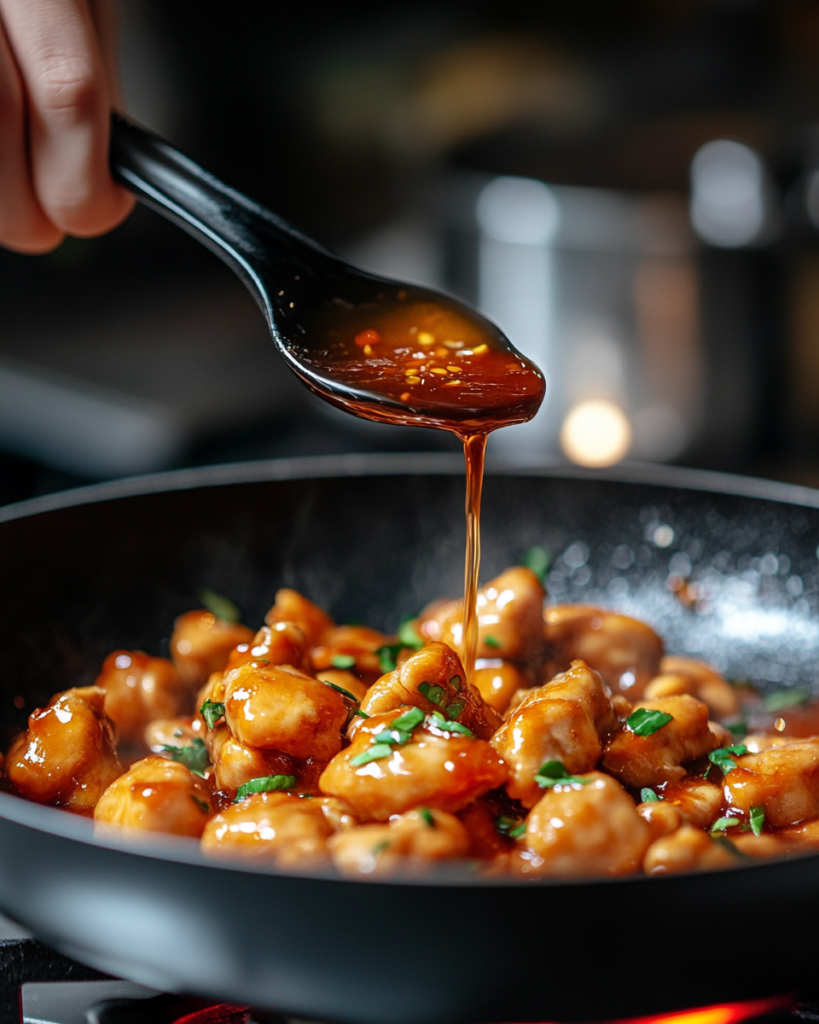
Begin by preparing the rice according to package directions so it stays warm during final assembly. Fluffy rice creates a soft base that absorbs the sauce beautifully without becoming soggy.

Place the chicken pieces into a large bowl. Sprinkle with cornstarch, salt, and black pepper, then toss thoroughly until every piece carries a thin coating. This light coating helps the chicken brown evenly while forming a slightly crisp surface.

Heat a large skillet or wok over medium-high heat. Add the vegetable oil and allow it to warm fully before adding the chicken. Crowding the pan prevents browning, so cook in batches if necessary. Spread the chicken into a single layer and cook for 4 to 5 minutes per side until golden and fully cooked through. Transfer the cooked chicken to a plate.

Add the sliced onion and bell peppers to the same skillet. Stir frequently for about 4 minutes until the vegetables soften slightly while still keeping gentle crunch. Stir in the garlic and ginger during the final minute to prevent scorching.

Return the chicken to the skillet along with the pineapple chunks. Stir carefully so the ingredients distribute evenly throughout the pan.

In a small bowl, whisk together pineapple juice, soy sauce, rice vinegar, brown sugar, and ketchup. In another small bowl, stir the cornstarch with water until smooth. Pour the sauce mixture into the skillet and bring it to a gentle simmer.

Once bubbling lightly, stir in the cornstarch slurry. Continue stirring for 2 to 3 minutes until the sauce thickens into a glossy coating. The sauce should cling lightly to the chicken rather than appearing watery.

Taste the sauce and adjust if desired. Additional vinegar creates sharper tanginess, while extra brown sugar softens acidity. Avoid adding too much liquid late in cooking because the sauce can lose its silky consistency.

Spoon warm rice into serving bowls. Top with the sweet and sour chicken mixture, allowing extra sauce to drizzle across the rice. Finish with sliced green onions and sesame seeds before serving.

A frequent cooking mistake involves overcooking the peppers until mushy. Slight firmness keeps the bowls fresher and prevents the vegetables from blending entirely into the sauce. Another common issue comes from overheating the sauce after thickening, which can cause it to become overly dense. Gentle simmering works best.

Tips, Variations & Substitutions

Chicken breast can replace chicken thighs for a leaner dinner, though shorter cooking time helps preserve tenderness. Shrimp also pairs beautifully with the sweet and sour sauce and cooks rapidly, making dinner preparation even faster.

Brown rice introduces a nuttier flavor while adding extra fiber. Cauliflower rice creates a lighter variation with fewer carbohydrates. Quinoa also works nicely because its texture stands up well beneath the glossy sauce.

Broccoli florets, snap peas, carrots, or zucchini can join the peppers for extra vegetable variety. Stir-fried vegetables should remain slightly crisp because softer vegetables release moisture that may thin the sauce.

For additional heat, stir crushed red pepper flakes or sliced fresh chili into the sauce. A small amount balances the sweetness without overpowering the dish.

Fresh pineapple delivers brighter flavor, though canned pineapple packed in juice provides dependable convenience. Avoid pineapple packed in syrup because the sauce can become overly sweet.

Meal preparation works particularly well with this recipe. Store cooked rice separately from the chicken mixture for fresher texture during reheating. The sauce thickens slightly in the refrigerator, though a splash of water during reheating restores the consistency easily.

Tamari can replace soy sauce for gluten-conscious cooking. Coconut sugar may substitute for brown sugar while contributing subtle caramel notes.

Serving Ideas & Occasions

Sweet and Sour Chicken Bowls fit comfortably into casual family dinners, relaxed weekend lunches, and meal-prep routines. Their colorful appearance also suits informal gatherings where guests appreciate customizable meals.

A crisp cucumber salad pairs beautifully beside the bowls because the cool freshness balances the warm tangy sauce. Lightly steamed edamame or roasted broccoli also complement the savory flavors without competing for attention.

Sparkling water with lime, iced green tea, or chilled citrus beverages pair nicely alongside the sweet and tangy sauce. During colder months, warm jasmine tea creates a cozy pairing that complements the ginger and garlic notes.

For larger gatherings, arrange the rice, chicken mixture, garnishes, and vegetables buffet-style so everyone can build individual bowls. This serving style works especially well for busy households because each person can adjust toppings according to preference.

Leftovers also travel well for packed lunches. The flavors deepen slightly overnight, creating an even richer sauce during reheating.

Nutritional & Health Notes

Sweet and Sour Chicken Bowls contain balanced portions of protein, vegetables, and carbohydrates, creating a satisfying meal with steady energy. Chicken contributes protein that supports fullness, while rice supplies comforting texture and lasting satisfaction.

Bell peppers and pineapple provide vitamin-rich ingredients alongside natural sweetness. Fresh vegetables also contribute fiber and vibrant color without requiring complicated preparation.

Preparing the sauce at home allows better control over sodium and sugar levels compared with many takeout versions. Lower-sodium soy sauce helps moderate salt content while still contributing savory flavor.

Using moderate oil during cooking keeps the dish lighter while still allowing proper browning. Additional vegetables can increase fiber and volume without drastically changing the flavor profile.

Brown rice or cauliflower rice can shift the nutritional balance depending on dietary preferences. Lean chicken breast lowers fat content, while chicken thighs contribute richer flavor and juicier texture.

Portion balance remains important because the sweet sauce naturally encourages larger servings. Pairing the chicken mixture with generous vegetables and measured rice portions creates a balanced bowl suitable for regular meal rotation.

FAQs

Can I prepare Sweet and Sour Chicken Bowls ahead of time?

Yes, these bowls work very well for meal preparation. Cook the rice and chicken mixture separately, then store them in airtight containers within the refrigerator for up to four days. Keeping the rice separate prevents the grains from absorbing too much sauce during storage. Reheat the chicken mixture gently in a skillet or microwave until hot throughout. If the sauce thickens too much after chilling, stir in a small splash of water while reheating. Fresh garnishes such as green onions or sesame seeds should remain separate until serving time so they keep their texture and flavor.

Which rice works best for these bowls?

Jasmine rice remains a favorite option because its soft texture and fragrant aroma pair naturally with sweet and tangy sauces. Long-grain white rice also performs nicely since the grains stay fluffy rather than sticky. Brown rice creates a heartier variation with slightly nutty flavor and additional fiber. For lighter meals, cauliflower rice provides a vegetable-based alternative that still absorbs the sauce effectively. Quinoa can also serve as a sturdy grain option. Regardless of the rice choice, fully cooked grains with gentle texture help support the saucy chicken mixture without becoming mushy.

Can frozen vegetables work in this recipe?

Frozen vegetables can absolutely work when fresh produce is unavailable. Bell pepper blends, broccoli, stir-fry vegetable mixes, and snap peas all pair nicely with the sauce. Since frozen vegetables release additional moisture during cooking, high heat helps maintain firmer texture while preventing watery sauce. Avoid overcooking because softer vegetables may lose color and structure quickly. Adding frozen vegetables directly from the freezer usually works better than thawing first. A slightly shorter cooking period keeps the vegetables vibrant and balanced beside the tender chicken and sweet pineapple.

How can I keep the chicken tender?

Tender chicken begins with proper cooking temperature and timing. Bite-sized pieces cook evenly and remain juicy more easily than large chunks. The light cornstarch coating protects the exterior while helping the sauce cling beautifully after simmering. Medium-high heat allows quick browning without prolonged cooking that can dry the meat. Chicken thighs naturally remain juicier because they contain slightly higher fat content. If using chicken breast, remove it from the skillet as soon as it reaches safe internal temperature. Returning the chicken briefly during sauce simmering helps maintain moisture and texture.

Is fresh pineapple better than canned pineapple?

Fresh pineapple carries brighter flavor and firmer texture, which many people enjoy in sweet and sour dishes. It also caramelizes slightly during cooking, adding deeper flavor complexity. Canned pineapple packed in juice remains a practical option that still delivers balanced sweetness and tangy flavor. Pineapple packed in syrup can create sauce that tastes overly sugary, so juice-packed versions generally work better. When using canned pineapple, reserve part of the juice for the sauce because it strengthens the classic sweet and sour flavor profile throughout the bowls.

Can this recipe become vegetarian?

Yes, several vegetarian substitutions fit beautifully within the sweet and sour flavor profile. Crispy tofu works especially well because it absorbs the sauce while maintaining pleasant texture. Tempeh also contributes hearty texture and savory flavor. Additional vegetables such as mushrooms, broccoli, snap peas, and carrots can increase volume and create satisfying texture variety. Vegetable broth may replace small amounts of liquid if needed during sauce adjustments. Serving the sweet and sour vegetables over rice or quinoa still creates a filling meal filled with contrasting flavors and textures.

Why did my sauce turn too thick or too thin?

Sauce texture depends mainly on heat level and cornstarch balance. Excessive simmering after thickening can create sauce that feels overly dense. If that happens, stir in small amounts of water or pineapple juice until the consistency loosens slightly. Thin sauce usually results from insufficient simmering or too little cornstarch slurry. Allowing the sauce several minutes to bubble gently activates the cornstarch fully. Measuring ingredients carefully also helps maintain proper consistency. The finished sauce should coat the chicken and vegetables lightly without appearing heavy or watery.

[rank_math_breadcrumb]

Sweet and Sour Chicken Bowls: 30-Minute Quick Cozy

Photo of author
Author: Zoey
Published:

Sweet and Sour Chicken Bowls bring together crisp vegetables, tender chicken, fluffy rice, and a glossy sauce filled with balanced tangy flavor. This colorful dinner works well during busy weekdays because the entire meal comes together in one pan with simple preparation and dependable cooking steps.

The contrast between the savory chicken, juicy pineapple, and lightly caramelized peppers creates layers of flavor without requiring difficult kitchen skills. Each bowl contains protein, vegetables, and grains, creating a satisfying dinner that feels fresh yet comforting.

Homemade sweet and sour sauce carries a brighter taste than many restaurant versions because the balance of vinegar, pineapple juice, garlic, and soy sauce stays fully adjustable. The sauce lightly coats every ingredient instead of becoming heavy or overly sticky.

Rice bowls also allow flexible serving options. Families can add extra vegetables, switch the protein, or prepare components ahead for easier weeknight cooking. Leftovers reheat beautifully, which makes this recipe practical for meal preparation throughout the week.

Ingredients Overview

Chicken thighs remain a strong choice for Sweet and Sour Chicken Bowls because they stay juicy during high-heat cooking. Boneless skinless chicken breast also works well for a leaner option, though careful cooking helps prevent dryness. A light coating of cornstarch creates a delicate crust that helps the sauce cling to the chicken pieces.

Bell peppers contribute sweetness and texture while adding visual contrast throughout the bowl. Red and yellow peppers pair especially well with pineapple because their natural sugars deepen slightly during cooking. Onion adds savory depth and balances the sweeter ingredients.

Fresh pineapple provides bursts of bright flavor and juicy texture. Canned pineapple chunks packed in juice also work nicely when fresh pineapple is unavailable. Pineapple juice forms part of the sauce, helping carry the signature sweet and tangy profile associated with classic sweet and sour dishes.

The sauce relies on pantry staples including soy sauce, rice vinegar, brown sugar, garlic, ginger, ketchup, and cornstarch. Rice vinegar creates clean acidity without overwhelming the dish. Brown sugar softens the vinegar while supporting gentle caramelization during simmering.

Steamed jasmine rice offers soft texture beneath the saucy chicken mixture, though brown rice or cauliflower rice also fit nicely. Garnishes such as sliced green onion or sesame seeds bring freshness and subtle crunch during serving.

Ingredients

1 1/2 pounds boneless skinless chicken thighs, cut into bite-sized pieces
2 tablespoons cornstarch
1 teaspoon salt
1/2 teaspoon black pepper
2 tablespoons vegetable oil
1 red bell pepper, sliced
1 yellow bell pepper, sliced
1 medium onion, sliced
1 cup pineapple chunks
3 cloves garlic, minced
1 teaspoon grated fresh ginger

For the Sauce:

1/2 cup pineapple juice
1/4 cup low-sodium soy sauce
1/4 cup rice vinegar
1/3 cup brown sugar
2 tablespoons ketchup
1 tablespoon cornstarch
2 tablespoons water

For Serving:

4 cups cooked jasmine rice
2 green onions, sliced
1 tablespoon sesame seeds

Step-by-Step Instructions

Begin by preparing the rice according to package directions so it stays warm during final assembly. Fluffy rice creates a soft base that absorbs the sauce beautifully without becoming soggy.

Place the chicken pieces into a large bowl. Sprinkle with cornstarch, salt, and black pepper, then toss thoroughly until every piece carries a thin coating. This light coating helps the chicken brown evenly while forming a slightly crisp surface.

Heat a large skillet or wok over medium-high heat. Add the vegetable oil and allow it to warm fully before adding the chicken. Crowding the pan prevents browning, so cook in batches if necessary. Spread the chicken into a single layer and cook for 4 to 5 minutes per side until golden and fully cooked through. Transfer the cooked chicken to a plate.

Add the sliced onion and bell peppers to the same skillet. Stir frequently for about 4 minutes until the vegetables soften slightly while still keeping gentle crunch. Stir in the garlic and ginger during the final minute to prevent scorching.

Return the chicken to the skillet along with the pineapple chunks. Stir carefully so the ingredients distribute evenly throughout the pan.

In a small bowl, whisk together pineapple juice, soy sauce, rice vinegar, brown sugar, and ketchup. In another small bowl, stir the cornstarch with water until smooth. Pour the sauce mixture into the skillet and bring it to a gentle simmer.

Once bubbling lightly, stir in the cornstarch slurry. Continue stirring for 2 to 3 minutes until the sauce thickens into a glossy coating. The sauce should cling lightly to the chicken rather than appearing watery.

Taste the sauce and adjust if desired. Additional vinegar creates sharper tanginess, while extra brown sugar softens acidity. Avoid adding too much liquid late in cooking because the sauce can lose its silky consistency.

Spoon warm rice into serving bowls. Top with the sweet and sour chicken mixture, allowing extra sauce to drizzle across the rice. Finish with sliced green onions and sesame seeds before serving.

A frequent cooking mistake involves overcooking the peppers until mushy. Slight firmness keeps the bowls fresher and prevents the vegetables from blending entirely into the sauce. Another common issue comes from overheating the sauce after thickening, which can cause it to become overly dense. Gentle simmering works best.

Tips, Variations & Substitutions

Chicken breast can replace chicken thighs for a leaner dinner, though shorter cooking time helps preserve tenderness. Shrimp also pairs beautifully with the sweet and sour sauce and cooks rapidly, making dinner preparation even faster.

Brown rice introduces a nuttier flavor while adding extra fiber. Cauliflower rice creates a lighter variation with fewer carbohydrates. Quinoa also works nicely because its texture stands up well beneath the glossy sauce.

Broccoli florets, snap peas, carrots, or zucchini can join the peppers for extra vegetable variety. Stir-fried vegetables should remain slightly crisp because softer vegetables release moisture that may thin the sauce.

For additional heat, stir crushed red pepper flakes or sliced fresh chili into the sauce. A small amount balances the sweetness without overpowering the dish.

Fresh pineapple delivers brighter flavor, though canned pineapple packed in juice provides dependable convenience. Avoid pineapple packed in syrup because the sauce can become overly sweet.

Meal preparation works particularly well with this recipe. Store cooked rice separately from the chicken mixture for fresher texture during reheating. The sauce thickens slightly in the refrigerator, though a splash of water during reheating restores the consistency easily.

Tamari can replace soy sauce for gluten-conscious cooking. Coconut sugar may substitute for brown sugar while contributing subtle caramel notes.

Serving Ideas & Occasions

Sweet and Sour Chicken Bowls fit comfortably into casual family dinners, relaxed weekend lunches, and meal-prep routines. Their colorful appearance also suits informal gatherings where guests appreciate customizable meals.

A crisp cucumber salad pairs beautifully beside the bowls because the cool freshness balances the warm tangy sauce. Lightly steamed edamame or roasted broccoli also complement the savory flavors without competing for attention.

Sparkling water with lime, iced green tea, or chilled citrus beverages pair nicely alongside the sweet and tangy sauce. During colder months, warm jasmine tea creates a cozy pairing that complements the ginger and garlic notes.

For larger gatherings, arrange the rice, chicken mixture, garnishes, and vegetables buffet-style so everyone can build individual bowls. This serving style works especially well for busy households because each person can adjust toppings according to preference.

Leftovers also travel well for packed lunches. The flavors deepen slightly overnight, creating an even richer sauce during reheating.

Nutritional & Health Notes

Sweet and Sour Chicken Bowls contain balanced portions of protein, vegetables, and carbohydrates, creating a satisfying meal with steady energy. Chicken contributes protein that supports fullness, while rice supplies comforting texture and lasting satisfaction.

Bell peppers and pineapple provide vitamin-rich ingredients alongside natural sweetness. Fresh vegetables also contribute fiber and vibrant color without requiring complicated preparation.

Preparing the sauce at home allows better control over sodium and sugar levels compared with many takeout versions. Lower-sodium soy sauce helps moderate salt content while still contributing savory flavor.

Using moderate oil during cooking keeps the dish lighter while still allowing proper browning. Additional vegetables can increase fiber and volume without drastically changing the flavor profile.

Brown rice or cauliflower rice can shift the nutritional balance depending on dietary preferences. Lean chicken breast lowers fat content, while chicken thighs contribute richer flavor and juicier texture.

Portion balance remains important because the sweet sauce naturally encourages larger servings. Pairing the chicken mixture with generous vegetables and measured rice portions creates a balanced bowl suitable for regular meal rotation.

FAQs

Can I prepare Sweet and Sour Chicken Bowls ahead of time?

Yes, these bowls work very well for meal preparation. Cook the rice and chicken mixture separately, then store them in airtight containers within the refrigerator for up to four days. Keeping the rice separate prevents the grains from absorbing too much sauce during storage. Reheat the chicken mixture gently in a skillet or microwave until hot throughout. If the sauce thickens too much after chilling, stir in a small splash of water while reheating. Fresh garnishes such as green onions or sesame seeds should remain separate until serving time so they keep their texture and flavor.

Which rice works best for these bowls?

Jasmine rice remains a favorite option because its soft texture and fragrant aroma pair naturally with sweet and tangy sauces. Long-grain white rice also performs nicely since the grains stay fluffy rather than sticky. Brown rice creates a heartier variation with slightly nutty flavor and additional fiber. For lighter meals, cauliflower rice provides a vegetable-based alternative that still absorbs the sauce effectively. Quinoa can also serve as a sturdy grain option. Regardless of the rice choice, fully cooked grains with gentle texture help support the saucy chicken mixture without becoming mushy.

Can frozen vegetables work in this recipe?

Frozen vegetables can absolutely work when fresh produce is unavailable. Bell pepper blends, broccoli, stir-fry vegetable mixes, and snap peas all pair nicely with the sauce. Since frozen vegetables release additional moisture during cooking, high heat helps maintain firmer texture while preventing watery sauce. Avoid overcooking because softer vegetables may lose color and structure quickly. Adding frozen vegetables directly from the freezer usually works better than thawing first. A slightly shorter cooking period keeps the vegetables vibrant and balanced beside the tender chicken and sweet pineapple.

How can I keep the chicken tender?

Tender chicken begins with proper cooking temperature and timing. Bite-sized pieces cook evenly and remain juicy more easily than large chunks. The light cornstarch coating protects the exterior while helping the sauce cling beautifully after simmering. Medium-high heat allows quick browning without prolonged cooking that can dry the meat. Chicken thighs naturally remain juicier because they contain slightly higher fat content. If using chicken breast, remove it from the skillet as soon as it reaches safe internal temperature. Returning the chicken briefly during sauce simmering helps maintain moisture and texture.

Is fresh pineapple better than canned pineapple?

Fresh pineapple carries brighter flavor and firmer texture, which many people enjoy in sweet and sour dishes. It also caramelizes slightly during cooking, adding deeper flavor complexity. Canned pineapple packed in juice remains a practical option that still delivers balanced sweetness and tangy flavor. Pineapple packed in syrup can create sauce that tastes overly sugary, so juice-packed versions generally work better. When using canned pineapple, reserve part of the juice for the sauce because it strengthens the classic sweet and sour flavor profile throughout the bowls.

Can this recipe become vegetarian?

Yes, several vegetarian substitutions fit beautifully within the sweet and sour flavor profile. Crispy tofu works especially well because it absorbs the sauce while maintaining pleasant texture. Tempeh also contributes hearty texture and savory flavor. Additional vegetables such as mushrooms, broccoli, snap peas, and carrots can increase volume and create satisfying texture variety. Vegetable broth may replace small amounts of liquid if needed during sauce adjustments. Serving the sweet and sour vegetables over rice or quinoa still creates a filling meal filled with contrasting flavors and textures.

Why did my sauce turn too thick or too thin?

Sauce texture depends mainly on heat level and cornstarch balance. Excessive simmering after thickening can create sauce that feels overly dense. If that happens, stir in small amounts of water or pineapple juice until the consistency loosens slightly. Thin sauce usually results from insufficient simmering or too little cornstarch slurry. Allowing the sauce several minutes to bubble gently activates the cornstarch fully. Measuring ingredients carefully also helps maintain proper consistency. The finished sauce should coat the chicken and vegetables lightly without appearing heavy or watery.
Name

Lorem ipsum dolor sit amet, consectetur adipiscing elit. Suspendisse varius enim in eros elementum tristique. Duis cursus, mi quis viverra ornare, eros dolor interdum nulla, ut commodo diam libero vitae erat.

You Might Also Like...

Chicken Quesadilla Skillet: 30-Minute Authentic Jubilant

Chicken Quesadilla Skillet: 30-Minute Authentic Jubilant

Garlic Butter Chicken Pasta: 5 Authentic, Grateful Bites

Garlic Butter Chicken Pasta: 5 Authentic, Grateful Bites

Creamy Spinach Chicken Bake: 5 Simple Comforting Meals

Creamy Spinach Chicken Bake: 5 Simple Comforting Meals

Sweet Chili Chicken Tacos: 7 Authentic Devoted Bites

Sweet Chili Chicken Tacos: 7 Authentic Devoted Bites

Tags:

You might also like these recipes

Leave a Comment