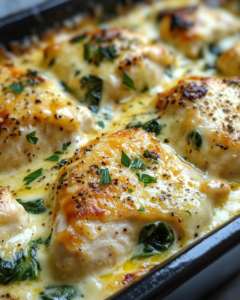
Chicken Alfredo Orzo Skillet: 30-Minute Wonderful Comfort

Posted on

Uncategorized

Difficulty

Prep time

Cooking time

Total time

Servings

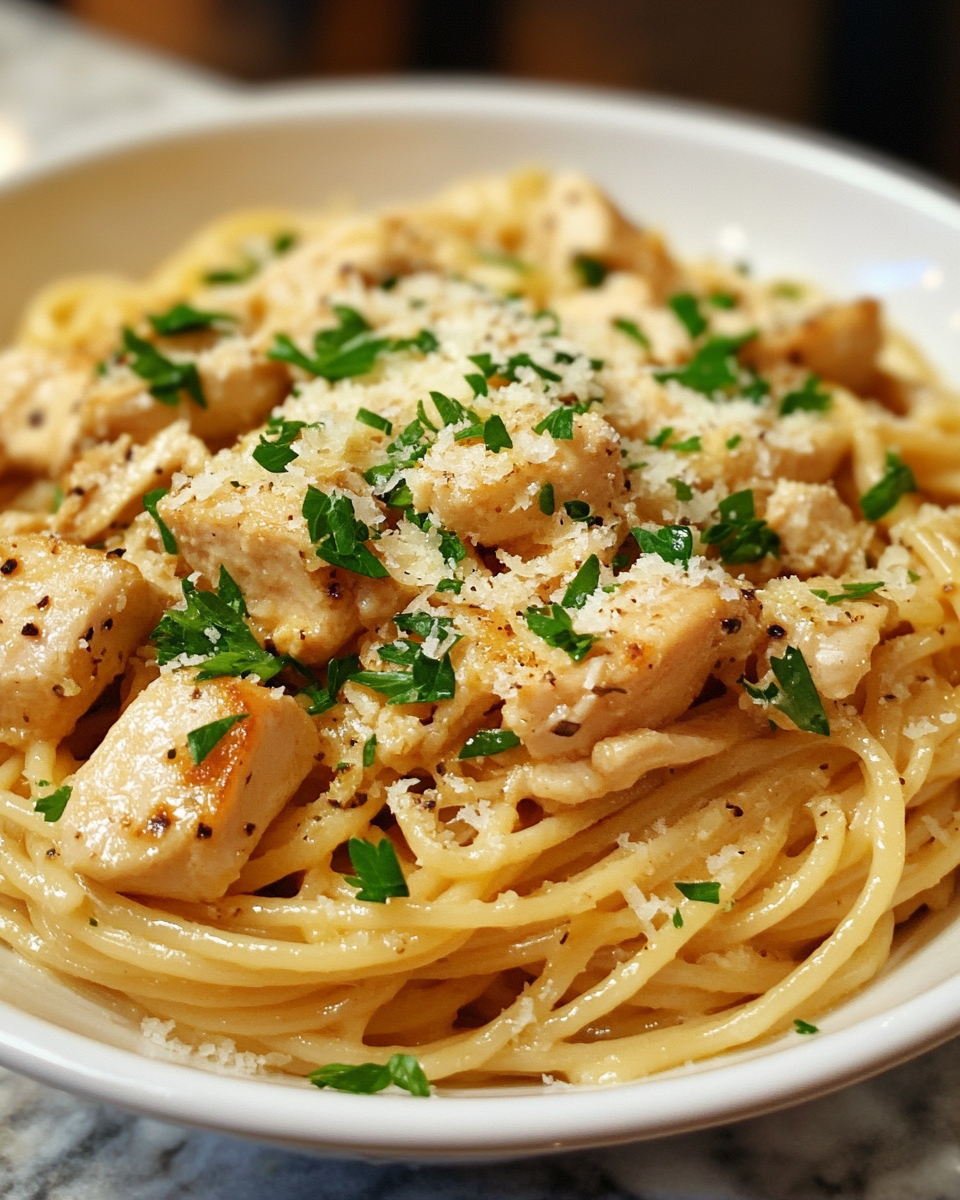
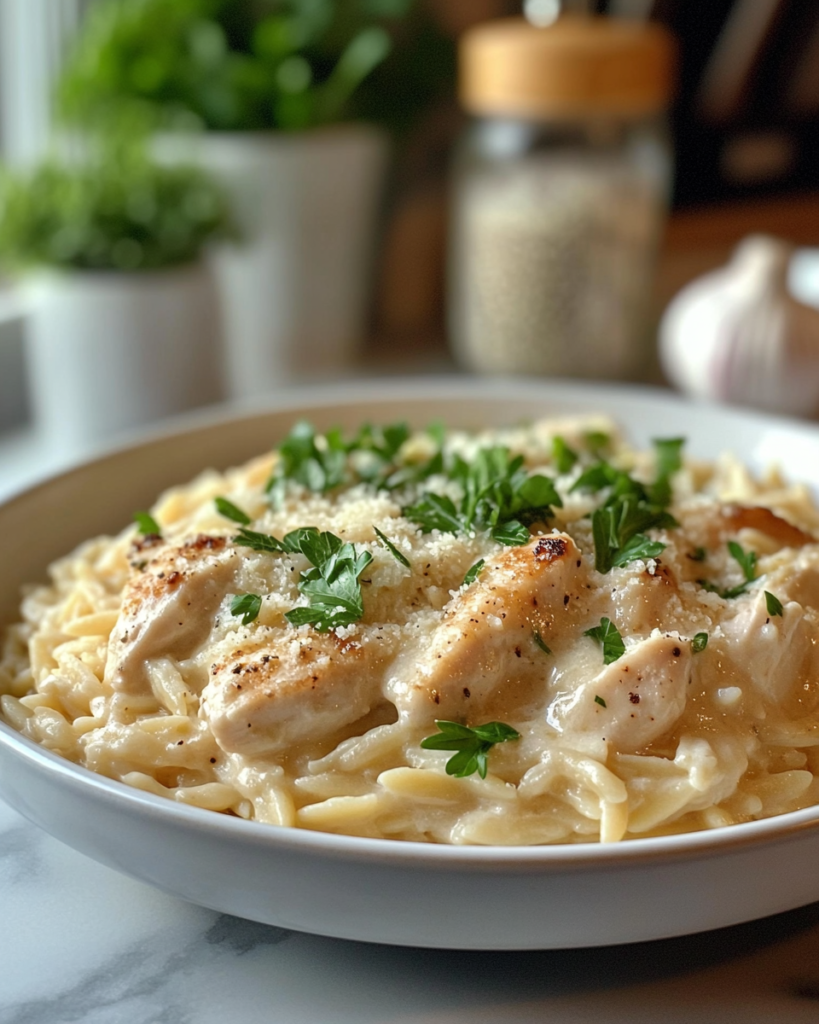
Chicken Alfredo Orzo Skillet brings creamy pasta, tender chicken, garlic, and parmesan together in a single pan that suits busy weeknights or relaxed family dinners. The orzo cooks directly in the rich sauce, giving every spoonful a silky texture packed with savory flavor. Since everything cooks in the same skillet, cleanup stays simple while the dish develops deep flavor from the browned chicken and aromatic garlic.

This comforting meal balances creamy Alfredo sauce with hearty chicken and delicate pasta for a dinner that feels cozy without requiring hours in the kitchen. Fresh parsley and parmesan finish the skillet with brightness and richness, while a touch of Italian seasoning rounds out the flavor beautifully.

The dish works well for casual dinners, meal prep, or small gatherings. Since the sauce thickens naturally as the orzo cooks, the final texture becomes creamy and satisfying without heavy preparation. A large skillet and a handful of pantry staples create a warm dinner that feels homemade and filling.

Ingredients Overview
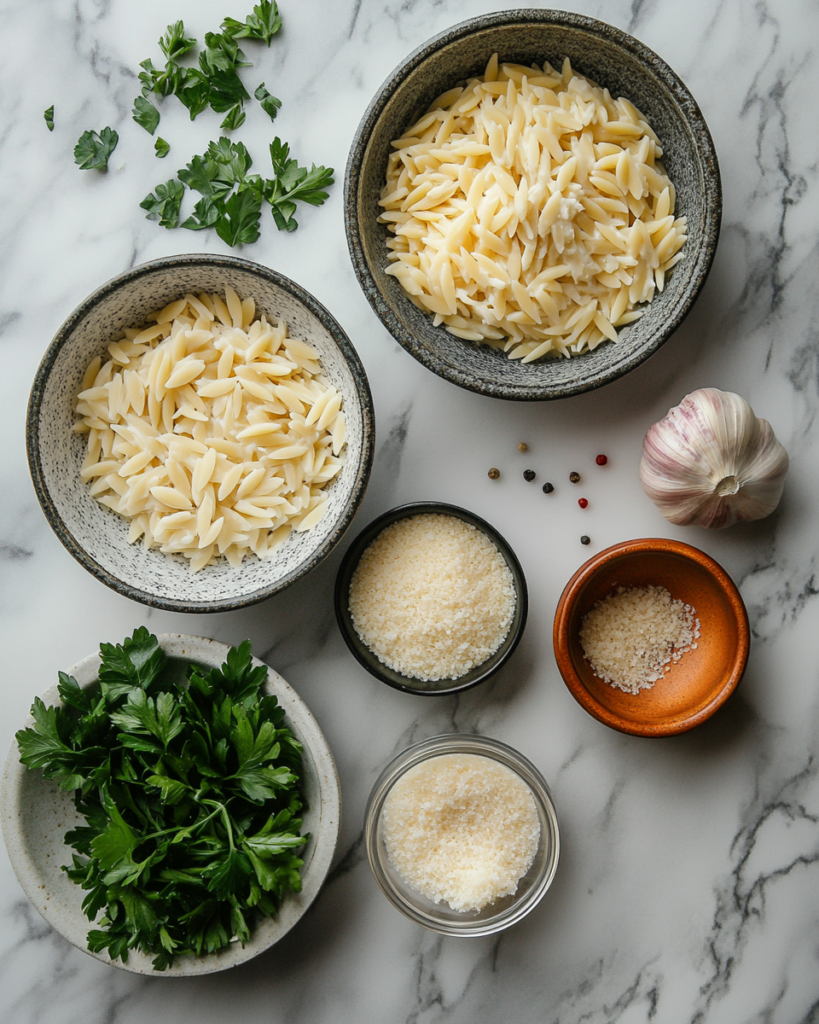
Chicken Alfredo Orzo Skillet relies on straightforward ingredients that blend into a creamy, savory skillet dinner. Boneless skinless chicken breast forms the hearty base of the dish. When cut into bite-sized pieces, the chicken cooks quickly while staying tender inside. Chicken thighs also work nicely for a slightly richer flavor and softer texture.

Orzo pasta gives the skillet its creamy consistency. Although orzo resembles rice, it cooks like pasta and absorbs the Alfredo sauce beautifully. Since the pasta cooks directly in the broth and cream, each piece becomes flavorful from the inside out. Arborio rice can replace orzo in a pinch, though the cooking period becomes slightly longer.

Garlic plays a major role in building savory depth. Fresh minced garlic creates a richer aroma than garlic powder, though both can work. Heavy cream and parmesan cheese create the classic Alfredo texture. Freshly grated parmesan melts smoothly and creates a velvety sauce, while pre-shredded cheese may leave a grainier consistency.

Chicken broth balances the richness from the cream and cheese. Italian seasoning adds gentle herbal flavor without overpowering the sauce. A small amount of butter gives the skillet a silky finish, while olive oil helps brown the chicken properly.

Fresh parsley brightens the finished dish with color and freshness. Spinach, mushrooms, or broccoli can also join the skillet for extra texture and flavor. Since the dish cooks in stages within the same pan, every ingredient contributes directly to the final creamy consistency.

Ingredients

1 1/2 pounds boneless skinless chicken breast, cubed
2 tablespoons olive oil
2 tablespoons butter
1 teaspoon salt
1/2 teaspoon black pepper
1 teaspoon Italian seasoning
4 cloves garlic, minced
1 1/2 cups uncooked orzo pasta
3 cups chicken broth
1 cup heavy cream
1 cup freshly grated parmesan cheese
1/2 teaspoon onion powder
1/4 teaspoon crushed red pepper flakes
1 cup fresh spinach
2 tablespoons chopped parsley
Extra parmesan for serving

Step-by-Step Instructions
Pat the chicken dry with paper towels before seasoning it with salt, black pepper, and Italian seasoning. Dry chicken browns better and creates richer flavor inside the skillet. Heat a large deep skillet over medium-high heat and add the olive oil.

Place the chicken pieces into the hot skillet in a single layer. Cook for about 4 to 5 minutes, stirring occasionally, until golden brown along the edges and fully cooked inside. Avoid overcrowding the pan since crowded chicken releases moisture and steams instead of browning. Transfer the cooked chicken onto a plate and set aside.

Reduce the heat to medium. Add butter to the skillet, followed by the minced garlic. Stir constantly for about 30 seconds until fragrant. Garlic burns quickly, so avoid leaving it unattended.

Pour the uncooked orzo into the skillet and stir it through the butter and garlic mixture. Toasting the orzo for a minute adds a slightly nutty flavor and helps the pasta hold its texture during cooking.

Slowly pour in the chicken broth while stirring to lift the browned bits from the bottom of the skillet. Those browned bits contain concentrated savory flavor that enriches the sauce. Stir in the onion powder and crushed red pepper flakes.

Bring the mixture to a gentle simmer. Reduce the heat slightly and cook uncovered for about 10 minutes, stirring often so the orzo does not stick. The pasta gradually absorbs the broth while releasing starch that thickens the sauce naturally.

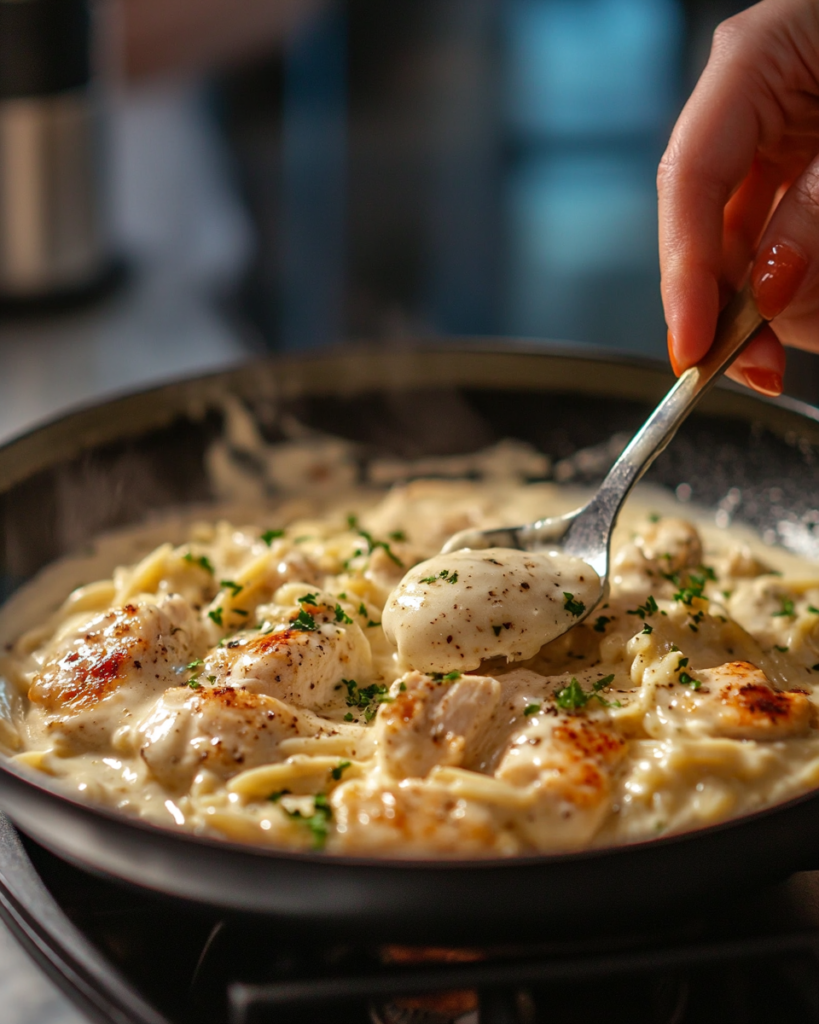
Once the orzo becomes tender, lower the heat and pour in the heavy cream. Stir gently until fully combined. Add the parmesan cheese in small handfuls, stirring continuously so the cheese melts smoothly into the sauce. Adding cheese too quickly may create clumps instead of a creamy finish.

Return the cooked chicken and any juices back into the skillet. Stir in the spinach and allow it to wilt for 1 to 2 minutes. The sauce should appear creamy and coat the pasta evenly. If the mixture becomes too thick, add a splash of warm broth.

Taste the skillet and adjust seasoning if needed. Sprinkle chopped parsley across the top along with extra parmesan before serving. Serve immediately while the sauce remains creamy and silky.

Tips, Variations & Substitutions

Freshly grated parmesan melts much smoother than packaged shredded cheese. Since packaged cheese often contains anti-caking ingredients, the sauce may turn grainy rather than silky.

Chicken thighs create a richer skillet with softer texture, while chicken breast keeps the dish slightly lighter. Rotisserie chicken also works nicely for quicker preparation. Simply stir the cooked chicken into the sauce near the end of cooking.

For extra vegetables, stir broccoli florets, mushrooms, peas, or chopped sun-dried tomatoes into the skillet. Broccoli should cook briefly in the broth before the cream joins the pan so it softens properly.

Half-and-half can replace heavy cream for a lighter texture, though the sauce becomes slightly thinner. A splash of reserved pasta water or warm broth helps loosen the sauce if leftovers thicken inside the refrigerator.

Cajun seasoning creates a spicier version with deeper smoky flavor. Crispy bacon pieces also pair nicely with the creamy sauce and tender orzo.

Since orzo absorbs liquid quickly, stir the skillet often during cooking. Frequent stirring prevents sticking and helps the sauce develop its creamy consistency naturally.

Serving Ideas & Occasions

Chicken Alfredo Orzo Skillet pairs beautifully with garlic bread, roasted asparagus, Caesar salad, or warm dinner rolls. A crisp green salad balances the richness from the creamy sauce while roasted vegetables bring extra texture to the meal.

Sparkling water with lemon or iced tea works nicely alongside the savory pasta. For relaxed gatherings, the skillet can sit directly on the table for family-style serving.

This dish suits busy weekday dinners because it cooks quickly and uses only a single pan. It also works well for casual weekend meals, potlucks, or cozy cold-weather suppers. Since the leftovers reheat nicely, the recipe fits meal prep schedules too.

The creamy texture and hearty chicken make the skillet especially comforting during cooler months, though the fresh parsley and spinach keep the meal from feeling overly heavy.

Nutritional & Health Notes

Chicken Alfredo Orzo Skillet provides protein from chicken along with carbohydrates from the pasta for a balanced and filling dinner. Parmesan cheese contributes calcium and savory depth, while spinach adds vitamins and freshness.

Heavy cream creates the rich Alfredo texture, though lighter dairy options can reduce the overall richness slightly. Using lean chicken breast keeps the meal hearty while limiting extra fat.

Since the dish cooks entirely in a single skillet, very little extra oil becomes necessary beyond browning the chicken properly. Fresh garlic and herbs add flavor naturally without relying entirely on additional salt.

Portion size plays a major role with creamy pasta dishes. Pairing the skillet with vegetables or salad creates a balanced plate with contrasting textures and freshness.

Leftovers store well inside an airtight container for several days. Reheating slowly with a splash of broth or milk helps restore the creamy consistency without drying out the pasta.

FAQs

Can I prepare Chicken Alfredo Orzo Skillet ahead of time?

Yes, this skillet works nicely for advance preparation. The chicken can be cooked and refrigerated a day earlier, which shortens dinner preparation considerably. The full dish also reheats well, though the orzo absorbs additional sauce during storage. Adding a small splash of warm broth, milk, or cream while reheating helps restore the creamy texture. Warm the skillet slowly over medium-low heat rather than high heat so the sauce stays smooth instead of separating. If preparing for meal prep, slightly undercook the orzo during the original cooking stage since it softens further during reheating. Fresh parsley and parmesan should join the dish shortly before serving for the brightest flavor and appearance.

Can I freeze this pasta skillet?

Cream-based pasta dishes can freeze, though the sauce texture sometimes changes slightly after thawing. For the smoothest consistency, cool the skillet completely before placing portions into airtight containers. Freeze for up to two months. Thaw overnight inside the refrigerator before reheating gently on the stove. A small amount of broth or cream usually helps bring the sauce back together during reheating. Since orzo continues absorbing liquid over time, the pasta may soften slightly after freezing. Fresh spinach holds up reasonably well, though very delicate herbs should join the dish after reheating rather than before freezing.

Which skillet works best for this recipe?

A large deep skillet or sauté pan works best because the orzo expands considerably while cooking. A pan around 12 inches wide provides enough room for stirring without spilling liquid. Heavy-bottomed skillets distribute heat more evenly and help prevent scorching along the bottom. Nonstick pans also work nicely since creamy pasta sauces can stick if left unattended. Cast iron skillets create excellent browning on the chicken, though acidic dairy ingredients should not simmer too long inside poorly seasoned cast iron. A lid is optional, though uncovered simmering helps the sauce thicken naturally during cooking.

Can I add extra vegetables?

Absolutely. Broccoli, mushrooms, peas, spinach, kale, zucchini, or bell peppers pair nicely with the creamy Alfredo sauce. Firmer vegetables such as broccoli should cook earlier alongside the broth so they soften properly before the cream joins the skillet. Quick-cooking vegetables like spinach only need a minute or two near the end. Vegetables not only add texture and color but also balance the richness from the cheese and cream. Roasted vegetables stirred into the skillet shortly before serving create deeper flavor while maintaining their texture better than fully simmered vegetables.

Why did my sauce turn too thick?

Orzo absorbs liquid quickly, particularly during resting. If the skillet becomes too thick, stir in warm chicken broth, milk, or cream a little at a time until the consistency loosens. The sauce should coat the pasta smoothly without appearing dry or stiff. Cooking over very high heat can also reduce the liquid too quickly. Gentle simmering allows the pasta to absorb broth evenly while keeping the sauce creamy. Leftovers naturally thicken inside the refrigerator, so reheating with extra liquid usually solves the issue quickly without changing the flavor significantly.

Can I substitute another pasta for orzo?

Small pasta shapes such as ditalini or small shells can replace orzo successfully. Cooking periods may vary slightly depending on the pasta size. Traditional long pasta like fettuccine does not work quite as well for this skillet method because the liquid ratios differ considerably. Rice-shaped orzo cooks quickly and creates a creamy consistency similar to risotto without lengthy stirring. Gluten-free orzo can also work, though some brands absorb liquid differently. Watching the texture closely during simmering helps prevent overcooking regardless of the pasta choice.

How can I keep the chicken tender?

Tender chicken starts with even-sized pieces so everything cooks at the same pace. Overcooking remains the most common reason chicken turns dry inside creamy pasta dishes. Browning the chicken until just cooked through keeps it juicy since it returns to the skillet later for additional heating. Medium-high heat creates a golden crust quickly without drying the center excessively. Letting the chicken rest briefly before returning it to the skillet also helps preserve moisture. Chicken thighs naturally stay juicier than chicken breast, though both work nicely when cooked carefully.

[rank_math_breadcrumb]

Chicken Alfredo Orzo Skillet: 30-Minute Wonderful Comfort

Photo of author
Author: Zoey
Published:

Chicken Alfredo Orzo Skillet brings creamy pasta, tender chicken, garlic, and parmesan together in a single pan that suits busy weeknights or relaxed family dinners. The orzo cooks directly in the rich sauce, giving every spoonful a silky texture packed with savory flavor. Since everything cooks in the same skillet, cleanup stays simple while the dish develops deep flavor from the browned chicken and aromatic garlic.

This comforting meal balances creamy Alfredo sauce with hearty chicken and delicate pasta for a dinner that feels cozy without requiring hours in the kitchen. Fresh parsley and parmesan finish the skillet with brightness and richness, while a touch of Italian seasoning rounds out the flavor beautifully.

The dish works well for casual dinners, meal prep, or small gatherings. Since the sauce thickens naturally as the orzo cooks, the final texture becomes creamy and satisfying without heavy preparation. A large skillet and a handful of pantry staples create a warm dinner that feels homemade and filling.

Ingredients Overview

Chicken Alfredo Orzo Skillet relies on straightforward ingredients that blend into a creamy, savory skillet dinner. Boneless skinless chicken breast forms the hearty base of the dish. When cut into bite-sized pieces, the chicken cooks quickly while staying tender inside. Chicken thighs also work nicely for a slightly richer flavor and softer texture.

Orzo pasta gives the skillet its creamy consistency. Although orzo resembles rice, it cooks like pasta and absorbs the Alfredo sauce beautifully. Since the pasta cooks directly in the broth and cream, each piece becomes flavorful from the inside out. Arborio rice can replace orzo in a pinch, though the cooking period becomes slightly longer.

Garlic plays a major role in building savory depth. Fresh minced garlic creates a richer aroma than garlic powder, though both can work. Heavy cream and parmesan cheese create the classic Alfredo texture. Freshly grated parmesan melts smoothly and creates a velvety sauce, while pre-shredded cheese may leave a grainier consistency.

Chicken broth balances the richness from the cream and cheese. Italian seasoning adds gentle herbal flavor without overpowering the sauce. A small amount of butter gives the skillet a silky finish, while olive oil helps brown the chicken properly.

Fresh parsley brightens the finished dish with color and freshness. Spinach, mushrooms, or broccoli can also join the skillet for extra texture and flavor. Since the dish cooks in stages within the same pan, every ingredient contributes directly to the final creamy consistency.

Ingredients

1 1/2 pounds boneless skinless chicken breast, cubed
2 tablespoons olive oil
2 tablespoons butter
1 teaspoon salt
1/2 teaspoon black pepper
1 teaspoon Italian seasoning
4 cloves garlic, minced
1 1/2 cups uncooked orzo pasta
3 cups chicken broth
1 cup heavy cream
1 cup freshly grated parmesan cheese
1/2 teaspoon onion powder
1/4 teaspoon crushed red pepper flakes
1 cup fresh spinach
2 tablespoons chopped parsley
Extra parmesan for serving

Step-by-Step Instructions

Pat the chicken dry with paper towels before seasoning it with salt, black pepper, and Italian seasoning. Dry chicken browns better and creates richer flavor inside the skillet. Heat a large deep skillet over medium-high heat and add the olive oil.

Place the chicken pieces into the hot skillet in a single layer. Cook for about 4 to 5 minutes, stirring occasionally, until golden brown along the edges and fully cooked inside. Avoid overcrowding the pan since crowded chicken releases moisture and steams instead of browning. Transfer the cooked chicken onto a plate and set aside.

Reduce the heat to medium. Add butter to the skillet, followed by the minced garlic. Stir constantly for about 30 seconds until fragrant. Garlic burns quickly, so avoid leaving it unattended.

Pour the uncooked orzo into the skillet and stir it through the butter and garlic mixture. Toasting the orzo for a minute adds a slightly nutty flavor and helps the pasta hold its texture during cooking.

Slowly pour in the chicken broth while stirring to lift the browned bits from the bottom of the skillet. Those browned bits contain concentrated savory flavor that enriches the sauce. Stir in the onion powder and crushed red pepper flakes.

Bring the mixture to a gentle simmer. Reduce the heat slightly and cook uncovered for about 10 minutes, stirring often so the orzo does not stick. The pasta gradually absorbs the broth while releasing starch that thickens the sauce naturally.

Once the orzo becomes tender, lower the heat and pour in the heavy cream. Stir gently until fully combined. Add the parmesan cheese in small handfuls, stirring continuously so the cheese melts smoothly into the sauce. Adding cheese too quickly may create clumps instead of a creamy finish.

Return the cooked chicken and any juices back into the skillet. Stir in the spinach and allow it to wilt for 1 to 2 minutes. The sauce should appear creamy and coat the pasta evenly. If the mixture becomes too thick, add a splash of warm broth.

Taste the skillet and adjust seasoning if needed. Sprinkle chopped parsley across the top along with extra parmesan before serving. Serve immediately while the sauce remains creamy and silky.

Tips, Variations & Substitutions

Freshly grated parmesan melts much smoother than packaged shredded cheese. Since packaged cheese often contains anti-caking ingredients, the sauce may turn grainy rather than silky.

Chicken thighs create a richer skillet with softer texture, while chicken breast keeps the dish slightly lighter. Rotisserie chicken also works nicely for quicker preparation. Simply stir the cooked chicken into the sauce near the end of cooking.

For extra vegetables, stir broccoli florets, mushrooms, peas, or chopped sun-dried tomatoes into the skillet. Broccoli should cook briefly in the broth before the cream joins the pan so it softens properly.

Half-and-half can replace heavy cream for a lighter texture, though the sauce becomes slightly thinner. A splash of reserved pasta water or warm broth helps loosen the sauce if leftovers thicken inside the refrigerator.

Cajun seasoning creates a spicier version with deeper smoky flavor. Crispy bacon pieces also pair nicely with the creamy sauce and tender orzo.

Since orzo absorbs liquid quickly, stir the skillet often during cooking. Frequent stirring prevents sticking and helps the sauce develop its creamy consistency naturally.

Serving Ideas & Occasions

Chicken Alfredo Orzo Skillet pairs beautifully with garlic bread, roasted asparagus, Caesar salad, or warm dinner rolls. A crisp green salad balances the richness from the creamy sauce while roasted vegetables bring extra texture to the meal.

Sparkling water with lemon or iced tea works nicely alongside the savory pasta. For relaxed gatherings, the skillet can sit directly on the table for family-style serving.

This dish suits busy weekday dinners because it cooks quickly and uses only a single pan. It also works well for casual weekend meals, potlucks, or cozy cold-weather suppers. Since the leftovers reheat nicely, the recipe fits meal prep schedules too.

The creamy texture and hearty chicken make the skillet especially comforting during cooler months, though the fresh parsley and spinach keep the meal from feeling overly heavy.

Nutritional & Health Notes

Chicken Alfredo Orzo Skillet provides protein from chicken along with carbohydrates from the pasta for a balanced and filling dinner. Parmesan cheese contributes calcium and savory depth, while spinach adds vitamins and freshness.

Heavy cream creates the rich Alfredo texture, though lighter dairy options can reduce the overall richness slightly. Using lean chicken breast keeps the meal hearty while limiting extra fat.

Since the dish cooks entirely in a single skillet, very little extra oil becomes necessary beyond browning the chicken properly. Fresh garlic and herbs add flavor naturally without relying entirely on additional salt.

Portion size plays a major role with creamy pasta dishes. Pairing the skillet with vegetables or salad creates a balanced plate with contrasting textures and freshness.

Leftovers store well inside an airtight container for several days. Reheating slowly with a splash of broth or milk helps restore the creamy consistency without drying out the pasta.

FAQs

Can I prepare Chicken Alfredo Orzo Skillet ahead of time?

Yes, this skillet works nicely for advance preparation. The chicken can be cooked and refrigerated a day earlier, which shortens dinner preparation considerably. The full dish also reheats well, though the orzo absorbs additional sauce during storage. Adding a small splash of warm broth, milk, or cream while reheating helps restore the creamy texture. Warm the skillet slowly over medium-low heat rather than high heat so the sauce stays smooth instead of separating. If preparing for meal prep, slightly undercook the orzo during the original cooking stage since it softens further during reheating. Fresh parsley and parmesan should join the dish shortly before serving for the brightest flavor and appearance.

Can I freeze this pasta skillet?

Cream-based pasta dishes can freeze, though the sauce texture sometimes changes slightly after thawing. For the smoothest consistency, cool the skillet completely before placing portions into airtight containers. Freeze for up to two months. Thaw overnight inside the refrigerator before reheating gently on the stove. A small amount of broth or cream usually helps bring the sauce back together during reheating. Since orzo continues absorbing liquid over time, the pasta may soften slightly after freezing. Fresh spinach holds up reasonably well, though very delicate herbs should join the dish after reheating rather than before freezing.

Which skillet works best for this recipe?

A large deep skillet or sauté pan works best because the orzo expands considerably while cooking. A pan around 12 inches wide provides enough room for stirring without spilling liquid. Heavy-bottomed skillets distribute heat more evenly and help prevent scorching along the bottom. Nonstick pans also work nicely since creamy pasta sauces can stick if left unattended. Cast iron skillets create excellent browning on the chicken, though acidic dairy ingredients should not simmer too long inside poorly seasoned cast iron. A lid is optional, though uncovered simmering helps the sauce thicken naturally during cooking.

Can I add extra vegetables?

Absolutely. Broccoli, mushrooms, peas, spinach, kale, zucchini, or bell peppers pair nicely with the creamy Alfredo sauce. Firmer vegetables such as broccoli should cook earlier alongside the broth so they soften properly before the cream joins the skillet. Quick-cooking vegetables like spinach only need a minute or two near the end. Vegetables not only add texture and color but also balance the richness from the cheese and cream. Roasted vegetables stirred into the skillet shortly before serving create deeper flavor while maintaining their texture better than fully simmered vegetables.

Why did my sauce turn too thick?

Orzo absorbs liquid quickly, particularly during resting. If the skillet becomes too thick, stir in warm chicken broth, milk, or cream a little at a time until the consistency loosens. The sauce should coat the pasta smoothly without appearing dry or stiff. Cooking over very high heat can also reduce the liquid too quickly. Gentle simmering allows the pasta to absorb broth evenly while keeping the sauce creamy. Leftovers naturally thicken inside the refrigerator, so reheating with extra liquid usually solves the issue quickly without changing the flavor significantly.

Can I substitute another pasta for orzo?

Small pasta shapes such as ditalini or small shells can replace orzo successfully. Cooking periods may vary slightly depending on the pasta size. Traditional long pasta like fettuccine does not work quite as well for this skillet method because the liquid ratios differ considerably. Rice-shaped orzo cooks quickly and creates a creamy consistency similar to risotto without lengthy stirring. Gluten-free orzo can also work, though some brands absorb liquid differently. Watching the texture closely during simmering helps prevent overcooking regardless of the pasta choice.

How can I keep the chicken tender?

Tender chicken starts with even-sized pieces so everything cooks at the same pace. Overcooking remains the most common reason chicken turns dry inside creamy pasta dishes. Browning the chicken until just cooked through keeps it juicy since it returns to the skillet later for additional heating. Medium-high heat creates a golden crust quickly without drying the center excessively. Letting the chicken rest briefly before returning it to the skillet also helps preserve moisture. Chicken thighs naturally stay juicier than chicken breast, though both work nicely when cooked carefully.
Name

Lorem ipsum dolor sit amet, consectetur adipiscing elit. Suspendisse varius enim in eros elementum tristique. Duis cursus, mi quis viverra ornare, eros dolor interdum nulla, ut commodo diam libero vitae erat.

You Might Also Like...

Chicken Quesadilla Skillet: 30-Minute Authentic Jubilant

Chicken Quesadilla Skillet: 30-Minute Authentic Jubilant

Garlic Butter Chicken Pasta: 5 Authentic, Grateful Bites

Garlic Butter Chicken Pasta: 5 Authentic, Grateful Bites

Creamy Spinach Chicken Bake: 5 Simple Comforting Meals

Creamy Spinach Chicken Bake: 5 Simple Comforting Meals

Sweet Chili Chicken Tacos: 7 Authentic Devoted Bites

Sweet Chili Chicken Tacos: 7 Authentic Devoted Bites

Tags:

You might also like these recipes

Leave a Comment