Lemon Garlic Chicken and Rice: 5 Simple Comforting Plates

Posted on

Uncategorized

Difficulty

Prep time

Cooking time

Total time

Servings

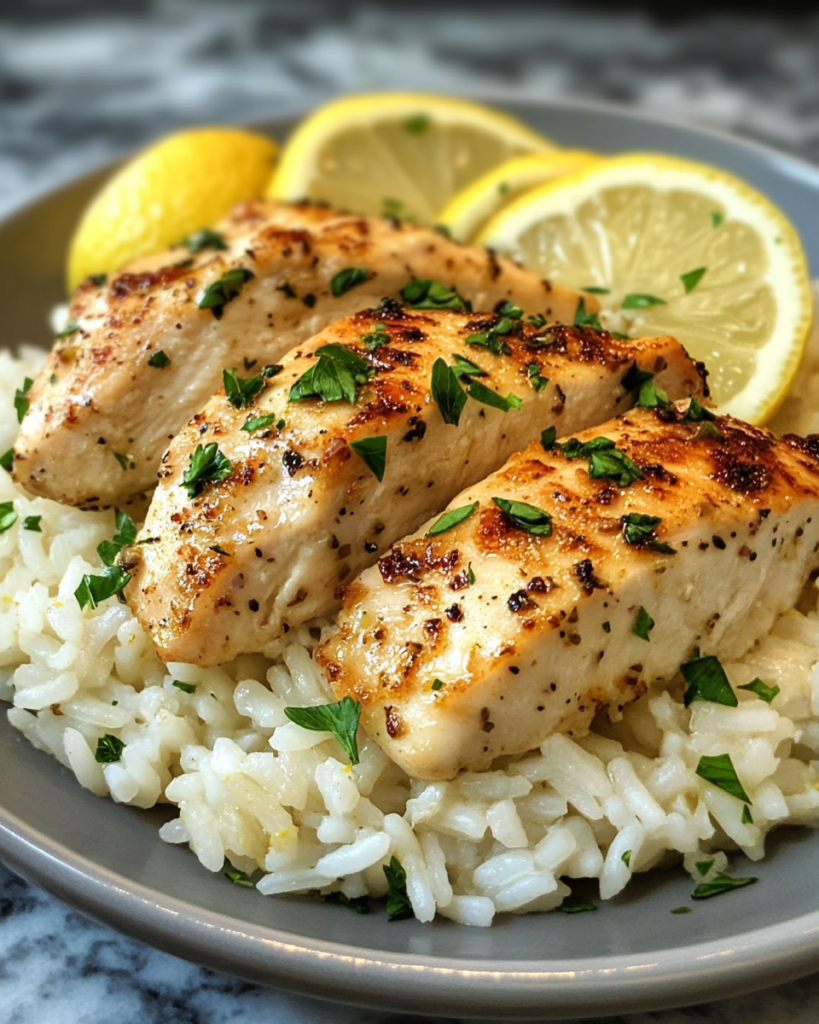
Lemon Garlic Chicken and Rice brings together tender chicken, bright citrus, fragrant garlic, and fluffy rice in one satisfying skillet meal. Each bite carries savory richness balanced by fresh lemon, creating a dinner that feels hearty without feeling heavy. The recipe works beautifully for weeknight suppers, family gatherings, or relaxed weekend cooking when a warm pan of comforting food sounds especially appealing.

This dish relies on pantry staples and fresh ingredients that blend naturally during cooking. Chicken absorbs the garlicky broth while rice cooks slowly beneath it, soaking up every savory layer from the pan. Fresh parsley and lemon at the finish add color and freshness that brighten the entire meal.

Another reason many home cooks return to Lemon Garlic Chicken and Rice again and again comes from its practical preparation. Everything cooks in one skillet, leaving fewer dishes afterward while still delivering rich flavor and satisfying texture. The rice remains soft and savory, while the chicken develops a lightly golden exterior that pairs beautifully with the citrus notes.

Ingredients Overview
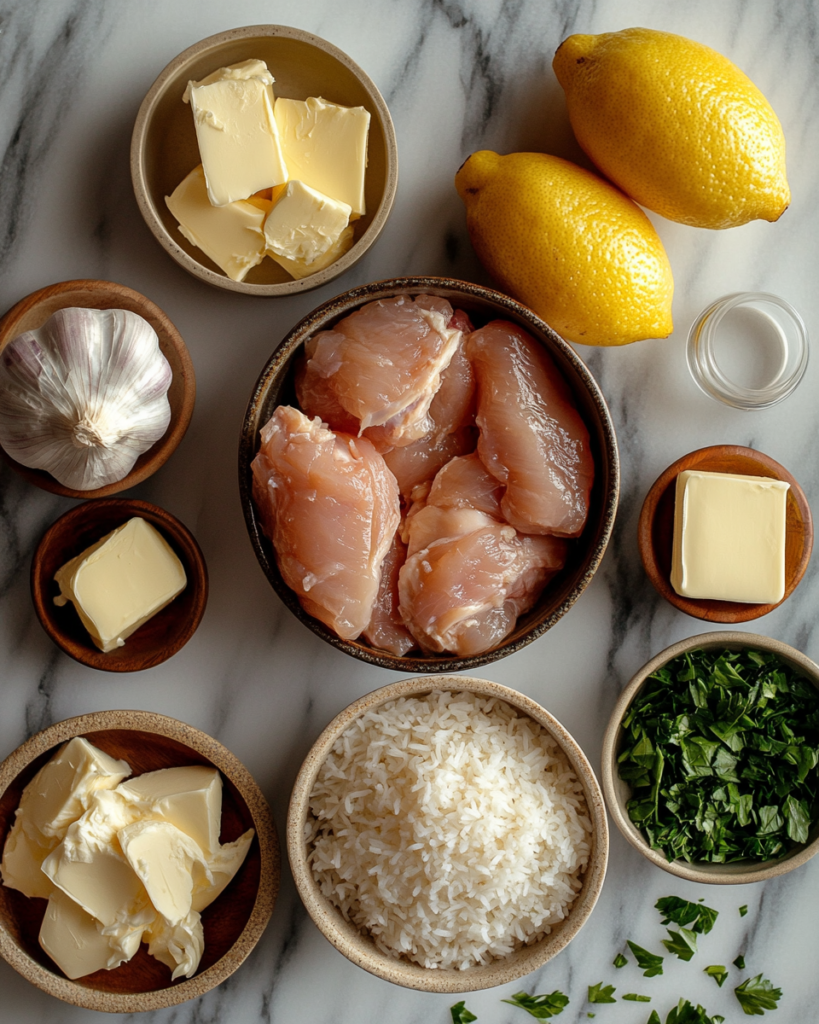
Chicken thighs work particularly well in Lemon Garlic Chicken and Rice because they stay juicy during simmering. Boneless skinless thighs absorb the lemon-garlic broth while remaining tender after cooking. Chicken breasts also work nicely, although careful cooking prevents dryness. A light seasoning of salt, black pepper, and paprika helps build depth before the chicken enters the skillet.

Fresh garlic forms a major flavor layer in this recipe. As it cooks gently in olive oil, the sharp bite softens into a mellow savory aroma that spreads throughout the rice. Fresh lemon juice adds brightness that balances the richness from the chicken broth and olive oil. Lemon zest adds even deeper citrus character without overwhelming the dish.

Long-grain white rice remains the classic choice because it cooks evenly while absorbing the broth. Jasmine rice creates a slightly softer texture with floral fragrance, while basmati rice offers a lighter grain structure. Brown rice may also work, though extra broth and longer cooking will become necessary.

Chicken broth carries flavor into every grain of rice. Low-sodium broth allows easier control over seasoning. Onion adds subtle sweetness beneath the garlic and citrus notes, while parsley contributes freshness during serving.

Butter stirred into the skillet near the end creates a silkier finish and rounds out the sharper citrus flavors. Small additions such as red pepper flakes, spinach, peas, or grated Parmesan can shift the recipe in different directions while keeping the heart of the dish intact.

Ingredients

6 boneless skinless chicken thighs

1 1/2 teaspoons salt

1 teaspoon black pepper

1 teaspoon paprika

2 tablespoons olive oil

1 small yellow onion, finely diced

5 garlic cloves, minced

1 tablespoon lemon zest

1/4 cup fresh lemon juice

1 1/2 cups long-grain white rice

3 cups low-sodium chicken broth

2 tablespoons unsalted butter

2 tablespoons chopped fresh parsley

Lemon slices for serving

Step-by-Step Instructions
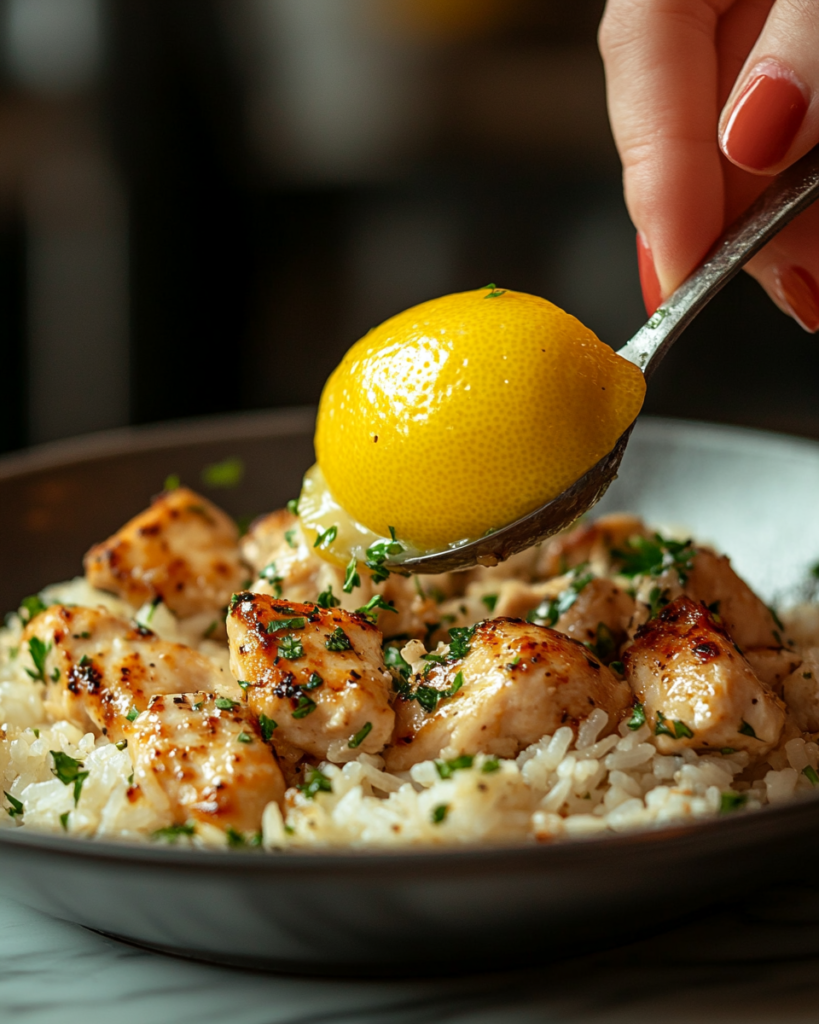
Pat the chicken thighs dry using paper towels. Dry chicken browns more evenly and develops richer flavor in the skillet. Season both sides with salt, black pepper, and paprika.

Heat olive oil in a large deep skillet over medium-high heat. Once the oil shimmers lightly, place the chicken thighs into the pan in a single layer. Cook for about 4 to 5 minutes per side until lightly golden. The chicken does not need full cooking at this stage because it will finish alongside the rice later. Transfer the browned chicken onto a plate.

Lower the heat slightly and add the diced onion to the skillet. Stir frequently for about 3 minutes until softened and lightly translucent. Add the minced garlic and cook for about 30 seconds. Garlic burns quickly, so continuous stirring remains important during this stage.

Add the lemon zest and rice directly into the skillet. Stir thoroughly so the grains become coated in the oil and aromatics. Toasting the rice briefly helps create deeper flavor and prevents mushy texture later.

Pour in the chicken broth and fresh lemon juice. Use a wooden spoon to scrape any browned bits from the skillet bottom because those pieces hold concentrated flavor. Bring the liquid to a gentle simmer.

Return the chicken thighs and any resting juices back into the skillet. Arrange the chicken across the rice mixture without fully submerging it. Cover the skillet with a tight-fitting lid and reduce the heat to low.

Allow the dish to cook for about 20 minutes without lifting the lid frequently. Constant lifting releases steam and may leave the rice unevenly cooked. Near the end of cooking, the rice should appear tender while most liquid becomes absorbed.

Check the chicken using a meat thermometer. The thickest section should reach 165 degrees Fahrenheit. If the rice still feels slightly firm, add a small splash of broth and continue cooking for another few minutes.

Remove the skillet from the heat and stir in the butter gently. Cover again and allow the dish to rest for about 5 minutes. This resting period helps the rice settle into a soft fluffy texture.

Scatter chopped parsley across the top and garnish with lemon slices before serving. Fresh lemon squeezed over individual portions adds extra brightness that pairs beautifully with the savory rice and tender chicken.

Avoid cooking over very high heat once the broth enters the skillet. Excessive heat can leave the bottom scorched before the rice fully softens. Another frequent issue comes from overcrowding the skillet during browning. Working in batches, if necessary, helps the chicken brown instead of steaming.

Tips, Variations & Substitutions

Chicken breasts can replace thighs for a leaner version of Lemon Garlic Chicken and Rice. Since breasts cook faster, slightly shorter simmering prevents dryness. Bone-in thighs also work beautifully and create deeper flavor, though cooking may require several additional minutes.

Brown rice creates a heartier texture with extra fiber. Because brown rice cooks longer, add additional broth and extend simmering until tender. Quinoa may also replace rice for a lighter grain option with extra protein.

Fresh herbs bring variety throughout the year. Parsley remains classic, although dill, thyme, or basil each pair nicely with lemon and garlic. A small handful of spinach stirred into the hot rice near the finish adds color and freshness without extra effort.

For richer flavor, stir grated Parmesan into the rice before serving. Crumbled feta also pairs beautifully with the citrus notes. Crushed red pepper flakes create gentle heat for diners who enjoy spice.

Vegetables such as peas, mushrooms, asparagus, or zucchini fit naturally into this dish. Add quick-cooking vegetables during the final simmering stage so they remain tender without turning overly soft.

Leftovers reheat very well. Store cooled portions in an airtight container within the refrigerator for up to three days. A splash of broth during reheating helps restore moisture to the rice.

Serving Ideas & Occasions

Lemon Garlic Chicken and Rice fits comfortably into many occasions because the flavors feel familiar yet fresh. It works wonderfully for casual family dinners, Sunday suppers, meal preparation lunches, or quiet evenings when simple comfort food sounds appealing.

A crisp green salad with cucumbers and vinaigrette pairs nicely alongside the rich savory rice. Roasted green beans, asparagus, or broccoli also balance the meal beautifully with additional texture and freshness. Warm crusty bread can soak up the lemony broth left at the bottom of the skillet.

Sparkling water with lemon slices complements the citrus flavors naturally. Iced tea or chilled white wine also pair pleasantly with the garlic and herbs.

During cooler months, this dish provides warmth and comfort straight from the skillet. During warmer seasons, the bright lemon flavor keeps the meal feeling fresh rather than heavy. Because everything cooks together in one pan, the recipe also suits busy evenings when lengthy cleanup sounds unappealing.

Nutritional & Health Notes

Lemon Garlic Chicken and Rice provides a balanced mixture of protein, carbohydrates, and moderate healthy fats. Chicken contributes substantial protein that supports fullness and satisfaction, while rice supplies steady energy through complex carbohydrates.

Garlic and onion add flavor without relying heavily on extra fat or heavy sauces. Fresh lemon juice brightens the dish naturally, reducing the need for excessive salt. Using low-sodium chicken broth also helps maintain balanced seasoning levels.

Olive oil contributes heart-friendly fats while supporting browning and flavor development. Fresh parsley adds vitamins and color with minimal calories. Diners seeking additional fiber may substitute brown rice or include extra vegetables within the skillet.

Portion size plays an important role in balancing the meal. Pairing the dish with vegetables or salad creates a filling dinner with varied textures and nutrients. Since the recipe cooks in one pan with relatively simple ingredients, it remains approachable for regular home cooking throughout the year.

FAQs

Can I prepare Lemon Garlic Chicken and Rice ahead of schedule?

Yes, this recipe works very nicely for advance preparation. The chicken and rice retain flavor and texture well after refrigeration. After cooking, allow the skillet contents to cool slightly before transferring portions into airtight containers. Refrigerated leftovers usually stay fresh for up to three days.

When reheating, add a few spoonfuls of broth or water before warming. Rice naturally absorbs liquid during storage, so the extra moisture helps restore softness. Reheat gently on the stovetop or within a microwave until the chicken reaches serving temperature throughout. Fresh parsley and lemon juice added after reheating help refresh the flavors beautifully.

Which rice variety works nicely for this recipe?

Long-grain white rice remains the easiest and most reliable option because it cooks evenly and absorbs flavor beautifully. Jasmine rice produces a slightly softer texture with gentle fragrance, while basmati creates fluffier grains with lighter texture.

Brown rice also works, though longer cooking and additional broth become necessary. Short-grain rice tends to create a softer stickier texture that changes the final result considerably. Instant rice generally cooks too quickly for this method and may become mushy before the chicken finishes simmering. Measuring the liquid carefully also helps prevent uneven texture regardless of rice choice.

How can I prevent the rice from becoming mushy?

Several small cooking habits help maintain fluffy rice texture. First, lightly toast the rice within the skillet before adding broth. This quick step coats the grains and supports even cooking. Second, avoid stirring repeatedly after the liquid enters the pan because excess movement releases starch.

Maintaining low steady heat during simmering also matters greatly. Strong heat may cook the bottom too quickly while leaving uneven texture elsewhere. Finally, resting the skillet for several minutes after cooking allows remaining moisture to settle naturally into the rice. This final resting stage often creates the soft fluffy texture many cooks prefer.

Can vegetables cook directly in the same skillet?

Absolutely. Many vegetables blend naturally into Lemon Garlic Chicken and Rice without complicating preparation. Peas, spinach, diced zucchini, mushrooms, and asparagus all work particularly nicely. Quick-cooking vegetables should enter near the final several minutes of simmering so they remain tender without overcooking.

Heartier vegetables such as carrots may require earlier cooking alongside the onion stage. Maintaining balanced moisture remains important when adding produce with high water content. Too many vegetables at once may slightly dilute the savory broth concentration, so moderate quantities usually produce the nicest balance between flavor and texture.

What type of chicken creates the richest flavor?

Chicken thighs generally create deeper flavor and softer texture because they contain slightly higher fat content than chicken breasts. Boneless skinless thighs remain especially practical since they cook evenly and stay juicy throughout simmering.

Bone-in thighs create even richer broth flavor, although they require longer cooking. Chicken breasts create a leaner meal and still taste delicious when cooked carefully. Avoid overcooking breasts because prolonged simmering may dry the meat. Regardless of the cut chosen, browning the chicken before simmering remains essential for building savory depth throughout the entire dish.

Can dairy-free adjustments work successfully?

Yes, dairy-free preparation remains very simple for this recipe. The only dairy ingredient usually comes from the butter stirred in near the finish. Replacing butter with additional olive oil or plant-based butter substitutes still creates pleasant texture and flavor.

Since the recipe already relies heavily on garlic, lemon, broth, and herbs, the overall flavor remains satisfying without traditional dairy products. Dairy-free diners may also add vegetables or fresh herbs for extra richness and color. Checking broth labels carefully also helps confirm compatibility with specific dietary preferences or ingredient restrictions.

Why does lemon pair so nicely with garlic and chicken?

Lemon adds brightness that balances the savory richness from chicken and garlic beautifully. Garlic carries deep aromatic flavor, while lemon introduces acidity that keeps the overall dish lively rather than heavy. Together, the ingredients create balance between richness and freshness.

Chicken absorbs both flavors naturally during simmering, especially when cooked directly within the broth and rice. Lemon zest adds fragrant citrus oils, while juice contributes sharper brightness. Fresh parsley near the finish also complements both ingredients nicely. This combination has remained popular across many home kitchens because the flavors feel comforting, balanced, and satisfying without requiring complicated preparation.

[rank_math_breadcrumb]

Lemon Garlic Chicken and Rice: 5 Simple Comforting Plates

Photo of author
Author: Zoey
Published:

Lemon Garlic Chicken and Rice brings together tender chicken, bright citrus, fragrant garlic, and fluffy rice in one satisfying skillet meal. Each bite carries savory richness balanced by fresh lemon, creating a dinner that feels hearty without feeling heavy. The recipe works beautifully for weeknight suppers, family gatherings, or relaxed weekend cooking when a warm pan of comforting food sounds especially appealing.

This dish relies on pantry staples and fresh ingredients that blend naturally during cooking. Chicken absorbs the garlicky broth while rice cooks slowly beneath it, soaking up every savory layer from the pan. Fresh parsley and lemon at the finish add color and freshness that brighten the entire meal.

Another reason many home cooks return to Lemon Garlic Chicken and Rice again and again comes from its practical preparation. Everything cooks in one skillet, leaving fewer dishes afterward while still delivering rich flavor and satisfying texture. The rice remains soft and savory, while the chicken develops a lightly golden exterior that pairs beautifully with the citrus notes.

Ingredients Overview

Chicken thighs work particularly well in Lemon Garlic Chicken and Rice because they stay juicy during simmering. Boneless skinless thighs absorb the lemon-garlic broth while remaining tender after cooking. Chicken breasts also work nicely, although careful cooking prevents dryness. A light seasoning of salt, black pepper, and paprika helps build depth before the chicken enters the skillet.

Fresh garlic forms a major flavor layer in this recipe. As it cooks gently in olive oil, the sharp bite softens into a mellow savory aroma that spreads throughout the rice. Fresh lemon juice adds brightness that balances the richness from the chicken broth and olive oil. Lemon zest adds even deeper citrus character without overwhelming the dish.

Long-grain white rice remains the classic choice because it cooks evenly while absorbing the broth. Jasmine rice creates a slightly softer texture with floral fragrance, while basmati rice offers a lighter grain structure. Brown rice may also work, though extra broth and longer cooking will become necessary.

Chicken broth carries flavor into every grain of rice. Low-sodium broth allows easier control over seasoning. Onion adds subtle sweetness beneath the garlic and citrus notes, while parsley contributes freshness during serving.

Butter stirred into the skillet near the end creates a silkier finish and rounds out the sharper citrus flavors. Small additions such as red pepper flakes, spinach, peas, or grated Parmesan can shift the recipe in different directions while keeping the heart of the dish intact.

Ingredients

6 boneless skinless chicken thighs

1 1/2 teaspoons salt

1 teaspoon black pepper

1 teaspoon paprika

2 tablespoons olive oil

1 small yellow onion, finely diced

5 garlic cloves, minced

1 tablespoon lemon zest

1/4 cup fresh lemon juice

1 1/2 cups long-grain white rice

3 cups low-sodium chicken broth

2 tablespoons unsalted butter

2 tablespoons chopped fresh parsley

Lemon slices for serving

Step-by-Step Instructions

Pat the chicken thighs dry using paper towels. Dry chicken browns more evenly and develops richer flavor in the skillet. Season both sides with salt, black pepper, and paprika.

Heat olive oil in a large deep skillet over medium-high heat. Once the oil shimmers lightly, place the chicken thighs into the pan in a single layer. Cook for about 4 to 5 minutes per side until lightly golden. The chicken does not need full cooking at this stage because it will finish alongside the rice later. Transfer the browned chicken onto a plate.

Lower the heat slightly and add the diced onion to the skillet. Stir frequently for about 3 minutes until softened and lightly translucent. Add the minced garlic and cook for about 30 seconds. Garlic burns quickly, so continuous stirring remains important during this stage.

Add the lemon zest and rice directly into the skillet. Stir thoroughly so the grains become coated in the oil and aromatics. Toasting the rice briefly helps create deeper flavor and prevents mushy texture later.

Pour in the chicken broth and fresh lemon juice. Use a wooden spoon to scrape any browned bits from the skillet bottom because those pieces hold concentrated flavor. Bring the liquid to a gentle simmer.

Return the chicken thighs and any resting juices back into the skillet. Arrange the chicken across the rice mixture without fully submerging it. Cover the skillet with a tight-fitting lid and reduce the heat to low.

Allow the dish to cook for about 20 minutes without lifting the lid frequently. Constant lifting releases steam and may leave the rice unevenly cooked. Near the end of cooking, the rice should appear tender while most liquid becomes absorbed.

Check the chicken using a meat thermometer. The thickest section should reach 165 degrees Fahrenheit. If the rice still feels slightly firm, add a small splash of broth and continue cooking for another few minutes.

Remove the skillet from the heat and stir in the butter gently. Cover again and allow the dish to rest for about 5 minutes. This resting period helps the rice settle into a soft fluffy texture.

Scatter chopped parsley across the top and garnish with lemon slices before serving. Fresh lemon squeezed over individual portions adds extra brightness that pairs beautifully with the savory rice and tender chicken.

Avoid cooking over very high heat once the broth enters the skillet. Excessive heat can leave the bottom scorched before the rice fully softens. Another frequent issue comes from overcrowding the skillet during browning. Working in batches, if necessary, helps the chicken brown instead of steaming.

Tips, Variations & Substitutions

Chicken breasts can replace thighs for a leaner version of Lemon Garlic Chicken and Rice. Since breasts cook faster, slightly shorter simmering prevents dryness. Bone-in thighs also work beautifully and create deeper flavor, though cooking may require several additional minutes.

Brown rice creates a heartier texture with extra fiber. Because brown rice cooks longer, add additional broth and extend simmering until tender. Quinoa may also replace rice for a lighter grain option with extra protein.

Fresh herbs bring variety throughout the year. Parsley remains classic, although dill, thyme, or basil each pair nicely with lemon and garlic. A small handful of spinach stirred into the hot rice near the finish adds color and freshness without extra effort.

For richer flavor, stir grated Parmesan into the rice before serving. Crumbled feta also pairs beautifully with the citrus notes. Crushed red pepper flakes create gentle heat for diners who enjoy spice.

Vegetables such as peas, mushrooms, asparagus, or zucchini fit naturally into this dish. Add quick-cooking vegetables during the final simmering stage so they remain tender without turning overly soft.

Leftovers reheat very well. Store cooled portions in an airtight container within the refrigerator for up to three days. A splash of broth during reheating helps restore moisture to the rice.

Serving Ideas & Occasions

Lemon Garlic Chicken and Rice fits comfortably into many occasions because the flavors feel familiar yet fresh. It works wonderfully for casual family dinners, Sunday suppers, meal preparation lunches, or quiet evenings when simple comfort food sounds appealing.

A crisp green salad with cucumbers and vinaigrette pairs nicely alongside the rich savory rice. Roasted green beans, asparagus, or broccoli also balance the meal beautifully with additional texture and freshness. Warm crusty bread can soak up the lemony broth left at the bottom of the skillet.

Sparkling water with lemon slices complements the citrus flavors naturally. Iced tea or chilled white wine also pair pleasantly with the garlic and herbs.

During cooler months, this dish provides warmth and comfort straight from the skillet. During warmer seasons, the bright lemon flavor keeps the meal feeling fresh rather than heavy. Because everything cooks together in one pan, the recipe also suits busy evenings when lengthy cleanup sounds unappealing.

Nutritional & Health Notes

Lemon Garlic Chicken and Rice provides a balanced mixture of protein, carbohydrates, and moderate healthy fats. Chicken contributes substantial protein that supports fullness and satisfaction, while rice supplies steady energy through complex carbohydrates.

Garlic and onion add flavor without relying heavily on extra fat or heavy sauces. Fresh lemon juice brightens the dish naturally, reducing the need for excessive salt. Using low-sodium chicken broth also helps maintain balanced seasoning levels.

Olive oil contributes heart-friendly fats while supporting browning and flavor development. Fresh parsley adds vitamins and color with minimal calories. Diners seeking additional fiber may substitute brown rice or include extra vegetables within the skillet.

Portion size plays an important role in balancing the meal. Pairing the dish with vegetables or salad creates a filling dinner with varied textures and nutrients. Since the recipe cooks in one pan with relatively simple ingredients, it remains approachable for regular home cooking throughout the year.

FAQs

Can I prepare Lemon Garlic Chicken and Rice ahead of schedule?

Yes, this recipe works very nicely for advance preparation. The chicken and rice retain flavor and texture well after refrigeration. After cooking, allow the skillet contents to cool slightly before transferring portions into airtight containers. Refrigerated leftovers usually stay fresh for up to three days.

When reheating, add a few spoonfuls of broth or water before warming. Rice naturally absorbs liquid during storage, so the extra moisture helps restore softness. Reheat gently on the stovetop or within a microwave until the chicken reaches serving temperature throughout. Fresh parsley and lemon juice added after reheating help refresh the flavors beautifully.

Which rice variety works nicely for this recipe?

Long-grain white rice remains the easiest and most reliable option because it cooks evenly and absorbs flavor beautifully. Jasmine rice produces a slightly softer texture with gentle fragrance, while basmati creates fluffier grains with lighter texture.

Brown rice also works, though longer cooking and additional broth become necessary. Short-grain rice tends to create a softer stickier texture that changes the final result considerably. Instant rice generally cooks too quickly for this method and may become mushy before the chicken finishes simmering. Measuring the liquid carefully also helps prevent uneven texture regardless of rice choice.

How can I prevent the rice from becoming mushy?

Several small cooking habits help maintain fluffy rice texture. First, lightly toast the rice within the skillet before adding broth. This quick step coats the grains and supports even cooking. Second, avoid stirring repeatedly after the liquid enters the pan because excess movement releases starch.

Maintaining low steady heat during simmering also matters greatly. Strong heat may cook the bottom too quickly while leaving uneven texture elsewhere. Finally, resting the skillet for several minutes after cooking allows remaining moisture to settle naturally into the rice. This final resting stage often creates the soft fluffy texture many cooks prefer.

Can vegetables cook directly in the same skillet?

Absolutely. Many vegetables blend naturally into Lemon Garlic Chicken and Rice without complicating preparation. Peas, spinach, diced zucchini, mushrooms, and asparagus all work particularly nicely. Quick-cooking vegetables should enter near the final several minutes of simmering so they remain tender without overcooking.

Heartier vegetables such as carrots may require earlier cooking alongside the onion stage. Maintaining balanced moisture remains important when adding produce with high water content. Too many vegetables at once may slightly dilute the savory broth concentration, so moderate quantities usually produce the nicest balance between flavor and texture.

What type of chicken creates the richest flavor?

Chicken thighs generally create deeper flavor and softer texture because they contain slightly higher fat content than chicken breasts. Boneless skinless thighs remain especially practical since they cook evenly and stay juicy throughout simmering.

Bone-in thighs create even richer broth flavor, although they require longer cooking. Chicken breasts create a leaner meal and still taste delicious when cooked carefully. Avoid overcooking breasts because prolonged simmering may dry the meat. Regardless of the cut chosen, browning the chicken before simmering remains essential for building savory depth throughout the entire dish.

Can dairy-free adjustments work successfully?

Yes, dairy-free preparation remains very simple for this recipe. The only dairy ingredient usually comes from the butter stirred in near the finish. Replacing butter with additional olive oil or plant-based butter substitutes still creates pleasant texture and flavor.

Since the recipe already relies heavily on garlic, lemon, broth, and herbs, the overall flavor remains satisfying without traditional dairy products. Dairy-free diners may also add vegetables or fresh herbs for extra richness and color. Checking broth labels carefully also helps confirm compatibility with specific dietary preferences or ingredient restrictions.

Why does lemon pair so nicely with garlic and chicken?

Lemon adds brightness that balances the savory richness from chicken and garlic beautifully. Garlic carries deep aromatic flavor, while lemon introduces acidity that keeps the overall dish lively rather than heavy. Together, the ingredients create balance between richness and freshness.

Chicken absorbs both flavors naturally during simmering, especially when cooked directly within the broth and rice. Lemon zest adds fragrant citrus oils, while juice contributes sharper brightness. Fresh parsley near the finish also complements both ingredients nicely. This combination has remained popular across many home kitchens because the flavors feel comforting, balanced, and satisfying without requiring complicated preparation.
Name

Lorem ipsum dolor sit amet, consectetur adipiscing elit. Suspendisse varius enim in eros elementum tristique. Duis cursus, mi quis viverra ornare, eros dolor interdum nulla, ut commodo diam libero vitae erat.

You Might Also Like...

Chicken Quesadilla Skillet: 30-Minute Authentic Jubilant

Chicken Quesadilla Skillet: 30-Minute Authentic Jubilant

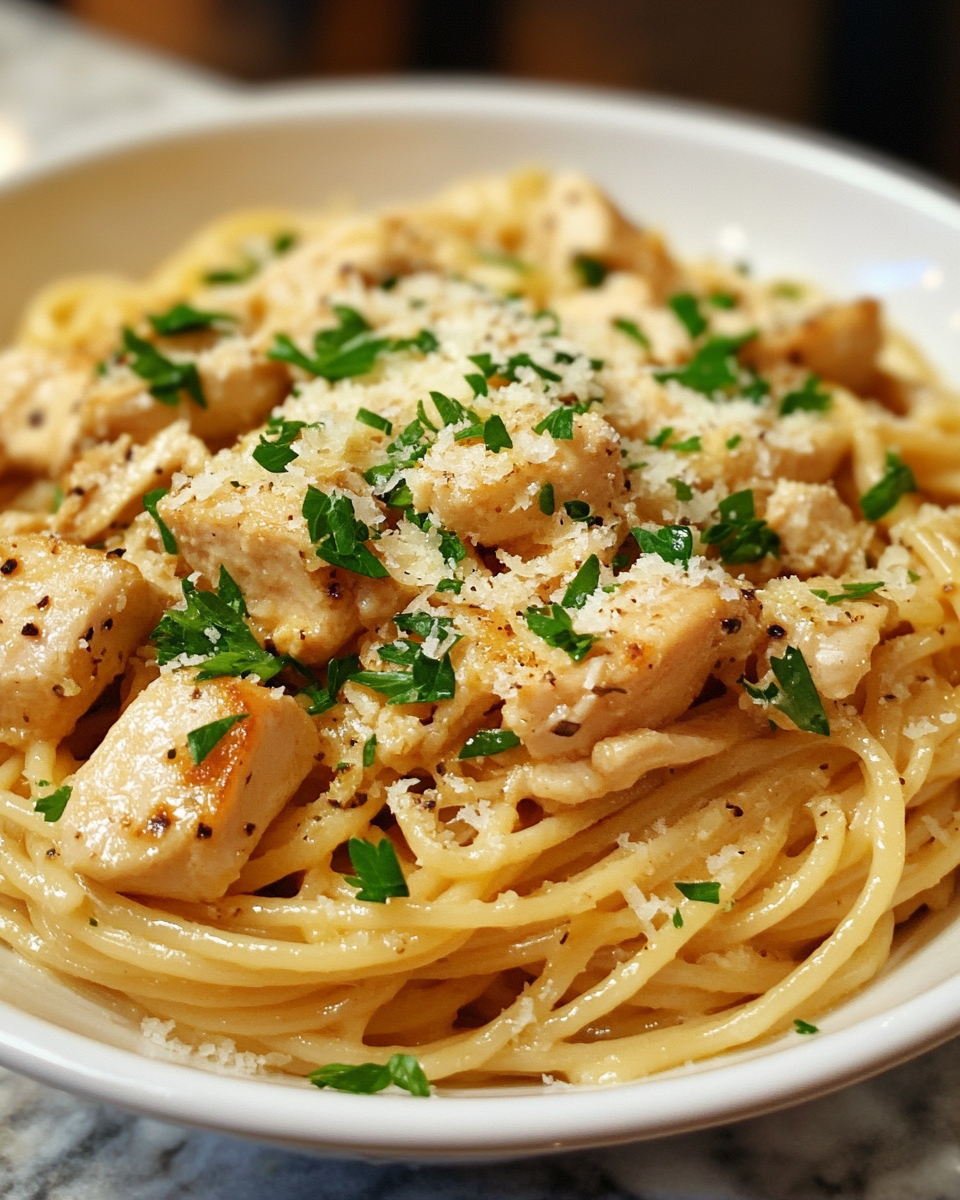
Garlic Butter Chicken Pasta: 5 Authentic, Grateful Bites

Garlic Butter Chicken Pasta: 5 Authentic, Grateful Bites

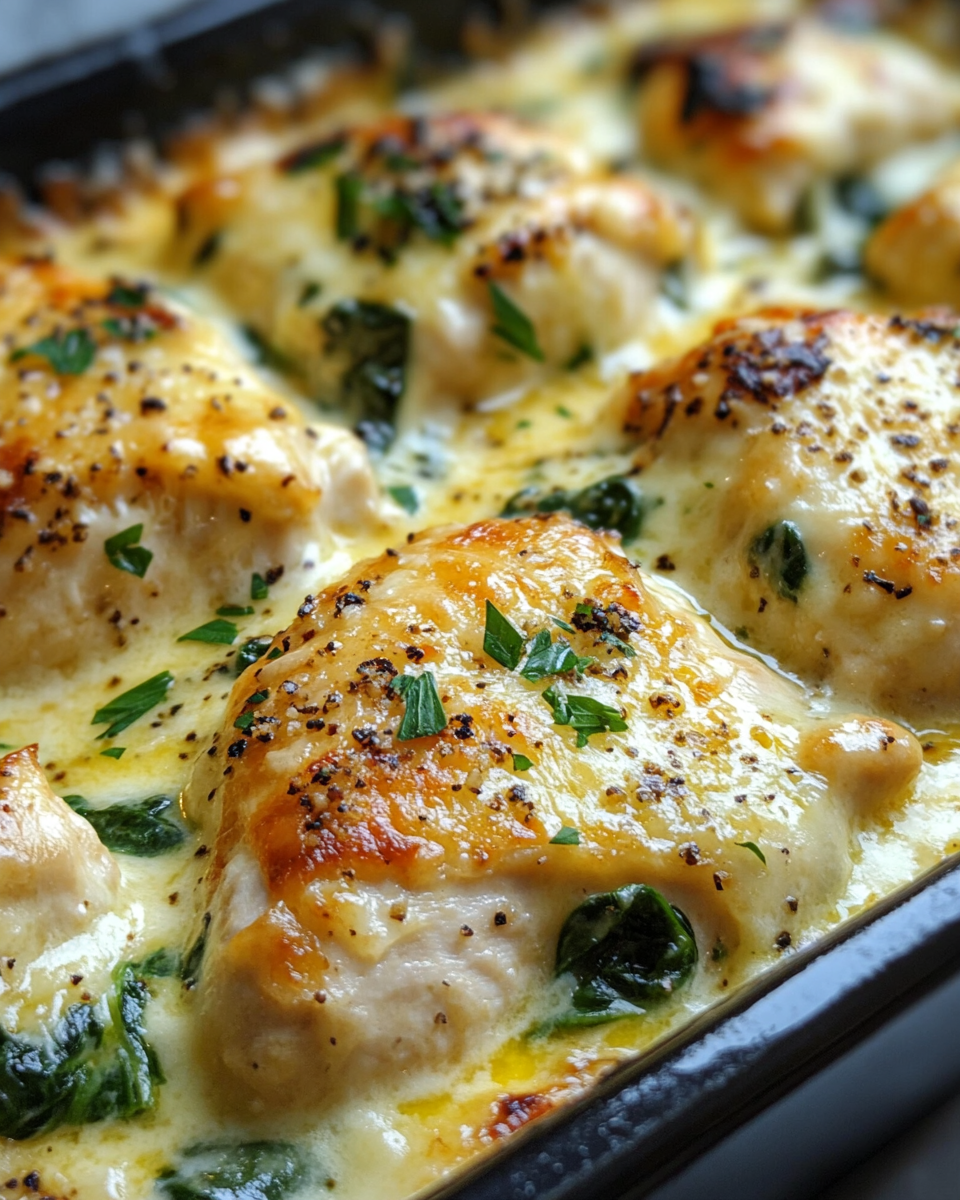
Creamy Spinach Chicken Bake: 5 Simple Comforting Meals

Creamy Spinach Chicken Bake: 5 Simple Comforting Meals

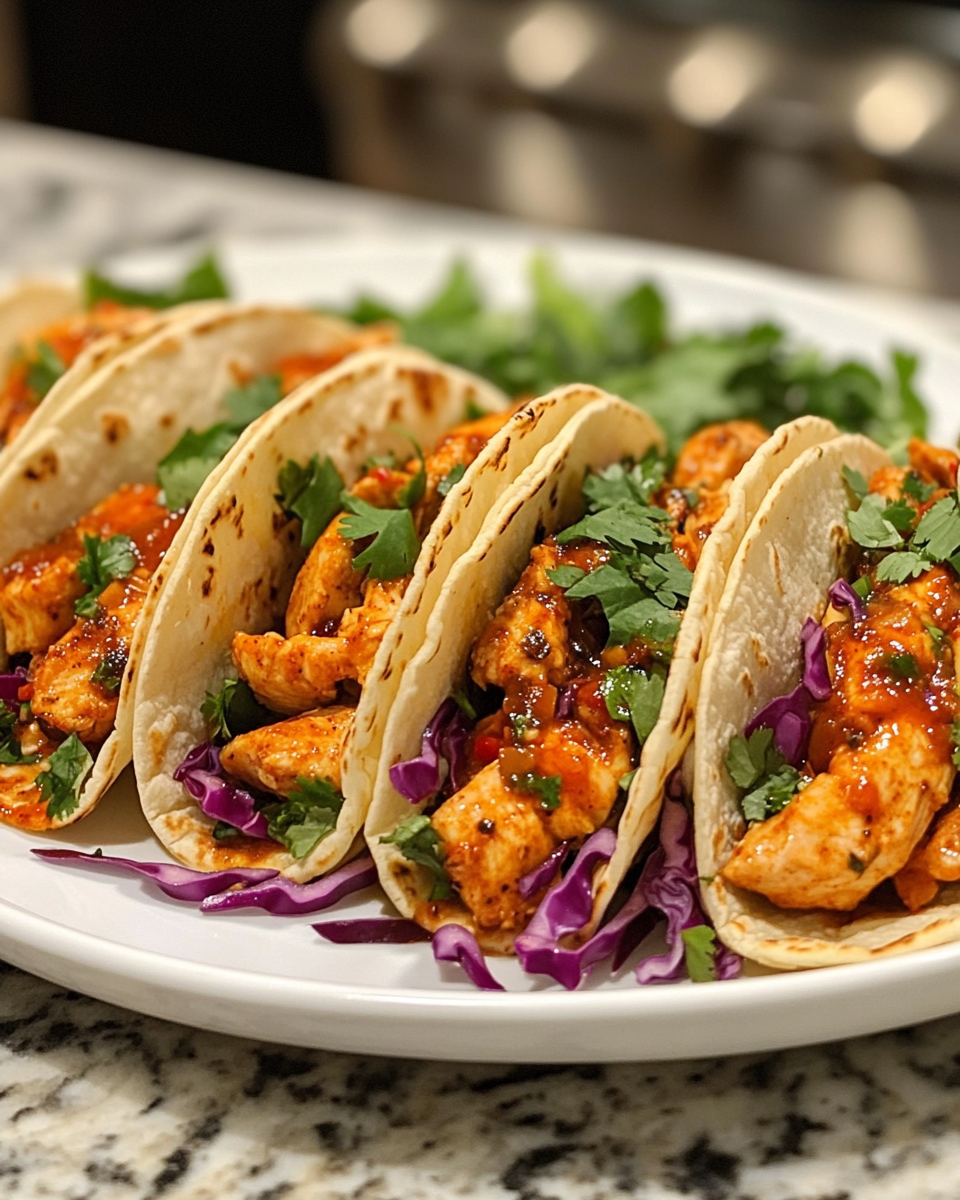
Sweet Chili Chicken Tacos: 7 Authentic Devoted Bites

Sweet Chili Chicken Tacos: 7 Authentic Devoted Bites

Tags:

You might also like these recipes

Leave a Comment