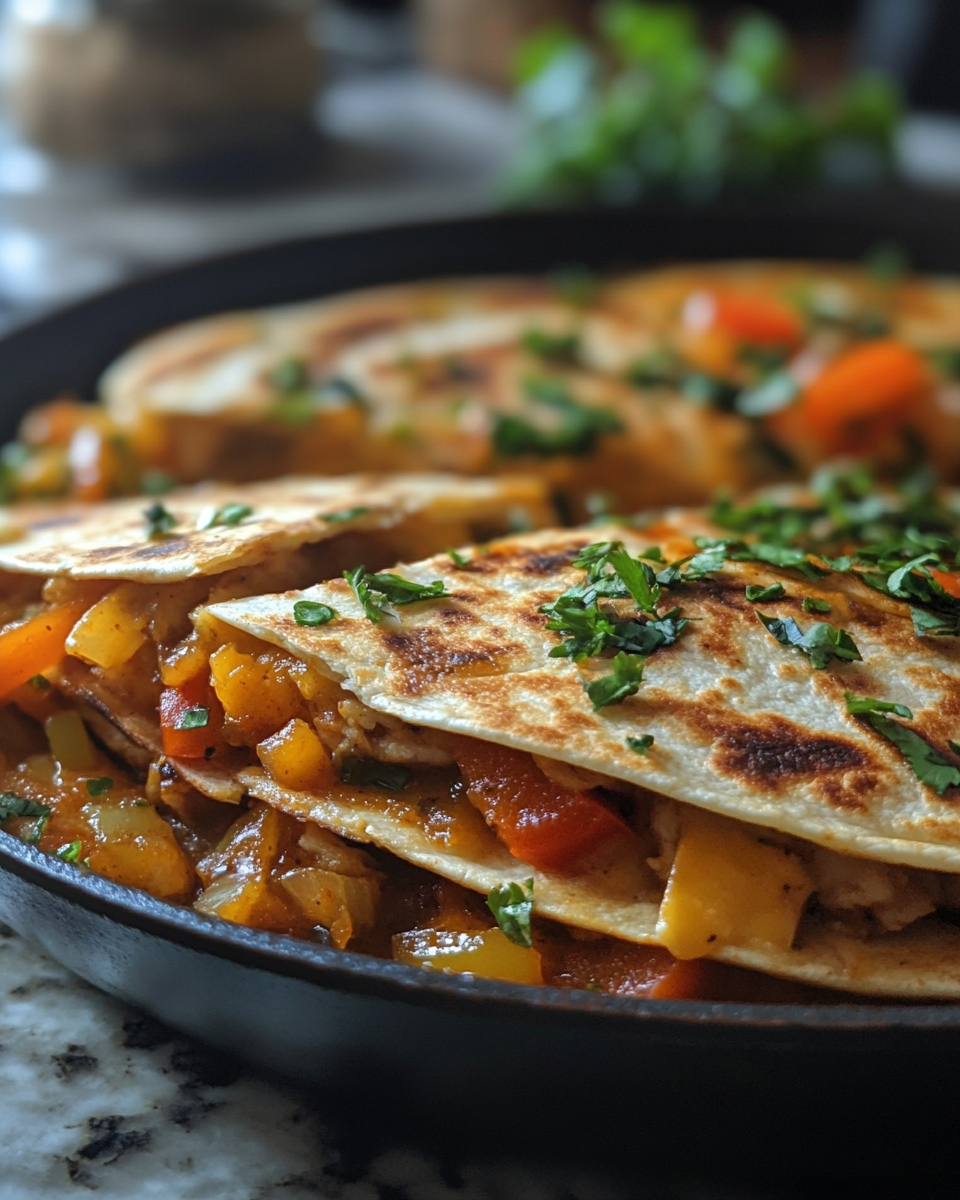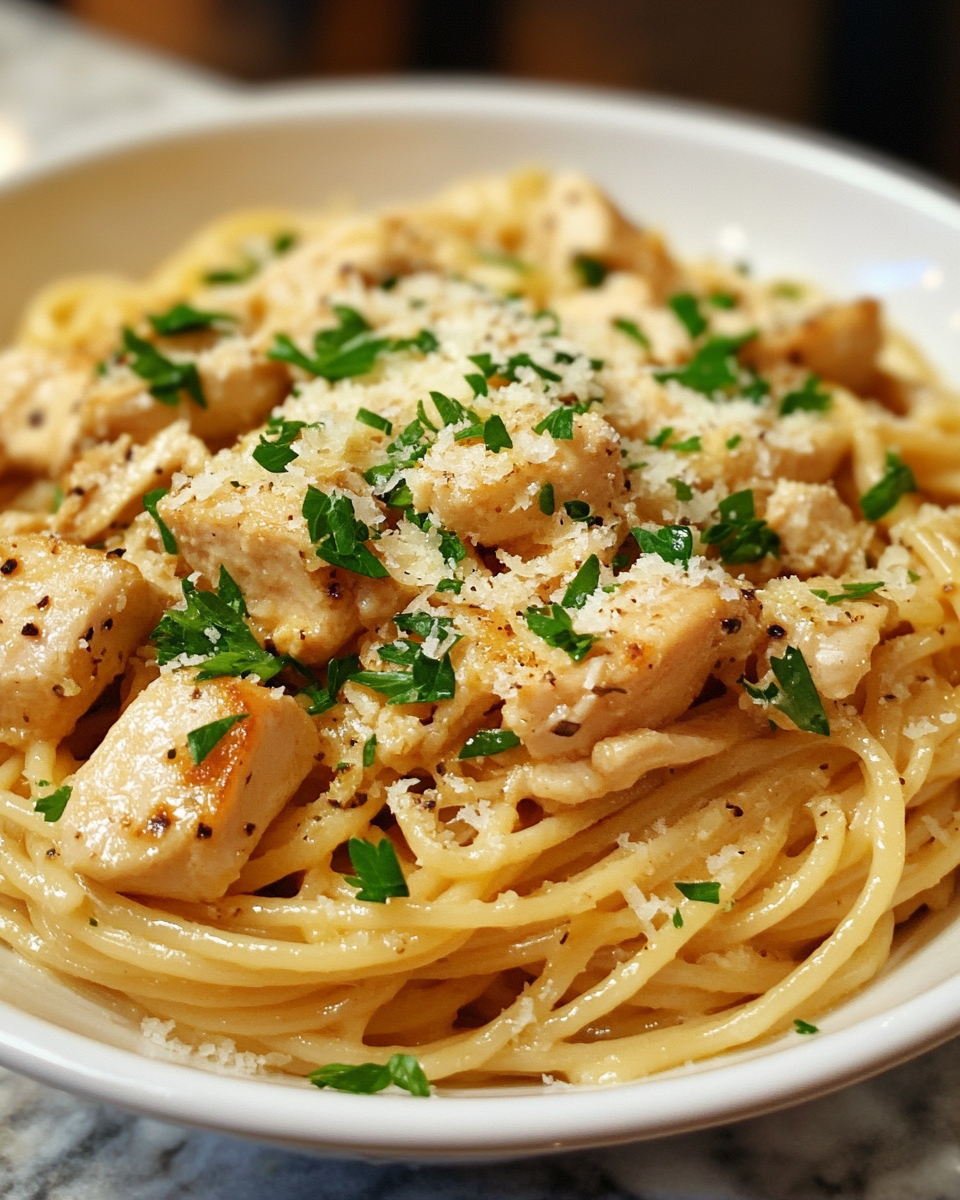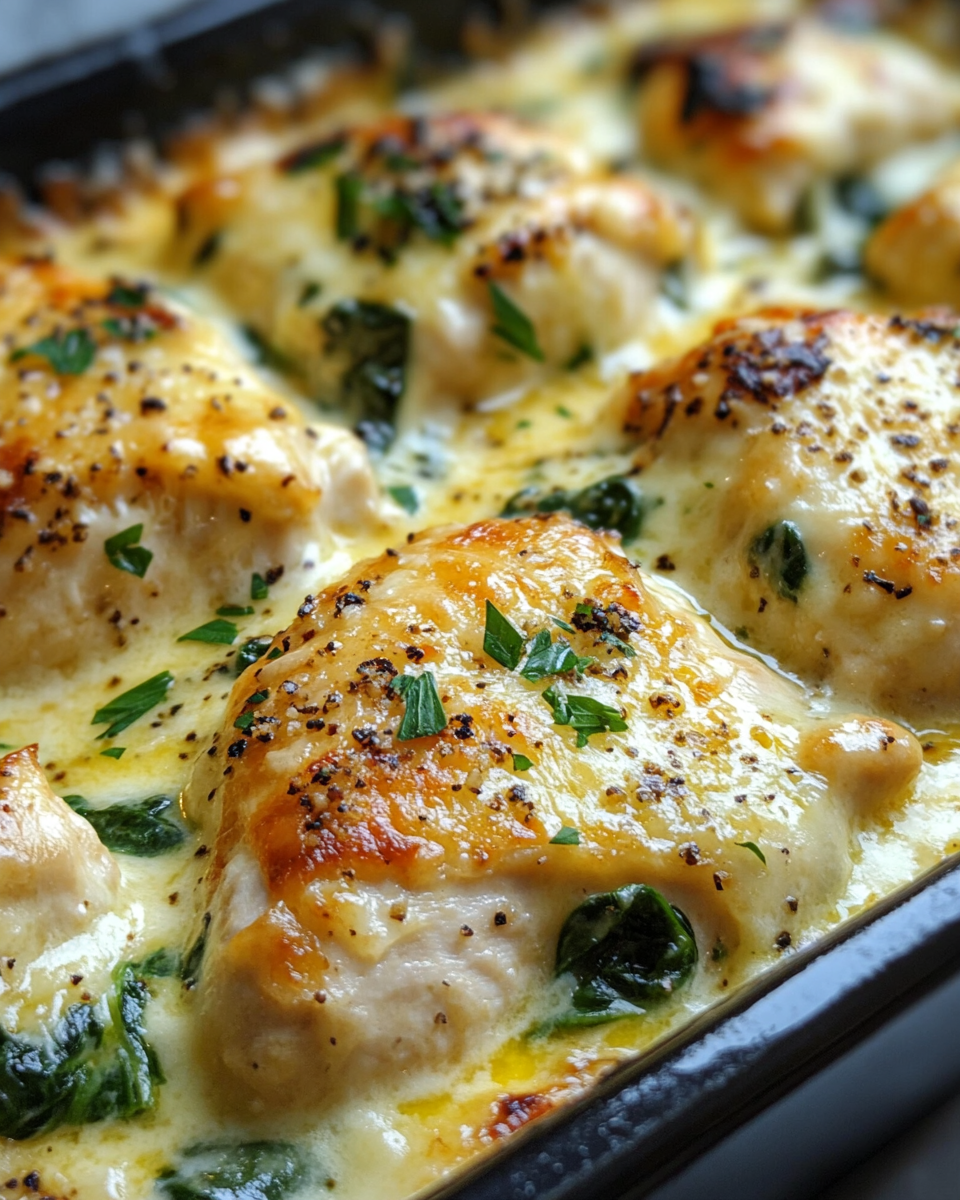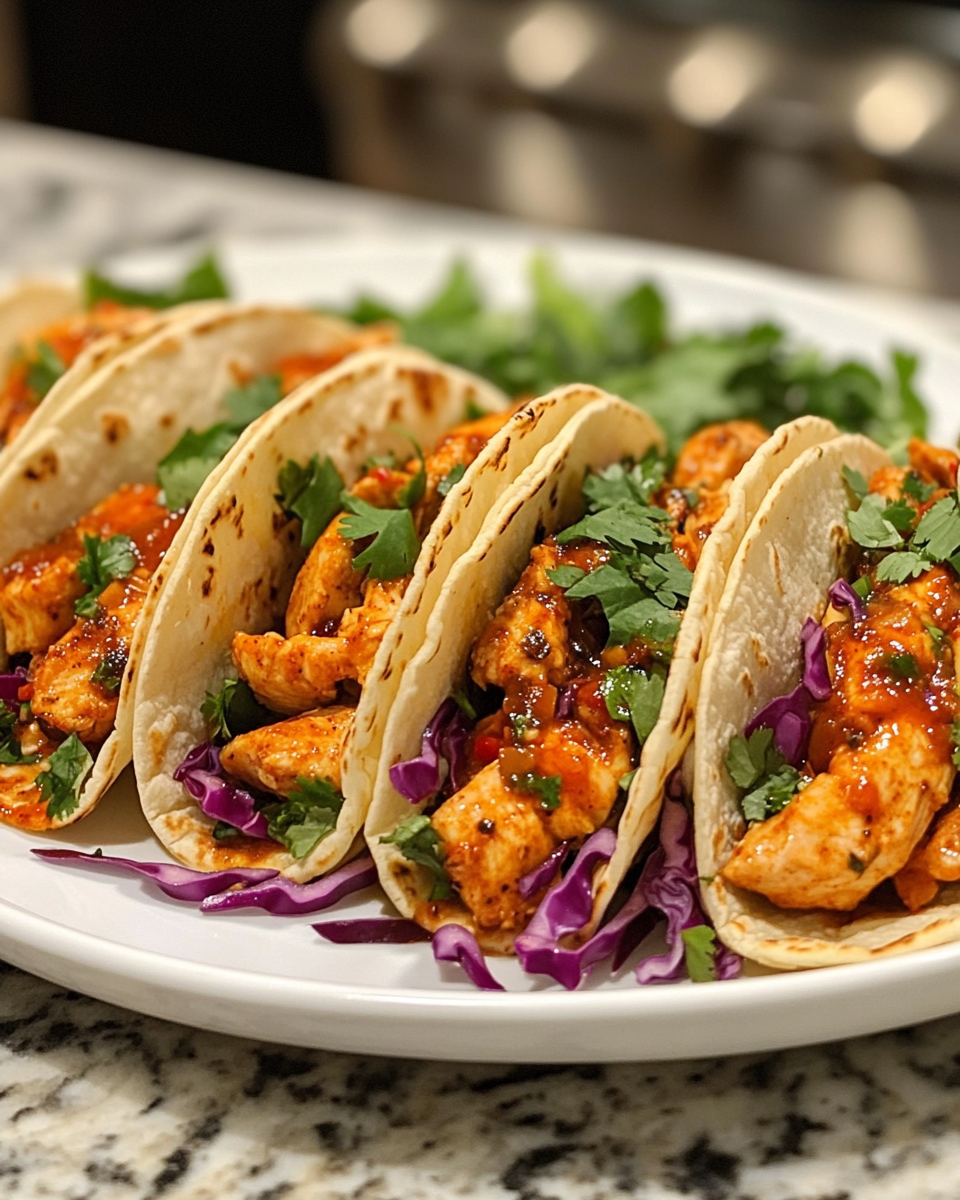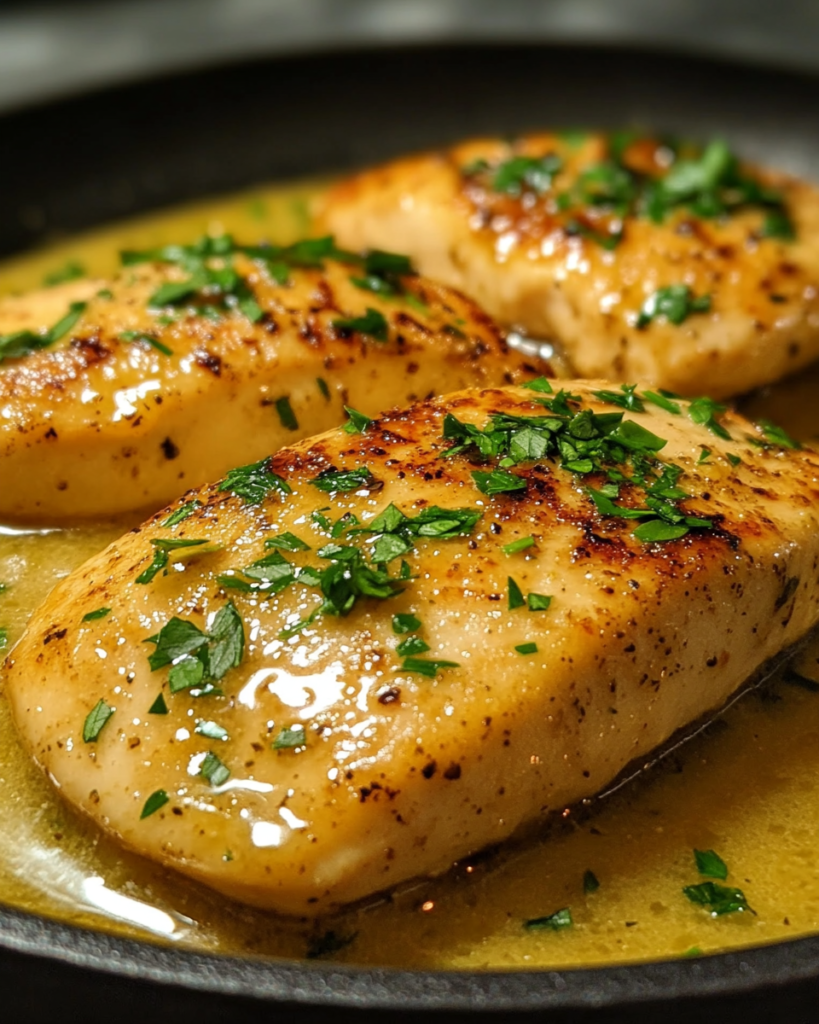
Garlic Butter Chicken Skillet brings together tender chicken, rich butter, fragrant garlic, and a light pan sauce in one comforting dinner. The chicken cooks until golden and juicy while garlic slowly softens in butter, giving the entire skillet deep savory flavor. This meal works well for busy evenings since the cooking process stays simple and the cleanup stays light.
A large skillet helps the chicken brown evenly while keeping the sauce rich and silky. Fresh parsley adds brightness at the end, while a small splash of broth keeps the pan sauce balanced instead of heavy. Garlic Butter Chicken Skillet pairs nicely with mashed potatoes, rice, roasted vegetables, or warm bread for a hearty family meal.
The rich aroma filling the kitchen during cooking often brings everyone to the table early. Each bite combines buttery richness with gentle garlic flavor and juicy chicken that stays moist from start to finish.
Ingredients Overview
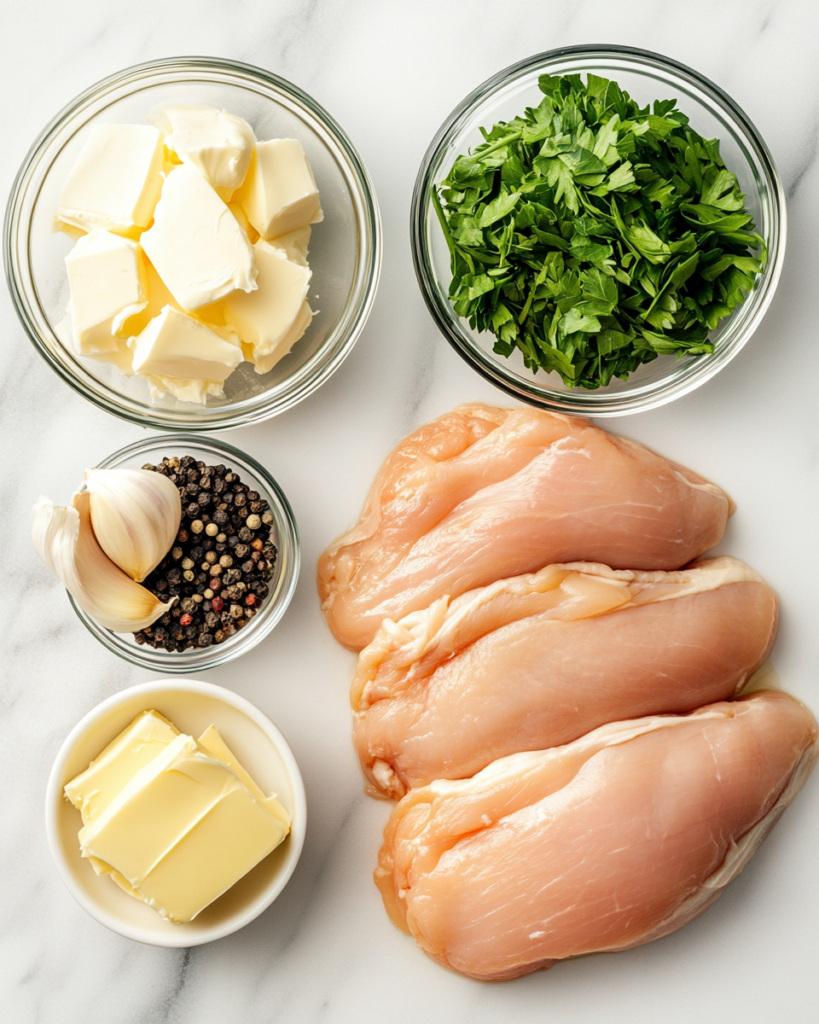
The main ingredient in Garlic Butter Chicken Skillet is boneless chicken breasts or thighs. Chicken breasts cook quickly and slice neatly for serving, while thighs stay slightly richer and softer after cooking. Either option works nicely in this recipe.
Butter creates the rich base of the skillet sauce. Unsalted butter gives better control over seasoning, especially since broth and other ingredients may already contain salt. Garlic slowly cooks in the butter, creating a savory flavor that spreads through the entire dish. Fresh garlic gives the strongest flavor, though jarred garlic may work during busy evenings.
Chicken broth adds depth while helping loosen browned bits from the skillet. Those browned pieces hold much of the flavor created during searing. A small amount of lemon juice balances the richness of the butter and brightens the sauce without making it sour.
Italian seasoning adds mild herbal flavor without overpowering the garlic. Paprika gives warmth and color while black pepper adds gentle spice. Fresh parsley at the end keeps the final dish fresh and balanced.
For substitutions, olive oil may replace part of the butter if a lighter sauce is preferred. Heavy cream may also be stirred into the skillet for a thicker sauce. Mushrooms, spinach, or green beans fit naturally into the recipe and cook directly in the same pan.
Ingredients
2 pounds boneless skinless chicken breasts
1 teaspoon salt
1/2 teaspoon black pepper
1 teaspoon paprika
1 teaspoon Italian seasoning
2 tablespoons olive oil
4 tablespoons unsalted butter
6 cloves garlic, minced
1 cup chicken broth
1 tablespoon lemon juice
1 tablespoon chopped fresh parsley
1/2 teaspoon onion powder
1/4 teaspoon red pepper flakes
Lemon wedges for serving
Step-by-Step Instructions
Pat the chicken dry with paper towels before seasoning. Dry chicken browns far better than damp chicken and creates richer flavor in the skillet. Season both sides with salt, black pepper, paprika, onion powder, and Italian seasoning.
Place a large skillet over medium-high heat. Add olive oil and allow it to warm for about one minute. Carefully place the chicken into the skillet without overcrowding the pan. If the skillet feels crowded, cook the chicken in batches. Crowding traps steam and prevents proper browning.
Cook the chicken for about five to six minutes per side depending on thickness. The outside should turn golden brown while the center reaches 165 degrees Fahrenheit. Thicker pieces may need slightly more cooking time. Move cooked chicken to a plate and loosely cover with foil.
Lower the heat to medium. Add butter directly into the skillet. Once melted, stir in the minced garlic and red pepper flakes. Cook for about one minute while stirring often. Garlic burns quickly, so avoid high heat during this step. Burned garlic creates bitterness that affects the full dish.
Pour chicken broth into the skillet and gently scrape the browned bits from the bottom using a wooden spoon. Those browned pieces add rich flavor to the sauce. Stir in lemon juice and allow the sauce to simmer for three to four minutes until slightly reduced.
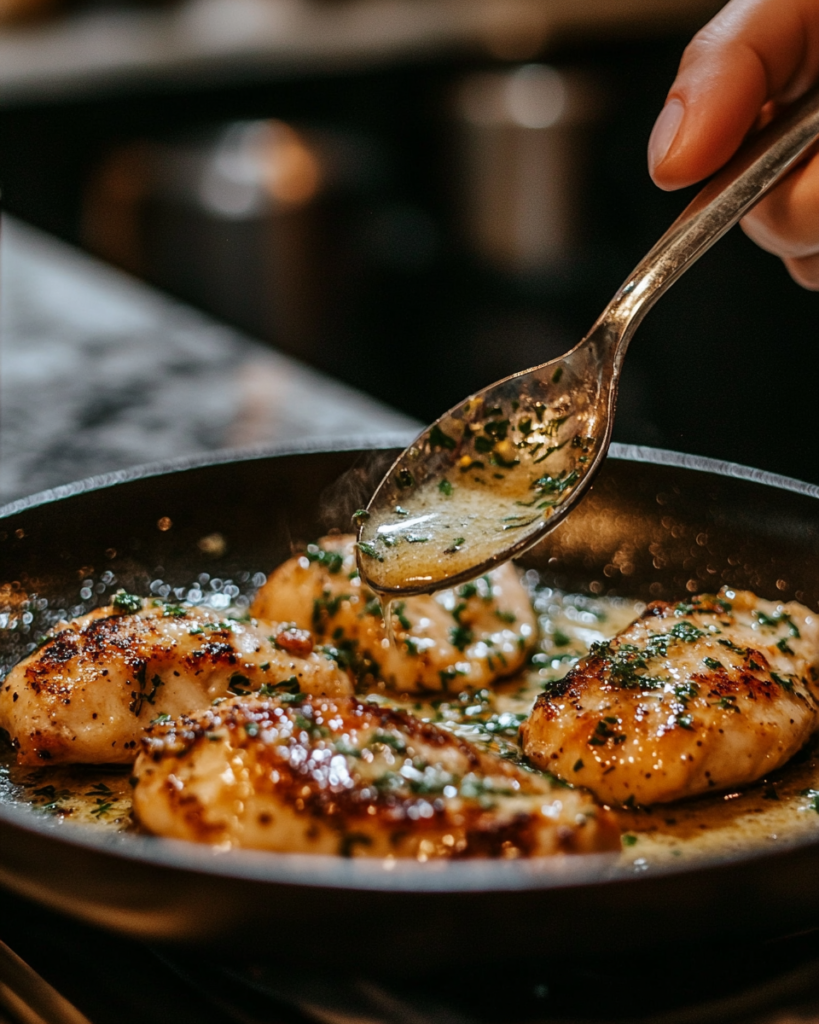
Return the chicken to the skillet along with any juices collected on the plate. Spoon the garlic butter sauce over the chicken several times while it warms through. Allow everything to simmer together for another three minutes so the chicken absorbs part of the sauce.
Scatter fresh parsley across the skillet just before serving. A final spoonful of warm garlic butter sauce over each serving adds extra richness and keeps the chicken moist.
One common mistake involves cooking the garlic too long. Garlic only needs a short cooking time once added to butter. Another issue comes from flipping the chicken too early. Allow the chicken to naturally release from the skillet before turning it. This helps create a rich golden crust without tearing the surface.
Tips, Variations & Substitutions
Chicken thighs may replace chicken breasts for a richer texture. Thighs stay juicy even after extended cooking and work nicely in skillet meals. Thin chicken cutlets also cook quickly and suit busy weeknight dinners.
For extra vegetables, spinach may be stirred into the sauce during the final minutes of cooking. Mushrooms, zucchini, asparagus, or green beans also cook well in the same skillet. Adding vegetables directly into the pan helps the dish stay simple while building flavor naturally.
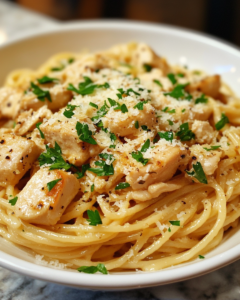
Heavy cream may be added for a thicker sauce. About 1/3 cup stirred into the broth creates a rich creamy texture that pairs nicely with pasta or mashed potatoes. Grated Parmesan may also be added near the end for a deeper savory finish.
Fresh thyme or rosemary gives the skillet a slightly different herbal flavor. Smoked paprika creates a richer taste compared to standard paprika. A small spoonful of Dijon mustard may also add depth to the sauce without overpowering the garlic butter.
For lighter meals, part of the butter may be replaced with olive oil. Low-sodium broth helps control salt levels while still keeping the sauce flavorful.
Leftovers store well in the refrigerator for up to three days. Reheat slowly over low heat with a splash of broth so the sauce stays smooth and the chicken remains tender.
Serving Ideas & Occasions
Garlic Butter Chicken Skillet fits many occasions thanks to its rich flavor and simple cooking method. It works beautifully for weeknight dinners, casual family meals, or small gatherings with friends.
Mashed potatoes pair especially well with the buttery sauce since they soak up every spoonful. Rice, buttered noodles, roasted potatoes, or crusty bread also complement the skillet nicely. For lighter sides, roasted broccoli, green beans, or a crisp salad bring balance to the richness of the chicken.
A glass of iced tea, sparkling water with lemon, or light white wine pairs naturally with the savory garlic flavor. During colder months, the warm buttery aroma makes this dish especially comforting.
Since the recipe cooks in one skillet, it also suits busy evenings when fewer dishes matter. The rich pan sauce and golden chicken give the meal a cozy homemade feel without requiring long preparation time.
Nutritional & Health Notes
Garlic Butter Chicken Skillet provides a solid source of protein from the chicken while keeping carbohydrates fairly low. Chicken breasts contain lean protein that supports fullness and balanced meals. Garlic adds strong savory flavor without extra calories.
Butter creates richness and flavor, though the amount may be adjusted according to personal preference. Using part olive oil and part butter creates a slightly lighter sauce while still keeping the skillet flavorful.
Fresh parsley and lemon juice brighten the dish naturally and help balance the richness of the butter. Serving the chicken with vegetables or salad adds fiber and variety to the meal.
Portion size affects the overall nutritional balance. Pairing the skillet with steamed vegetables or roasted greens creates a hearty but balanced dinner. Lower-sodium broth also helps reduce overall salt content while keeping the sauce savory and satisfying.
FAQs
Can I use chicken thighs instead of chicken breasts?
Chicken thighs work very nicely in Garlic Butter Chicken Skillet and often stay slightly juicier during cooking. Boneless skinless thighs cook in about the same amount of time as chicken breasts, though thicker pieces may need an extra minute or two. Thighs also contain a richer flavor that pairs beautifully with butter and garlic. Many home cooks prefer thighs since they stay tender even after reheating. When cooking thighs, keep the heat at medium-high so the outside browns properly before the inside fully cooks. A meat thermometer still helps during cooking since the internal temperature should reach 165 degrees Fahrenheit before serving.
How do I keep the chicken from drying out?
Dry chicken often comes from overcooking or cooking over heat that is too high for too long. Patting the chicken dry before seasoning helps the outside brown quickly, which reduces the cooking time overall. Using evenly sized pieces also helps the chicken cook at the same rate. After searing, avoid leaving the chicken in the skillet longer than necessary. Returning it briefly to the sauce near the end helps keep it moist. A thermometer gives the most reliable result since guessing can easily lead to overcooked chicken. Allowing the cooked chicken to rest for several minutes before slicing also helps the juices stay inside.
Can I prepare this recipe ahead of time?
This recipe may be prepared several hours ahead and reheated before serving. Cook the chicken fully, then store it together with the sauce in a sealed container inside the refrigerator. Reheat slowly in a skillet over low heat with a small splash of broth if the sauce thickens too much during storage. Fresh parsley should ideally be added after reheating so it stays bright and fresh. While freshly cooked chicken gives the richest texture, leftovers still taste very satisfying the following day. Many people find the garlic flavor becomes even richer after resting overnight in the refrigerator.
What vegetables pair well with this skillet meal?
Many vegetables pair naturally with Garlic Butter Chicken Skillet because the buttery garlic sauce complements both roasted and steamed sides. Broccoli, asparagus, spinach, mushrooms, zucchini, and green beans work especially well. Mushrooms may even cook directly in the skillet after the chicken finishes browning. Spinach wilts quickly into the sauce during the final minutes of cooking. Roasted carrots or Brussels sprouts also bring slightly sweet flavor that balances the savory garlic butter. For lighter meals, a crisp salad with lemon dressing creates freshness beside the rich chicken and sauce.
Can I freeze Garlic Butter Chicken Skillet?
Yes, this dish freezes fairly well when stored correctly. Allow the chicken and sauce to cool fully before placing them into airtight containers or freezer bags. Frozen portions generally keep their quality for about two months. Thaw overnight in the refrigerator before reheating slowly in a skillet over low heat. Adding a splash of broth during reheating helps refresh the sauce texture. Fresh parsley should be added after reheating rather than before freezing. While cream-based versions may separate slightly after thawing, the standard garlic butter sauce usually reheats smoothly with gentle stirring.
What type of skillet works best?
A large heavy skillet gives the most even cooking and creates a richer browned crust on the chicken. Cast iron skillets work especially nicely because they hold heat very well and create strong browning. Stainless steel pans also perform nicely during searing and sauce making. Nonstick skillets work too, though they may not create quite as much browning on the chicken surface. The pan should feel large enough so the chicken pieces do not overlap while cooking. Overcrowding traps moisture and prevents the golden crust that gives the dish much of its flavor.
Can I make the sauce creamy?
A creamy version works beautifully with this recipe. After the broth reduces slightly, stir in heavy cream and allow the sauce to simmer gently for several minutes. Parmesan cheese may also be added for richer flavor and a slightly thicker texture. Creamy garlic butter sauce pairs especially nicely with pasta, rice, or mashed potatoes. Keep the heat fairly low once cream enters the skillet since high heat may cause separation. A small amount of cream often gives enough richness without overpowering the garlic flavor or making the dish too heavy.