Creamy Tuscan Chicken Pasta: 5 Simple Comforting Bowls

Posted on

Uncategorized

Difficulty

Prep time

Cooking time

Total time

Servings

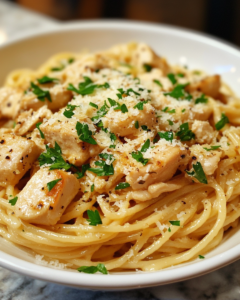
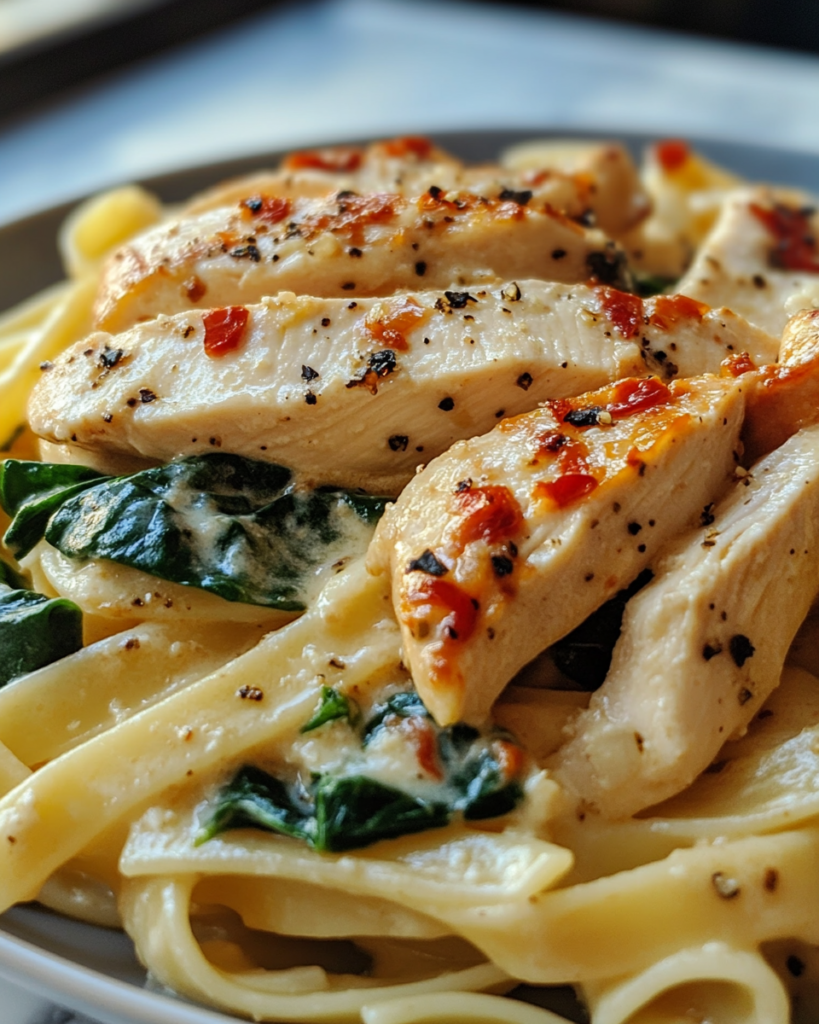
Creamy Tuscan Chicken Pasta brings together tender chicken, garlic, parmesan, spinach, and sun-dried tomatoes in a silky sauce that coats every strand of pasta. The combination feels rich without becoming heavy, while the balance of savory chicken and bright tomatoes keeps each bite lively.

This pasta dish fits busy evenings, casual family dinners, and relaxed weekend meals. It comes together in a single skillet alongside a pot of pasta, which keeps cleanup manageable while building deep flavor from simple pantry staples. The creamy sauce clings beautifully to penne, fettuccine, or rigatoni, and the wilted spinach adds color along with a gentle earthy note.

The heart of this recipe comes from layering flavor carefully. Chicken develops a golden crust in the skillet before garlic and tomatoes soften in the remaining drippings. Cream and parmesan then blend into a smooth sauce that wraps around the pasta without becoming overly thick. Fresh basil at the end brightens the entire dish.

Ingredients Overview
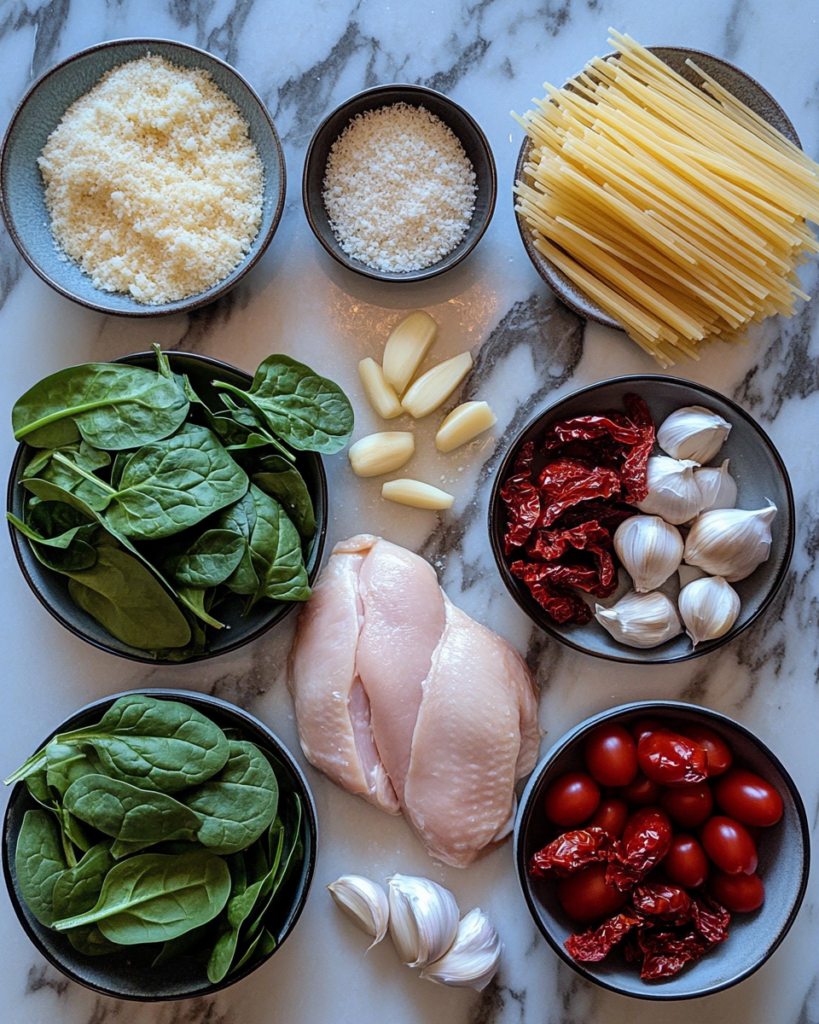
Chicken breast works beautifully in Creamy Tuscan Chicken Pasta because it cooks quickly and stays tender when sliced thinly. Boneless chicken thighs also work nicely for diners who prefer slightly richer flavor and juicier texture. A light coating of seasoning before cooking helps the chicken develop a flavorful browned surface that deepens the sauce later.

Pasta forms the backbone of the dish. Penne and rigatoni catch the creamy sauce inside their ridges, while fettuccine creates a softer restaurant-style texture. Cooking the pasta until just tender keeps it from turning soft after mixing with the warm sauce.

Garlic gives the sauce its savory foundation. Fresh cloves provide cleaner flavor than jarred garlic, though either can work during busy evenings. Sun-dried tomatoes bring concentrated sweetness and slight tanginess that balances the richness of the cream and cheese.

Heavy cream creates the smooth texture associated with Tuscan-style pasta dishes. Half-and-half can replace part of the cream for a lighter sauce, though the texture becomes slightly thinner. Parmesan melts into the sauce while adding salty depth and gentle nuttiness.

Fresh spinach softens quickly in the warm sauce and adds freshness that balances the creamy elements. Basil adds fragrance right before serving. A small amount of chicken broth loosens the sauce and helps everything blend smoothly without becoming overly dense.

Ingredients

2 boneless skinless chicken breasts, sliced thinly
1 teaspoon salt
1/2 teaspoon black pepper
1 teaspoon Italian seasoning
2 tablespoons olive oil
12 ounces penne pasta
4 cloves garlic, minced
1/2 cup chopped sun-dried tomatoes
2 cups fresh spinach
1 1/2 cups heavy cream
1/2 cup chicken broth
1 cup freshly grated parmesan cheese
1/4 teaspoon crushed red pepper flakes
2 tablespoons chopped fresh basil
1 tablespoon butter

Step-by-Step Instructions
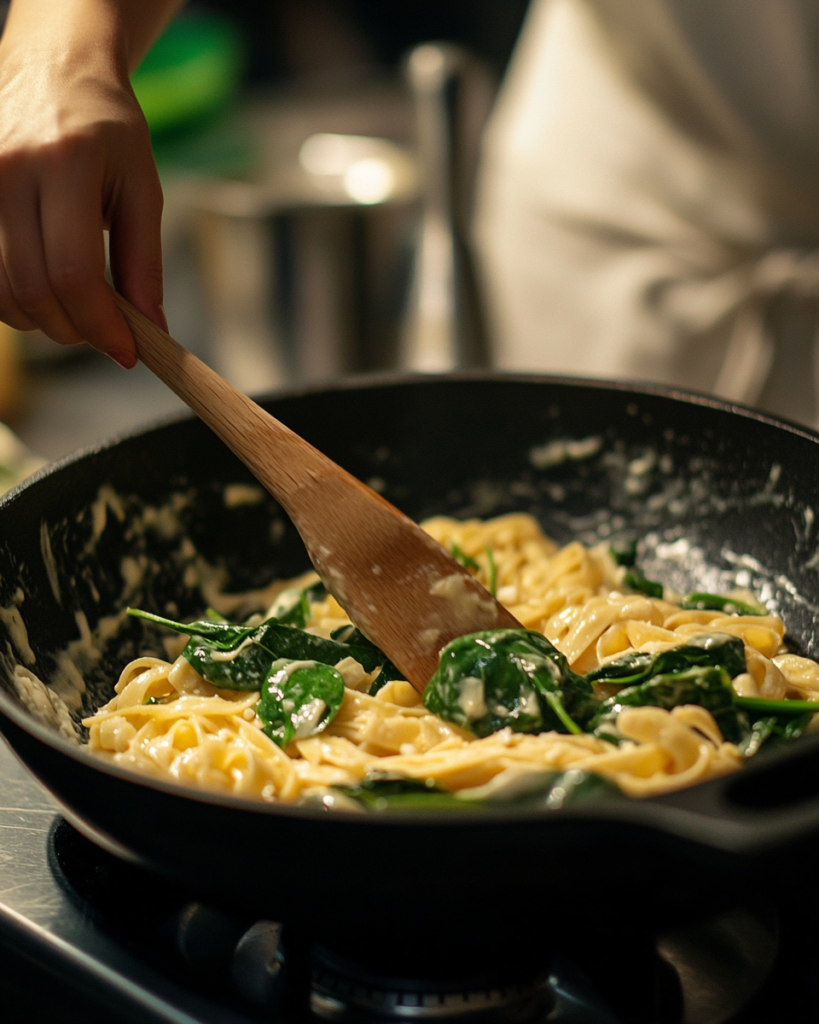
Bring a large pot of salted water to a boil. Add the pasta and cook until just tender according to package directions. Reserve about 1/2 cup of pasta water before draining. Set the cooked pasta aside while preparing the sauce.

Pat the sliced chicken dry with paper towels. Season both sides with salt, black pepper, and Italian seasoning. Heating the skillet properly before adding the chicken helps create a rich golden crust instead of pale steamed meat.

Place a large skillet over medium-high heat and add the olive oil. Once the oil shimmers lightly, add the chicken in a single layer. Cook for about 4 to 5 minutes per side until golden brown and fully cooked. Avoid crowding the skillet because packed chicken releases moisture too quickly and prevents browning. Transfer the cooked chicken to a plate.

Reduce the heat to medium. Add butter to the skillet, followed by the minced garlic and sun-dried tomatoes. Stir constantly for about 1 minute until fragrant. Garlic burns quickly, so gentle heat works best during this step.

Pour in the chicken broth and scrape the skillet gently with a wooden spoon to loosen browned bits from the bottom. Those browned bits hold concentrated savory flavor that enriches the sauce naturally.

Add the heavy cream and stir slowly. Allow the mixture to simmer gently for 3 to 4 minutes. Avoid boiling the cream aggressively because high heat can create a grainy texture. Stir in the parmesan cheese gradually until fully melted and smooth.

Add the spinach and crushed red pepper flakes. Stir until the spinach wilts into the sauce. Return the cooked chicken to the skillet and mix gently.

Add the drained pasta directly into the sauce. Toss carefully until every piece becomes coated. If the sauce feels too thick, stir in a splash of reserved pasta water until the texture loosens slightly.

Taste the sauce and adjust seasoning if needed. Scatter chopped basil over the pasta immediately before serving for added freshness.

A common issue with creamy pasta dishes comes from overheating the sauce after adding cheese. Keeping the heat moderate helps the parmesan melt smoothly rather than clumping. Another frequent mistake involves overcooking the pasta before combining it with the sauce. Slightly firm pasta holds its shape better and absorbs flavor beautifully.

Tips, Variations & Substitutions

Freshly grated parmesan melts far more smoothly than pre-shredded cheese because packaged cheese often contains anti-caking ingredients that affect texture. For the smoothest sauce, grate the cheese shortly before cooking.

Chicken thighs can replace chicken breasts for richer flavor. Shrimp also pairs beautifully with the creamy garlic sauce and cooks quickly in the same skillet. For a meatless version, sautéed mushrooms bring hearty texture and savory depth.

Spinach can be replaced with kale, though kale benefits from a slightly longer cooking time. Roasted red peppers create a sweeter flavor profile than sun-dried tomatoes while still adding vibrant color.

Whole wheat pasta adds extra fiber and slightly nuttier flavor. Gluten-free pasta also works nicely, though it should remain slightly firm before mixing into the sauce since gluten-free varieties soften quickly.

For lighter texture, replace part of the cream with milk and increase the parmesan slightly for balance. A small squeeze of lemon juice before serving brightens the richness beautifully without overpowering the sauce.

Leftovers reheat best over low heat with a splash of milk or broth stirred into the skillet. Gentle warming keeps the sauce smooth and creamy instead of thick and sticky.

Serving Ideas & Occasions

Creamy Tuscan Chicken Pasta pairs beautifully with garlic bread, roasted asparagus, or a crisp green salad dressed lightly with olive oil and lemon. The creamy sauce also works nicely beside roasted broccoli or sautéed green beans for added texture and color.

Sparkling water with citrus slices or lightly chilled iced tea balances the richness comfortably. For gatherings, serving the pasta in a large shallow bowl topped with basil and extra parmesan creates an inviting presentation.

This dish suits family dinners, cozy cold-weather evenings, birthday meals at home, and casual dinner parties. Since the recipe comes together fairly quickly, it also works well during weeknights when time feels limited but a warm hearty meal still sounds appealing.

The creamy sauce keeps the pasta satisfying without requiring complicated preparation, which makes it popular for both everyday dinners and relaxed entertaining.

Nutritional & Health Notes

Creamy Tuscan Chicken Pasta contains protein from chicken along with calcium from parmesan cheese and cream. Spinach contributes iron, potassium, and additional vitamins while adding freshness to the dish.

Using boneless skinless chicken breast keeps the meal balanced while still providing hearty texture. Diners seeking a lighter version can reduce the cream slightly or use whole wheat pasta for added fiber and longer-lasting fullness.

Sun-dried tomatoes contribute concentrated flavor, allowing the sauce to taste rich without requiring large amounts of butter. Parmesan adds savory depth, which helps limit excess salt in the recipe.

Portion balance matters with creamy pasta dishes. Pairing the pasta with vegetables or salad creates a more rounded meal while balancing the richness of the sauce. Since the recipe contains dairy, leftovers should remain refrigerated and warmed gently before serving again.

FAQs

Can I prepare Creamy Tuscan Chicken Pasta ahead of time?

Creamy Tuscan Chicken Pasta can be prepared several hours ahead and reheated carefully before serving. For the smoothest texture, cook the pasta slightly firm so it holds up during reheating. Store the pasta and sauce together in an airtight container inside the refrigerator.

When reheating, place the pasta in a skillet over low heat and stir in a small splash of milk, cream, or broth. Gentle heat keeps the sauce silky rather than overly thick. Stir frequently until warmed through. Basil tastes freshest when added right before serving instead of during storage.

Which pasta shape works nicely for this recipe?

Penne, rigatoni, and fettuccine all pair beautifully with the creamy sauce. Tubular pasta shapes trap the sauce inside their ridges and hold pieces of spinach and tomato throughout the dish. Long noodles such as fettuccine create a softer texture with more dramatic presentation.

Short pasta usually reheats slightly better because it stays firmer after refrigeration. Regardless of the shape selected, cooking the pasta until just tender prevents it from becoming overly soft once mixed with the warm sauce.

Can I freeze Creamy Tuscan Chicken Pasta?

Cream-based sauces sometimes separate slightly after freezing, though the pasta still remains enjoyable when reheated gently. For stronger texture, freeze the sauce separately from freshly cooked pasta whenever possible.

Allow the dish to cool completely before transferring it into freezer-safe containers. Thaw overnight inside the refrigerator before warming slowly in a skillet over low heat. Stirring in a small splash of cream or broth during reheating helps bring the sauce back together smoothly.

Spinach softens further after freezing, though the flavor remains pleasant and savory.

How do I keep the sauce smooth and creamy?

Moderate heat plays a major role in creamy sauce texture. Boiling heavy cream aggressively can create separation, especially after adding parmesan cheese. Gentle simmering allows the ingredients to blend gradually into a smooth sauce.

Freshly grated parmesan also melts more evenly than packaged shredded cheese. Adding the cheese little by little while stirring constantly keeps the texture silky. If the sauce thickens too much, reserved pasta water helps loosen it naturally while maintaining creamy consistency.

Can I add extra vegetables?

Additional vegetables fit beautifully into this recipe. Mushrooms, zucchini, asparagus, or roasted red peppers blend naturally with the creamy garlic sauce. Vegetables with high moisture should cook briefly before adding cream so excess liquid does not thin the sauce too much.

Broccoli florets can cook directly with the pasta during the final few minutes of boiling. That method saves time while keeping preparation simple. Fresh herbs such as parsley or basil also brighten the finished dish without overpowering the creamy base.

What type of chicken tastes nicest in this pasta?

Boneless skinless chicken breast stays lean and tender when sliced thinly and cooked quickly. Chicken thighs bring slightly richer flavor and remain juicy even with a little extra cooking time. Both options pair beautifully with the creamy parmesan sauce.

Seasoning the chicken before cooking helps develop deeper flavor throughout the dish. Allowing the meat to brown properly inside the skillet also creates savory drippings that strengthen the sauce naturally once broth and cream are added later.

Why did my sauce become too thick?

Cream sauces continue thickening as they cool, especially after mixing with pasta. If the sauce becomes overly dense, stir in reserved pasta water, broth, or milk a little at a time until the texture loosens comfortably.

Overheating can also reduce the liquid too quickly. Keeping the sauce at a gentle simmer rather than a hard boil helps maintain balanced texture. Pasta absorbs liquid during storage as well, so leftovers usually benefit from extra liquid during reheating.

[rank_math_breadcrumb]

Creamy Tuscan Chicken Pasta: 5 Simple Comforting Bowls

Photo of author
Author: Zoey
Published:

Creamy Tuscan Chicken Pasta brings together tender chicken, garlic, parmesan, spinach, and sun-dried tomatoes in a silky sauce that coats every strand of pasta. The combination feels rich without becoming heavy, while the balance of savory chicken and bright tomatoes keeps each bite lively.

This pasta dish fits busy evenings, casual family dinners, and relaxed weekend meals. It comes together in a single skillet alongside a pot of pasta, which keeps cleanup manageable while building deep flavor from simple pantry staples. The creamy sauce clings beautifully to penne, fettuccine, or rigatoni, and the wilted spinach adds color along with a gentle earthy note.

The heart of this recipe comes from layering flavor carefully. Chicken develops a golden crust in the skillet before garlic and tomatoes soften in the remaining drippings. Cream and parmesan then blend into a smooth sauce that wraps around the pasta without becoming overly thick. Fresh basil at the end brightens the entire dish.

Ingredients Overview

Chicken breast works beautifully in Creamy Tuscan Chicken Pasta because it cooks quickly and stays tender when sliced thinly. Boneless chicken thighs also work nicely for diners who prefer slightly richer flavor and juicier texture. A light coating of seasoning before cooking helps the chicken develop a flavorful browned surface that deepens the sauce later.

Pasta forms the backbone of the dish. Penne and rigatoni catch the creamy sauce inside their ridges, while fettuccine creates a softer restaurant-style texture. Cooking the pasta until just tender keeps it from turning soft after mixing with the warm sauce.

Garlic gives the sauce its savory foundation. Fresh cloves provide cleaner flavor than jarred garlic, though either can work during busy evenings. Sun-dried tomatoes bring concentrated sweetness and slight tanginess that balances the richness of the cream and cheese.

Heavy cream creates the smooth texture associated with Tuscan-style pasta dishes. Half-and-half can replace part of the cream for a lighter sauce, though the texture becomes slightly thinner. Parmesan melts into the sauce while adding salty depth and gentle nuttiness.

Fresh spinach softens quickly in the warm sauce and adds freshness that balances the creamy elements. Basil adds fragrance right before serving. A small amount of chicken broth loosens the sauce and helps everything blend smoothly without becoming overly dense.

Ingredients

2 boneless skinless chicken breasts, sliced thinly
1 teaspoon salt
1/2 teaspoon black pepper
1 teaspoon Italian seasoning
2 tablespoons olive oil
12 ounces penne pasta
4 cloves garlic, minced
1/2 cup chopped sun-dried tomatoes
2 cups fresh spinach
1 1/2 cups heavy cream
1/2 cup chicken broth
1 cup freshly grated parmesan cheese
1/4 teaspoon crushed red pepper flakes
2 tablespoons chopped fresh basil
1 tablespoon butter

Step-by-Step Instructions

Bring a large pot of salted water to a boil. Add the pasta and cook until just tender according to package directions. Reserve about 1/2 cup of pasta water before draining. Set the cooked pasta aside while preparing the sauce.

Pat the sliced chicken dry with paper towels. Season both sides with salt, black pepper, and Italian seasoning. Heating the skillet properly before adding the chicken helps create a rich golden crust instead of pale steamed meat.

Place a large skillet over medium-high heat and add the olive oil. Once the oil shimmers lightly, add the chicken in a single layer. Cook for about 4 to 5 minutes per side until golden brown and fully cooked. Avoid crowding the skillet because packed chicken releases moisture too quickly and prevents browning. Transfer the cooked chicken to a plate.

Reduce the heat to medium. Add butter to the skillet, followed by the minced garlic and sun-dried tomatoes. Stir constantly for about 1 minute until fragrant. Garlic burns quickly, so gentle heat works best during this step.

Pour in the chicken broth and scrape the skillet gently with a wooden spoon to loosen browned bits from the bottom. Those browned bits hold concentrated savory flavor that enriches the sauce naturally.

Add the heavy cream and stir slowly. Allow the mixture to simmer gently for 3 to 4 minutes. Avoid boiling the cream aggressively because high heat can create a grainy texture. Stir in the parmesan cheese gradually until fully melted and smooth.

Add the spinach and crushed red pepper flakes. Stir until the spinach wilts into the sauce. Return the cooked chicken to the skillet and mix gently.

Add the drained pasta directly into the sauce. Toss carefully until every piece becomes coated. If the sauce feels too thick, stir in a splash of reserved pasta water until the texture loosens slightly.

Taste the sauce and adjust seasoning if needed. Scatter chopped basil over the pasta immediately before serving for added freshness.

A common issue with creamy pasta dishes comes from overheating the sauce after adding cheese. Keeping the heat moderate helps the parmesan melt smoothly rather than clumping. Another frequent mistake involves overcooking the pasta before combining it with the sauce. Slightly firm pasta holds its shape better and absorbs flavor beautifully.

Tips, Variations & Substitutions

Freshly grated parmesan melts far more smoothly than pre-shredded cheese because packaged cheese often contains anti-caking ingredients that affect texture. For the smoothest sauce, grate the cheese shortly before cooking.

Chicken thighs can replace chicken breasts for richer flavor. Shrimp also pairs beautifully with the creamy garlic sauce and cooks quickly in the same skillet. For a meatless version, sautéed mushrooms bring hearty texture and savory depth.

Spinach can be replaced with kale, though kale benefits from a slightly longer cooking time. Roasted red peppers create a sweeter flavor profile than sun-dried tomatoes while still adding vibrant color.

Whole wheat pasta adds extra fiber and slightly nuttier flavor. Gluten-free pasta also works nicely, though it should remain slightly firm before mixing into the sauce since gluten-free varieties soften quickly.

For lighter texture, replace part of the cream with milk and increase the parmesan slightly for balance. A small squeeze of lemon juice before serving brightens the richness beautifully without overpowering the sauce.

Leftovers reheat best over low heat with a splash of milk or broth stirred into the skillet. Gentle warming keeps the sauce smooth and creamy instead of thick and sticky.

Serving Ideas & Occasions

Creamy Tuscan Chicken Pasta pairs beautifully with garlic bread, roasted asparagus, or a crisp green salad dressed lightly with olive oil and lemon. The creamy sauce also works nicely beside roasted broccoli or sautéed green beans for added texture and color.

Sparkling water with citrus slices or lightly chilled iced tea balances the richness comfortably. For gatherings, serving the pasta in a large shallow bowl topped with basil and extra parmesan creates an inviting presentation.

This dish suits family dinners, cozy cold-weather evenings, birthday meals at home, and casual dinner parties. Since the recipe comes together fairly quickly, it also works well during weeknights when time feels limited but a warm hearty meal still sounds appealing.

The creamy sauce keeps the pasta satisfying without requiring complicated preparation, which makes it popular for both everyday dinners and relaxed entertaining.

Nutritional & Health Notes

Creamy Tuscan Chicken Pasta contains protein from chicken along with calcium from parmesan cheese and cream. Spinach contributes iron, potassium, and additional vitamins while adding freshness to the dish.

Using boneless skinless chicken breast keeps the meal balanced while still providing hearty texture. Diners seeking a lighter version can reduce the cream slightly or use whole wheat pasta for added fiber and longer-lasting fullness.

Sun-dried tomatoes contribute concentrated flavor, allowing the sauce to taste rich without requiring large amounts of butter. Parmesan adds savory depth, which helps limit excess salt in the recipe.

Portion balance matters with creamy pasta dishes. Pairing the pasta with vegetables or salad creates a more rounded meal while balancing the richness of the sauce. Since the recipe contains dairy, leftovers should remain refrigerated and warmed gently before serving again.

FAQs

Can I prepare Creamy Tuscan Chicken Pasta ahead of time?

Creamy Tuscan Chicken Pasta can be prepared several hours ahead and reheated carefully before serving. For the smoothest texture, cook the pasta slightly firm so it holds up during reheating. Store the pasta and sauce together in an airtight container inside the refrigerator.

When reheating, place the pasta in a skillet over low heat and stir in a small splash of milk, cream, or broth. Gentle heat keeps the sauce silky rather than overly thick. Stir frequently until warmed through. Basil tastes freshest when added right before serving instead of during storage.

Which pasta shape works nicely for this recipe?

Penne, rigatoni, and fettuccine all pair beautifully with the creamy sauce. Tubular pasta shapes trap the sauce inside their ridges and hold pieces of spinach and tomato throughout the dish. Long noodles such as fettuccine create a softer texture with more dramatic presentation.

Short pasta usually reheats slightly better because it stays firmer after refrigeration. Regardless of the shape selected, cooking the pasta until just tender prevents it from becoming overly soft once mixed with the warm sauce.

Can I freeze Creamy Tuscan Chicken Pasta?

Cream-based sauces sometimes separate slightly after freezing, though the pasta still remains enjoyable when reheated gently. For stronger texture, freeze the sauce separately from freshly cooked pasta whenever possible.

Allow the dish to cool completely before transferring it into freezer-safe containers. Thaw overnight inside the refrigerator before warming slowly in a skillet over low heat. Stirring in a small splash of cream or broth during reheating helps bring the sauce back together smoothly.

Spinach softens further after freezing, though the flavor remains pleasant and savory.

How do I keep the sauce smooth and creamy?

Moderate heat plays a major role in creamy sauce texture. Boiling heavy cream aggressively can create separation, especially after adding parmesan cheese. Gentle simmering allows the ingredients to blend gradually into a smooth sauce.

Freshly grated parmesan also melts more evenly than packaged shredded cheese. Adding the cheese little by little while stirring constantly keeps the texture silky. If the sauce thickens too much, reserved pasta water helps loosen it naturally while maintaining creamy consistency.

Can I add extra vegetables?

Additional vegetables fit beautifully into this recipe. Mushrooms, zucchini, asparagus, or roasted red peppers blend naturally with the creamy garlic sauce. Vegetables with high moisture should cook briefly before adding cream so excess liquid does not thin the sauce too much.

Broccoli florets can cook directly with the pasta during the final few minutes of boiling. That method saves time while keeping preparation simple. Fresh herbs such as parsley or basil also brighten the finished dish without overpowering the creamy base.

What type of chicken tastes nicest in this pasta?

Boneless skinless chicken breast stays lean and tender when sliced thinly and cooked quickly. Chicken thighs bring slightly richer flavor and remain juicy even with a little extra cooking time. Both options pair beautifully with the creamy parmesan sauce.

Seasoning the chicken before cooking helps develop deeper flavor throughout the dish. Allowing the meat to brown properly inside the skillet also creates savory drippings that strengthen the sauce naturally once broth and cream are added later.

Why did my sauce become too thick?

Cream sauces continue thickening as they cool, especially after mixing with pasta. If the sauce becomes overly dense, stir in reserved pasta water, broth, or milk a little at a time until the texture loosens comfortably.

Overheating can also reduce the liquid too quickly. Keeping the sauce at a gentle simmer rather than a hard boil helps maintain balanced texture. Pasta absorbs liquid during storage as well, so leftovers usually benefit from extra liquid during reheating.
Name

Lorem ipsum dolor sit amet, consectetur adipiscing elit. Suspendisse varius enim in eros elementum tristique. Duis cursus, mi quis viverra ornare, eros dolor interdum nulla, ut commodo diam libero vitae erat.

You Might Also Like...

Chicken Quesadilla Skillet: 30-Minute Authentic Jubilant

Chicken Quesadilla Skillet: 30-Minute Authentic Jubilant

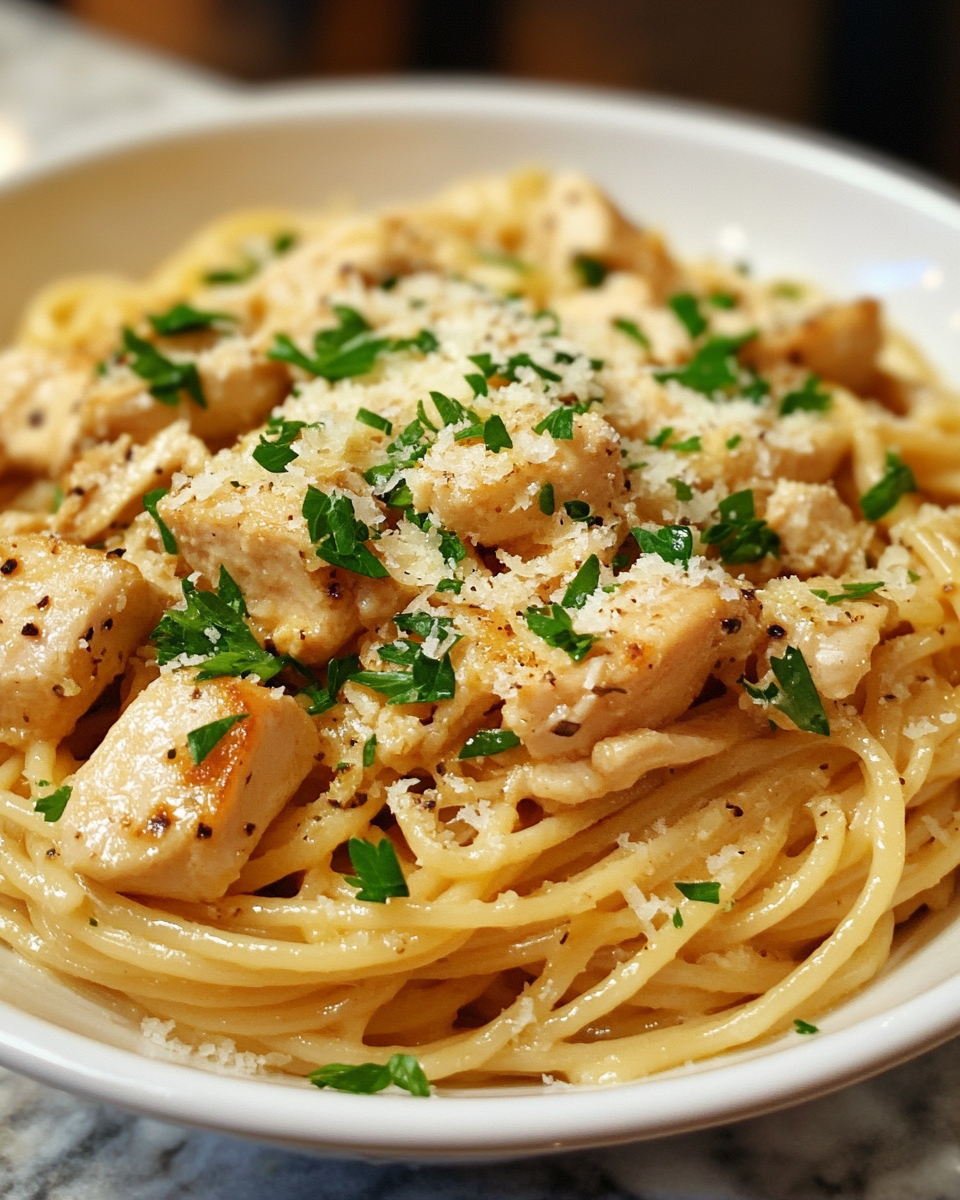
Garlic Butter Chicken Pasta: 5 Authentic, Grateful Bites

Garlic Butter Chicken Pasta: 5 Authentic, Grateful Bites

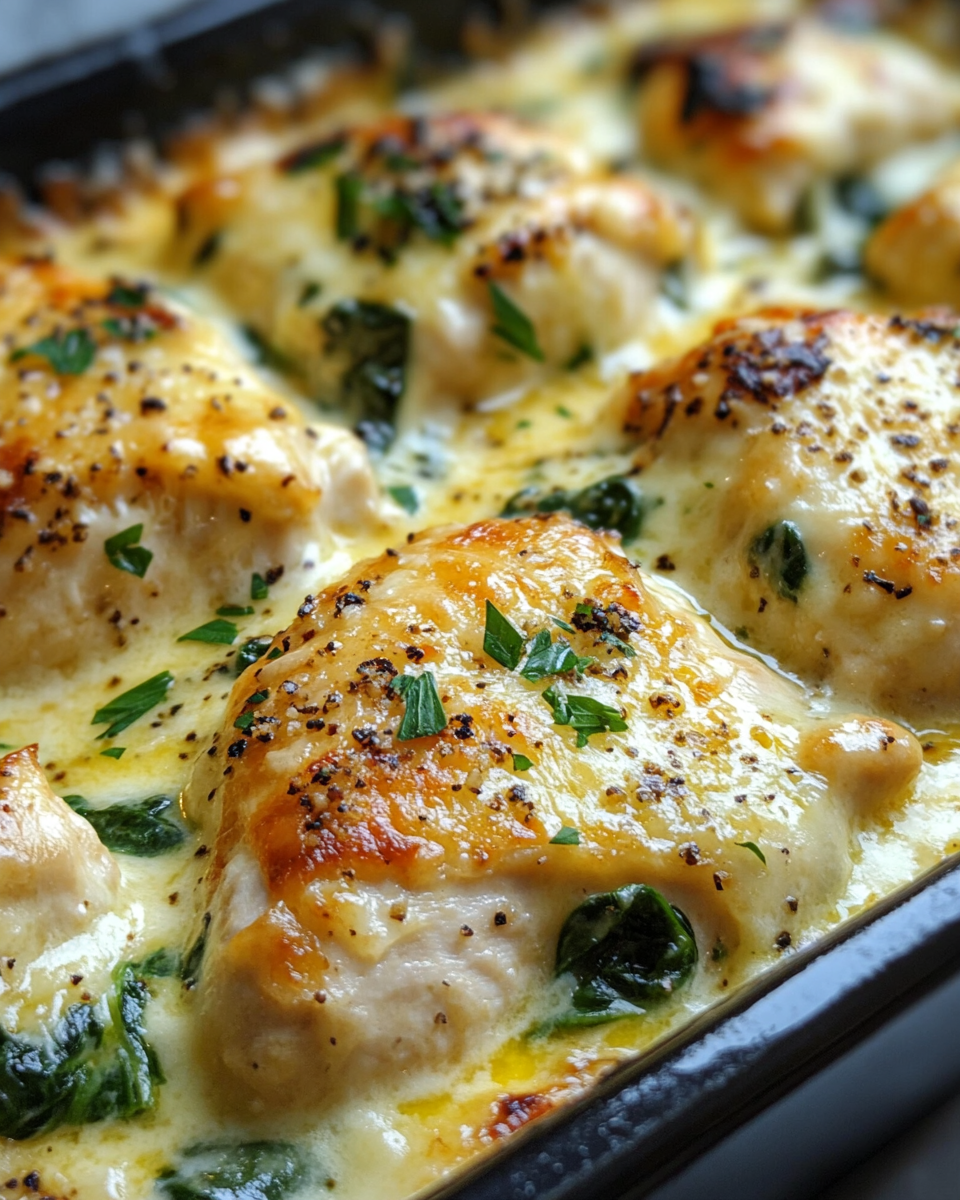
Creamy Spinach Chicken Bake: 5 Simple Comforting Meals

Creamy Spinach Chicken Bake: 5 Simple Comforting Meals

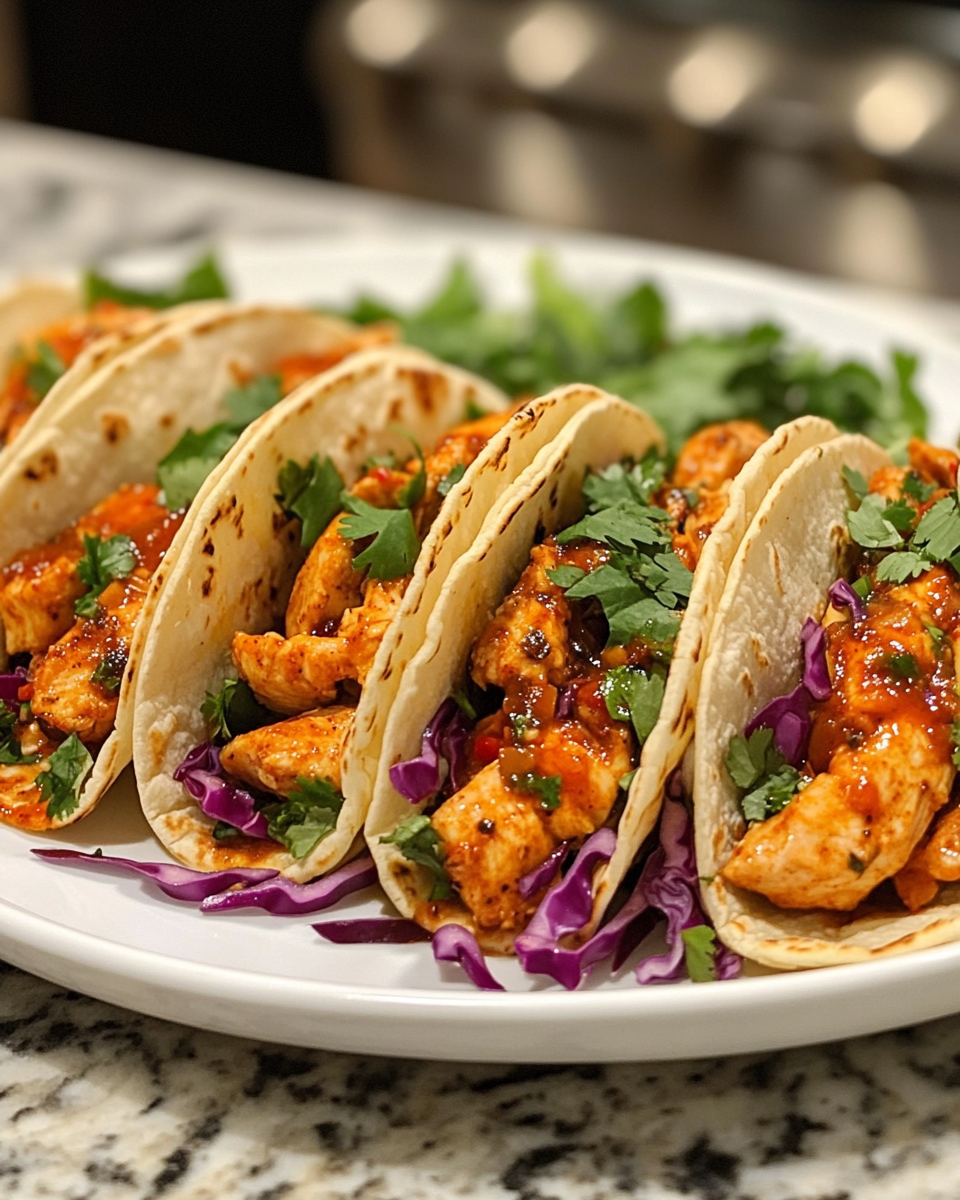
Sweet Chili Chicken Tacos: 7 Authentic Devoted Bites

Sweet Chili Chicken Tacos: 7 Authentic Devoted Bites

Tags:

You might also like these recipes

Leave a Comment