Baked BBQ Chicken Drumsticks: 5 Quick Comfort Bites

Posted on

Uncategorized

Difficulty

Prep time

Cooking time

Total time

Servings

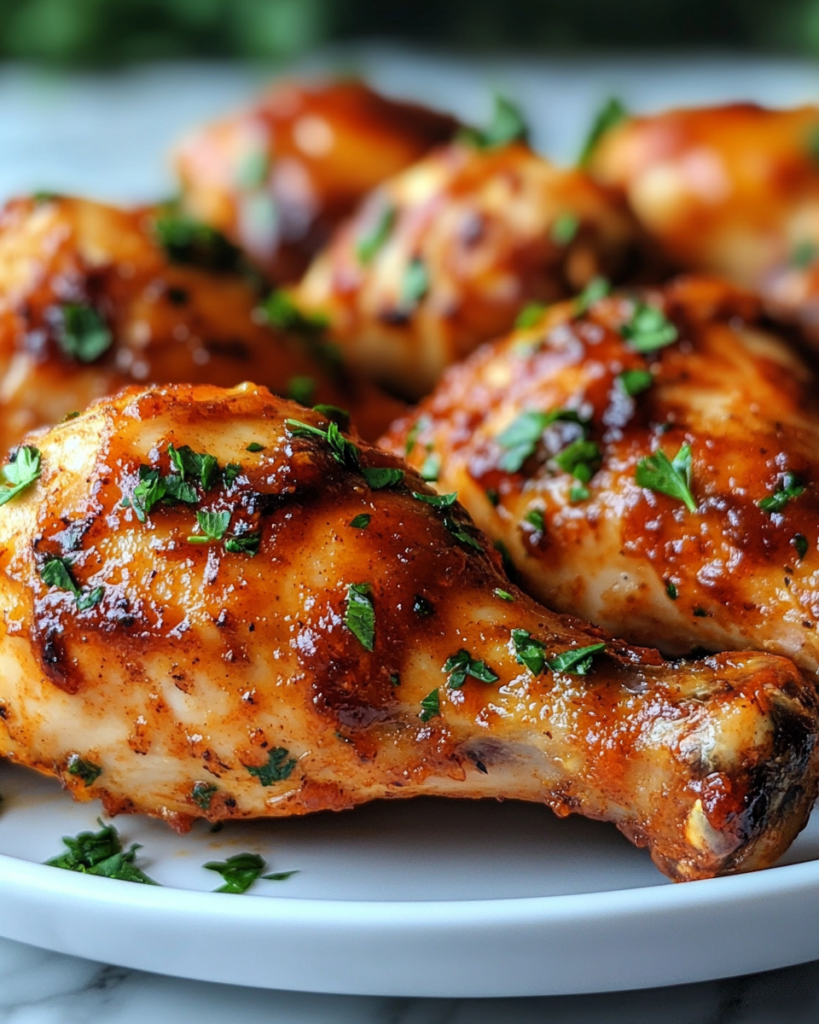
Baked BBQ Chicken Drumsticks bring together smoky barbecue sauce, tender chicken, and crisp oven-roasted skin in a dinner that feels hearty without demanding hours in the kitchen. The drumsticks roast slowly until the meat turns juicy and the sauce caramelizes around every piece. A hot oven helps the exterior develop rich color while the inside stays moist and flavorful.

This recipe works well for weeknight dinners, game gatherings, casual cookouts, and family meals throughout the year. Baking the drumsticks instead of grilling keeps preparation simple while still delivering deep barbecue flavor. The combination of spices and sauce creates a balanced taste with savory, sweet, smoky, and slightly tangy notes in every bite.

Ingredients Overview
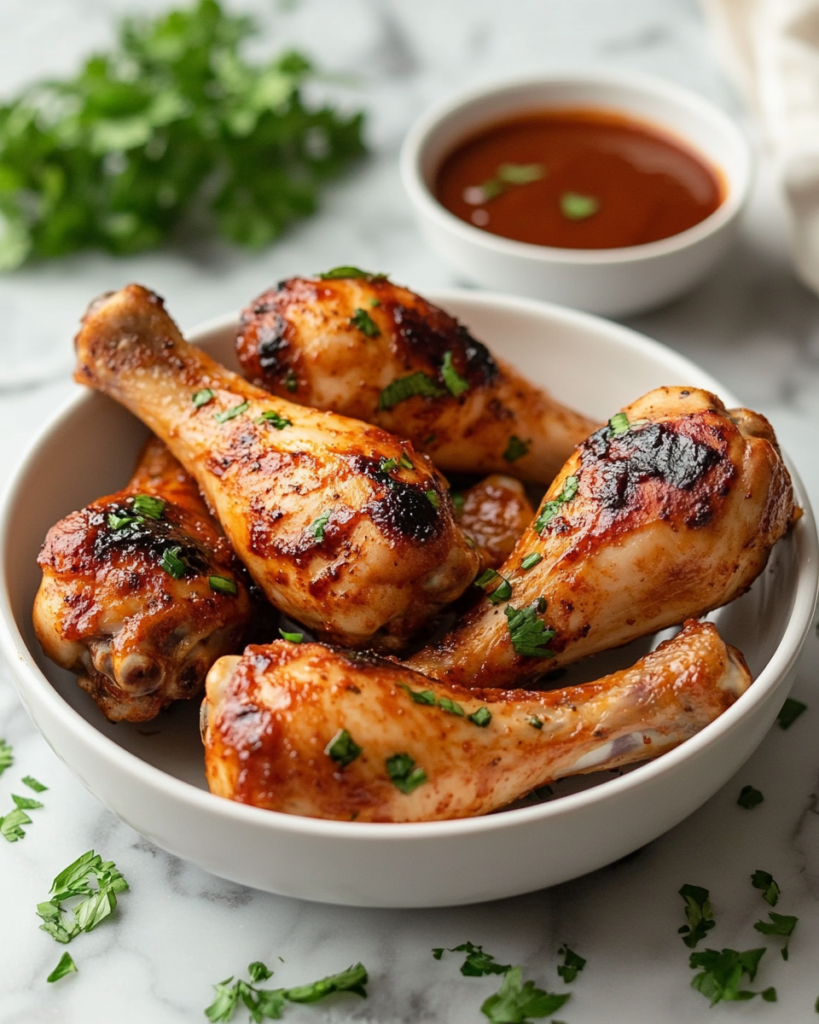
Chicken drumsticks are naturally flavorful because dark meat contains slightly higher fat content than chicken breast. During baking, that fat slowly renders and keeps the meat tender. Drumsticks also stay juicy even if they roast a little longer, which makes them forgiving for home cooks.

Barbecue sauce forms the foundation of the flavor profile. A thick sauce clings well to the chicken and caramelizes during the final stage of cooking. Traditional smoky barbecue sauce works beautifully, though honey barbecue, spicy chipotle, or maple-style varieties also fit nicely.

Olive oil helps the seasonings coat the drumsticks evenly while encouraging crisp skin during roasting. Paprika adds gentle warmth and rich color, while garlic powder and onion powder provide savory depth. A touch of brown sugar balances the smoky spices and supports caramelization in the oven.

Salt and black pepper sharpen the overall flavor without overpowering the sauce. Apple cider vinegar adds brightness and cuts through the richness of the chicken skin. If preferred, lemon juice can replace the vinegar for a lighter finish.

For a milder version, use a sweet barbecue sauce and skip cayenne pepper entirely. For deeper smoky flavor, smoked paprika works especially well. Skinless drumsticks may also be used, though the exterior will not develop the same roasted texture.

Ingredients

10 chicken drumsticks
2 tablespoons olive oil
1 teaspoon salt
1 teaspoon black pepper
1 teaspoon paprika
1 teaspoon garlic powder
1 teaspoon onion powder
1/2 teaspoon smoked paprika
1/2 teaspoon chili powder
1 tablespoon brown sugar
1 tablespoon apple cider vinegar
1 1/4 cups barbecue sauce
1 tablespoon Worcestershire sauce
1 teaspoon Dijon mustard
Fresh parsley, chopped for serving

Step-by-Step Instructions
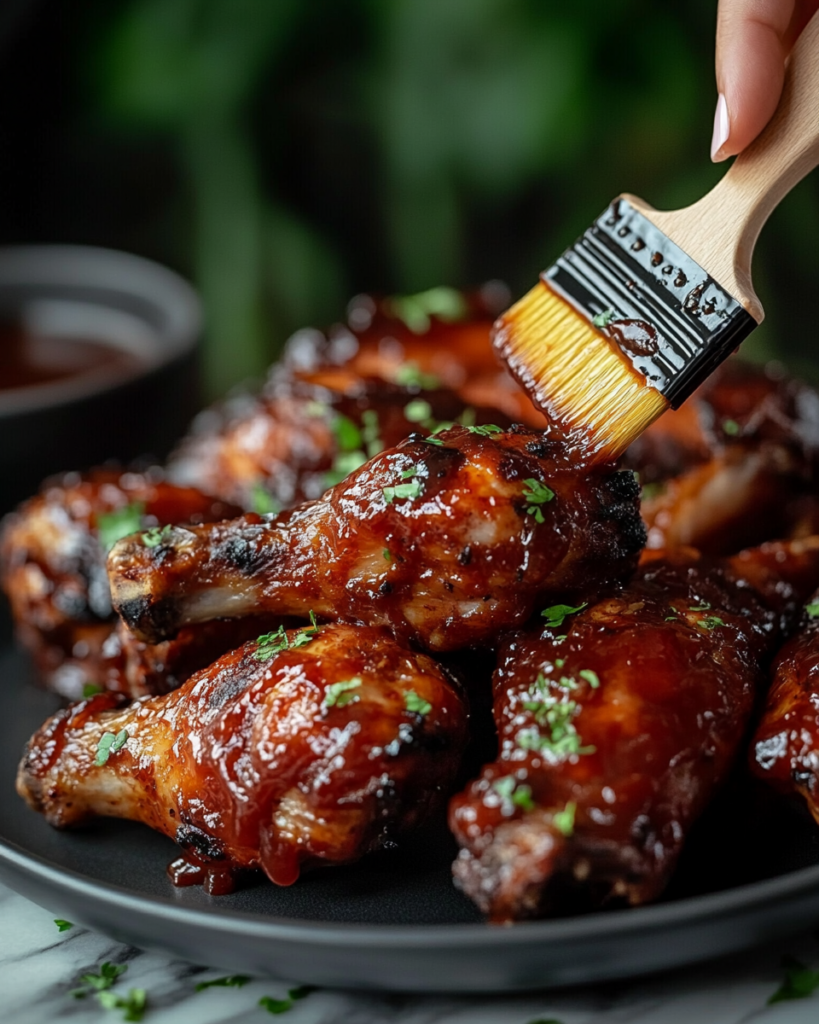
Preheat the oven to 425 degrees Fahrenheit. Line a large baking sheet or roasting pan with foil for easier cleanup, then place a wire rack over the pan if available. The rack allows hot air to circulate around the drumsticks and helps the skin roast evenly.

Pat the chicken drumsticks dry using paper towels. Removing excess moisture helps the exterior develop a roasted texture instead of steaming in the oven. Place the drumsticks in a large bowl.

Drizzle the olive oil over the chicken. Add salt, black pepper, paprika, smoked paprika, garlic powder, onion powder, chili powder, and brown sugar. Toss thoroughly until every drumstick carries an even coating of seasoning.

Arrange the drumsticks on the prepared baking sheet with space between each piece. Crowding the pan traps steam and prevents proper browning. Roast the chicken for 30 minutes.

While the chicken cooks, stir together the barbecue sauce, Worcestershire sauce, Dijon mustard, and apple cider vinegar in a small bowl. The vinegar brightens the sweetness of the sauce while the mustard adds subtle depth.

After 30 minutes, remove the pan from the oven. Brush a generous layer of barbecue sauce over each drumstick. Return the pan to the oven and bake for another 10 minutes.

Remove the chicken again and turn each drumstick carefully using tongs. Brush another layer of sauce on the opposite side. Return the drumsticks to the oven for 10 to 15 minutes more.

The chicken is finished when the internal temperature reaches 175 degrees Fahrenheit near the thickest section beside the bone. The skin should appear glossy and caramelized with lightly charred edges. Dark meat becomes more tender at slightly higher temperatures than white meat, so allowing the drumsticks to cook beyond the minimum safe temperature improves texture.

If thicker sauce coating is preferred, switch the oven to broil for 2 to 3 minutes at the end. Watch carefully during this stage because barbecue sauce contains sugar that can darken quickly.

Allow the drumsticks to rest for about 5 minutes before serving. Resting helps the juices settle back into the meat rather than running onto the plate immediately after cooking.

One frequent mistake involves applying the sauce too early. Since barbecue sauce contains sugar, coating the chicken at the start often leads to burning before the meat finishes cooking. Waiting until the final stage keeps the flavor rich without scorching the surface.

Tips, Variations & Substitutions

For extra crisp skin, refrigerate the seasoned drumsticks uncovered for one hour before baking. This helps dry the skin slightly and supports browning during roasting.

A spicy variation works nicely with cayenne pepper, chipotle powder, or hot barbecue sauce. For sweeter flavor, stir honey or maple syrup into the sauce mixture before brushing it onto the chicken.

Boneless chicken thighs can replace drumsticks, though cooking time may vary slightly depending on thickness. Chicken wings also work beautifully using the same seasoning blend and sauce.

For a lighter version, remove the skin before baking. The chicken will still remain flavorful from the seasoning and sauce coating. Turkey drumsticks may also be prepared similarly, though they require additional roasting time.

Homemade barbecue sauce offers another excellent option. A simple mixture of ketchup, brown sugar, vinegar, Worcestershire sauce, garlic powder, and smoked paprika creates balanced flavor with pantry ingredients.

If cooking for a larger gathering, the drumsticks can be seasoned several hours ahead and refrigerated until ready for baking. This resting time allows the spices to settle deeper into the meat.

Leftover drumsticks store well in an airtight container for up to four days. Reheat them in a 375-degree oven rather than the microwave to maintain better texture on the outside.

Serving Ideas & Occasions

Baked BBQ Chicken Drumsticks pair beautifully with classic comfort sides. Creamy coleslaw adds cool crunch beside the smoky chicken, while roasted potatoes or baked macaroni create a hearty plate. Cornbread, baked beans, and corn on the cob also fit naturally with barbecue flavors.

For lighter meals, serve the drumsticks alongside cucumber salad, green beans, or a crisp garden salad with vinaigrette. Pickles and sliced onions provide bright contrast against the sweet smoky sauce.

These drumsticks suit casual dinners, summer parties, weekend lunches, sports gatherings, and outdoor celebrations. Since the recipe relies on oven baking rather than grilling, it works throughout colder months as well.

Cold lemonade, iced tea, sparkling water, or light lager-style beer all pair comfortably with the rich barbecue coating. The balance of smoky sauce and juicy chicken fits relaxed gatherings where hearty food takes center stage.

Nutritional & Health Notes

Chicken drumsticks provide protein, iron, zinc, and several B vitamins that support balanced meals. Dark meat contains slightly higher fat content than white meat, though much of the richness contributes to tenderness and flavor during roasting.

Baking rather than deep frying reduces added oil while still creating satisfying texture. Using a wire rack also allows excess rendered fat to drip away from the chicken during cooking.

Barbecue sauce contributes sugar and sodium, so choosing a lower-sugar sauce or preparing a homemade version can help moderate those amounts. Pairing the drumsticks with vegetables or fresh salads creates a more balanced plate.

Removing the skin lowers fat content while still allowing the chicken to absorb seasoning and sauce. Portion size also matters since drumsticks can feel especially filling when paired with heavier side dishes.

This recipe fits comfortably into many balanced eating styles when served with wholesome sides and moderate sauce portions.

FAQs

Can I prepare the drumsticks ahead of time?

Yes. The drumsticks may be seasoned up to 24 hours ahead and stored covered in the refrigerator. This resting period allows the spices to settle into the meat and often improves flavor after baking. The barbecue sauce mixture may also be stirred together earlier in the day for easier preparation later.

If preparing fully cooked drumsticks ahead, allow them to cool before refrigerating. Reheat them uncovered in the oven at 375 degrees Fahrenheit until warmed through. This method keeps the exterior from becoming overly soft. Freshly baked drumsticks still provide the richest texture, though leftovers remain flavorful for several days.

Why are my drumsticks not getting crispy?

Excess moisture is usually the main reason roasted chicken skin stays soft. Patting the drumsticks dry before seasoning helps significantly. Using a wire rack instead of placing the chicken directly on the pan also improves air circulation during baking.

Crowding the baking sheet creates steam, which interferes with browning. Leave space between each drumstick whenever possible. Another helpful step involves waiting until later in the cooking process before adding barbecue sauce. Early sauce application traps moisture and may prevent the skin from roasting properly.

Can I use frozen chicken drumsticks?

Frozen drumsticks should thaw completely before cooking for even roasting and proper seasoning coverage. Thaw them overnight in the refrigerator whenever possible. Cooking directly from frozen often causes uneven texture because the outside cooks much faster than the center.

After thawing, dry the drumsticks carefully before seasoning. Extra moisture from thawing can affect browning during baking. If time feels limited, sealed drumsticks may be thawed safely in cold water changed every 30 minutes until softened completely.

Which barbecue sauce works well for this recipe?

Traditional smoky barbecue sauce works beautifully because it balances sweet, tangy, and savory flavors. Honey barbecue sauce creates slightly sweeter caramelization, while chipotle sauce introduces gentle heat and smokiness.

Thicker sauces cling better during baking and form glossy coating around the drumsticks. Thin sauces may slide off too quickly in the oven. Homemade sauce also works nicely because the sweetness and spice level can be adjusted according to personal preference. Mild, spicy, smoky, or slightly tangy varieties all pair comfortably with roasted chicken.

How do I know when the chicken is fully cooked?

The most reliable method involves checking internal temperature using a meat thermometer. Insert the thermometer beside the bone without touching it directly. Drumsticks are fully cooked at 175 degrees Fahrenheit, which creates tender texture in dark meat.

The juices should appear clear rather than pink, and the meat should pull away from the bone easily. The exterior usually develops deep brown color with caramelized sauce around the edges. Undercooked chicken often feels rubbery near the bone, while properly cooked drumsticks become tender and juicy.

Can I cook these drumsticks on a grill instead?

Yes. Grill the drumsticks over medium heat while turning occasionally for even cooking. Start with indirect heat if the grill runs especially hot because barbecue sauce can darken rapidly over open flames.

Brush the sauce onto the chicken during the final stage of grilling just as you would during oven roasting. The drumsticks usually require around 30 to 40 minutes depending on size and grill temperature. Grilling introduces extra smoky flavor while still preserving the sweet barbecue coating.

What sides fit comfortably with barbecue chicken?

Classic barbecue sides pair naturally with these drumsticks because they balance the smoky sweetness of the sauce. Coleslaw, baked beans, potato salad, macaroni salad, roasted vegetables, and cornbread all complement the chicken nicely.

For lighter meals, cucumber salad, steamed green beans, grilled zucchini, or leafy salads work beautifully. Rice or mashed potatoes also absorb extra sauce comfortably. During summer gatherings, fresh watermelon and cold pasta salads help round out the meal without feeling overly heavy.

[rank_math_breadcrumb]

Baked BBQ Chicken Drumsticks: 5 Quick Comfort Bites

Photo of author
Author: Zoey
Published:

Baked BBQ Chicken Drumsticks bring together smoky barbecue sauce, tender chicken, and crisp oven-roasted skin in a dinner that feels hearty without demanding hours in the kitchen. The drumsticks roast slowly until the meat turns juicy and the sauce caramelizes around every piece. A hot oven helps the exterior develop rich color while the inside stays moist and flavorful.

This recipe works well for weeknight dinners, game gatherings, casual cookouts, and family meals throughout the year. Baking the drumsticks instead of grilling keeps preparation simple while still delivering deep barbecue flavor. The combination of spices and sauce creates a balanced taste with savory, sweet, smoky, and slightly tangy notes in every bite.

Ingredients Overview

Chicken drumsticks are naturally flavorful because dark meat contains slightly higher fat content than chicken breast. During baking, that fat slowly renders and keeps the meat tender. Drumsticks also stay juicy even if they roast a little longer, which makes them forgiving for home cooks.

Barbecue sauce forms the foundation of the flavor profile. A thick sauce clings well to the chicken and caramelizes during the final stage of cooking. Traditional smoky barbecue sauce works beautifully, though honey barbecue, spicy chipotle, or maple-style varieties also fit nicely.

Olive oil helps the seasonings coat the drumsticks evenly while encouraging crisp skin during roasting. Paprika adds gentle warmth and rich color, while garlic powder and onion powder provide savory depth. A touch of brown sugar balances the smoky spices and supports caramelization in the oven.

Salt and black pepper sharpen the overall flavor without overpowering the sauce. Apple cider vinegar adds brightness and cuts through the richness of the chicken skin. If preferred, lemon juice can replace the vinegar for a lighter finish.

For a milder version, use a sweet barbecue sauce and skip cayenne pepper entirely. For deeper smoky flavor, smoked paprika works especially well. Skinless drumsticks may also be used, though the exterior will not develop the same roasted texture.

Ingredients

10 chicken drumsticks
2 tablespoons olive oil
1 teaspoon salt
1 teaspoon black pepper
1 teaspoon paprika
1 teaspoon garlic powder
1 teaspoon onion powder
1/2 teaspoon smoked paprika
1/2 teaspoon chili powder
1 tablespoon brown sugar
1 tablespoon apple cider vinegar
1 1/4 cups barbecue sauce
1 tablespoon Worcestershire sauce
1 teaspoon Dijon mustard
Fresh parsley, chopped for serving

Step-by-Step Instructions

Preheat the oven to 425 degrees Fahrenheit. Line a large baking sheet or roasting pan with foil for easier cleanup, then place a wire rack over the pan if available. The rack allows hot air to circulate around the drumsticks and helps the skin roast evenly.

Pat the chicken drumsticks dry using paper towels. Removing excess moisture helps the exterior develop a roasted texture instead of steaming in the oven. Place the drumsticks in a large bowl.

Drizzle the olive oil over the chicken. Add salt, black pepper, paprika, smoked paprika, garlic powder, onion powder, chili powder, and brown sugar. Toss thoroughly until every drumstick carries an even coating of seasoning.

Arrange the drumsticks on the prepared baking sheet with space between each piece. Crowding the pan traps steam and prevents proper browning. Roast the chicken for 30 minutes.

While the chicken cooks, stir together the barbecue sauce, Worcestershire sauce, Dijon mustard, and apple cider vinegar in a small bowl. The vinegar brightens the sweetness of the sauce while the mustard adds subtle depth.

After 30 minutes, remove the pan from the oven. Brush a generous layer of barbecue sauce over each drumstick. Return the pan to the oven and bake for another 10 minutes.

Remove the chicken again and turn each drumstick carefully using tongs. Brush another layer of sauce on the opposite side. Return the drumsticks to the oven for 10 to 15 minutes more.

The chicken is finished when the internal temperature reaches 175 degrees Fahrenheit near the thickest section beside the bone. The skin should appear glossy and caramelized with lightly charred edges. Dark meat becomes more tender at slightly higher temperatures than white meat, so allowing the drumsticks to cook beyond the minimum safe temperature improves texture.

If thicker sauce coating is preferred, switch the oven to broil for 2 to 3 minutes at the end. Watch carefully during this stage because barbecue sauce contains sugar that can darken quickly.

Allow the drumsticks to rest for about 5 minutes before serving. Resting helps the juices settle back into the meat rather than running onto the plate immediately after cooking.

One frequent mistake involves applying the sauce too early. Since barbecue sauce contains sugar, coating the chicken at the start often leads to burning before the meat finishes cooking. Waiting until the final stage keeps the flavor rich without scorching the surface.

Tips, Variations & Substitutions

For extra crisp skin, refrigerate the seasoned drumsticks uncovered for one hour before baking. This helps dry the skin slightly and supports browning during roasting.

A spicy variation works nicely with cayenne pepper, chipotle powder, or hot barbecue sauce. For sweeter flavor, stir honey or maple syrup into the sauce mixture before brushing it onto the chicken.

Boneless chicken thighs can replace drumsticks, though cooking time may vary slightly depending on thickness. Chicken wings also work beautifully using the same seasoning blend and sauce.

For a lighter version, remove the skin before baking. The chicken will still remain flavorful from the seasoning and sauce coating. Turkey drumsticks may also be prepared similarly, though they require additional roasting time.

Homemade barbecue sauce offers another excellent option. A simple mixture of ketchup, brown sugar, vinegar, Worcestershire sauce, garlic powder, and smoked paprika creates balanced flavor with pantry ingredients.

If cooking for a larger gathering, the drumsticks can be seasoned several hours ahead and refrigerated until ready for baking. This resting time allows the spices to settle deeper into the meat.

Leftover drumsticks store well in an airtight container for up to four days. Reheat them in a 375-degree oven rather than the microwave to maintain better texture on the outside.

Serving Ideas & Occasions

Baked BBQ Chicken Drumsticks pair beautifully with classic comfort sides. Creamy coleslaw adds cool crunch beside the smoky chicken, while roasted potatoes or baked macaroni create a hearty plate. Cornbread, baked beans, and corn on the cob also fit naturally with barbecue flavors.

For lighter meals, serve the drumsticks alongside cucumber salad, green beans, or a crisp garden salad with vinaigrette. Pickles and sliced onions provide bright contrast against the sweet smoky sauce.

These drumsticks suit casual dinners, summer parties, weekend lunches, sports gatherings, and outdoor celebrations. Since the recipe relies on oven baking rather than grilling, it works throughout colder months as well.

Cold lemonade, iced tea, sparkling water, or light lager-style beer all pair comfortably with the rich barbecue coating. The balance of smoky sauce and juicy chicken fits relaxed gatherings where hearty food takes center stage.

Nutritional & Health Notes

Chicken drumsticks provide protein, iron, zinc, and several B vitamins that support balanced meals. Dark meat contains slightly higher fat content than white meat, though much of the richness contributes to tenderness and flavor during roasting.

Baking rather than deep frying reduces added oil while still creating satisfying texture. Using a wire rack also allows excess rendered fat to drip away from the chicken during cooking.

Barbecue sauce contributes sugar and sodium, so choosing a lower-sugar sauce or preparing a homemade version can help moderate those amounts. Pairing the drumsticks with vegetables or fresh salads creates a more balanced plate.

Removing the skin lowers fat content while still allowing the chicken to absorb seasoning and sauce. Portion size also matters since drumsticks can feel especially filling when paired with heavier side dishes.

This recipe fits comfortably into many balanced eating styles when served with wholesome sides and moderate sauce portions.

FAQs

Can I prepare the drumsticks ahead of time?

Yes. The drumsticks may be seasoned up to 24 hours ahead and stored covered in the refrigerator. This resting period allows the spices to settle into the meat and often improves flavor after baking. The barbecue sauce mixture may also be stirred together earlier in the day for easier preparation later.

If preparing fully cooked drumsticks ahead, allow them to cool before refrigerating. Reheat them uncovered in the oven at 375 degrees Fahrenheit until warmed through. This method keeps the exterior from becoming overly soft. Freshly baked drumsticks still provide the richest texture, though leftovers remain flavorful for several days.

Why are my drumsticks not getting crispy?

Excess moisture is usually the main reason roasted chicken skin stays soft. Patting the drumsticks dry before seasoning helps significantly. Using a wire rack instead of placing the chicken directly on the pan also improves air circulation during baking.

Crowding the baking sheet creates steam, which interferes with browning. Leave space between each drumstick whenever possible. Another helpful step involves waiting until later in the cooking process before adding barbecue sauce. Early sauce application traps moisture and may prevent the skin from roasting properly.

Can I use frozen chicken drumsticks?

Frozen drumsticks should thaw completely before cooking for even roasting and proper seasoning coverage. Thaw them overnight in the refrigerator whenever possible. Cooking directly from frozen often causes uneven texture because the outside cooks much faster than the center.

After thawing, dry the drumsticks carefully before seasoning. Extra moisture from thawing can affect browning during baking. If time feels limited, sealed drumsticks may be thawed safely in cold water changed every 30 minutes until softened completely.

Which barbecue sauce works well for this recipe?

Traditional smoky barbecue sauce works beautifully because it balances sweet, tangy, and savory flavors. Honey barbecue sauce creates slightly sweeter caramelization, while chipotle sauce introduces gentle heat and smokiness.

Thicker sauces cling better during baking and form glossy coating around the drumsticks. Thin sauces may slide off too quickly in the oven. Homemade sauce also works nicely because the sweetness and spice level can be adjusted according to personal preference. Mild, spicy, smoky, or slightly tangy varieties all pair comfortably with roasted chicken.

How do I know when the chicken is fully cooked?

The most reliable method involves checking internal temperature using a meat thermometer. Insert the thermometer beside the bone without touching it directly. Drumsticks are fully cooked at 175 degrees Fahrenheit, which creates tender texture in dark meat.

The juices should appear clear rather than pink, and the meat should pull away from the bone easily. The exterior usually develops deep brown color with caramelized sauce around the edges. Undercooked chicken often feels rubbery near the bone, while properly cooked drumsticks become tender and juicy.

Can I cook these drumsticks on a grill instead?

Yes. Grill the drumsticks over medium heat while turning occasionally for even cooking. Start with indirect heat if the grill runs especially hot because barbecue sauce can darken rapidly over open flames.

Brush the sauce onto the chicken during the final stage of grilling just as you would during oven roasting. The drumsticks usually require around 30 to 40 minutes depending on size and grill temperature. Grilling introduces extra smoky flavor while still preserving the sweet barbecue coating.

What sides fit comfortably with barbecue chicken?

Classic barbecue sides pair naturally with these drumsticks because they balance the smoky sweetness of the sauce. Coleslaw, baked beans, potato salad, macaroni salad, roasted vegetables, and cornbread all complement the chicken nicely.

For lighter meals, cucumber salad, steamed green beans, grilled zucchini, or leafy salads work beautifully. Rice or mashed potatoes also absorb extra sauce comfortably. During summer gatherings, fresh watermelon and cold pasta salads help round out the meal without feeling overly heavy.
Name

Lorem ipsum dolor sit amet, consectetur adipiscing elit. Suspendisse varius enim in eros elementum tristique. Duis cursus, mi quis viverra ornare, eros dolor interdum nulla, ut commodo diam libero vitae erat.

You Might Also Like...

Chicken Quesadilla Skillet: 30-Minute Authentic Jubilant

Chicken Quesadilla Skillet: 30-Minute Authentic Jubilant

Garlic Butter Chicken Pasta: 5 Authentic, Grateful Bites

Garlic Butter Chicken Pasta: 5 Authentic, Grateful Bites

Creamy Spinach Chicken Bake: 5 Simple Comforting Meals

Creamy Spinach Chicken Bake: 5 Simple Comforting Meals

Sweet Chili Chicken Tacos: 7 Authentic Devoted Bites

Sweet Chili Chicken Tacos: 7 Authentic Devoted Bites

Tags:

You might also like these recipes

Leave a Comment