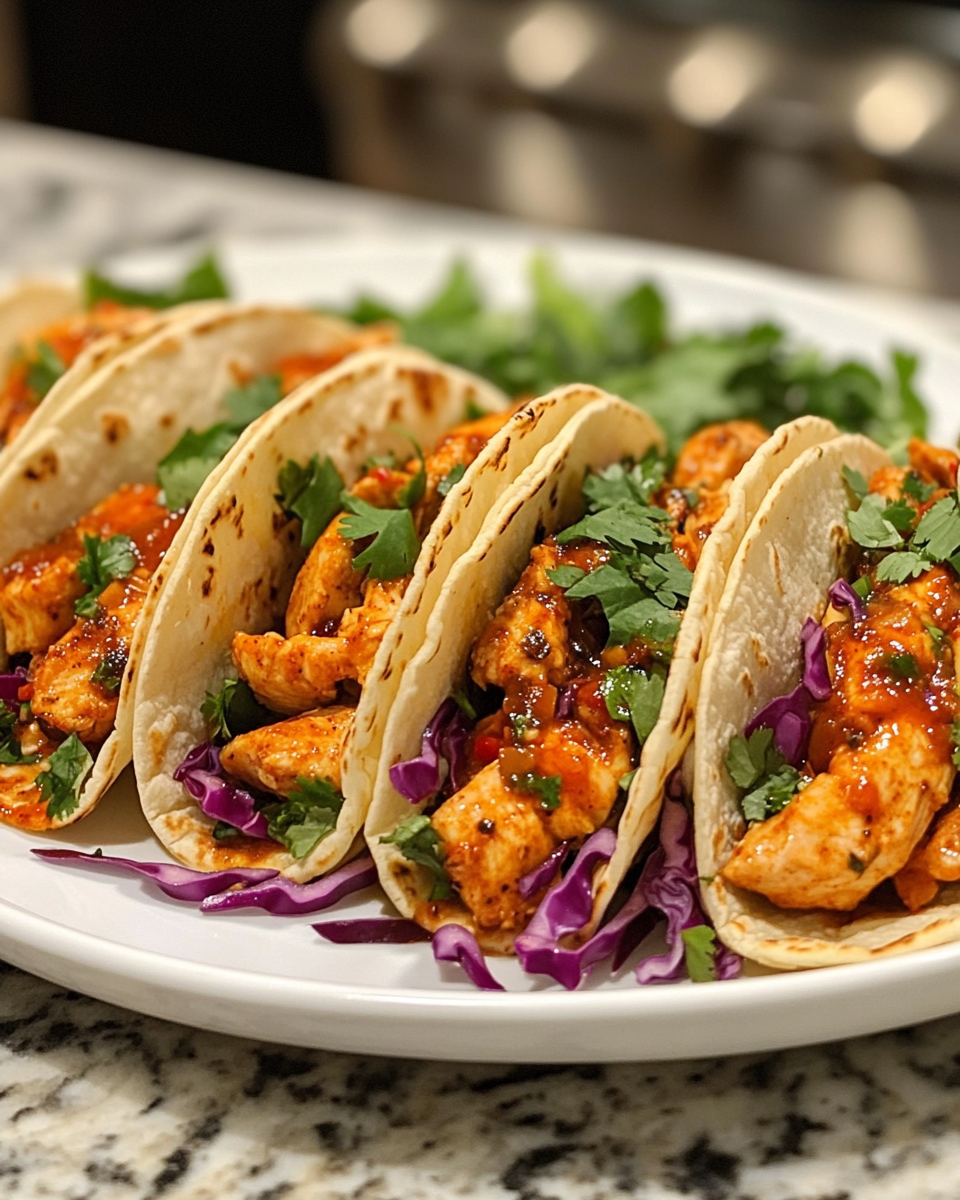
Chicken Cabbage Stir Fry is a fast skillet meal filled with tender chicken, crisp cabbage, garlic, ginger, and a savory sauce that coats every bite. This dish brings together simple pantry staples and fresh vegetables in a single pan, creating a balanced dinner with rich flavor and satisfying texture.
The cabbage softens slightly while still keeping a light crunch, while the chicken stays juicy from quick cooking over high heat. Soy sauce, sesame oil, and rice vinegar create a glossy coating that blends perfectly with the mild sweetness of cabbage and onions.
This recipe works well for busy weeknights because the preparation is straightforward and the cooking time stays short. It also stores well for meal prep and reheats beautifully for lunch the next day.
Ingredients Overview

Chicken thighs are a strong choice for Chicken Cabbage Stir Fry because they remain tender during high-heat cooking. Boneless skinless chicken breast also works well if you prefer a leaner option, though it cooks slightly faster and can dry out if left in the pan too long.
Green cabbage forms the heart of the dish. When sliced thinly, it cooks quickly while keeping a pleasant texture. Napa cabbage creates a softer finish, while red cabbage adds color and a slightly earthier taste. A mix of cabbage varieties can also work nicely.
Garlic and fresh ginger bring warmth and depth to the skillet. Fresh aromatics create the richest flavor, though ginger paste can stand in when needed. Onion adds sweetness as it cooks, balancing the savory sauce.
Soy sauce provides saltiness and umami. Low-sodium soy sauce helps control the salt level. Rice vinegar adds brightness, while sesame oil gives a lightly toasted finish. Cornstarch thickens the sauce slightly so it clings to the chicken and vegetables rather than pooling at the bottom of the pan.
Carrots and bell peppers fit naturally into this recipe because they cook quickly and pair well with cabbage. Green onions scattered over the finished dish add freshness and a mild bite.
Cooked rice or noodles turn the stir fry into a complete meal. Brown rice, jasmine rice, or rice noodles all pair nicely with the savory skillet sauce.
Ingredients
1 1/2 pounds boneless skinless chicken thighs, thinly sliced
6 cups green cabbage, thinly sliced
1 medium onion, sliced
1 large carrot, julienned
1 red bell pepper, sliced
3 cloves garlic, minced
1 tablespoon fresh ginger, grated
3 tablespoons soy sauce
1 tablespoon oyster sauce
1 tablespoon rice vinegar
1 teaspoon sesame oil
1 teaspoon cornstarch
2 tablespoons water
2 tablespoons vegetable oil
1/2 teaspoon salt
1/4 teaspoon black pepper
2 green onions, sliced
1 teaspoon sesame seeds
Cooked rice for serving
Step-by-Step Instructions

Begin by preparing all ingredients before heating the skillet. Stir frying moves quickly, so keeping everything sliced and measured ahead of time prevents overcooking. Slice the chicken into thin strips so it cooks evenly and absorbs the sauce more effectively.
In a small bowl, whisk together soy sauce, oyster sauce, rice vinegar, sesame oil, cornstarch, and water. Stir until the cornstarch dissolves completely. Set the sauce aside.
Heat a large skillet or wok over medium-high heat. Add 1 tablespoon of vegetable oil. Once the oil begins to shimmer, add the chicken in a single layer. Avoid overcrowding the pan because packed chicken releases steam rather than browning properly.
Cook the chicken for about 4 to 5 minutes, stirring occasionally, until lightly golden and fully cooked. Transfer the chicken to a plate.
Add the remaining tablespoon of oil to the skillet. Add the onion, carrot, and bell pepper. Cook for 3 minutes, stirring frequently, until the vegetables begin to soften around the edges.
Stir in the garlic and ginger. Cook for about 30 seconds until fragrant. Garlic burns quickly, so keep it moving in the skillet during this stage.
Add the sliced cabbage. At first, the cabbage may appear too bulky for the pan, but it shrinks quickly as it cooks. Toss continuously for about 4 to 5 minutes until the cabbage softens slightly while still holding texture.
Return the chicken and any collected juices to the skillet. Pour in the prepared sauce and toss everything together thoroughly. Continue cooking for 2 minutes until the sauce lightly thickens and coats the chicken and vegetables evenly.
Taste the stir fry before serving. Add a small splash of soy sauce if needed or a little rice vinegar for extra brightness.
Scatter sliced green onions and sesame seeds over the finished skillet. Serve immediately over hot rice or noodles.
A common mistake with stir fry recipes is cooking over low heat. Higher heat helps the vegetables stay crisp instead of becoming soggy. Another issue comes from adding too much liquid, which can thin the sauce excessively. Keeping the sauce measured carefully helps maintain the proper consistency.
Tips, Variations & Substitutions
For extra texture, add sliced mushrooms, snap peas, or water chestnuts during the vegetable stage. Broccoli florets also pair nicely with cabbage and hold up well during quick cooking.
Ground chicken can replace sliced chicken thighs if preferred. Thinly sliced turkey or beef also works naturally with the sauce. For a meat-free version, firm tofu makes a satisfying substitute. Pat the tofu dry before cooking so it browns properly in the skillet.
If you enjoy mild heat, stir in red pepper flakes or a spoonful of chili garlic sauce near the end of cooking. A small amount adds warmth without overpowering the cabbage and ginger.
Tamari can replace soy sauce for a gluten-free version. Coconut aminos create a slightly sweeter sauce with lower sodium. Hoisin sauce may replace oyster sauce if needed, though it creates a richer finish.
Do not overcook the cabbage. It should soften while still holding slight crunch. Soft cabbage can turn watery and affect the texture of the skillet.
A cast-iron skillet or wok works best because it retains heat evenly. Cooking in batches also helps maintain browning if doubling the recipe.
Leftovers store well in an airtight container in the refrigerator for up to 4 days. Reheat gently in a skillet over medium heat to keep the vegetables from turning overly soft.
Serving Ideas & Occasions
Chicken Cabbage Stir Fry pairs beautifully with steamed jasmine rice, brown rice, or rice noodles. Cauliflower rice also works nicely for a lighter plate. For extra texture, serve the skillet with crisp cucumber salad or lightly steamed edamame.
This dish fits naturally into weeknight dinners because it cooks quickly and uses accessible ingredients. It also works well for meal prep since the flavors deepen slightly after resting overnight in the refrigerator.
A side of hot soup, such as miso or clear vegetable broth, rounds out the meal without feeling too heavy. Sparkling water with citrus or iced green tea pairs nicely with the savory sauce and fresh ginger notes.
Because the recipe comes together in one pan, it suits casual family dinners, simple gatherings, or relaxed Sunday meal preparation. The colorful vegetables also create an appealing presentation straight from the skillet to the table.
Nutritional & Health Notes
Chicken Cabbage Stir Fry offers a balanced mix of protein, vegetables, and moderate carbohydrates when paired with rice or noodles. Chicken supplies protein that helps create a filling meal, while cabbage contributes fiber and volume without adding excessive calories.
Cabbage contains vitamin C and vitamin K along with beneficial plant compounds. Carrots and bell peppers add additional nutrients and natural sweetness that balance the savory sauce.
Using lean chicken breast lowers fat content, while chicken thighs provide slightly richer flavor and tenderness. Choosing low-sodium soy sauce can reduce overall sodium levels without sacrificing taste.
Cooking the vegetables quickly over higher heat helps maintain texture and preserves much of their natural freshness. Since the recipe uses a relatively small amount of oil, it remains lighter than many takeout-style stir fry dishes.
Serving the stir fry with brown rice or extra vegetables creates a more fiber-rich meal that feels satisfying without becoming overly heavy.
FAQs
Can I prepare Chicken Cabbage Stir Fry ahead of time?
Yes, this recipe works very well for advance preparation. You can slice the chicken and vegetables up to a day ahead and store them separately in airtight containers in the refrigerator. The sauce can also be mixed in advance and kept chilled until cooking time.
For meal prep, cook the entire stir fry and portion it into containers with rice. The texture remains pleasant for several days when reheated gently. A skillet reheating method keeps the vegetables firmer than microwaving. If the stir fry appears dry after refrigeration, add a spoonful of water while reheating to refresh the sauce.
Which type of cabbage works best in this recipe?
Green cabbage is the most common option because it stays slightly crisp during cooking and has a mild flavor that blends smoothly with the savory sauce. Napa cabbage creates a softer texture and cooks more quickly, while red cabbage gives a deeper color and firmer bite.
Thin slicing matters more than the exact variety. Thick pieces take longer to soften and can cook unevenly. Mixing green and red cabbage creates a colorful skillet while still keeping balanced flavor. Fresh cabbage with tightly packed leaves produces the best texture and avoids excess moisture in the pan.
How do I keep the chicken tender?
Thin slices cook quickly and remain juicy, especially when using chicken thighs. Avoid overcooking by removing the chicken from the skillet as soon as it finishes cooking. Since the meat returns to the pan later with the sauce, it continues warming without drying out.
Cooking over medium-high heat also helps because the chicken browns rapidly instead of slowly steaming. If using chicken breast, cutting against the grain improves tenderness. A short marinade with soy sauce and cornstarch can also help protect the chicken during cooking and create a softer texture in the finished dish.
Can I freeze Chicken Cabbage Stir Fry?
You can freeze the cooked stir fry, though the cabbage softens more after thawing. For best texture, slightly undercook the vegetables before freezing. Allow the stir fry to cool completely, then transfer it to freezer-safe containers.
Frozen portions usually keep well for about 2 months. Thaw overnight in the refrigerator before reheating. Warm the stir fry gently in a skillet rather than cooking over very high heat, which can cause the vegetables to break down further. Fresh green onions added after reheating help brighten the flavor and texture again.
What noodles pair well with this dish?
Rice noodles are a natural pairing because they absorb the sauce nicely without overpowering the vegetables. Lo mein noodles, udon, or thin egg noodles also work beautifully. If using noodles, cook them separately before adding them to the skillet near the end of cooking.
Avoid overcooking the noodles before combining them with the stir fry because they continue softening slightly in the pan. Tossing the noodles directly into the sauce helps coat them evenly and creates a complete one-pan meal with balanced texture and flavor throughout.
How can I add extra flavor without making the dish heavy?
Fresh aromatics such as ginger, garlic, and green onions add depth without requiring heavy sauces. A small splash of rice vinegar near the end of cooking brightens the entire skillet and balances the savory ingredients.
Toasted sesame seeds provide subtle nuttiness and texture. Fresh herbs such as cilantro can also add freshness if desired. Mild chili paste or crushed red pepper flakes create warmth without overpowering the cabbage. Keeping the sauce balanced rather than overly thick helps the vegetables remain the focus of the meal.
Is this recipe suitable for low-carb meals?
Yes, Chicken Cabbage Stir Fry can fit nicely into lower-carb meal plans, especially when served without rice or noodles. Cabbage naturally adds bulk and texture while remaining relatively light. Pairing the stir fry with cauliflower rice creates a satisfying alternative to traditional grains.
To lower carbohydrates further, reduce or omit oyster sauce and choose a lower-sugar soy sauce substitute. Extra vegetables such as mushrooms or zucchini can increase volume without changing the overall balance of the skillet. Since the dish contains protein, vegetables, and flavorful sauce, it still feels complete even without additional starch.