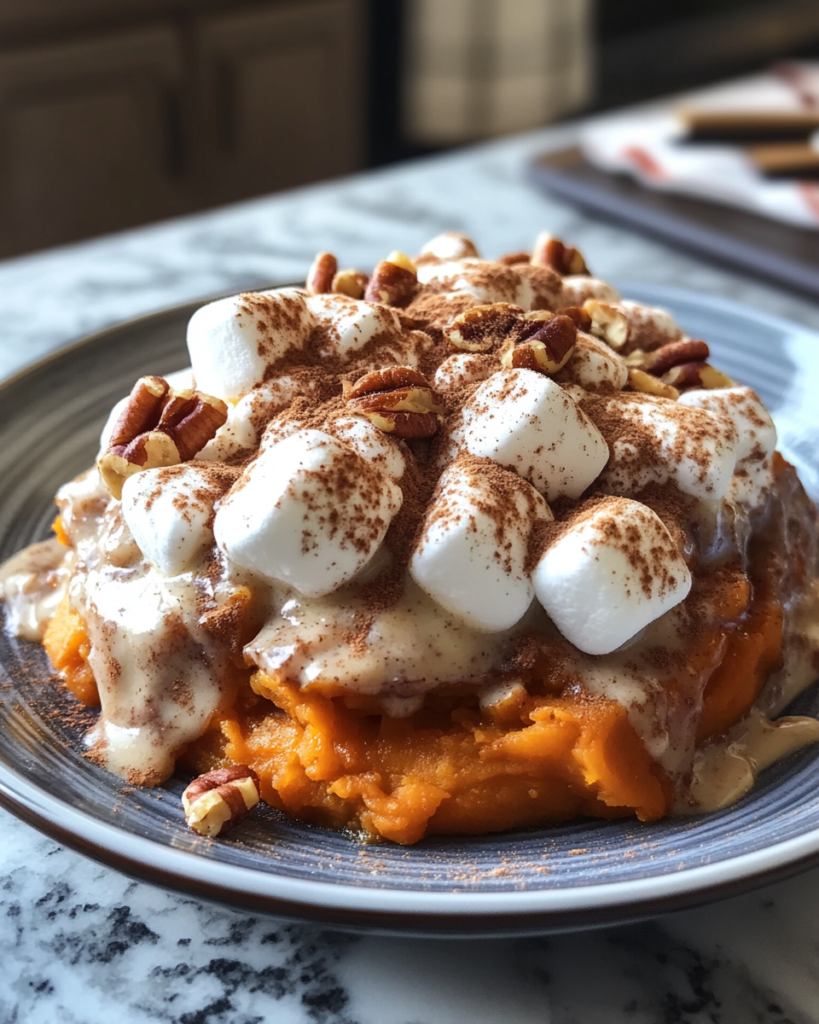
Cinnamon Sweet Potato Bake: 5 Cozy Autumn Servings

Posted on

Uncategorized

Difficulty

Prep time

Cooking time

Total time

Servings

Cinnamon Sweet Potato Bake brings soft sweet potatoes, brown sugar, butter, and warm spice into one pan that suits chilly evenings, holiday tables, and relaxed family suppers. Each spoonful carries a creamy center with a lightly caramelized surface that pairs beautifully with roasted poultry, glazed ham, or leafy salads.

This oven dish comes together with pantry staples and simple preparation. Sweet potatoes hold their shape while turning tender during baking, while cinnamon adds warmth without overpowering the natural flavor of the vegetables. A small amount of vanilla rounds out the mixture and gives the casserole a rich bakery-style aroma.

The texture sits somewhere between a casserole and a dessert-style side dish. Some households serve Cinnamon Sweet Potato Bake during autumn gatherings, while others bring it to weekend dinners throughout the colder months. Pecans add slight crunch across the top, though the bake remains delicious without nuts.

Ingredients Overview

Sweet potatoes form the foundation of this casserole. Their naturally creamy texture becomes smooth and velvety after roasting and mashing. Orange-fleshed varieties work particularly well because they carry balanced sweetness and rich color. Fresh sweet potatoes offer stronger flavor than canned puree and create a firmer finished texture.

Butter adds richness and helps the surface brown gently during baking. Unsalted butter allows better control over seasoning, though salted butter can work if the added salt is reduced elsewhere in the dish. Brown sugar contributes deep caramel notes that pair naturally with cinnamon and vanilla. Dark brown sugar gives slightly deeper molasses flavor, while light brown sugar creates a softer finish.

Ground cinnamon brings warmth and depth throughout the casserole. Nutmeg and ginger can join the mixture for extra spice, though only small amounts are needed. Vanilla extract softens the earthy notes from the sweet potatoes and ties the ingredients together smoothly.

Milk helps loosen the mash into a creamy consistency. Whole milk gives fuller texture, though half-and-half creates an even richer casserole. Dairy-free milk such as oat milk also performs nicely without changing the flavor dramatically.

Eggs bind the mixture and help the casserole hold shape after baking. Without eggs, the bake becomes softer and more pudding-like. Chopped pecans across the surface add crunch and contrast against the silky potato mixture. Walnuts can replace pecans if preferred.

Ingredients

3 pounds sweet potatoes, peeled and cubed
4 tablespoons unsalted butter, melted
1/2 cup brown sugar
1/3 cup whole milk
2 large eggs
1 teaspoon vanilla extract
1 1/2 teaspoons ground cinnamon
1/4 teaspoon ground nutmeg
1/2 teaspoon salt
1/4 teaspoon black pepper
1/2 cup chopped pecans
1 tablespoon butter for greasing the baking dish

Step-by-Step Instructions

Preheat the oven to 375 degrees Fahrenheit. Lightly grease a 9×13-inch baking dish with butter and set it aside. Bring a large pot of water to a gentle boil while preparing the sweet potatoes.

Peel the sweet potatoes carefully and cut them into evenly sized cubes. Similar sizing helps the pieces cook at the same rate and prevents hard chunks from remaining in the mash later. Add the cubes to the boiling water and cook for about 15 to 18 minutes, or until fork tender.

Drain the sweet potatoes thoroughly. Excess water can thin the casserole and create a loose texture after baking. Return the potatoes to the warm pot for about one minute so residual heat removes lingering moisture.

Mash the sweet potatoes with a potato masher or hand mixer. A masher creates slight texture, while a mixer forms a smoother consistency. Add melted butter, brown sugar, milk, eggs, vanilla, cinnamon, nutmeg, salt, and black pepper. Stir until fully combined and creamy.

Transfer the mixture into the prepared baking dish and spread it evenly with a spatula. Sprinkle chopped pecans across the surface. Press them lightly into the top so they stay in place during baking.

Place the dish into the oven and bake for 30 to 35 minutes. The edges should appear slightly puffed and lightly browned while the center remains soft but set. Avoid overbaking, since extended heat can dry the sweet potatoes and create a grainy texture.

Allow the casserole to rest for about 10 minutes before serving. Resting helps the mixture firm slightly and allows the flavors to settle together. The surface will continue setting as it cools.

For extra caramel notes, place the dish beneath the broiler during the final two minutes of cooking. Watch closely because the pecans can darken quickly. A lightly golden surface gives the casserole richer flavor and attractive color.

One frequent issue with sweet potato casseroles comes from overmixing. Excess mixing can create gluey texture rather than creamy softness. Stir only until the ingredients combine evenly. Another common problem comes from underseasoning. Sweet potatoes carry natural sweetness, though a small amount of salt helps balance the flavor and keeps the casserole from tasting flat.

If preparing ahead, assemble the casserole one day earlier and refrigerate it before baking. Remove it from the refrigerator about 30 minutes before placing it into the oven so the center heats evenly.

Tips, Variations & Substitutions

Roasting the sweet potatoes instead of boiling them creates deeper flavor and reduces excess moisture. Simply roast halved sweet potatoes at 400 degrees Fahrenheit until soft, then scoop out the flesh before mashing.

Maple syrup can replace part of the brown sugar for slightly woodsy sweetness. A small amount goes a long way, so use restraint to avoid overpowering the cinnamon. Some cooks also stir orange zest into the mash for subtle brightness.

Mini marshmallows occasionally appear on top during holiday gatherings. Add them during the final five minutes of baking so they soften and brown lightly without burning. Crushed graham crackers mixed with butter also create pleasant texture across the surface.

For dairy-free preparation, replace butter with plant-based butter and use oat milk or almond milk. The casserole remains creamy and rich with either option. Egg substitutes designed for baking can also work, though the final texture may become slightly softer.

Chopped walnuts, toasted almonds, or pumpkin seeds can replace pecans. Each option adds different texture while keeping the casserole balanced. For additional spice, stir in small pinches of cardamom or cloves.

Leftovers store beautifully in the refrigerator for up to four days. Reheat portions gently in the oven or microwave until warmed through.

Serving Ideas & Occasions

Cinnamon Sweet Potato Bake fits naturally beside roast turkey, baked chicken, pork loin, or glazed ham. The warm spice pairs particularly nicely with savory meats and herb-filled stuffing dishes. A crisp green salad with tart vinaigrette balances the richness of the casserole beautifully.

During autumn and winter holidays, this casserole often appears beside cranberry dishes, roasted Brussels sprouts, and buttered rolls. It also suits casual Sunday suppers when paired with grilled sausage or roasted vegetables.

For brunch gatherings, serve smaller portions alongside scrambled eggs and fruit salad. The cinnamon aroma complements hot coffee, chai tea, or warm apple cider. Children often enjoy the soft texture and lightly sweet flavor, while adults appreciate the rich spice and creamy consistency.

The casserole travels well for potlucks and family gatherings because it stays warm for extended periods. Cover tightly with foil during transport to preserve moisture.

Nutritional & Health Notes

Sweet potatoes contain fiber, potassium, and vitamin A, which support balanced eating habits and add nourishment to the meal. Their natural sweetness allows the casserole to taste rich without excessive added sugar.

Butter and eggs contribute richness and structure, though moderate portions keep the dish balanced within a larger meal. Pecans add healthy fats and slight crunch while contributing earthy flavor.

This casserole contains carbohydrates from the sweet potatoes and brown sugar, making it satisfying and filling during colder months. Pairing it with lean protein and vegetables creates a balanced plate suitable for family dinners or seasonal gatherings.

Lower-sugar versions can reduce the brown sugar slightly without damaging texture. Reduced-fat milk also works, though the casserole may lose some creaminess. Dairy-free adjustments remain straightforward and still produce pleasant flavor and texture.

Because the casserole bakes in one dish, cleanup stays manageable and preparation remains approachable for busy evenings or holiday cooking schedules.

FAQs

Can I prepare Cinnamon Sweet Potato Bake ahead of time?

Yes. The casserole works very nicely as a prepare-ahead dish. Assemble the sweet potato mixture, spread it into the baking dish, and cover tightly with foil or plastic wrap. Store it in the refrigerator for up to one day before baking. Allow the dish to sit at room temperature for roughly 30 minutes before placing it into the oven so the center warms evenly during cooking. If baking directly from the refrigerator, the casserole may require several extra minutes in the oven. Pecans can also be added immediately before baking if preferred. This approach helps preserve their crunch and keeps the surface from softening during refrigeration.

Can I freeze this casserole?

Yes, Cinnamon Sweet Potato Bake freezes surprisingly well. Allow the baked casserole to cool fully before wrapping the dish tightly in layers of foil and freezer-safe wrap. Freeze for up to two months. Thaw overnight in the refrigerator before reheating in a 350-degree oven until warmed through. Slight texture changes may occur after freezing, though the flavor remains rich and comforting. If freezing before baking, avoid adding nuts until the casserole reaches baking day. Freshly added toppings hold their texture much better after thawing and heating.

Which sweet potatoes work nicely for this recipe?

Orange-fleshed sweet potatoes usually create the smoothest and richest casserole. Their creamy texture blends beautifully with butter, cinnamon, and brown sugar. Garnet and jewel varieties both perform well because they soften evenly during cooking and provide deep color. White sweet potatoes can also work, though they create slightly firmer texture and milder flavor. Try selecting medium-sized potatoes without bruises or soft spots for the smoothest final casserole.

Why did my casserole turn watery?

Watery casserole usually comes from excess moisture in the sweet potatoes. After boiling, drain the potatoes very thoroughly and allow them to sit briefly in the warm pot so steam escapes. Overly large milk additions can also loosen the mixture too much. Another possible cause involves underbaking, since the eggs require enough heat to help the casserole set properly. Roasting the sweet potatoes instead of boiling them often creates firmer texture with deeper flavor and less moisture overall.

Can marshmallows replace pecans?

Yes. Many families enjoy marshmallows across the surface instead of nuts. Scatter mini marshmallows over the casserole during the final several minutes of baking so they soften and brown lightly. Adding them too early can cause scorching. Some cooks combine marshmallows with pecans for both crunch and sweetness. The casserole remains delicious either way, so the choice mostly depends on personal preference and serving style.

How should leftovers be reheated?

Leftovers reheat nicely in both the oven and microwave. For larger portions, cover the casserole with foil and warm it in a 325-degree oven until heated through. Smaller servings can warm quickly in the microwave using short intervals. Stir gently halfway through reheating so the center warms evenly. If the casserole thickens after refrigeration, a small splash of milk can soften the texture again before serving.

Can this casserole become a dessert?

Yes. Cinnamon Sweet Potato Bake can shift easily into dessert territory with small adjustments. Increasing the brown sugar slightly and adding extra vanilla creates sweeter flavor. A crumb topping made from flour, butter, brown sugar, and oats also adds bakery-style texture. Serve warm portions with whipped cream or vanilla ice cream for an after-dinner presentation that feels cozy and seasonal without becoming overly heavy.

[rank_math_breadcrumb]

Cinnamon Sweet Potato Bake: 5 Cozy Autumn Servings

Photo of author
Author: Zoey
Published:

Cinnamon Sweet Potato Bake brings soft sweet potatoes, brown sugar, butter, and warm spice into one pan that suits chilly evenings, holiday tables, and relaxed family suppers. Each spoonful carries a creamy center with a lightly caramelized surface that pairs beautifully with roasted poultry, glazed ham, or leafy salads.

This oven dish comes together with pantry staples and simple preparation. Sweet potatoes hold their shape while turning tender during baking, while cinnamon adds warmth without overpowering the natural flavor of the vegetables. A small amount of vanilla rounds out the mixture and gives the casserole a rich bakery-style aroma.

The texture sits somewhere between a casserole and a dessert-style side dish. Some households serve Cinnamon Sweet Potato Bake during autumn gatherings, while others bring it to weekend dinners throughout the colder months. Pecans add slight crunch across the top, though the bake remains delicious without nuts.

Ingredients Overview

Sweet potatoes form the foundation of this casserole. Their naturally creamy texture becomes smooth and velvety after roasting and mashing. Orange-fleshed varieties work particularly well because they carry balanced sweetness and rich color. Fresh sweet potatoes offer stronger flavor than canned puree and create a firmer finished texture.

Butter adds richness and helps the surface brown gently during baking. Unsalted butter allows better control over seasoning, though salted butter can work if the added salt is reduced elsewhere in the dish. Brown sugar contributes deep caramel notes that pair naturally with cinnamon and vanilla. Dark brown sugar gives slightly deeper molasses flavor, while light brown sugar creates a softer finish.

Ground cinnamon brings warmth and depth throughout the casserole. Nutmeg and ginger can join the mixture for extra spice, though only small amounts are needed. Vanilla extract softens the earthy notes from the sweet potatoes and ties the ingredients together smoothly.

Milk helps loosen the mash into a creamy consistency. Whole milk gives fuller texture, though half-and-half creates an even richer casserole. Dairy-free milk such as oat milk also performs nicely without changing the flavor dramatically.

Eggs bind the mixture and help the casserole hold shape after baking. Without eggs, the bake becomes softer and more pudding-like. Chopped pecans across the surface add crunch and contrast against the silky potato mixture. Walnuts can replace pecans if preferred.

Ingredients

3 pounds sweet potatoes, peeled and cubed
4 tablespoons unsalted butter, melted
1/2 cup brown sugar
1/3 cup whole milk
2 large eggs
1 teaspoon vanilla extract
1 1/2 teaspoons ground cinnamon
1/4 teaspoon ground nutmeg
1/2 teaspoon salt
1/4 teaspoon black pepper
1/2 cup chopped pecans
1 tablespoon butter for greasing the baking dish

Step-by-Step Instructions

Preheat the oven to 375 degrees Fahrenheit. Lightly grease a 9×13-inch baking dish with butter and set it aside. Bring a large pot of water to a gentle boil while preparing the sweet potatoes.

Peel the sweet potatoes carefully and cut them into evenly sized cubes. Similar sizing helps the pieces cook at the same rate and prevents hard chunks from remaining in the mash later. Add the cubes to the boiling water and cook for about 15 to 18 minutes, or until fork tender.

Drain the sweet potatoes thoroughly. Excess water can thin the casserole and create a loose texture after baking. Return the potatoes to the warm pot for about one minute so residual heat removes lingering moisture.

Mash the sweet potatoes with a potato masher or hand mixer. A masher creates slight texture, while a mixer forms a smoother consistency. Add melted butter, brown sugar, milk, eggs, vanilla, cinnamon, nutmeg, salt, and black pepper. Stir until fully combined and creamy.

Transfer the mixture into the prepared baking dish and spread it evenly with a spatula. Sprinkle chopped pecans across the surface. Press them lightly into the top so they stay in place during baking.

Place the dish into the oven and bake for 30 to 35 minutes. The edges should appear slightly puffed and lightly browned while the center remains soft but set. Avoid overbaking, since extended heat can dry the sweet potatoes and create a grainy texture.

Allow the casserole to rest for about 10 minutes before serving. Resting helps the mixture firm slightly and allows the flavors to settle together. The surface will continue setting as it cools.

For extra caramel notes, place the dish beneath the broiler during the final two minutes of cooking. Watch closely because the pecans can darken quickly. A lightly golden surface gives the casserole richer flavor and attractive color.

One frequent issue with sweet potato casseroles comes from overmixing. Excess mixing can create gluey texture rather than creamy softness. Stir only until the ingredients combine evenly. Another common problem comes from underseasoning. Sweet potatoes carry natural sweetness, though a small amount of salt helps balance the flavor and keeps the casserole from tasting flat.

If preparing ahead, assemble the casserole one day earlier and refrigerate it before baking. Remove it from the refrigerator about 30 minutes before placing it into the oven so the center heats evenly.

Tips, Variations & Substitutions

Roasting the sweet potatoes instead of boiling them creates deeper flavor and reduces excess moisture. Simply roast halved sweet potatoes at 400 degrees Fahrenheit until soft, then scoop out the flesh before mashing.

Maple syrup can replace part of the brown sugar for slightly woodsy sweetness. A small amount goes a long way, so use restraint to avoid overpowering the cinnamon. Some cooks also stir orange zest into the mash for subtle brightness.

Mini marshmallows occasionally appear on top during holiday gatherings. Add them during the final five minutes of baking so they soften and brown lightly without burning. Crushed graham crackers mixed with butter also create pleasant texture across the surface.

For dairy-free preparation, replace butter with plant-based butter and use oat milk or almond milk. The casserole remains creamy and rich with either option. Egg substitutes designed for baking can also work, though the final texture may become slightly softer.

Chopped walnuts, toasted almonds, or pumpkin seeds can replace pecans. Each option adds different texture while keeping the casserole balanced. For additional spice, stir in small pinches of cardamom or cloves.

Leftovers store beautifully in the refrigerator for up to four days. Reheat portions gently in the oven or microwave until warmed through.

Serving Ideas & Occasions

Cinnamon Sweet Potato Bake fits naturally beside roast turkey, baked chicken, pork loin, or glazed ham. The warm spice pairs particularly nicely with savory meats and herb-filled stuffing dishes. A crisp green salad with tart vinaigrette balances the richness of the casserole beautifully.

During autumn and winter holidays, this casserole often appears beside cranberry dishes, roasted Brussels sprouts, and buttered rolls. It also suits casual Sunday suppers when paired with grilled sausage or roasted vegetables.

For brunch gatherings, serve smaller portions alongside scrambled eggs and fruit salad. The cinnamon aroma complements hot coffee, chai tea, or warm apple cider. Children often enjoy the soft texture and lightly sweet flavor, while adults appreciate the rich spice and creamy consistency.

The casserole travels well for potlucks and family gatherings because it stays warm for extended periods. Cover tightly with foil during transport to preserve moisture.

Nutritional & Health Notes

Sweet potatoes contain fiber, potassium, and vitamin A, which support balanced eating habits and add nourishment to the meal. Their natural sweetness allows the casserole to taste rich without excessive added sugar.

Butter and eggs contribute richness and structure, though moderate portions keep the dish balanced within a larger meal. Pecans add healthy fats and slight crunch while contributing earthy flavor.

This casserole contains carbohydrates from the sweet potatoes and brown sugar, making it satisfying and filling during colder months. Pairing it with lean protein and vegetables creates a balanced plate suitable for family dinners or seasonal gatherings.

Lower-sugar versions can reduce the brown sugar slightly without damaging texture. Reduced-fat milk also works, though the casserole may lose some creaminess. Dairy-free adjustments remain straightforward and still produce pleasant flavor and texture.

Because the casserole bakes in one dish, cleanup stays manageable and preparation remains approachable for busy evenings or holiday cooking schedules.

FAQs

Can I prepare Cinnamon Sweet Potato Bake ahead of time?

Yes. The casserole works very nicely as a prepare-ahead dish. Assemble the sweet potato mixture, spread it into the baking dish, and cover tightly with foil or plastic wrap. Store it in the refrigerator for up to one day before baking. Allow the dish to sit at room temperature for roughly 30 minutes before placing it into the oven so the center warms evenly during cooking. If baking directly from the refrigerator, the casserole may require several extra minutes in the oven. Pecans can also be added immediately before baking if preferred. This approach helps preserve their crunch and keeps the surface from softening during refrigeration.

Can I freeze this casserole?

Yes, Cinnamon Sweet Potato Bake freezes surprisingly well. Allow the baked casserole to cool fully before wrapping the dish tightly in layers of foil and freezer-safe wrap. Freeze for up to two months. Thaw overnight in the refrigerator before reheating in a 350-degree oven until warmed through. Slight texture changes may occur after freezing, though the flavor remains rich and comforting. If freezing before baking, avoid adding nuts until the casserole reaches baking day. Freshly added toppings hold their texture much better after thawing and heating.

Which sweet potatoes work nicely for this recipe?

Orange-fleshed sweet potatoes usually create the smoothest and richest casserole. Their creamy texture blends beautifully with butter, cinnamon, and brown sugar. Garnet and jewel varieties both perform well because they soften evenly during cooking and provide deep color. White sweet potatoes can also work, though they create slightly firmer texture and milder flavor. Try selecting medium-sized potatoes without bruises or soft spots for the smoothest final casserole.

Why did my casserole turn watery?

Watery casserole usually comes from excess moisture in the sweet potatoes. After boiling, drain the potatoes very thoroughly and allow them to sit briefly in the warm pot so steam escapes. Overly large milk additions can also loosen the mixture too much. Another possible cause involves underbaking, since the eggs require enough heat to help the casserole set properly. Roasting the sweet potatoes instead of boiling them often creates firmer texture with deeper flavor and less moisture overall.

Can marshmallows replace pecans?

Yes. Many families enjoy marshmallows across the surface instead of nuts. Scatter mini marshmallows over the casserole during the final several minutes of baking so they soften and brown lightly. Adding them too early can cause scorching. Some cooks combine marshmallows with pecans for both crunch and sweetness. The casserole remains delicious either way, so the choice mostly depends on personal preference and serving style.

How should leftovers be reheated?

Leftovers reheat nicely in both the oven and microwave. For larger portions, cover the casserole with foil and warm it in a 325-degree oven until heated through. Smaller servings can warm quickly in the microwave using short intervals. Stir gently halfway through reheating so the center warms evenly. If the casserole thickens after refrigeration, a small splash of milk can soften the texture again before serving.

Can this casserole become a dessert?

Yes. Cinnamon Sweet Potato Bake can shift easily into dessert territory with small adjustments. Increasing the brown sugar slightly and adding extra vanilla creates sweeter flavor. A crumb topping made from flour, butter, brown sugar, and oats also adds bakery-style texture. Serve warm portions with whipped cream or vanilla ice cream for an after-dinner presentation that feels cozy and seasonal without becoming overly heavy.
Name

Lorem ipsum dolor sit amet, consectetur adipiscing elit. Suspendisse varius enim in eros elementum tristique. Duis cursus, mi quis viverra ornare, eros dolor interdum nulla, ut commodo diam libero vitae erat.

You Might Also Like...

Honey Garlic Chicken Rice Skillet: 5 Amazing Cozy Meals

Honey Garlic Chicken Rice Skillet: 5 Amazing Cozy Meals

Cheesy Spinach Chicken Bake: 5 Simple Comforting Tips

Cheesy Spinach Chicken Bake: 5 Simple Comforting Tips

Crispy Air Fryer Garlic Wings: 5 Amazing Comforts

Crispy Air Fryer Garlic Wings: 5 Amazing Comforts

Lemon Herb Baked Chicken Breast: 5 Savory Comforts

Lemon Herb Baked Chicken Breast: 5 Savory Comforts

Tags:

You might also like these recipes

Leave a Comment