Coconut Curry Chicken Skillet: 5 Simple Comforting Meals

Posted on

Uncategorized

Difficulty

Prep time

Cooking time

Total time

Servings

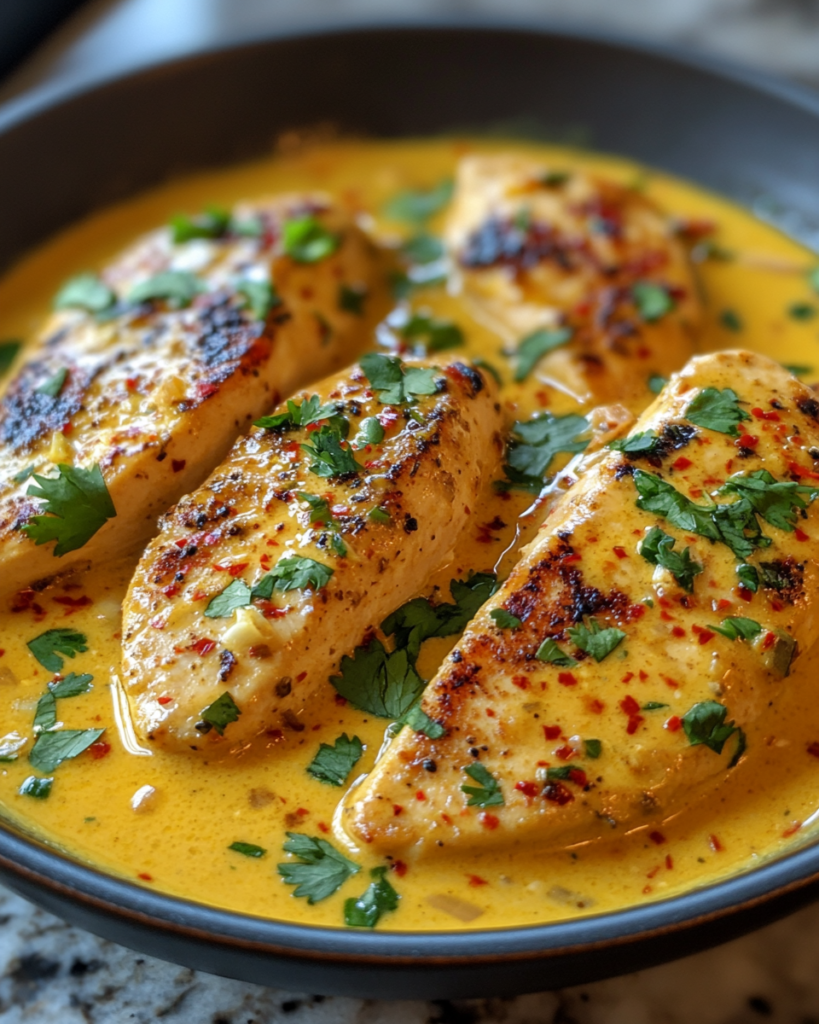
Coconut Curry Chicken Skillet brings tender chicken, creamy coconut milk, and warm curry spices together in one pan. The sauce coats every bite with rich flavor while fresh garlic, onion, and ginger add depth without heavy effort in the kitchen. This skillet dinner fits busy evenings yet still carries the cozy feel of a slow-cooked supper.

The balance between creamy coconut milk and fragrant curry powder gives this dish a smooth texture with gentle heat. Bell peppers and spinach bring color and freshness while lime juice brightens the entire pan. Rice or warm flatbread alongside the skillet turns the meal into a filling dinner suitable for family tables, relaxed gatherings, or quiet weeknight suppers.

Ingredients Overview
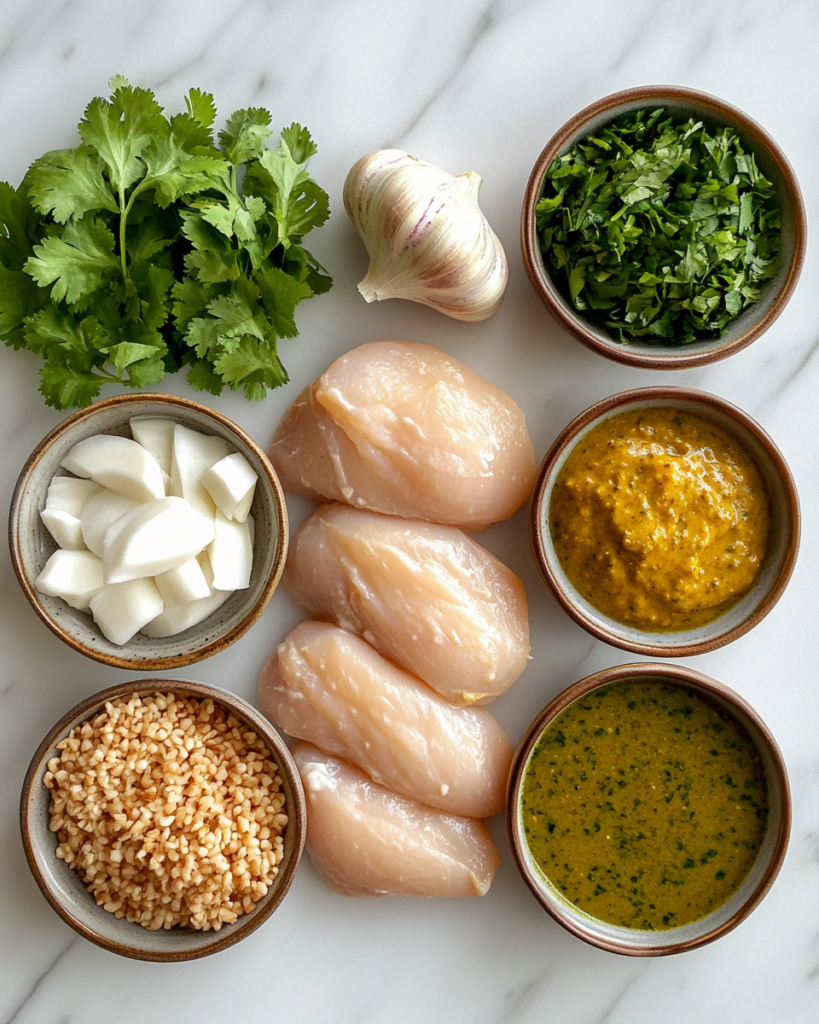
Chicken thighs work particularly well in Coconut Curry Chicken Skillet because they stay juicy during stovetop cooking. Boneless skinless thighs soak up the curry sauce while holding a tender texture. Chicken breast also works for a leaner option, though shorter cooking helps prevent dryness.

Coconut milk forms the base of the sauce. Full-fat coconut milk creates a velvety consistency that blends smoothly with curry powder and tomato paste. Light coconut milk may still work, though the sauce turns slightly thinner. Curry powder brings warmth, earthy spice, and gentle sweetness. Garlic, onion, and ginger deepen the flavor while adding aroma throughout the cooking process.

Bell peppers contribute sweetness and slight crunch. Red or yellow peppers pair particularly well with the creamy sauce. Fresh spinach folds into the skillet during the final minutes and softens quickly without losing color. Lime juice cuts through the richness and balances the spices with light acidity.

A small amount of chicken broth loosens the sauce while helping the ingredients blend evenly. Olive oil helps brown the chicken while carrying the flavor of the spices through the pan. Fresh cilantro scattered across the skillet adds freshness right before serving.

Rice remains the classic pairing because it absorbs the creamy curry sauce beautifully. Cauliflower rice works nicely for a lighter plate, while naan or warm flatbread turns the meal into a comforting shared dinner.

Ingredients

1 1/2 pounds boneless skinless chicken thighs, cut into bite-sized pieces
1 tablespoon olive oil
1 medium yellow onion, diced
3 cloves garlic, minced
1 tablespoon fresh ginger, grated
1 red bell pepper, sliced
1 yellow bell pepper, sliced
2 tablespoons curry powder
1 teaspoon ground turmeric
1/2 teaspoon smoked paprika
1 teaspoon salt
1/2 teaspoon black pepper
1 tablespoon tomato paste
1 can full-fat coconut milk
1/2 cup chicken broth
3 cups fresh spinach
1 tablespoon lime juice
2 tablespoons chopped cilantro
Cooked jasmine rice for serving

Step-by-Step Instructions
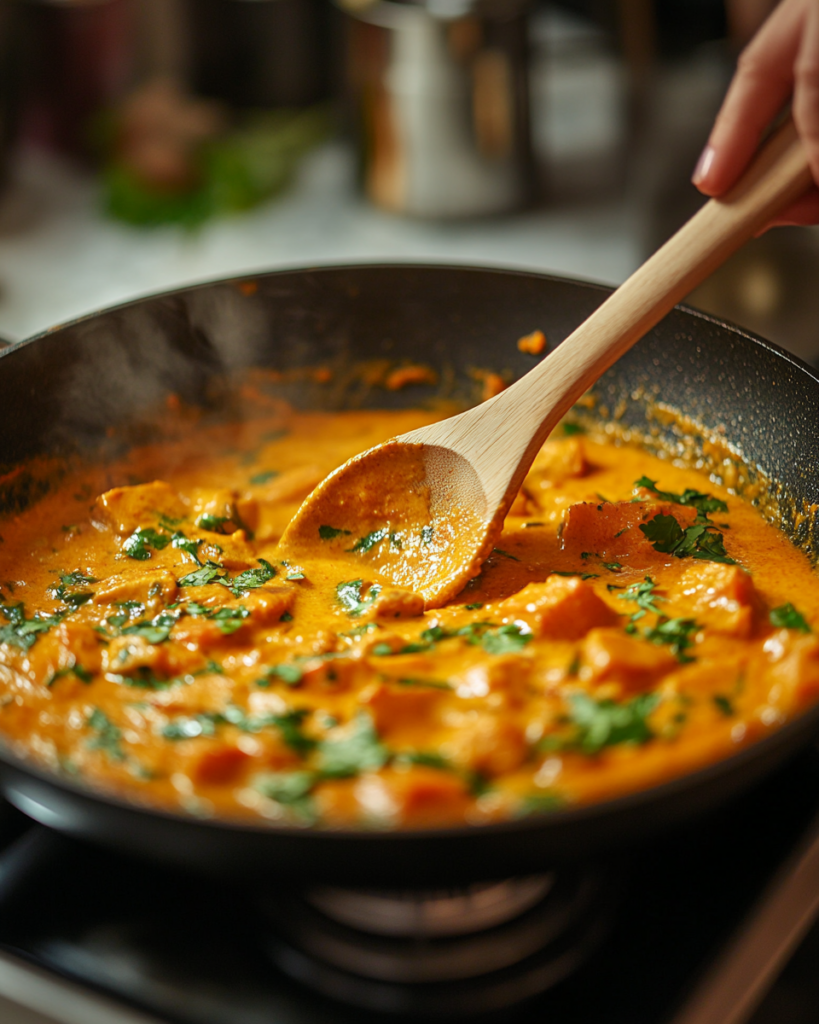
Pat the chicken pieces dry with paper towels before cooking. Dry chicken browns more evenly and develops richer flavor in the skillet. Sprinkle the chicken with salt and black pepper.

Warm a large skillet over medium-high heat. Add olive oil and swirl it around the pan. Once the oil shimmers lightly, place the chicken into the skillet in a single layer. Avoid crowding the pan because tightly packed chicken steams instead of browning. Cook the chicken for about 4 to 5 minutes per side until lightly golden. Transfer the chicken onto a plate once partially cooked.

Lower the heat slightly and add diced onion into the same skillet. Stir frequently for about 4 minutes until softened. Add garlic and ginger, stirring for another minute until fragrant. The mixture should smell warm and savory without dark browning. Burned garlic may leave bitterness in the sauce.

Add sliced bell peppers and cook for 3 minutes. The peppers should soften slightly while still holding shape. Stir in curry powder, turmeric, and smoked paprika. Cooking the spices briefly in oil helps release fuller flavor throughout the sauce.

Mix in tomato paste and stir until evenly blended with the vegetables. Pour in coconut milk and chicken broth while scraping the bottom of the skillet with a wooden spoon. Those browned bits from the chicken carry deep flavor into the sauce.

Return the chicken and any collected juices into the skillet. Reduce the heat to medium-low and simmer uncovered for 10 to 12 minutes. Stir occasionally while the sauce thickens slightly. The chicken should reach an internal temperature of 165 degrees Fahrenheit.

Fold fresh spinach into the skillet during the final 2 minutes. The leaves wilt quickly into the sauce without becoming mushy. Stir in lime juice right before serving for balance and brightness.

Taste the sauce and adjust salt if needed. Spoon the Coconut Curry Chicken Skillet over warm rice and scatter chopped cilantro across the top.

Avoid rushing the simmering stage. Gentle cooking allows the coconut milk, spices, and chicken juices to blend into a silky sauce. High heat may split the coconut milk and create a grainy texture.

Tips, Variations & Substitutions

Boneless chicken thighs stay tender during skillet cooking, though chicken breast still works well with slightly shorter simmering time. Shrimp may replace chicken entirely for a faster seafood version. Shrimp only needs a few minutes in the sauce before turning opaque and fully cooked.

For deeper spice, stir in a pinch of cayenne or sliced fresh chili. For a milder skillet, reduce the curry powder slightly and add extra coconut milk. A spoonful of peanut butter blended into the sauce creates a richer texture with subtle nutty flavor.

Sweet potatoes or carrots fit naturally into this skillet. Dice them into small pieces and simmer until fork tender before adding spinach. Mushrooms also pair nicely with the coconut curry sauce.

Frozen spinach works when fresh spinach is unavailable. Thaw and drain excess moisture before stirring it into the skillet. Kale may replace spinach though it needs a few extra minutes to soften.

For dairy-free dinners, the recipe already works beautifully without cream or butter. Cauliflower rice offers a lighter base beneath the curry sauce while brown rice adds hearty texture and extra fiber.

Leftovers store well in airtight containers for up to three days. The flavor often deepens overnight as the spices settle into the sauce. Reheat gently over medium-low heat to keep the coconut milk smooth.

Serving Ideas & Occasions

Coconut Curry Chicken Skillet fits weeknight dinners, casual family gatherings, and relaxed weekend suppers. The single-pan preparation keeps cleanup manageable while still delivering a rich and satisfying meal.

Jasmine rice remains a classic pairing because the fluffy grains absorb the creamy sauce beautifully. Basmati rice also pairs nicely with the warm curry spices. Warm naan, roti, or flatbread alongside the skillet allows diners to scoop up every bit of sauce from the pan.

Fresh cucumber salad balances the warmth of the curry with cool crunch. Roasted green beans or steamed broccoli add color and texture without competing against the bold sauce. Mango slices or pineapple on the side bring gentle sweetness that complements the coconut milk.

Sparkling water with lime or chilled iced tea pairs nicely alongside the skillet. The refreshing drinks help balance the richness of the curry sauce during warm evenings or larger shared meals.

Nutritional & Health Notes

Coconut Curry Chicken Skillet offers a balanced combination of protein, vegetables, and healthy fats. Chicken provides satisfying protein while spinach and bell peppers contribute fiber, vitamins, and minerals.

Coconut milk creates the creamy texture without dairy products. Full-fat coconut milk carries richer flavor and texture, though lighter versions lower the calorie content slightly. Curry powder and ginger bring fragrant seasoning without relying heavily on added sugar.

Serving the skillet with rice creates a hearty meal suitable for active households. Cauliflower rice or extra vegetables may lighten the plate while still keeping the meal filling and flavorful.

The recipe naturally fits gluten-free eating when paired with rice or gluten-free flatbread. Fresh ingredients and moderate spice levels also allow easy adjustments based on household preferences.

Because the sauce contains coconut milk, leftovers may thicken after refrigeration. A splash of broth during reheating helps loosen the sauce while keeping the texture creamy and smooth.

FAQs

Can I cook Coconut Curry Chicken Skillet ahead of time?

Yes, this skillet dinner works very well for advance preparation. The curry flavors deepen after resting overnight in the refrigerator, giving the sauce even richer taste during reheating. Store the cooled skillet in airtight containers for up to three days. Reheat slowly on the stovetop over medium-low heat with a splash of broth or water to loosen the sauce if it thickens too much. Microwave reheating also works, though shorter heating intervals help keep the chicken tender. Rice may stay stored separately for fresher texture. Fresh cilantro and lime juice taste brightest when added right before serving rather than during storage.

Which curry powder works nicely for this recipe?

Mild yellow curry powder suits this recipe particularly well because it blends warmly with coconut milk without overpowering the chicken. Madras curry powder brings stronger heat and deeper spice for households that enjoy bolder flavor. Fresh curry paste may also work, though the flavor profile shifts slightly depending on the brand and ingredients. Since spice blends vary widely, tasting the sauce during simmering helps balance salt and heat levels. Turmeric, coriander, cumin, and paprika commonly appear in curry powder blends and pair naturally with coconut milk. Fresh ginger and garlic also support the curry flavor while adding aroma and warmth.

Can I freeze Coconut Curry Chicken Skillet?

Yes, this recipe freezes fairly well for later meals. Allow the skillet to cool fully before transferring portions into freezer-safe containers. The dish keeps nicely for around two months. Coconut milk sauces sometimes separate slightly after thawing, though gentle reheating while stirring usually restores the creamy consistency. Thaw the skillet overnight in the refrigerator before warming it on the stovetop. Rice often changes texture during freezing, so many cooks prefer preparing fresh rice during serving. Fresh spinach may soften further after freezing, though the flavor still remains rich and satisfying.

What vegetables pair nicely with coconut curry sauce?

Bell peppers, spinach, carrots, mushrooms, green beans, peas, and sweet potatoes all work beautifully in coconut curry sauce. Firmer vegetables such as carrots or sweet potatoes should cook earlier so they soften fully before serving. Delicate vegetables like spinach or peas only need a few minutes near the end. Broccoli also pairs well with the creamy sauce while adding texture and color. Mixing several vegetables creates a fuller skillet dinner without changing the overall cooking method. The creamy coconut base adapts easily to seasonal produce and allows flexibility throughout the year.

How spicy is Coconut Curry Chicken Skillet?

This skillet carries gentle warmth rather than strong heat when prepared exactly as written. Standard curry powder usually creates earthy flavor with mild spice levels suitable for many households. For stronger heat, sliced chili peppers, cayenne, or hot curry powder may be stirred into the sauce. For milder flavor, slightly reduce the curry powder and add additional coconut milk. Lime juice also helps soften the perception of heat while keeping the sauce balanced. Serving rice alongside the skillet further mellows the spice and creates a more comforting overall plate.

Can I use chicken breast instead of thighs?

Chicken breast works very nicely in this recipe, though careful cooking helps maintain tenderness. Since breast meat cooks faster and contains less fat than thighs, shorter simmering prevents dryness. Cutting the chicken into evenly sized pieces supports even cooking throughout the skillet. Many cooks prefer thighs because they remain juicy during reheating and longer simmering, though both cuts absorb the coconut curry sauce beautifully. Checking the internal temperature with a thermometer helps avoid overcooking. Once the chicken reaches 165 degrees Fahrenheit, the skillet may move directly into the final serving stage.

What type of rice pairs nicely with this skillet?

Jasmine rice remains one of the most popular pairings because its soft texture absorbs the creamy sauce beautifully. Basmati rice also works nicely with curry dishes due to its light fragrance and fluffy texture. Brown rice offers a heartier option with slightly nutty flavor and extra fiber. Cauliflower rice creates a lighter alternative while still carrying the sauce well. Coconut rice pairs especially nicely for diners who enjoy extra richness alongside the curry flavors. Fresh rice served warm allows the sauce to settle into every spoonful and creates a deeply satisfying dinner plate.

[rank_math_breadcrumb]

Coconut Curry Chicken Skillet: 5 Simple Comforting Meals

Photo of author
Author: Zoey
Published:

Coconut Curry Chicken Skillet brings tender chicken, creamy coconut milk, and warm curry spices together in one pan. The sauce coats every bite with rich flavor while fresh garlic, onion, and ginger add depth without heavy effort in the kitchen. This skillet dinner fits busy evenings yet still carries the cozy feel of a slow-cooked supper.

The balance between creamy coconut milk and fragrant curry powder gives this dish a smooth texture with gentle heat. Bell peppers and spinach bring color and freshness while lime juice brightens the entire pan. Rice or warm flatbread alongside the skillet turns the meal into a filling dinner suitable for family tables, relaxed gatherings, or quiet weeknight suppers.

Ingredients Overview

Chicken thighs work particularly well in Coconut Curry Chicken Skillet because they stay juicy during stovetop cooking. Boneless skinless thighs soak up the curry sauce while holding a tender texture. Chicken breast also works for a leaner option, though shorter cooking helps prevent dryness.

Coconut milk forms the base of the sauce. Full-fat coconut milk creates a velvety consistency that blends smoothly with curry powder and tomato paste. Light coconut milk may still work, though the sauce turns slightly thinner. Curry powder brings warmth, earthy spice, and gentle sweetness. Garlic, onion, and ginger deepen the flavor while adding aroma throughout the cooking process.

Bell peppers contribute sweetness and slight crunch. Red or yellow peppers pair particularly well with the creamy sauce. Fresh spinach folds into the skillet during the final minutes and softens quickly without losing color. Lime juice cuts through the richness and balances the spices with light acidity.

A small amount of chicken broth loosens the sauce while helping the ingredients blend evenly. Olive oil helps brown the chicken while carrying the flavor of the spices through the pan. Fresh cilantro scattered across the skillet adds freshness right before serving.

Rice remains the classic pairing because it absorbs the creamy curry sauce beautifully. Cauliflower rice works nicely for a lighter plate, while naan or warm flatbread turns the meal into a comforting shared dinner.

Ingredients

1 1/2 pounds boneless skinless chicken thighs, cut into bite-sized pieces
1 tablespoon olive oil
1 medium yellow onion, diced
3 cloves garlic, minced
1 tablespoon fresh ginger, grated
1 red bell pepper, sliced
1 yellow bell pepper, sliced
2 tablespoons curry powder
1 teaspoon ground turmeric
1/2 teaspoon smoked paprika
1 teaspoon salt
1/2 teaspoon black pepper
1 tablespoon tomato paste
1 can full-fat coconut milk
1/2 cup chicken broth
3 cups fresh spinach
1 tablespoon lime juice
2 tablespoons chopped cilantro
Cooked jasmine rice for serving

Step-by-Step Instructions

Pat the chicken pieces dry with paper towels before cooking. Dry chicken browns more evenly and develops richer flavor in the skillet. Sprinkle the chicken with salt and black pepper.

Warm a large skillet over medium-high heat. Add olive oil and swirl it around the pan. Once the oil shimmers lightly, place the chicken into the skillet in a single layer. Avoid crowding the pan because tightly packed chicken steams instead of browning. Cook the chicken for about 4 to 5 minutes per side until lightly golden. Transfer the chicken onto a plate once partially cooked.

Lower the heat slightly and add diced onion into the same skillet. Stir frequently for about 4 minutes until softened. Add garlic and ginger, stirring for another minute until fragrant. The mixture should smell warm and savory without dark browning. Burned garlic may leave bitterness in the sauce.

Add sliced bell peppers and cook for 3 minutes. The peppers should soften slightly while still holding shape. Stir in curry powder, turmeric, and smoked paprika. Cooking the spices briefly in oil helps release fuller flavor throughout the sauce.

Mix in tomato paste and stir until evenly blended with the vegetables. Pour in coconut milk and chicken broth while scraping the bottom of the skillet with a wooden spoon. Those browned bits from the chicken carry deep flavor into the sauce.

Return the chicken and any collected juices into the skillet. Reduce the heat to medium-low and simmer uncovered for 10 to 12 minutes. Stir occasionally while the sauce thickens slightly. The chicken should reach an internal temperature of 165 degrees Fahrenheit.

Fold fresh spinach into the skillet during the final 2 minutes. The leaves wilt quickly into the sauce without becoming mushy. Stir in lime juice right before serving for balance and brightness.

Taste the sauce and adjust salt if needed. Spoon the Coconut Curry Chicken Skillet over warm rice and scatter chopped cilantro across the top.

Avoid rushing the simmering stage. Gentle cooking allows the coconut milk, spices, and chicken juices to blend into a silky sauce. High heat may split the coconut milk and create a grainy texture.

Tips, Variations & Substitutions

Boneless chicken thighs stay tender during skillet cooking, though chicken breast still works well with slightly shorter simmering time. Shrimp may replace chicken entirely for a faster seafood version. Shrimp only needs a few minutes in the sauce before turning opaque and fully cooked.

For deeper spice, stir in a pinch of cayenne or sliced fresh chili. For a milder skillet, reduce the curry powder slightly and add extra coconut milk. A spoonful of peanut butter blended into the sauce creates a richer texture with subtle nutty flavor.

Sweet potatoes or carrots fit naturally into this skillet. Dice them into small pieces and simmer until fork tender before adding spinach. Mushrooms also pair nicely with the coconut curry sauce.

Frozen spinach works when fresh spinach is unavailable. Thaw and drain excess moisture before stirring it into the skillet. Kale may replace spinach though it needs a few extra minutes to soften.

For dairy-free dinners, the recipe already works beautifully without cream or butter. Cauliflower rice offers a lighter base beneath the curry sauce while brown rice adds hearty texture and extra fiber.

Leftovers store well in airtight containers for up to three days. The flavor often deepens overnight as the spices settle into the sauce. Reheat gently over medium-low heat to keep the coconut milk smooth.

Serving Ideas & Occasions

Coconut Curry Chicken Skillet fits weeknight dinners, casual family gatherings, and relaxed weekend suppers. The single-pan preparation keeps cleanup manageable while still delivering a rich and satisfying meal.

Jasmine rice remains a classic pairing because the fluffy grains absorb the creamy sauce beautifully. Basmati rice also pairs nicely with the warm curry spices. Warm naan, roti, or flatbread alongside the skillet allows diners to scoop up every bit of sauce from the pan.

Fresh cucumber salad balances the warmth of the curry with cool crunch. Roasted green beans or steamed broccoli add color and texture without competing against the bold sauce. Mango slices or pineapple on the side bring gentle sweetness that complements the coconut milk.

Sparkling water with lime or chilled iced tea pairs nicely alongside the skillet. The refreshing drinks help balance the richness of the curry sauce during warm evenings or larger shared meals.

Nutritional & Health Notes

Coconut Curry Chicken Skillet offers a balanced combination of protein, vegetables, and healthy fats. Chicken provides satisfying protein while spinach and bell peppers contribute fiber, vitamins, and minerals.

Coconut milk creates the creamy texture without dairy products. Full-fat coconut milk carries richer flavor and texture, though lighter versions lower the calorie content slightly. Curry powder and ginger bring fragrant seasoning without relying heavily on added sugar.

Serving the skillet with rice creates a hearty meal suitable for active households. Cauliflower rice or extra vegetables may lighten the plate while still keeping the meal filling and flavorful.

The recipe naturally fits gluten-free eating when paired with rice or gluten-free flatbread. Fresh ingredients and moderate spice levels also allow easy adjustments based on household preferences.

Because the sauce contains coconut milk, leftovers may thicken after refrigeration. A splash of broth during reheating helps loosen the sauce while keeping the texture creamy and smooth.

FAQs

Can I cook Coconut Curry Chicken Skillet ahead of time?

Yes, this skillet dinner works very well for advance preparation. The curry flavors deepen after resting overnight in the refrigerator, giving the sauce even richer taste during reheating. Store the cooled skillet in airtight containers for up to three days. Reheat slowly on the stovetop over medium-low heat with a splash of broth or water to loosen the sauce if it thickens too much. Microwave reheating also works, though shorter heating intervals help keep the chicken tender. Rice may stay stored separately for fresher texture. Fresh cilantro and lime juice taste brightest when added right before serving rather than during storage.

Which curry powder works nicely for this recipe?

Mild yellow curry powder suits this recipe particularly well because it blends warmly with coconut milk without overpowering the chicken. Madras curry powder brings stronger heat and deeper spice for households that enjoy bolder flavor. Fresh curry paste may also work, though the flavor profile shifts slightly depending on the brand and ingredients. Since spice blends vary widely, tasting the sauce during simmering helps balance salt and heat levels. Turmeric, coriander, cumin, and paprika commonly appear in curry powder blends and pair naturally with coconut milk. Fresh ginger and garlic also support the curry flavor while adding aroma and warmth.

Can I freeze Coconut Curry Chicken Skillet?

Yes, this recipe freezes fairly well for later meals. Allow the skillet to cool fully before transferring portions into freezer-safe containers. The dish keeps nicely for around two months. Coconut milk sauces sometimes separate slightly after thawing, though gentle reheating while stirring usually restores the creamy consistency. Thaw the skillet overnight in the refrigerator before warming it on the stovetop. Rice often changes texture during freezing, so many cooks prefer preparing fresh rice during serving. Fresh spinach may soften further after freezing, though the flavor still remains rich and satisfying.

What vegetables pair nicely with coconut curry sauce?

Bell peppers, spinach, carrots, mushrooms, green beans, peas, and sweet potatoes all work beautifully in coconut curry sauce. Firmer vegetables such as carrots or sweet potatoes should cook earlier so they soften fully before serving. Delicate vegetables like spinach or peas only need a few minutes near the end. Broccoli also pairs well with the creamy sauce while adding texture and color. Mixing several vegetables creates a fuller skillet dinner without changing the overall cooking method. The creamy coconut base adapts easily to seasonal produce and allows flexibility throughout the year.

How spicy is Coconut Curry Chicken Skillet?

This skillet carries gentle warmth rather than strong heat when prepared exactly as written. Standard curry powder usually creates earthy flavor with mild spice levels suitable for many households. For stronger heat, sliced chili peppers, cayenne, or hot curry powder may be stirred into the sauce. For milder flavor, slightly reduce the curry powder and add additional coconut milk. Lime juice also helps soften the perception of heat while keeping the sauce balanced. Serving rice alongside the skillet further mellows the spice and creates a more comforting overall plate.

Can I use chicken breast instead of thighs?

Chicken breast works very nicely in this recipe, though careful cooking helps maintain tenderness. Since breast meat cooks faster and contains less fat than thighs, shorter simmering prevents dryness. Cutting the chicken into evenly sized pieces supports even cooking throughout the skillet. Many cooks prefer thighs because they remain juicy during reheating and longer simmering, though both cuts absorb the coconut curry sauce beautifully. Checking the internal temperature with a thermometer helps avoid overcooking. Once the chicken reaches 165 degrees Fahrenheit, the skillet may move directly into the final serving stage.

What type of rice pairs nicely with this skillet?

Jasmine rice remains one of the most popular pairings because its soft texture absorbs the creamy sauce beautifully. Basmati rice also works nicely with curry dishes due to its light fragrance and fluffy texture. Brown rice offers a heartier option with slightly nutty flavor and extra fiber. Cauliflower rice creates a lighter alternative while still carrying the sauce well. Coconut rice pairs especially nicely for diners who enjoy extra richness alongside the curry flavors. Fresh rice served warm allows the sauce to settle into every spoonful and creates a deeply satisfying dinner plate.
Name

Lorem ipsum dolor sit amet, consectetur adipiscing elit. Suspendisse varius enim in eros elementum tristique. Duis cursus, mi quis viverra ornare, eros dolor interdum nulla, ut commodo diam libero vitae erat.

You Might Also Like...

Chicken Quesadilla Skillet: 30-Minute Authentic Jubilant

Chicken Quesadilla Skillet: 30-Minute Authentic Jubilant

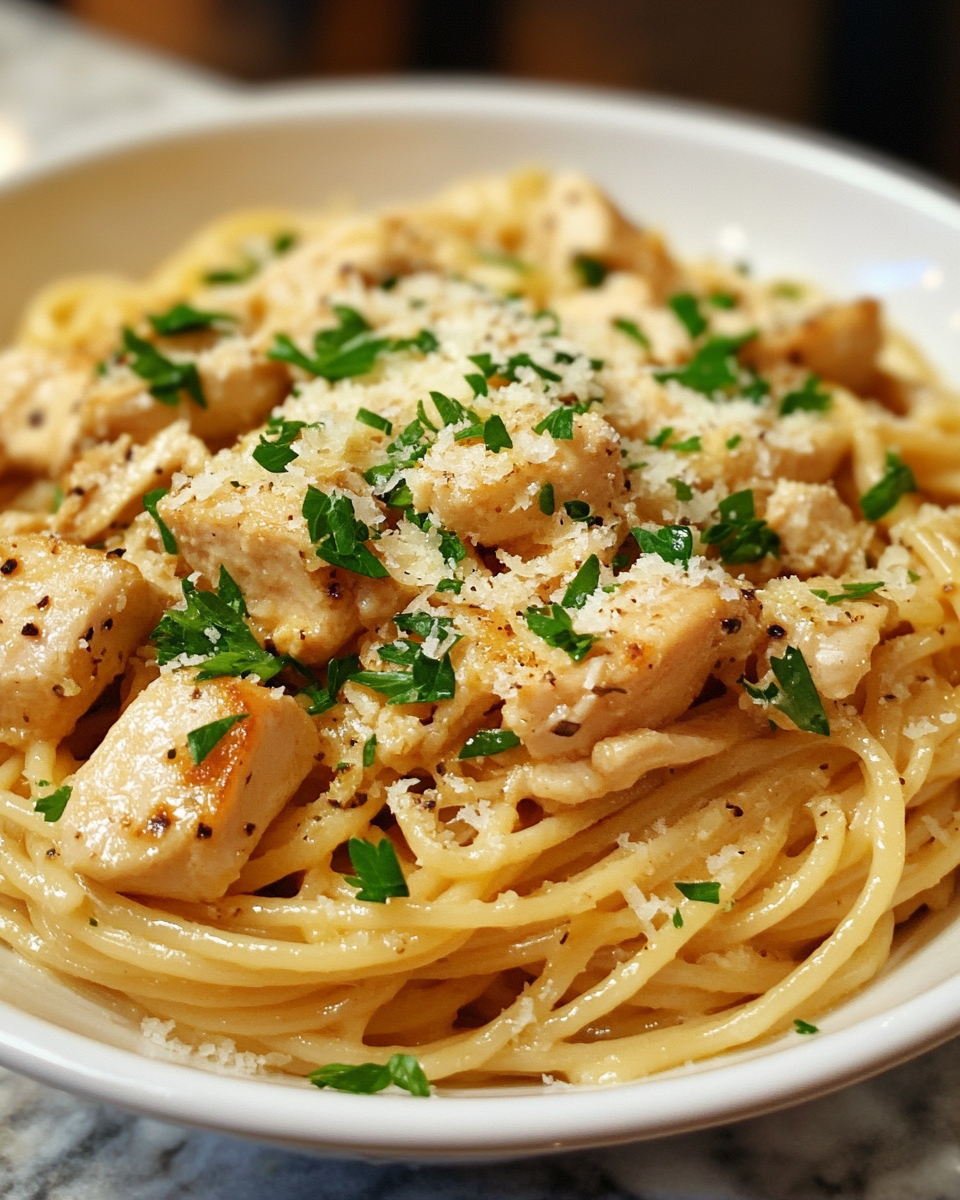
Garlic Butter Chicken Pasta: 5 Authentic, Grateful Bites

Garlic Butter Chicken Pasta: 5 Authentic, Grateful Bites

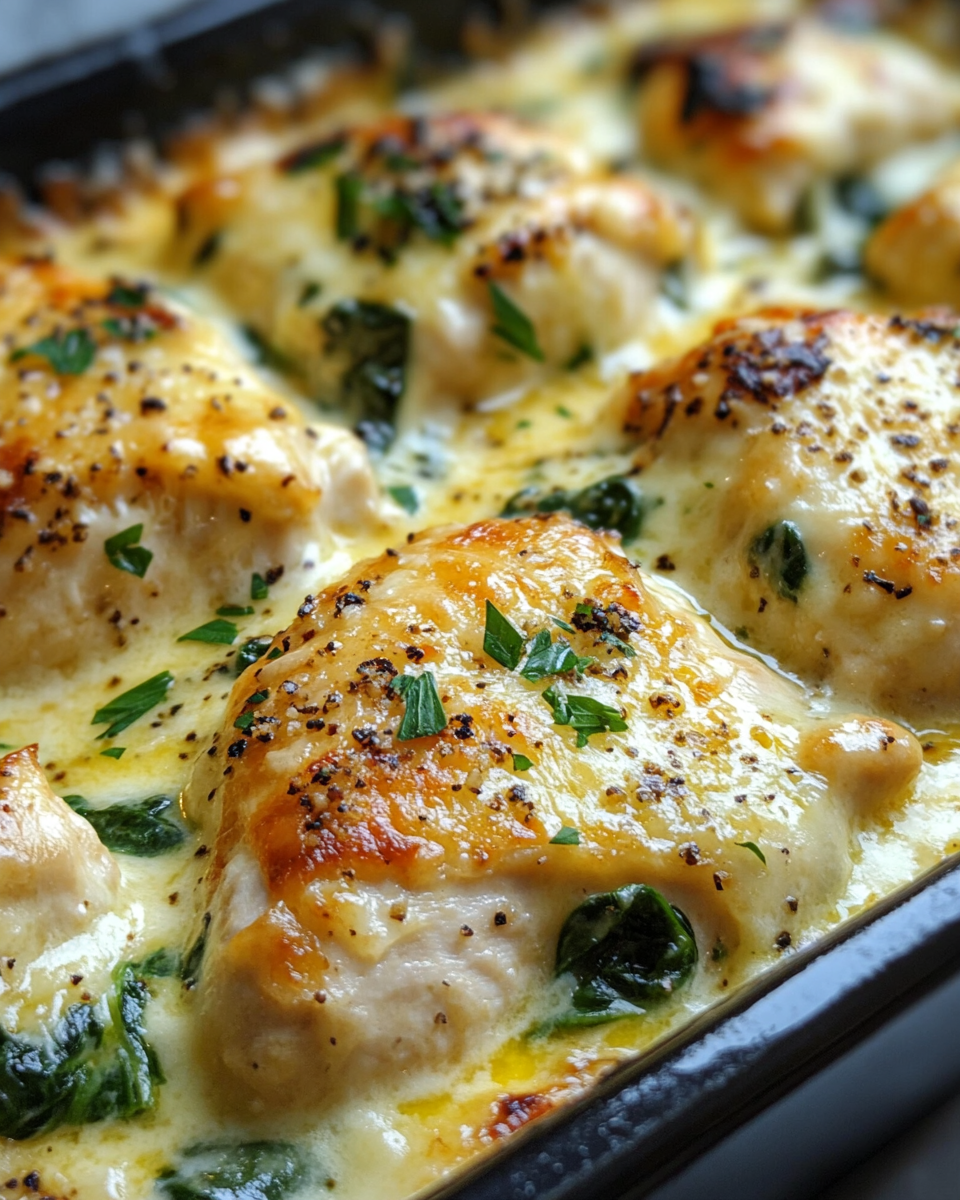
Creamy Spinach Chicken Bake: 5 Simple Comforting Meals

Creamy Spinach Chicken Bake: 5 Simple Comforting Meals

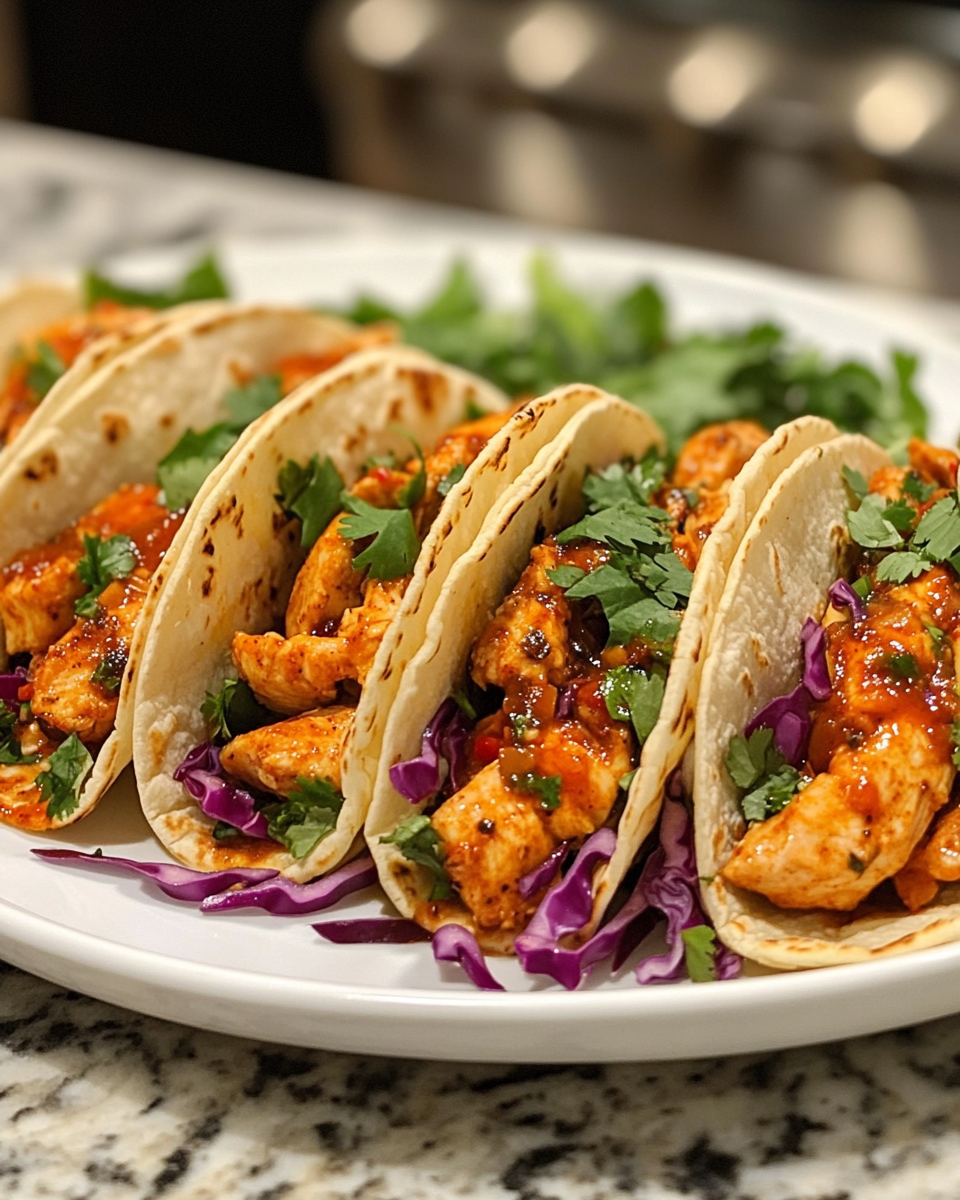
Sweet Chili Chicken Tacos: 7 Authentic Devoted Bites

Sweet Chili Chicken Tacos: 7 Authentic Devoted Bites

Tags:

You might also like these recipes

Leave a Comment