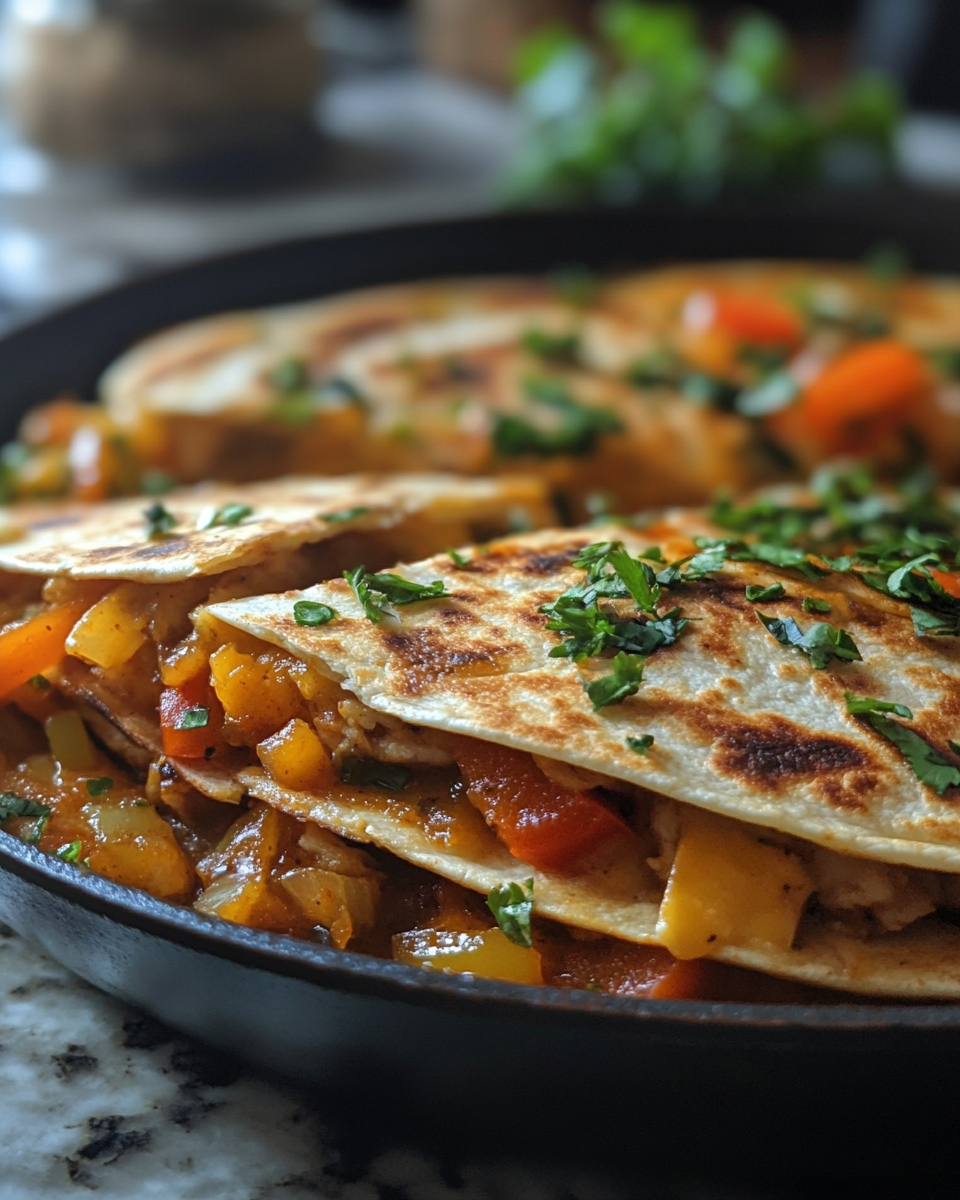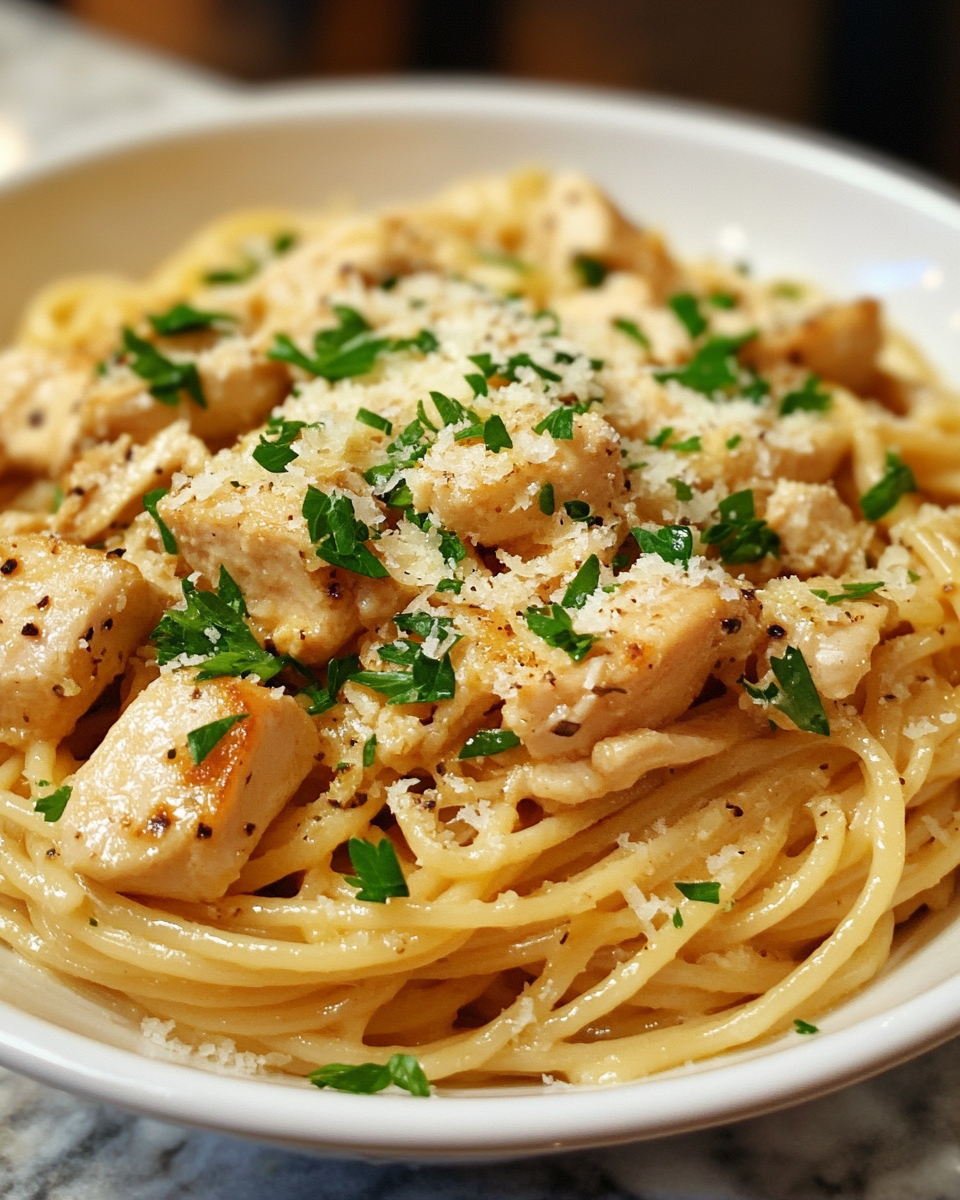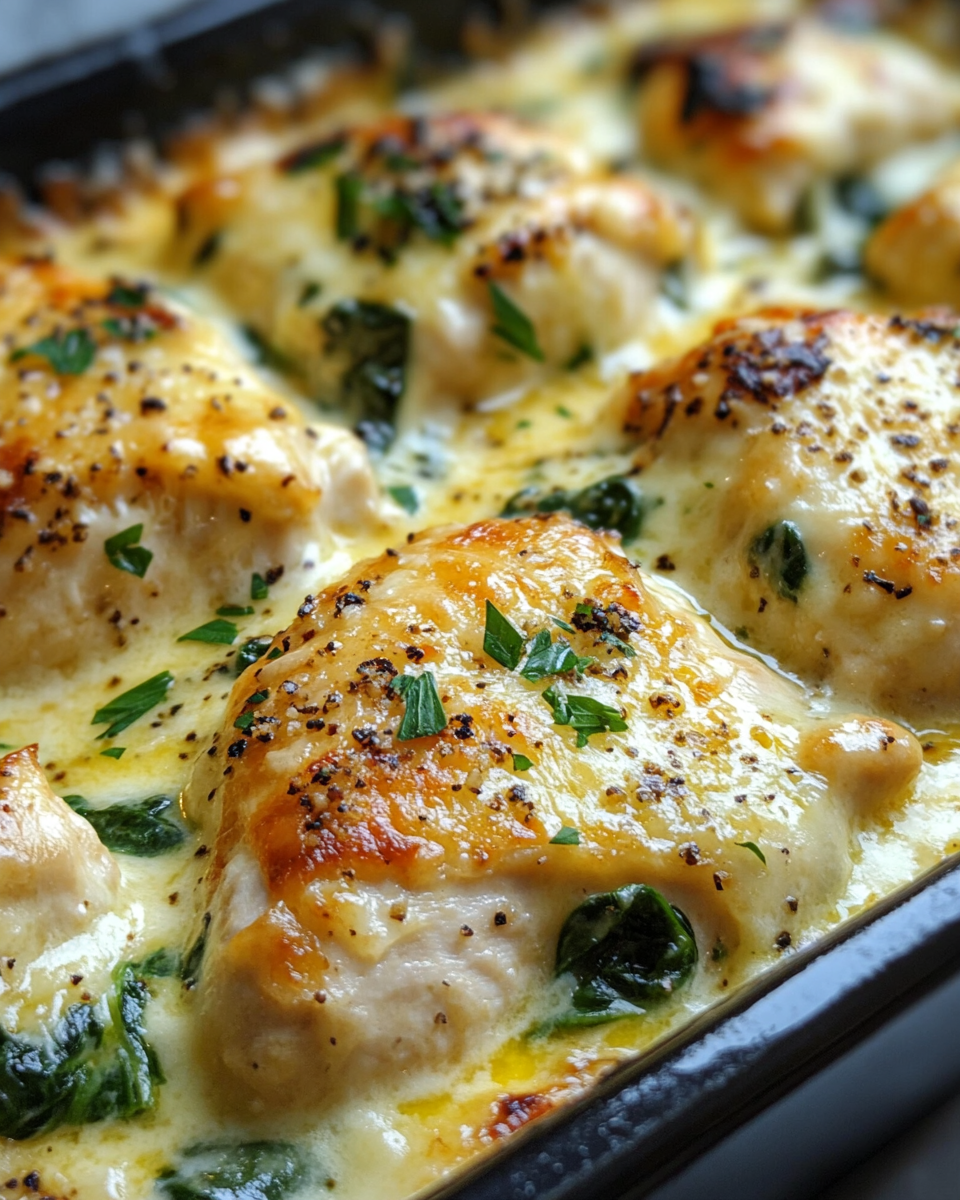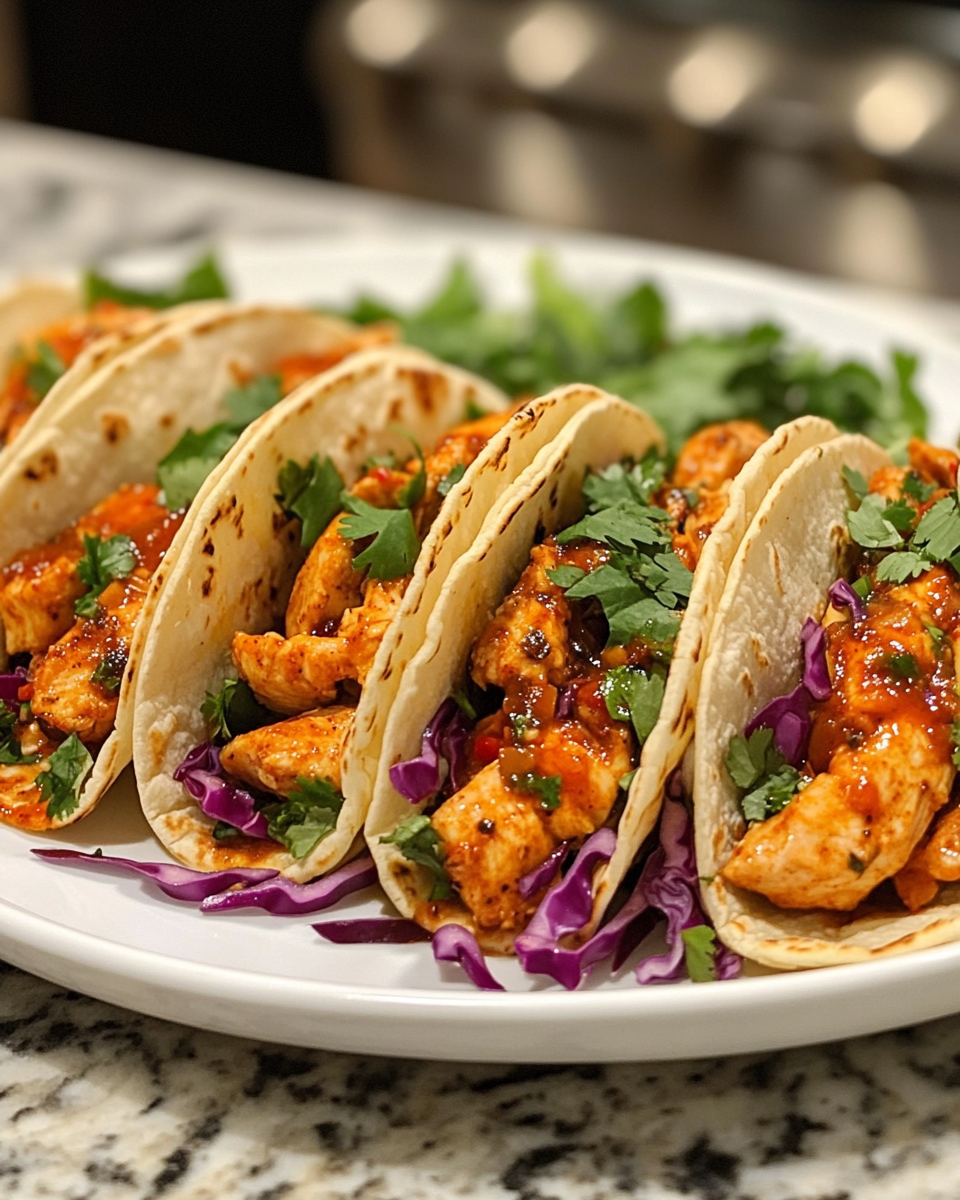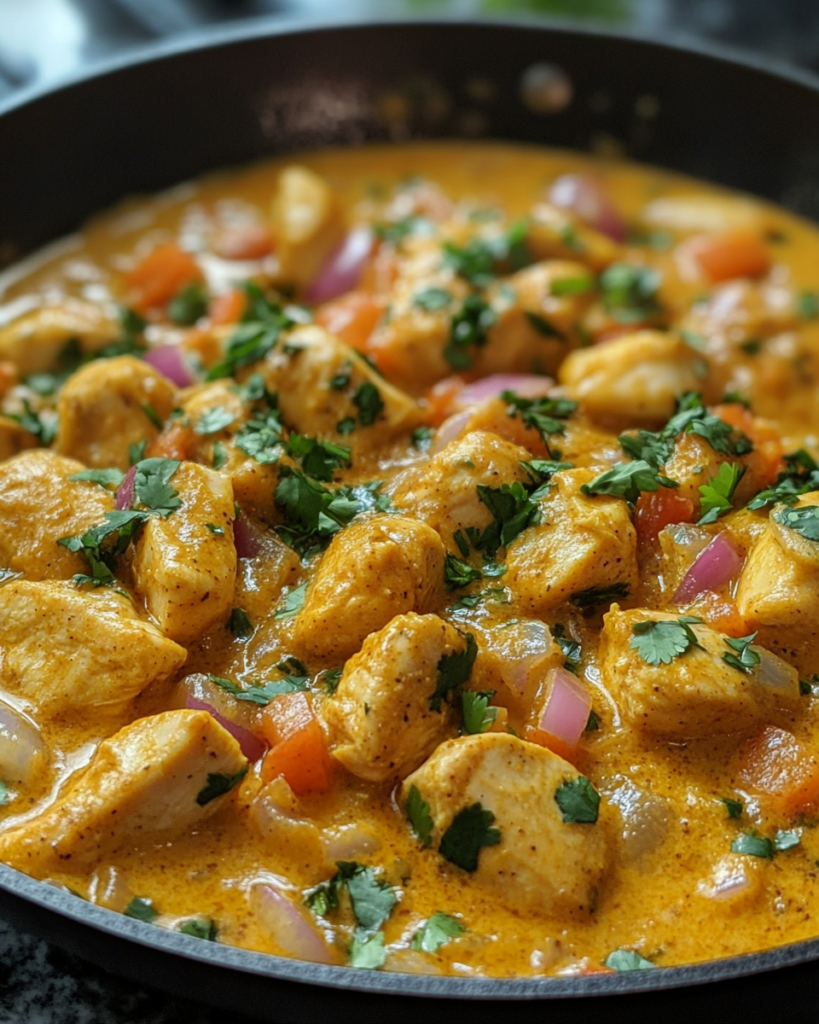
Coconut Curry Chicken Skillet combines tender chicken, creamy coconut milk, warm spices, and colorful vegetables inside one comforting pan. The sauce turns rich and velvety while carrying gentle curry flavor balanced with garlic, ginger, and fresh lime.
This dish feels hearty enough for cool evenings yet light enough for year-round dinners. The creamy coconut sauce coats every bite beautifully without becoming overly heavy. Served over rice or alongside warm flatbread, Coconut Curry Chicken Skillet creates a satisfying meal with bold flavor and approachable preparation.
One-skillet recipes remain especially practical because they simplify cleanup while building layers of flavor in a single pan. This recipe delivers comforting texture, fragrant seasoning, and balanced richness using simple ingredients that work together naturally.
Ingredients Overview
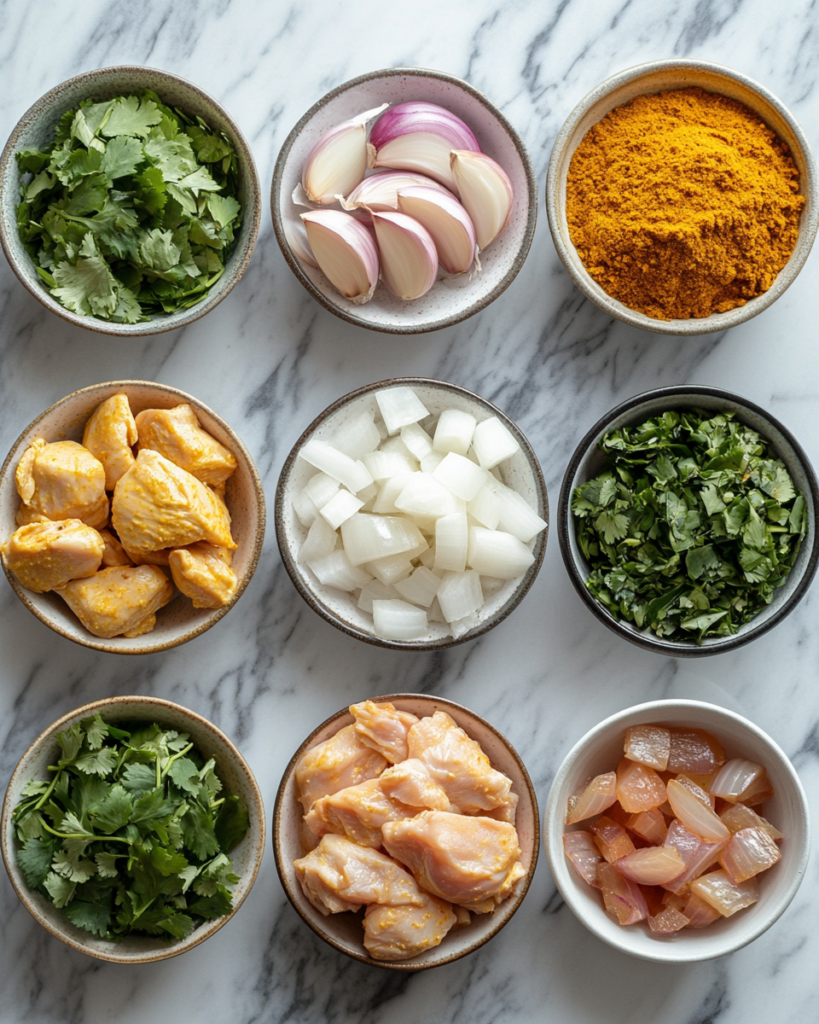
Chicken thighs remain especially popular for coconut curry because they stay juicy during simmering and absorb seasoning beautifully. Boneless chicken breasts also work nicely for a leaner texture. Cutting the chicken into evenly sized pieces helps everything cook consistently.
Coconut milk creates the creamy foundation of the sauce. Full-fat coconut milk produces the richest texture and smoothest consistency. Light coconut milk may be used for a slightly lighter version, though the sauce will feel thinner.
Curry powder supplies warm flavor with earthy spices such as turmeric, coriander, cumin, and ginger. Garlic and fresh ginger deepen the savory profile while adding brightness and fragrance. Onion contributes sweetness that balances the spices naturally.
Bell peppers add color and texture to the skillet. Carrots contribute subtle sweetness and soften beautifully while simmering. Spinach folds into the sauce near the end for freshness and gentle earthiness.
Chicken broth loosens the sauce slightly while helping all the flavors blend together smoothly. Lime juice sharpens the final dish and balances the creamy coconut milk with fresh acidity.
Olive oil helps brown the chicken and soften the vegetables evenly. Fresh cilantro or parsley provides a bright finish right before serving. Red pepper flakes may be added for additional heat without overpowering the coconut flavor.
Several substitutions work beautifully in this recipe. Shrimp may replace chicken for quicker cooking. Chickpeas or tofu create hearty vegetarian alternatives. Sweet potatoes can replace carrots for deeper sweetness and extra texture.
Ingredients
1 1/2 pounds boneless chicken thighs or chicken breasts, cut into bite-sized pieces
1 tablespoon olive oil
1 medium yellow onion, diced
1 red bell pepper, sliced
2 carrots, sliced thinly
3 cloves garlic, minced
1 tablespoon fresh ginger, grated
2 tablespoons curry powder
1 teaspoon ground turmeric
1/2 teaspoon paprika
1 teaspoon salt
1/2 teaspoon black pepper
1/4 teaspoon red pepper flakes
1 can full-fat coconut milk
1/2 cup chicken broth
2 cups fresh spinach
1 tablespoon lime juice
2 tablespoons chopped cilantro or parsley
Cooked rice for serving
Lime wedges for serving
Step-by-Step Instructions
Begin by patting the chicken dry with paper towels. Dry chicken browns more evenly and develops richer flavor inside the skillet. Season the chicken lightly with salt and black pepper.
Heat olive oil inside a large skillet over medium-high heat. Once the oil shimmers lightly, add the chicken pieces in a single layer. Cook for about 5 to 6 minutes, stirring occasionally, until lightly browned on the outside. The chicken does not need to finish cooking completely at this stage because it will continue simmering later in the sauce.
Transfer the chicken onto a plate temporarily. Inside the same skillet, add the onion, bell pepper, and carrots. Stir frequently for about 5 minutes until the vegetables soften slightly and the onions become translucent.
Add garlic and fresh ginger, stirring constantly for about 30 seconds until fragrant. Sprinkle in curry powder, turmeric, paprika, and red pepper flakes. Stir the spices directly into the vegetables for about 1 minute so the flavors deepen and bloom inside the warm oil.
Pour in the coconut milk and chicken broth while scraping the bottom of the skillet gently to release any browned bits. Those caramelized pieces contribute extra flavor throughout the sauce.
Return the chicken to the skillet and stir well. Reduce the heat to medium-low and allow everything to simmer gently for about 12 to 15 minutes. The sauce should thicken slightly while the chicken finishes cooking fully.
Stir in the spinach during the final few minutes of cooking. The spinach wilts quickly inside the warm sauce without requiring long cooking time. Finish the skillet with fresh lime juice and chopped cilantro or parsley.
Taste the sauce before serving and adjust seasoning if needed. Additional lime juice brightens the richness beautifully, while extra salt sharpens the spice profile naturally.
Avoid boiling the coconut milk aggressively because excessive heat can separate the sauce. Gentle simmering creates smoother texture and better flavor balance. Overcrowding the skillet during browning may also prevent the chicken from developing rich color.
Serve the Coconut Curry Chicken Skillet hot over fluffy rice with lime wedges alongside for extra freshness.
Tips, Variations & Substitutions
Chicken thighs remain especially tender during simmering, though chicken breast creates a leaner option with slightly firmer texture. Shrimp cooks quickly and pairs beautifully with the creamy coconut sauce for seafood variation.
Sweet potatoes create heartier texture and subtle sweetness inside the skillet. Zucchini, mushrooms, peas, or green beans also blend nicely with the curry flavors. Spinach may be replaced with kale, though kale requires slightly longer cooking time.
For stronger spice, stir extra red pepper flakes or diced jalapeños into the sauce. Mild curry powder works best for diners preferring gentler flavor. Thai red curry paste may replace curry powder for deeper heat and richer color.
Cauliflower rice works beautifully for a lighter meal. Jasmine rice remains especially popular because its soft aroma complements coconut milk naturally. Warm naan or flatbread also pairs wonderfully for soaking up the creamy sauce.
Leftovers store well inside airtight containers for up to four days inside the refrigerator. The sauce thickens slightly after chilling, though a splash of broth or water restores smooth consistency during reheating.
For meal preparation, cook the rice separately and portion the curry into containers once cooled. Fresh herbs and lime wedges should be added right before serving for the brightest flavor.
Serving Ideas & Occasions
Coconut Curry Chicken Skillet fits both casual weeknight dinners and relaxed gatherings because the creamy sauce feels comforting while remaining approachable for many diners. It also works beautifully for meal prep lunches since the flavors deepen slightly after resting overnight.
Steamed jasmine rice remains one of the most traditional pairings because it absorbs the coconut curry sauce beautifully. Brown rice adds hearty texture and additional fiber. Warm naan bread or soft flatbread creates another satisfying option for scooping the sauce directly from the skillet.
Fresh cucumber salad provides cooling contrast beside the warm curry spices. Roasted broccoli, green beans, or lightly sautéed spinach also pair nicely with the creamy sauce.
Sparkling water with lime, lightly sweetened iced tea, or citrus beverages balance the richness naturally. Garnishing the skillet with extra cilantro and lime wedges right before serving creates fresh color and aroma that brighten the entire meal.
Nutritional & Health Notes
Coconut Curry Chicken Skillet provides balanced protein, healthy fats, and vegetables inside one filling dish. Chicken supplies substantial protein that supports fullness and muscle maintenance. Coconut milk contributes creamy texture along with satisfying fats.
Bell peppers, spinach, carrots, garlic, and onions add vitamins, minerals, and fiber. Turmeric and ginger contain naturally occurring plant compounds commonly included in balanced diets.
Using chicken breast and light coconut milk lowers the overall fat content while still preserving creamy texture. Serving the curry over brown rice or cauliflower rice can further adjust the nutritional balance according to personal preference.
Preparing curry dishes at home also allows better control over sodium levels and ingredient quality compared with many restaurant versions. Moderate portions paired with vegetables and rice create a hearty yet balanced meal suitable for regular family dinners.
FAQs
Can I make Coconut Curry Chicken Skillet ahead of time?
Yes, this recipe works wonderfully for advance preparation because the flavors deepen after resting. Store the cooled curry inside airtight containers in the refrigerator for up to four days. Reheat gently over medium-low heat with a splash of broth or water if the sauce thickens too much during chilling. Fresh herbs and lime juice taste brightest when added shortly before serving rather than during storage.
Which coconut milk works best for this recipe?
Full-fat coconut milk creates the richest texture and smoothest sauce consistency. Light coconut milk may also be used for a slightly lighter version, though the sauce becomes thinner and less creamy. Canned coconut milk typically works better than refrigerated coconut beverages because it contains higher coconut content and richer texture suitable for cooking.
Is this recipe very spicy?
This dish carries mild to medium warmth depending on the curry powder and amount of red pepper flakes used. Coconut milk softens the spices beautifully and creates balanced flavor rather than overwhelming heat. Diners preferring stronger spice can add jalapeños, cayenne pepper, or extra curry seasoning according to taste.
Can I freeze Coconut Curry Chicken Skillet?
Yes, the curry freezes well for roughly two months. Allow the skillet to cool fully before transferring to freezer-safe containers. Thaw overnight inside the refrigerator before reheating gently on the stovetop. Stirring during reheating helps restore smooth sauce consistency. Fresh spinach and herbs taste best when added after reheating rather than before freezing.
What vegetables work nicely in coconut curry?
Bell peppers, carrots, spinach, peas, zucchini, mushrooms, sweet potatoes, and green beans all pair beautifully with coconut curry sauce. Vegetables with mild sweetness balance the warm spices especially well. Firmer vegetables should be added earlier during cooking, while leafy greens like spinach only require a few minutes near the end.
Can I use rotisserie chicken instead?
Yes, rotisserie chicken creates a convenient shortcut. Since the chicken is already cooked, prepare the sauce and vegetables first, then stir the shredded chicken into the skillet during the final few minutes until heated through. This method shortens preparation time while still creating hearty flavor.
What rice pairs best with coconut curry?
Jasmine rice remains one of the most popular pairings because its soft aroma complements coconut milk beautifully. Basmati rice also works nicely because the grains remain light and fluffy. Brown rice contributes heartier texture and fiber, while cauliflower rice creates a lighter alternative with fewer carbohydrates.