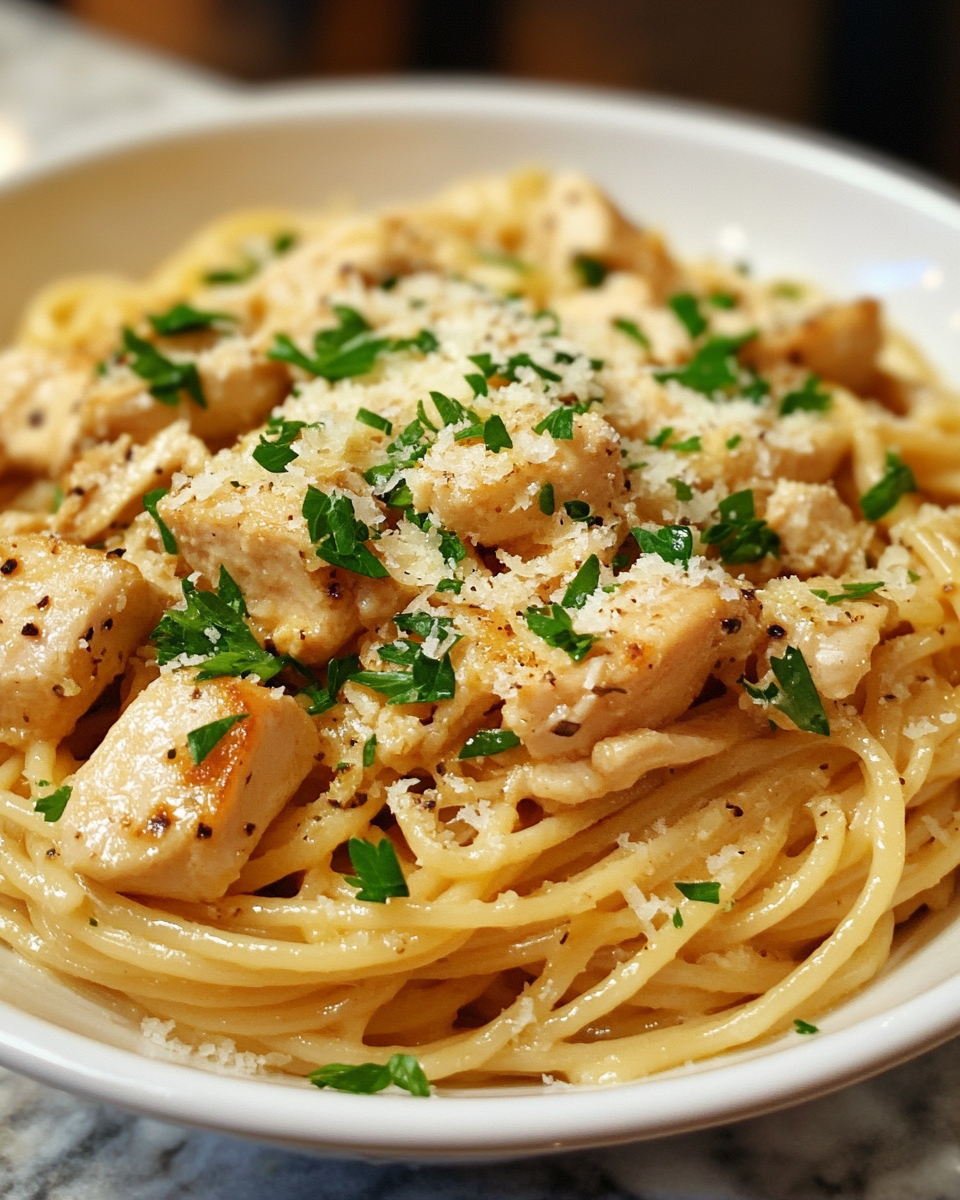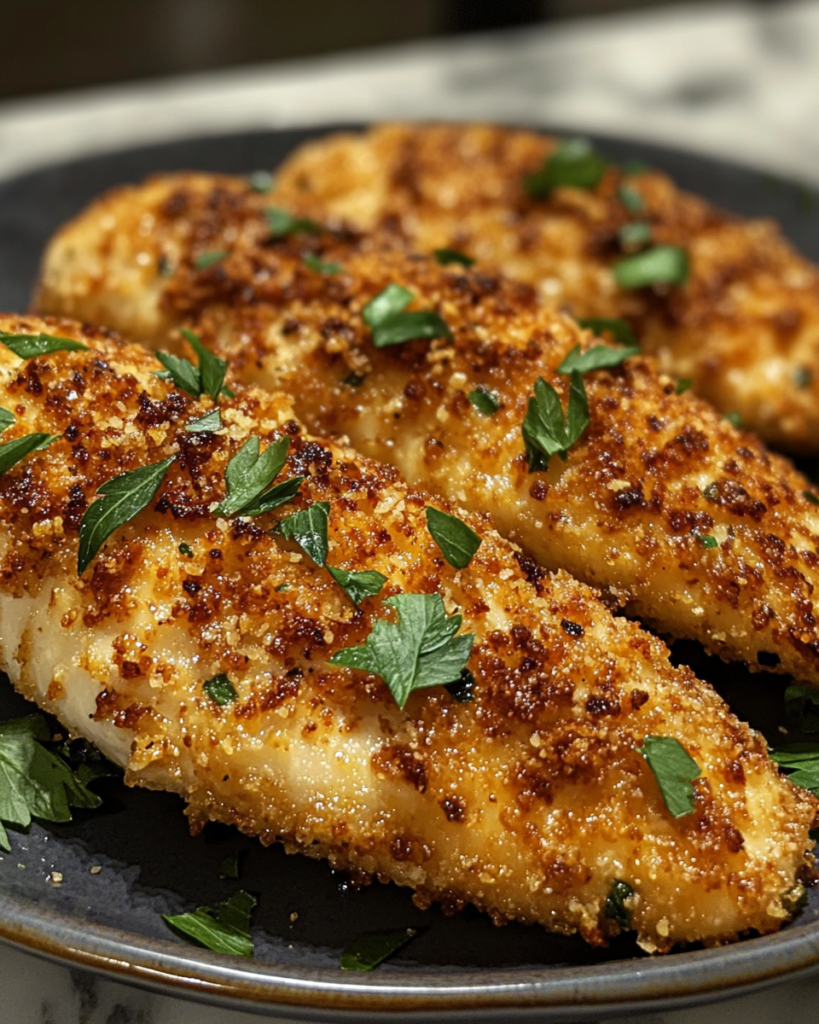
Crispy Parmesan Chicken Tenders bring together juicy chicken strips, a crunchy coating, and rich cheesy flavor in every bite. This family-style dinner works beautifully for busy evenings, casual gatherings, or weekend comfort meals. The golden crust forms during baking or frying, while the Parmesan adds a savory finish that pairs wonderfully with simple dipping sauces.
Chicken tenders cook faster than larger chicken cuts, which makes this recipe practical for weeknight cooking. The coating combines breadcrumbs, Parmesan cheese, and seasonings that cling tightly to the chicken and create a crisp outer layer without heavy breading. Every piece stays tender inside while developing a deeply golden crust outside.
These tenders pair nicely with salads, roasted vegetables, fries, or creamy mashed potatoes. They also fit beautifully into wraps, sandwiches, and lunch boxes. Since the ingredients stay simple and familiar, this recipe appeals to both children and adults.
Ingredients Overview
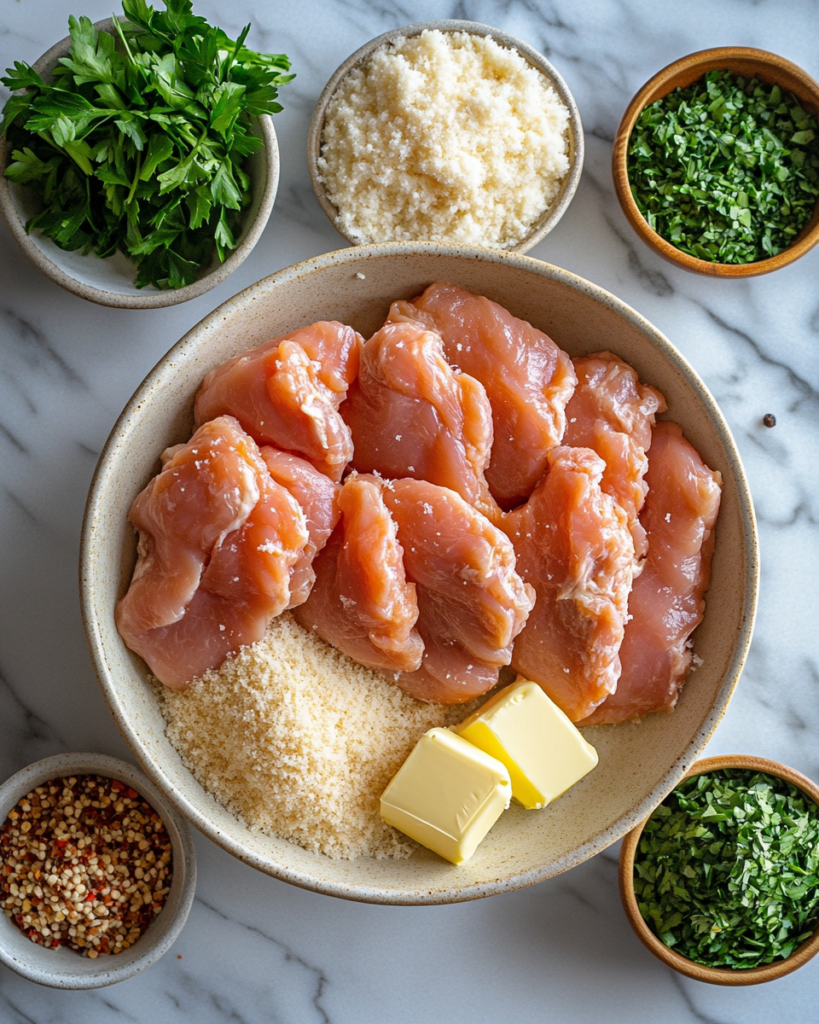
The heart of Crispy Parmesan Chicken Tenders comes from fresh chicken tenderloins or sliced chicken breasts. Tenderloins naturally stay moist during cooking and absorb seasoning beautifully. Chicken breasts sliced into strips also work very well and create a slightly firmer texture.
Parmesan cheese adds salty richness and helps create a deeply golden crust. Freshly grated Parmesan melts into the breadcrumbs during cooking and forms crispy edges across the surface of the chicken. Pre-grated Parmesan works in a pinch, though freshly grated cheese delivers fuller flavor and improved texture.
Breadcrumbs create the crunchy outer layer. Panko breadcrumbs produce an airy crisp coating, while traditional breadcrumbs form a slightly denser crust. Many home cooks enjoy combining both styles for balanced texture.
Eggs help the coating stick evenly to the chicken. A light flour coating before dipping into egg also helps the breadcrumbs cling properly and prevents bare spots during cooking.
Garlic powder, onion powder, paprika, salt, and black pepper season the breading mixture without overpowering the Parmesan flavor. Italian seasoning adds herbal notes that complement the cheesy coating.
Olive oil or melted butter helps the tenders brown beautifully during baking. If frying, a neutral oil such as canola or vegetable oil creates a crisp finish without overwhelming the flavor.
For substitutions, gluten-free breadcrumbs work nicely for gluten-sensitive diets. Pecorino Romano may replace Parmesan for a sharper flavor profile. Chicken thighs sliced into strips also create juicy tenders with slightly richer flavor.
Ingredients
1 1/2 pounds chicken tenderloins
1/2 cup all-purpose flour
2 large eggs
1 tablespoon water
1 cup panko breadcrumbs
1/2 cup traditional breadcrumbs
3/4 cup freshly grated Parmesan cheese
1 teaspoon garlic powder
1 teaspoon onion powder
1 teaspoon paprika
1 teaspoon Italian seasoning
1 teaspoon salt
1/2 teaspoon black pepper
2 tablespoons olive oil
Cooking spray or additional oil for baking
Fresh parsley for garnish
Marinara sauce, ranch dressing, or honey mustard for serving
Step-by-Step Instructions
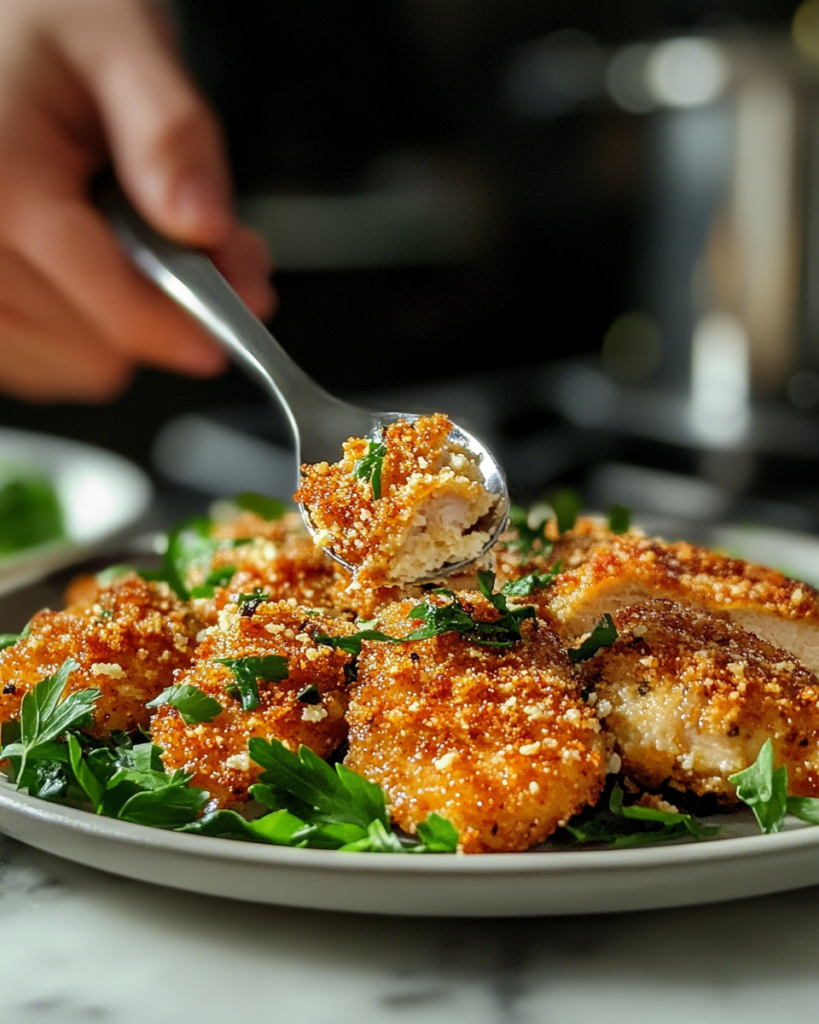
Start by patting the chicken tenderloins dry using paper towels. Removing excess moisture helps the coating cling properly and encourages crisp browning during cooking. If using chicken breasts, slice them into evenly sized strips so they cook at the same rate.
Prepare three shallow bowls for breading. Place the flour in the first bowl. In the second bowl, whisk together the eggs and water until smooth. In the third bowl, combine the panko breadcrumbs, traditional breadcrumbs, Parmesan cheese, garlic powder, onion powder, paprika, Italian seasoning, salt, and black pepper.
Dip each chicken strip lightly into the flour and shake off excess coating. Next, coat the chicken in the egg mixture, allowing extra liquid to drip away. Finally, press the chicken firmly into the breadcrumb mixture so every surface becomes fully coated.
For baking, preheat the oven to 425 degrees Fahrenheit. Line a baking sheet with parchment paper or lightly grease the surface. Arrange the breaded chicken strips in a single layer with slight spacing between pieces. Drizzle olive oil lightly across the tops or spray with cooking spray for improved browning.
Bake the chicken tenders for 18 to 22 minutes, flipping halfway through cooking. The coating should appear deeply golden and crisp, while the internal temperature reaches 165 degrees Fahrenheit. Larger pieces may require an additional few minutes.
For frying, heat about 1 inch of oil in a deep skillet over medium heat until the temperature reaches roughly 350 degrees Fahrenheit. Fry several tenders at a time without overcrowding the pan. Cook each batch for about 3 to 4 minutes per side until golden brown and fully cooked. Transfer cooked tenders onto a wire rack or paper towel-lined plate.
One common mistake involves overcrowding the baking sheet or frying pan. Tight spacing traps steam and softens the coating. Another issue comes from skipping the flour layer, which often causes breadcrumbs to slide away during cooking.
Allow the tenders to rest for several minutes before serving. This brief resting period helps the coating settle while keeping the interior juicy. Garnish with parsley and serve alongside favorite dipping sauces.
Tips, Variations & Substitutions
Fresh Parmesan cheese produces richer flavor and crispier texture compared to shelf-stable grated cheese. Finely shredding the cheese also helps it distribute evenly through the breadcrumbs.
For extra crunch, lightly toast the breadcrumbs in a dry skillet before breading the chicken. This small step creates a deeper golden finish during baking.
Spicy variations work beautifully with cayenne pepper or crushed red pepper flakes added to the coating mixture. For a smoky flavor profile, smoked paprika creates gentle warmth without overwhelming heat.
Air fryers also produce excellent Crispy Parmesan Chicken Tenders. Cook the breaded chicken at 400 degrees Fahrenheit for roughly 10 to 12 minutes, flipping halfway through cooking.
Gluten-free breadcrumbs and gluten-free flour create a gluten-sensitive version without sacrificing texture. Crushed cornflakes may also replace breadcrumbs for added crispness.
For lower-fat preparation, baking works wonderfully instead of frying. A light coating of oil still creates satisfying crunch while keeping the dish lighter.
These tenders also fit beautifully into wraps, salads, grain bowls, or sandwiches. Leftover tenders sliced over Caesar salad create a hearty lunch with minimal effort.
Serving Ideas & Occasions
Crispy Parmesan Chicken Tenders fit naturally into many meals and gatherings. They work wonderfully for casual family dinners, game-day spreads, picnic lunches, and party platters. Since the tenders stay easy to hold and dip, they suit both children and adults alike.
Classic side dishes include seasoned fries, roasted potatoes, macaroni and cheese, or creamy coleslaw. Lighter options such as cucumber salad, steamed broccoli, or mixed greens balance the richness of the Parmesan coating beautifully.
These tenders pair nicely with marinara sauce, garlic aioli, ranch dressing, honey mustard, or spicy chipotle mayo. Warm dinner rolls or soft brioche buns also transform the tenders into hearty sandwiches.
For drinks, sparkling water, iced tea, lemonade, or crisp white wine complement the savory flavors nicely. During colder months, these tenders pair beautifully with creamy soups and roasted vegetables for comforting dinners.
Nutritional & Health Notes
Chicken tenders provide a solid source of protein that supports balanced meals and satisfying portions. Parmesan cheese contributes calcium and savory flavor, which allows the seasoning blend to stay relatively simple.
Baking instead of frying lowers the total oil content while still producing crisp texture. Using olive oil rather than heavily processed frying fats also creates a lighter finish.
Panko breadcrumbs help create airy crunch without excessively thick breading. Pairing the tenders with vegetables or salads creates a more balanced plate with added fiber and freshness.
Portion size matters with crispy foods, especially when served alongside rich dipping sauces. Lighter sauces such as yogurt-based ranch or simple marinara help keep the meal balanced.
These tenders also work well for meal preparation since leftovers reheat nicely in ovens or air fryers. Reheating at higher temperatures helps restore crispness without drying the chicken.
FAQs
Can I prepare Crispy Parmesan Chicken Tenders ahead of time?
Yes, these chicken tenders work very well for advance preparation. You may bread the chicken several hours before cooking and store the coated pieces on a baking sheet inside the refrigerator. Keeping the chicken chilled helps the coating stay attached during cooking. If preparing further ahead, freezing the breaded uncooked tenders also works nicely. Arrange them in a single layer until frozen, then transfer into freezer bags. Cook directly from frozen with slightly longer cooking time. For cooked leftovers, reheating inside an oven or air fryer restores crisp texture far better than microwaving, which softens the coating considerably.
Which breadcrumbs create the crispiest texture?
Panko breadcrumbs typically create the crispiest texture because their larger flakes trap air during cooking. This creates a lighter, crunchier crust compared to standard breadcrumbs. Combining panko with traditional breadcrumbs gives balanced texture and fuller coating coverage. Fresh breadcrumbs create softer texture and absorb moisture more quickly, which may reduce crispness. For even crunchier results, lightly toasting breadcrumbs before breading the chicken helps deepen color and texture. Air frying also works beautifully with panko-coated tenders because circulating heat crisps the coating evenly across the surface without heavy oil.
Can I use chicken thighs instead of chicken tenderloins?
Chicken thighs sliced into strips create delicious results in this recipe. Thigh meat contains slightly higher fat content, which helps the chicken stay especially juicy during cooking. The flavor also becomes richer and more savory. Since thighs vary in thickness, slicing evenly sized strips helps maintain consistent cooking time. Thigh meat may require a few additional minutes compared to tenderloins. Boneless skinless thighs work most smoothly for breaded recipes because they coat evenly and remain easy to handle during breading and cooking. Many cooks enjoy the extra tenderness that thighs provide.
How do I keep the coating from falling off?
Proper breading technique helps the coating stay attached during cooking. Start by drying the chicken thoroughly with paper towels. Coat lightly with flour before dipping into egg mixture because the flour creates a surface that helps breadcrumbs cling properly. Press the breadcrumb mixture firmly onto the chicken rather than sprinkling it loosely. After breading, allow the chicken to rest several minutes before cooking. This resting time helps the layers settle together. During frying, avoid turning the tenders too early because the crust needs time to firm before flipping.
What sauces pair nicely with these chicken tenders?
Many dipping sauces pair beautifully with Crispy Parmesan Chicken Tenders. Marinara sauce creates a classic Italian-inspired combination with the Parmesan coating. Ranch dressing delivers creamy contrast, while honey mustard balances savory flavors with gentle sweetness. Garlic aioli brings rich flavor that complements the crisp coating wonderfully. Spicy options such as buffalo sauce or chipotle mayo add warmth without overpowering the chicken. Lighter sauces including Greek yogurt herb dip or lemon garlic sauce also pair nicely. Serving several sauces together allows guests and family members to enjoy different flavor combinations.
Can I freeze cooked chicken tenders?
Cooked chicken tenders freeze very successfully when stored properly. Allow the tenders to cool completely before arranging them in a single layer on a baking sheet. Freeze until firm, then transfer into airtight freezer containers or freezer bags. This method prevents pieces from sticking together. Reheat frozen tenders inside an oven or air fryer rather than using a microwave. Higher heat helps restore crispness and keeps the coating from becoming soggy. Properly stored cooked tenders usually maintain quality for roughly two months in the freezer.
How can I keep baked tenders crispy?
Several small techniques help baked chicken tenders stay crispy. First, bake at high temperature so the coating browns quickly before moisture softens the crust. Placing the tenders on a wire rack over a baking sheet also allows heat circulation underneath the chicken. Lightly coating the breaded surface with oil spray promotes even browning and crunch. Avoid overcrowding the baking tray because trapped steam softens the coating. Once cooked, resting the tenders briefly on a wire rack instead of a flat plate keeps air circulating around the crispy exterior.