Garlic Herb Turkey Meal Prep Bowls 5 Ultimate Fresh Bowls

Posted on

Uncategorized

Difficulty

Prep time

Cooking time

Total time

Servings

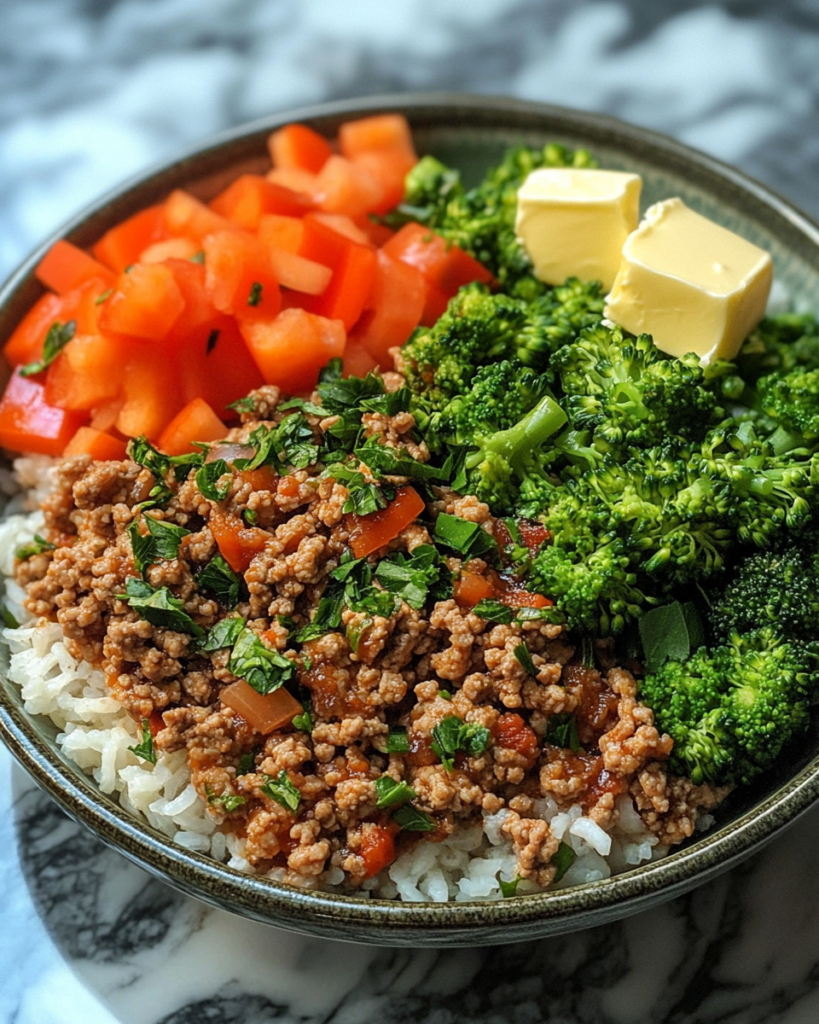
Garlic Herb Turkey Meal Prep Bowls bring together seasoned ground turkey, fragrant herbs, and balanced sides into a satisfying, protein-rich meal prep option. Each bowl is built for convenience while still delivering layered flavor from garlic, parsley, thyme, and a light citrus finish. The result is a practical dish that fits well into weekly cooking routines without sacrificing taste or texture.

This recipe focuses on simplicity in preparation while maintaining depth in seasoning. Lean turkey absorbs aromatics beautifully, while roasted vegetables and a wholesome base create structure in every portion. Each component holds its own, yet blends together once assembled, creating a cohesive bowl that works for lunch or dinner throughout the week.


Ingredients Overview
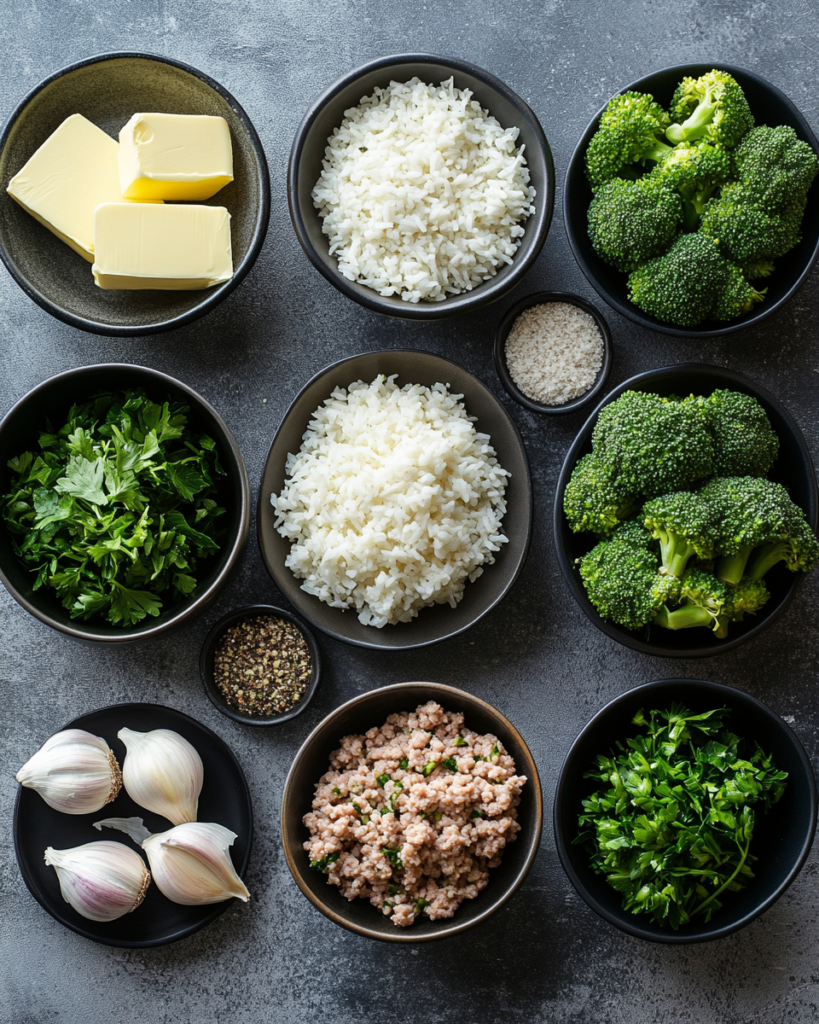
Ground turkey serves as the main protein, offering a lean foundation that carries garlic and herb seasoning exceptionally well. Its mild flavor allows herbs such as parsley, thyme, and oregano to stand out without overpowering the dish. A small amount of olive oil helps retain moisture during cooking, preventing dryness while adding subtle richness.

Garlic plays a central role, infusing the turkey with bold aroma and depth. Fresh minced cloves deliver sharper notes, while garlic powder can smooth the overall profile if preferred. Herbs bring brightness and balance; parsley adds freshness, thyme contributes earthy undertones, and oregano rounds out the seasoning blend with warmth.

For the base, brown rice or quinoa provides steady texture and helps absorb juices from the turkey mixture. Both options hold up well during storage, making them ideal for meal prep. Roasted vegetables such as zucchini, bell peppers, and carrots introduce natural sweetness and color contrast, helping each bowl feel complete.

A light lemon finish ties everything together, lifting the savory elements without overwhelming them. Salt and black pepper adjust seasoning, while optional red pepper flakes can introduce gentle heat for additional depth.

Substitutions are flexible. Ground chicken can replace turkey, cauliflower rice can stand in for grains, and seasonal vegetables can be swapped depending on availability. The structure of the dish remains consistent even with adjustments.


Ingredients

1 1/2 pounds ground turkey
2 tablespoons olive oil
4 cloves garlic, minced
1 teaspoon garlic powder
1 teaspoon dried oregano
1 teaspoon dried thyme
1/4 cup fresh parsley, chopped
1 teaspoon salt
1/2 teaspoon black pepper
1/2 teaspoon red pepper flakes (optional)
2 cups cooked brown rice or quinoa
1 zucchini, chopped
1 red bell pepper, chopped
2 carrots, sliced
1 tablespoon lemon juice
1/2 teaspoon paprika


Step-by-Step Instructions
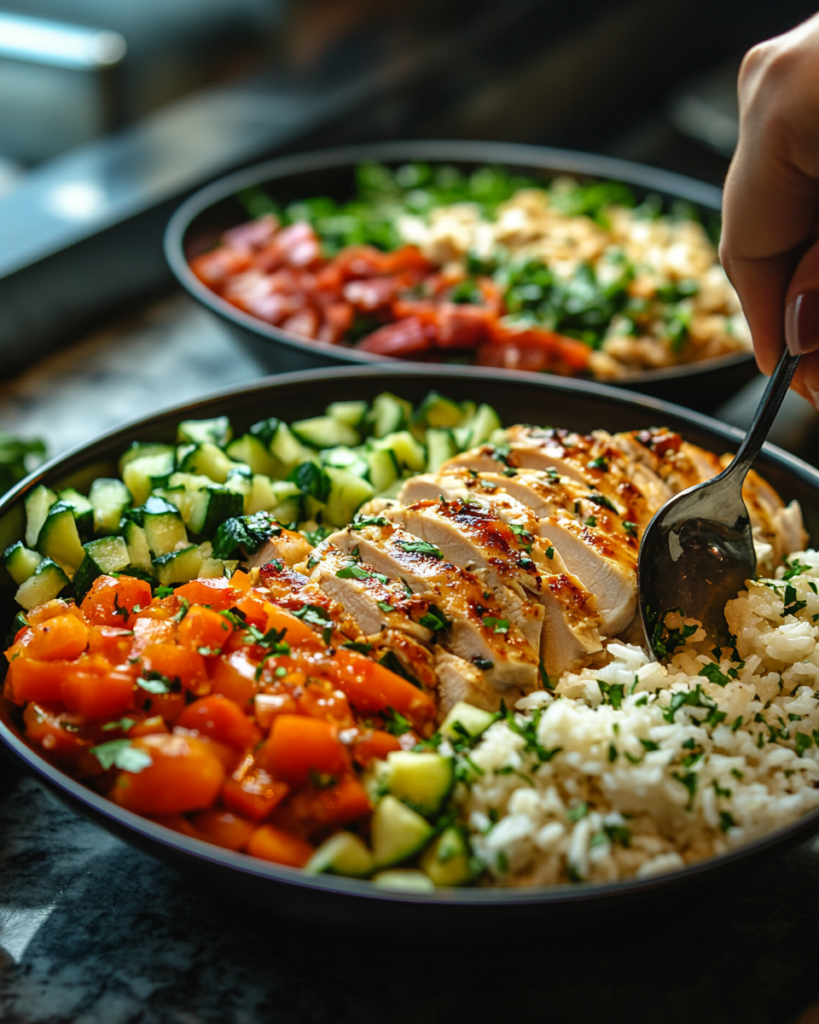
Begin by preparing the vegetables. Chop zucchini, slice carrots, and cut bell pepper into bite-sized pieces. Spread them across a baking tray and drizzle with a portion of olive oil. Sprinkle salt, pepper, and paprika over the vegetables, then roast at 400°F until tender with lightly browned edges. This usually takes about 20–25 minutes, depending on oven strength and vegetable size.

While the vegetables roast, heat a large skillet over medium heat. Add olive oil, followed by ground turkey. Break the turkey into small pieces using a spatula, allowing it to cook evenly. As the meat begins to lose its raw color, add minced garlic, garlic powder, oregano, thyme, salt, and black pepper.

Continue stirring to distribute seasoning evenly. The garlic should become fragrant without burning, blending into the turkey as it cooks. Allow moisture to reduce slightly so the mixture develops a lightly browned texture. This step builds flavor depth and prevents excess liquid in the bowls.

Once the turkey is fully cooked through, reduce heat and add fresh parsley along with lemon juice. Stir gently so herbs remain vibrant. The mixture should appear moist but not watery, with visible herb distribution throughout.

Prepare the grain base separately if not already cooked. Brown rice or quinoa should be fluffy and slightly firm to hold structure in storage containers.

To assemble, divide grains evenly into meal prep containers. Add a portion of roasted vegetables on one side and seasoned turkey on the other. This separation helps maintain texture during storage while allowing flavors to blend once reheated.

Allow all components to cool before sealing containers. This helps preserve texture and prevents condensation buildup. Store in the refrigerator for several days and reheat gently when serving.

Common mistakes include overcooking the turkey, which can lead to dryness, and overcrowding vegetables on the baking tray, which prevents proper roasting. Spacing ingredients properly ensures even cooking and better flavor development.


Tips, Variations & Substitutions

Lean ground turkey benefits from careful seasoning, so adjusting herbs slightly based on preference can shift the flavor profile. Adding fresh basil or rosemary creates a more aromatic variation, while smoked paprika introduces deeper warmth.

For a lower-carb version, replace grains with cauliflower rice. Light sautéing helps remove excess moisture and improves texture. Sweet potatoes can also replace grains for a slightly sweeter base with additional fiber.

Vegetable combinations can shift based on seasonality. Broccoli, asparagus, or green beans all work well when roasted. Each brings a different texture while maintaining balance in the bowl.

A creamy element such as Greek yogurt mixed with lemon and garlic can be added as a topping for additional richness. This works especially well for those who prefer a smoother finish.

For meal prep variety, portion different vegetables across containers so each bowl offers slight variation throughout the week.


Serving Ideas & Occasions

These bowls fit well into structured weekly meal planning, especially for midday or evening meals. They reheat efficiently, making them practical for work lunches or at-home dinners.

Pairing with a light soup or fresh side salad adds variety without overwhelming the main dish. A simple cucumber and tomato salad complements the herb-forward flavor profile particularly well.

For beverage pairing, infused water with lemon or cucumber works alongside the garlic and herb notes, keeping the overall meal refreshing.

These bowls also suit post-activity meals due to their protein content and balanced composition, offering steady energy without heaviness.


Nutritional & Health Notes

Ground turkey provides a lean source of protein that supports muscle maintenance and satiety. Combined with whole grains and vegetables, the dish offers a balanced mix of macronutrients including carbohydrates, protein, and moderate fats.

Olive oil contributes healthy fats that assist with flavor absorption and overall satisfaction. Vegetables add fiber, vitamins, and minerals, supporting digestive balance and nutritional variety.

Garlic and herbs introduce natural compounds that enhance flavor without relying on heavy seasoning or processed additives. The overall structure of the meal supports consistent energy release across the day.

Portion control can be adjusted based on dietary needs, with flexibility in grain quantity or vegetable ratio. The dish maintains its balance even with modifications.


FAQs

Can ground chicken replace turkey in this recipe?

Ground chicken works as a direct substitute for turkey in this dish. It carries seasoning in a similar way and maintains a lean protein profile. Cooking behavior is nearly identical, though chicken may release slightly more moisture during cooking. Adjusting heat toward the end helps reduce excess liquid and keeps texture consistent across portions.

What grains work well besides brown rice or quinoa?

Farro, couscous, or barley can be used in place of brown rice or quinoa. Each grain offers a slightly different texture and flavor. Couscous provides a softer base, while farro adds chewiness. Barley contributes a hearty structure that holds up well during storage and reheating.

Can vegetables be changed based on preference?

Vegetables can be swapped freely depending on availability and preference. Broccoli, mushrooms, asparagus, and green beans all roast well and pair with garlic herb seasoning. Adjust roasting duration based on density, as softer vegetables cook faster than root vegetables like carrots.

How long do meal prep bowls stay fresh?

When stored in airtight containers in a refrigerated environment, these bowls typically maintain quality for several days. Cooling components before sealing helps preserve texture. Keeping grains, vegetables, and turkey in separate sections within containers also supports freshness during storage.

Can this recipe be made dairy-free?

This recipe is naturally dairy-free as written. If adding optional toppings such as yogurt-based sauces, dairy-free alternatives like coconut yogurt or almond-based spreads can be used. These maintain creaminess without changing the structure of the dish.

What is the best way to reheat these bowls?

Reheating works best using a microwave or stovetop. Adding a small splash of water or broth helps restore moisture, especially for grains. Heating in short intervals prevents drying out the turkey and keeps vegetables tender without becoming soft.

Can this recipe be frozen?

Yes, these bowls freeze well when stored in airtight containers. For best texture, allow all components to cool fully before freezing. Thaw in the refrigerator before reheating. Vegetables may soften slightly after freezing, but flavor remains consistent.

[rank_math_breadcrumb]

Garlic Herb Turkey Meal Prep Bowls 5 Ultimate Fresh Bowls

Photo of author
Author: Zoey
Published:

Garlic Herb Turkey Meal Prep Bowls bring together seasoned ground turkey, fragrant herbs, and balanced sides into a satisfying, protein-rich meal prep option. Each bowl is built for convenience while still delivering layered flavor from garlic, parsley, thyme, and a light citrus finish. The result is a practical dish that fits well into weekly cooking routines without sacrificing taste or texture.

This recipe focuses on simplicity in preparation while maintaining depth in seasoning. Lean turkey absorbs aromatics beautifully, while roasted vegetables and a wholesome base create structure in every portion. Each component holds its own, yet blends together once assembled, creating a cohesive bowl that works for lunch or dinner throughout the week.


Ingredients Overview

Ground turkey serves as the main protein, offering a lean foundation that carries garlic and herb seasoning exceptionally well. Its mild flavor allows herbs such as parsley, thyme, and oregano to stand out without overpowering the dish. A small amount of olive oil helps retain moisture during cooking, preventing dryness while adding subtle richness.

Garlic plays a central role, infusing the turkey with bold aroma and depth. Fresh minced cloves deliver sharper notes, while garlic powder can smooth the overall profile if preferred. Herbs bring brightness and balance; parsley adds freshness, thyme contributes earthy undertones, and oregano rounds out the seasoning blend with warmth.

For the base, brown rice or quinoa provides steady texture and helps absorb juices from the turkey mixture. Both options hold up well during storage, making them ideal for meal prep. Roasted vegetables such as zucchini, bell peppers, and carrots introduce natural sweetness and color contrast, helping each bowl feel complete.

A light lemon finish ties everything together, lifting the savory elements without overwhelming them. Salt and black pepper adjust seasoning, while optional red pepper flakes can introduce gentle heat for additional depth.

Substitutions are flexible. Ground chicken can replace turkey, cauliflower rice can stand in for grains, and seasonal vegetables can be swapped depending on availability. The structure of the dish remains consistent even with adjustments.


Ingredients

1 1/2 pounds ground turkey
2 tablespoons olive oil
4 cloves garlic, minced
1 teaspoon garlic powder
1 teaspoon dried oregano
1 teaspoon dried thyme
1/4 cup fresh parsley, chopped
1 teaspoon salt
1/2 teaspoon black pepper
1/2 teaspoon red pepper flakes (optional)
2 cups cooked brown rice or quinoa
1 zucchini, chopped
1 red bell pepper, chopped
2 carrots, sliced
1 tablespoon lemon juice
1/2 teaspoon paprika


Step-by-Step Instructions

Begin by preparing the vegetables. Chop zucchini, slice carrots, and cut bell pepper into bite-sized pieces. Spread them across a baking tray and drizzle with a portion of olive oil. Sprinkle salt, pepper, and paprika over the vegetables, then roast at 400°F until tender with lightly browned edges. This usually takes about 20–25 minutes, depending on oven strength and vegetable size.

While the vegetables roast, heat a large skillet over medium heat. Add olive oil, followed by ground turkey. Break the turkey into small pieces using a spatula, allowing it to cook evenly. As the meat begins to lose its raw color, add minced garlic, garlic powder, oregano, thyme, salt, and black pepper.

Continue stirring to distribute seasoning evenly. The garlic should become fragrant without burning, blending into the turkey as it cooks. Allow moisture to reduce slightly so the mixture develops a lightly browned texture. This step builds flavor depth and prevents excess liquid in the bowls.

Once the turkey is fully cooked through, reduce heat and add fresh parsley along with lemon juice. Stir gently so herbs remain vibrant. The mixture should appear moist but not watery, with visible herb distribution throughout.

Prepare the grain base separately if not already cooked. Brown rice or quinoa should be fluffy and slightly firm to hold structure in storage containers.

To assemble, divide grains evenly into meal prep containers. Add a portion of roasted vegetables on one side and seasoned turkey on the other. This separation helps maintain texture during storage while allowing flavors to blend once reheated.

Allow all components to cool before sealing containers. This helps preserve texture and prevents condensation buildup. Store in the refrigerator for several days and reheat gently when serving.

Common mistakes include overcooking the turkey, which can lead to dryness, and overcrowding vegetables on the baking tray, which prevents proper roasting. Spacing ingredients properly ensures even cooking and better flavor development.


Tips, Variations & Substitutions

Lean ground turkey benefits from careful seasoning, so adjusting herbs slightly based on preference can shift the flavor profile. Adding fresh basil or rosemary creates a more aromatic variation, while smoked paprika introduces deeper warmth.

For a lower-carb version, replace grains with cauliflower rice. Light sautéing helps remove excess moisture and improves texture. Sweet potatoes can also replace grains for a slightly sweeter base with additional fiber.

Vegetable combinations can shift based on seasonality. Broccoli, asparagus, or green beans all work well when roasted. Each brings a different texture while maintaining balance in the bowl.

A creamy element such as Greek yogurt mixed with lemon and garlic can be added as a topping for additional richness. This works especially well for those who prefer a smoother finish.

For meal prep variety, portion different vegetables across containers so each bowl offers slight variation throughout the week.


Serving Ideas & Occasions

These bowls fit well into structured weekly meal planning, especially for midday or evening meals. They reheat efficiently, making them practical for work lunches or at-home dinners.

Pairing with a light soup or fresh side salad adds variety without overwhelming the main dish. A simple cucumber and tomato salad complements the herb-forward flavor profile particularly well.

For beverage pairing, infused water with lemon or cucumber works alongside the garlic and herb notes, keeping the overall meal refreshing.

These bowls also suit post-activity meals due to their protein content and balanced composition, offering steady energy without heaviness.


Nutritional & Health Notes

Ground turkey provides a lean source of protein that supports muscle maintenance and satiety. Combined with whole grains and vegetables, the dish offers a balanced mix of macronutrients including carbohydrates, protein, and moderate fats.

Olive oil contributes healthy fats that assist with flavor absorption and overall satisfaction. Vegetables add fiber, vitamins, and minerals, supporting digestive balance and nutritional variety.

Garlic and herbs introduce natural compounds that enhance flavor without relying on heavy seasoning or processed additives. The overall structure of the meal supports consistent energy release across the day.

Portion control can be adjusted based on dietary needs, with flexibility in grain quantity or vegetable ratio. The dish maintains its balance even with modifications.


FAQs

Can ground chicken replace turkey in this recipe?

Ground chicken works as a direct substitute for turkey in this dish. It carries seasoning in a similar way and maintains a lean protein profile. Cooking behavior is nearly identical, though chicken may release slightly more moisture during cooking. Adjusting heat toward the end helps reduce excess liquid and keeps texture consistent across portions.

What grains work well besides brown rice or quinoa?

Farro, couscous, or barley can be used in place of brown rice or quinoa. Each grain offers a slightly different texture and flavor. Couscous provides a softer base, while farro adds chewiness. Barley contributes a hearty structure that holds up well during storage and reheating.

Can vegetables be changed based on preference?

Vegetables can be swapped freely depending on availability and preference. Broccoli, mushrooms, asparagus, and green beans all roast well and pair with garlic herb seasoning. Adjust roasting duration based on density, as softer vegetables cook faster than root vegetables like carrots.

How long do meal prep bowls stay fresh?

When stored in airtight containers in a refrigerated environment, these bowls typically maintain quality for several days. Cooling components before sealing helps preserve texture. Keeping grains, vegetables, and turkey in separate sections within containers also supports freshness during storage.

Can this recipe be made dairy-free?

This recipe is naturally dairy-free as written. If adding optional toppings such as yogurt-based sauces, dairy-free alternatives like coconut yogurt or almond-based spreads can be used. These maintain creaminess without changing the structure of the dish.

What is the best way to reheat these bowls?

Reheating works best using a microwave or stovetop. Adding a small splash of water or broth helps restore moisture, especially for grains. Heating in short intervals prevents drying out the turkey and keeps vegetables tender without becoming soft.

Can this recipe be frozen?

Yes, these bowls freeze well when stored in airtight containers. For best texture, allow all components to cool fully before freezing. Thaw in the refrigerator before reheating. Vegetables may soften slightly after freezing, but flavor remains consistent.
Name

Lorem ipsum dolor sit amet, consectetur adipiscing elit. Suspendisse varius enim in eros elementum tristique. Duis cursus, mi quis viverra ornare, eros dolor interdum nulla, ut commodo diam libero vitae erat.

You Might Also Like...

Honey Garlic Chicken Rice Skillet: 5 Amazing Cozy Meals

Honey Garlic Chicken Rice Skillet: 5 Amazing Cozy Meals

Cheesy Spinach Chicken Bake: 5 Simple Comforting Tips

Cheesy Spinach Chicken Bake: 5 Simple Comforting Tips

Crispy Air Fryer Garlic Wings: 5 Amazing Comforts

Crispy Air Fryer Garlic Wings: 5 Amazing Comforts

Lemon Herb Baked Chicken Breast: 5 Savory Comforts

Lemon Herb Baked Chicken Breast: 5 Savory Comforts

Tags:

You might also like these recipes

Leave a Comment