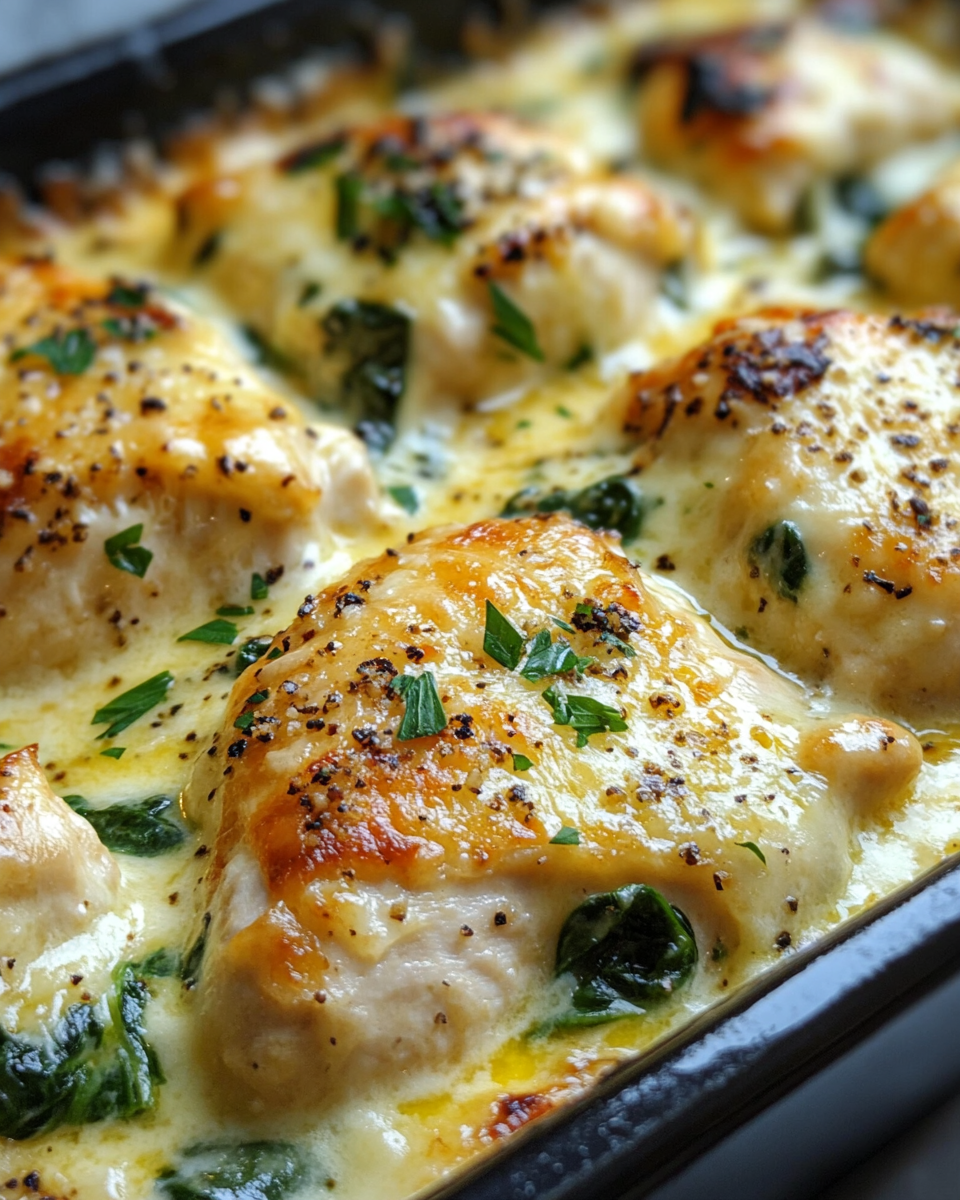
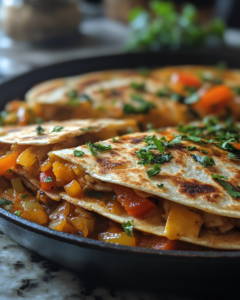
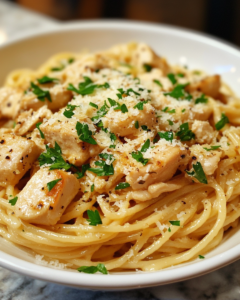
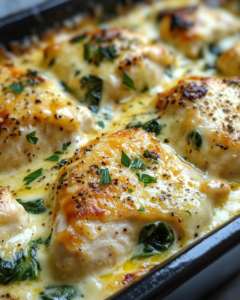
Garlic Parmesan Baked Chicken with Roasted Veggies is a comforting, flavor-packed dinner that brings together tender, juicy chicken and perfectly caramelized vegetables in one pan. The combination of savory garlic, nutty Parmesan, and herbs creates a rich coating that crisps beautifully in the oven while locking in moisture.
This dish is ideal for busy weeknights or relaxed weekend meals when you want something satisfying without standing over the stove. The roasted vegetables absorb the seasoned juices from the chicken, creating a cohesive and hearty meal that feels both wholesome and deeply satisfying.
With minimal prep and simple ingredients, Garlic Parmesan Baked Chicken with Roasted Veggies delivers a balanced plate full of texture and flavor. Each bite offers crispy edges, tender meat, and roasted vegetables that are slightly sweet and golden.
Ingredients Overview
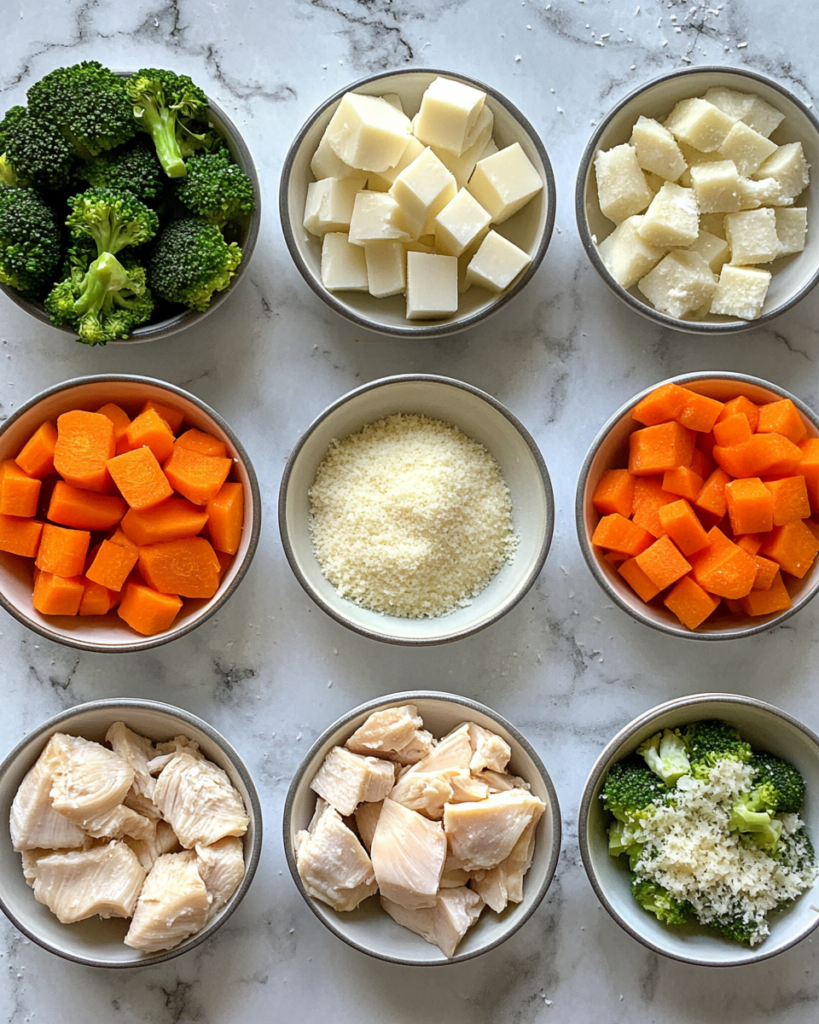
The success of Garlic Parmesan Baked Chicken with Roasted Veggies lies in the balance of simple, fresh ingredients that work together during roasting. Chicken thighs or breasts serve as the base, offering protein and a juicy texture when cooked properly. Thighs tend to stay more tender due to their higher fat content, while breasts provide a leaner option.
Garlic is the key flavor driver, infusing the dish with its bold, savory aroma. Fresh garlic is preferred for its depth, though garlic powder can be used in a pinch. Parmesan cheese adds a salty, nutty richness that forms a light crust when baked, helping to seal in the juices of the chicken.
Olive oil plays an important role in both moisture and browning. It helps the seasoning adhere to the chicken while promoting caramelization on the vegetables. A blend of herbs such as Italian seasoning, thyme, or oregano adds warmth and depth without overpowering the main flavors.
The vegetables—such as carrots, broccoli, potatoes, or bell peppers—bring natural sweetness and texture. Root vegetables like potatoes and carrots take longer to cook and benefit from being cut into smaller pieces, while softer vegetables like zucchini should be added in larger chunks to prevent overcooking.
Substitutions are flexible. You can swap Parmesan with Pecorino Romano for a sharper taste or use a dairy-free alternative if needed. Chicken can be replaced with bone-in cuts for extra flavor, though cooking time will increase slightly.
Ingredients
4 boneless, skinless chicken thighs or breasts
3 tablespoons olive oil
4 cloves garlic, minced
1/2 cup grated Parmesan cheese
1 teaspoon Italian seasoning
1/2 teaspoon paprika
1/2 teaspoon salt
1/4 teaspoon black pepper
2 cups baby potatoes, halved
1 cup carrots, sliced
1 cup broccoli florets
1 red bell pepper, chopped
1 tablespoon fresh parsley, chopped
Step-by-Step Instructions
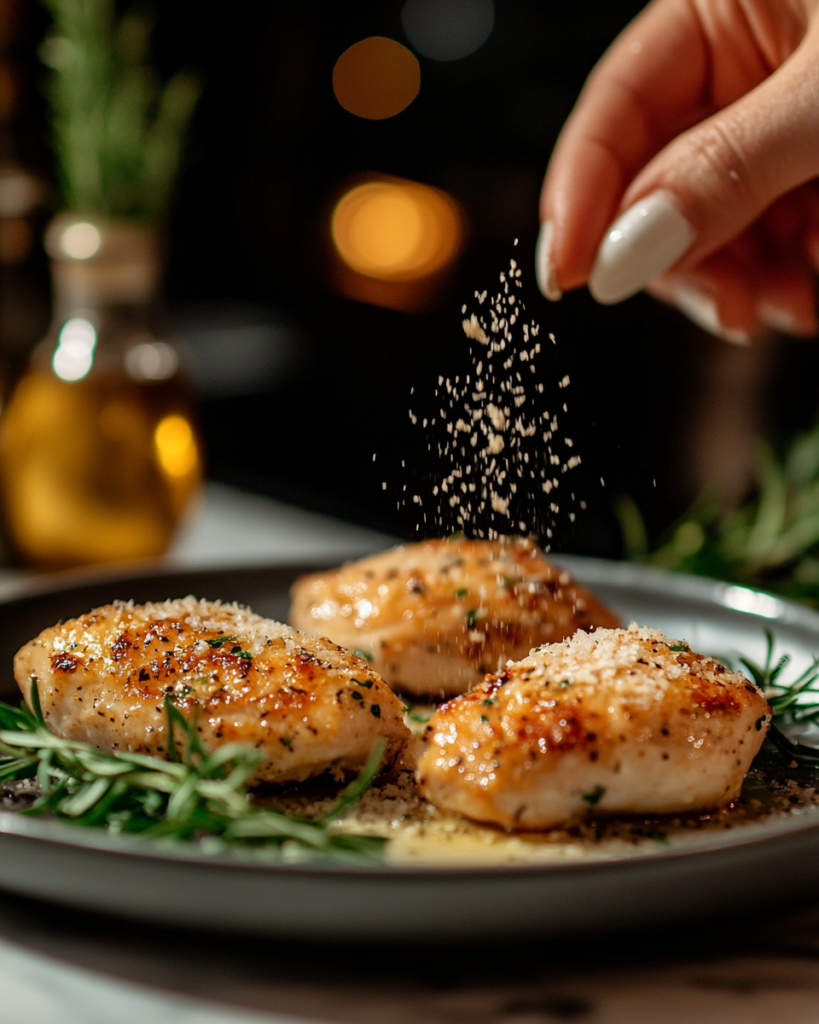
Preheat your oven to 400°F (200°C). This temperature allows the chicken to cook through while giving the vegetables enough heat to develop golden edges. Lightly grease a large baking sheet or line it with parchment paper for easier cleanup.
In a small bowl, mix olive oil, minced garlic, Parmesan cheese, Italian seasoning, paprika, salt, and black pepper. Stir until a thick, slightly grainy mixture forms. This will act as both a marinade and coating.
Pat the chicken dry with paper towels. This step helps the coating stick better and promotes browning. Place the chicken in a large bowl and spoon half of the garlic Parmesan mixture over it. Toss until evenly coated.
In another bowl, combine the potatoes, carrots, broccoli, and bell pepper. Drizzle with the remaining olive oil mixture and toss until all vegetables are lightly coated. Spread the vegetables evenly across the baking sheet.
Place the coated chicken pieces on top of or alongside the vegetables, making sure there is space between each piece. Crowding the pan can lead to steaming instead of roasting.
Bake for 25–30 minutes, depending on the thickness of the chicken. Halfway through cooking, gently stir the vegetables to promote even browning. The chicken is done when it reaches an internal temperature of 165°F (74°C) and the juices run clear.
For a crispier finish, switch the oven to broil for the last 2–3 minutes. Watch closely to avoid burning the Parmesan coating.
Remove from the oven and let the chicken rest for 5 minutes before serving. Sprinkle with fresh parsley for a burst of color and freshness.
Avoid common mistakes like cutting vegetables too large, which can result in uneven cooking, or skipping the resting step, which helps retain juices in the chicken.
Tips, Variations & Substitutions
For extra flavor, marinate the chicken in the garlic Parmesan mixture for 30 minutes before baking. This allows the seasoning to penetrate deeper into the meat.
If you prefer crispier vegetables, spread them on a separate baking sheet. This prevents excess moisture from the chicken from softening their edges.
You can switch up the vegetables depending on the season. Brussels sprouts, green beans, or sweet potatoes all work well. Just adjust cooking times based on density.
For a low-carb version, replace potatoes with cauliflower or zucchini. Keep in mind that softer vegetables cook faster, so add them halfway through baking if needed.
To make the dish dairy-free, use nutritional yeast instead of Parmesan. It provides a similar savory depth without the cheese.
Adding a squeeze of lemon juice just before serving brightens the flavors and balances the richness of the dish.
Serving Ideas & Occasions
Garlic Parmesan Baked Chicken with Roasted Veggies is a complete meal on its own, but it pairs well with simple sides like a crisp green salad or warm crusty bread. The bread is perfect for soaking up any flavorful juices left on the plate.
For a heartier dinner, serve it alongside rice, quinoa, or mashed potatoes. These additions help stretch the meal and make it suitable for larger gatherings.
This dish fits a variety of occasions, from casual family dinners to meal prep for the week. It reheats well, making it a reliable option for leftovers.
It also works well for small gatherings, as it can be doubled easily and baked on multiple trays without much extra effort.
Nutritional & Health Notes
This recipe provides a balanced mix of protein, healthy fats, and fiber-rich vegetables. Chicken offers a strong source of lean protein, which supports muscle maintenance and satiety.
Olive oil contributes heart-friendly fats, while the vegetables supply vitamins, minerals, and antioxidants. Roasting helps retain nutrients while bringing out natural sweetness without added sugars.
Parmesan cheese adds calcium and flavor, though it also contributes sodium. Adjust salt levels if you are watching sodium intake.
For those seeking a lighter option, using chicken breast and reducing the cheese slightly can lower the calorie content while still maintaining flavor.
Overall, Garlic Parmesan Baked Chicken with Roasted Veggies is a nourishing and satisfying meal that fits well into a balanced eating pattern.
FAQs
Can I use bone-in chicken instead of boneless?
Yes, bone-in chicken works well and often provides more flavor due to the bone and skin. However, it requires a longer cooking time. You may need to bake it for an additional 10–15 minutes depending on the size of the pieces. Make sure the internal temperature reaches 165°F (74°C). If using skin-on chicken, the skin will become crisp during roasting, adding extra texture. To prevent overcooking the vegetables, you can start baking the chicken first and add the vegetables halfway through the cooking process.
How do I store leftovers?
Store leftovers in an airtight container in the refrigerator for up to 3–4 days. Allow the dish to cool completely before sealing to prevent excess moisture buildup. When reheating, use an oven at 350°F (175°C) to help maintain the texture of the chicken and vegetables. Microwaving is faster but may soften the crispy edges. For best results, reheat on a baking sheet until warmed through.
Can I freeze this dish?
Yes, Garlic Parmesan Baked Chicken with Roasted Veggies can be frozen, though the texture of the vegetables may soften slightly after thawing. Place cooled portions in freezer-safe containers and store for up to 2 months. Thaw overnight in the refrigerator before reheating. For better texture, consider freezing only the chicken and preparing fresh vegetables when serving.
What vegetables work best for roasting?
Vegetables that hold their shape and develop caramelization are ideal. Potatoes, carrots, broccoli, Brussels sprouts, and bell peppers are all great choices. Root vegetables take longer to cook, so cut them into smaller pieces for even roasting. Softer vegetables like zucchini or mushrooms should be cut larger or added later to prevent them from becoming too soft.
How can I make the chicken crispier?
To achieve a crispier coating, make sure the chicken is dry before applying the seasoning mixture. Baking at a high temperature helps, and finishing under the broiler for a few minutes adds extra crispness. Avoid overcrowding the pan, as this traps steam and prevents browning. Using a wire rack on top of the baking sheet can also improve airflow around the chicken.
Is this recipe suitable for meal prep?
Yes, this dish is well-suited for meal prep. It holds up nicely in the refrigerator and can be portioned into containers for easy lunches or dinners. To keep the vegetables from becoming too soft, slightly undercook them during the initial baking. When reheated, they will finish cooking without losing too much texture.
Can I adjust the seasoning?
Absolutely. The seasoning can be adjusted based on personal preference. You can add chili flakes for heat, smoked paprika for a deeper flavor, or fresh herbs like rosemary for a more aromatic profile. Taste the mixture before applying it to the chicken and adjust salt, pepper, or garlic levels as needed.