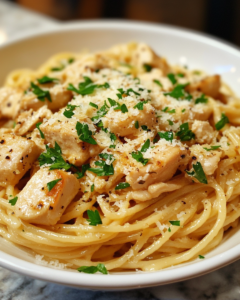
A ground beef rice bowl built for meal preparation brings together seasoned beef, fluffy rice, and a savory sauce in a balanced dish suited for busy days. This style of bowl centers on affordability, quick cooking, and dependable flavor that holds up well after refrigeration and reheating.
Each component plays a role in texture and taste. The rice forms a neutral base, while the beef mixture delivers richness and depth. A lightly seasoned sauce ties everything together, creating a satisfying combination that works for lunch or dinner throughout the week.
This dish fits well into batch cooking routines. It stores in containers, reheats evenly, and maintains structure without becoming soggy when handled properly. The ingredients are widely available and flexible, allowing small adjustments based on pantry options.
Ingredients Overview

The foundation of this rice bowl starts with ground beef, chosen for its balance of flavor and fat content. A medium-fat blend creates tenderness while avoiding excess grease. When cooked properly, the beef develops a browned surface that adds depth to the overall dish.
Rice acts as the base layer, absorbing sauces and juices from the beef mixture. Long grain white rice is commonly used because it stays separate and fluffy after cooking. Jasmine rice or basmati can also be used for a slightly aromatic finish.
Aromatics such as garlic and onion build savory complexity. These ingredients soften during cooking and blend into the beef, forming a subtle background flavor. Soy sauce contributes saltiness and umami, while a small amount of sweetener balances the profile without overpowering it.
Optional vegetables such as bell peppers or carrots introduce color and texture. They also increase volume, allowing the dish to stretch across multiple servings. Green onions or sesame seeds can be added at the end for a fresh finish.
The sauce mixture binds everything together. It is typically light in consistency so it coats the rice without making it heavy. This balance keeps the dish suitable for storage and reheating across several days of meal preparation.
Ingredients
1 pound ground beef
2 cups uncooked white rice
4 cups water
1 small onion, finely chopped
3 cloves garlic, minced
1 tablespoon cooking oil
1/4 cup soy sauce
1 tablespoon brown sugar
1 tablespoon rice vinegar
1/2 teaspoon ground black pepper
1/2 teaspoon salt
1 teaspoon sesame oil
1 cup diced bell peppers
1/2 cup shredded carrots
2 green onions, sliced
1 tablespoon sesame seeds
Step-by-Step Instructions

Begin by rinsing the rice under cool water until the liquid runs clearer. This step removes excess starch and helps the grains remain separate after cooking. Combine rice and water in a pot, bring to a gentle boil, then lower the heat and cover. Allow it to cook until the liquid is absorbed and the grains are tender.
While the rice cooks, heat a skillet over medium heat and add cooking oil. Place the ground beef into the pan and break it apart using a spatula. Cook until the color changes and moisture begins to reduce. Browning the surface slightly improves flavor depth.
Add chopped onion and garlic to the skillet. Stir and allow them to soften. The onion should turn translucent while the garlic becomes fragrant without burning. This forms the aromatic base of the dish.
Introduce diced bell peppers and shredded carrots. Stir occasionally so the vegetables soften but still retain slight firmness. This texture contrast helps the dish feel balanced when combined with rice.
In a small bowl, mix soy sauce, brown sugar, rice vinegar, salt, black pepper, and sesame oil. Pour this mixture into the skillet. Stir thoroughly so the beef and vegetables are evenly coated. Allow the liquid to reduce slightly, creating a light glaze around the ingredients.
Check the rice once the cooking cycle ends. Fluff it gently with a fork to release steam. Proper fluffing prevents clumping and improves serving texture.
Assemble the bowls by placing rice at the base, followed by the beef mixture on top. Sprinkle sliced green onions and sesame seeds across the surface. These final additions provide freshness and a mild crunch.
For meal preparation storage, divide portions into containers while the food cools slightly. Once sealed, place them in refrigeration. When reheating, warm until the center reaches a comfortable temperature, stirring gently if necessary to distribute heat evenly.
Common mistakes include overcooking the beef until it becomes dry or leaving excess liquid in the sauce. Reducing moisture during cooking helps maintain structure during storage. Another issue is under-seasoning rice; however, the sauce compensates for this when assembled.
Tips, Variations & Substitutions
Different grains can replace white rice depending on preference. Brown rice offers a firmer texture and slightly nutty profile, though it requires longer cooking. Quinoa can also be used for a lighter grain alternative.
Protein variations include ground turkey or ground chicken. These options reduce fat content while still absorbing seasoning effectively. When using lean meats, a small amount of oil can help maintain moisture during cooking.
Vegetable adjustments allow seasonal flexibility. Zucchini, snap peas, or mushrooms can be added depending on availability. Each vegetable changes texture slightly but maintains the overall structure of the dish.
For stronger flavor, increase garlic or add ginger during the sauté stage. This introduces warmth and depth without altering the base structure of the recipe. A small drizzle of chili oil can also introduce mild heat for those who prefer spice.
Serving Ideas & Occasions
This rice bowl fits well into lunch preparation schedules or evening meals requiring minimal assembly. It pairs well with light side dishes such as cucumber slices or steamed greens.
Beverage pairings include unsweetened iced tea or lightly flavored sparkling water. These options balance the savory profile of the dish without overwhelming it.
It is commonly served during structured weekly meal planning. The components store well in refrigeration and reheat evenly, making it practical for work lunches or home dining across several days.
Nutritional & Health Notes
This dish provides a balance of protein, carbohydrates, and fats. Ground beef supplies protein and iron, supporting energy intake. Rice contributes carbohydrates for sustained fuel, while vegetables add fiber and micronutrients.
Portion control can adjust overall caloric intake. Using leaner beef or increasing vegetable ratio can shift the nutritional profile toward a lighter composition. Sodium levels can be moderated by adjusting soy sauce quantity.
Meal preparation formats support consistent eating patterns. Having ready-to-eat portions can assist in maintaining structured eating habits without requiring daily cooking.
FAQs
Can rice types be changed in this dish?
Yes, different rice varieties can be used. Jasmine rice offers fragrance, while brown rice provides firmer texture. Each type changes absorption slightly, so cooking adjustments may be required for water ratios and simmer duration.
Can the beef mixture be prepared ahead?
The beef mixture can be cooked in advance and stored separately. Keeping rice and beef apart during storage helps preserve texture. When reheating, combining them just before serving maintains balance between grains and sauce.
What vegetables fit well in this recipe?
Bell peppers, carrots, zucchini, and mushrooms all work well. These vegetables maintain structure during cooking and add color variation. Softer vegetables should be added later in the cooking process to avoid over-softening.
How should leftovers be stored?
Leftovers should be placed in sealed containers and kept under refrigeration. Cooling before sealing helps reduce condensation. Proper storage maintains texture for several days and supports safe reheating.
Can this dish be frozen?
Yes, both rice and beef mixture can be frozen. Portioning before freezing allows easier reheating. Thawing under refrigeration before warming helps maintain texture consistency.
What adjustments reduce sodium content?
Reducing soy sauce quantity or choosing a lower-sodium version helps control salt levels. Adding extra aromatics such as garlic or onion can maintain flavor depth without relying heavily on salt.
What causes dry texture after reheating?
Dryness often results from overcooking during initial preparation or insufficient sauce. Adding a small splash of water or broth during reheating can restore moisture balance.