Ground Turkey Egg Roll Bowl 7 Simple Cozy Bowl

Posted on

Uncategorized

Difficulty

Prep time

Cooking time

Total time

Servings

A Ground Turkey Egg Roll Bowl brings all the familiar flavors of classic egg rolls into a warm, skillet-style dish that skips the wrapper but keeps the savory filling. It is a weeknight-friendly meal built around ground turkey, crisp cabbage, and a rich blend of aromatics and sauces.

This style of bowl has become popular because it cooks quickly, uses everyday ingredients, and fits easily into meal prep routines. Instead of frying individual rolls, everything comes together in one pan, creating a balanced mix of protein, vegetables, and bold flavor in every bite.

The ground turkey cooks until lightly browned, absorbing garlic, ginger, and soy-based seasoning. Shredded cabbage softens just enough while still keeping a light crunch. A finishing drizzle of sesame oil ties everything together with a nutty aroma that feels comforting without being heavy.

This dish works well served on its own or paired with rice, cauliflower rice, or even tucked into lettuce cups. It brings familiar takeout-inspired flavor into a simple homemade format that feels practical for busy evenings.

Ingredients Overview

Ground turkey serves as the main protein in this bowl, offering a lean base that absorbs seasoning well. It browns quickly in a skillet and develops a mild savory flavor that pairs nicely with bold aromatics like garlic and ginger. Using turkey instead of pork keeps the dish lighter while still satisfying.

Cabbage forms the backbone of the vegetable mix. Green cabbage is commonly used because it softens slightly when cooked but still keeps structure, giving the dish its signature egg roll texture. Carrots add natural sweetness and a touch of color, balancing the savory notes from soy sauce and garlic.

Aromatics like garlic and fresh ginger are essential for building depth. Garlic brings warmth, while ginger adds a gentle sharpness that lifts the overall flavor. These two ingredients are typically sautéed early so their fragrance infuses the oil and coats the turkey.

Soy sauce provides saltiness and umami, creating that familiar takeout-style taste. A small amount of rice vinegar adds brightness, helping balance the richer elements in the skillet. Sesame oil is added at the end because its flavor is delicate and aromatic, meant to finish rather than cook heavily.

Green onions are often used as a garnish, adding freshness and a slight bite. Optional additions like chili flakes or sriracha can introduce heat for those who prefer a spicier bowl.

For substitutions, ground chicken can replace turkey without changing the cooking method. Purple cabbage can be used alongside or instead of green cabbage for a slightly different texture and color. Tamari works well in place of soy sauce for a gluten-free version. If fresh ginger is not available, a small pinch of ground ginger can be used, though the flavor will be less vibrant.

Ingredients

1 pound ground turkey
4 cups green cabbage, shredded
1 cup carrots, shredded
3 cloves garlic, minced
1 tablespoon fresh ginger, grated
3 tablespoons soy sauce
1 tablespoon rice vinegar
1 tablespoon sesame oil
2 tablespoons vegetable oil
3 green onions, sliced
1/4 teaspoon black pepper
1/4 teaspoon salt
1/2 teaspoon chili flakes (optional)

Step-by-Step Instructions

Start by preparing all ingredients before cooking begins. Shred the cabbage and carrots, mince the garlic, and grate the ginger so everything is ready to go once the pan is heated. This helps the cooking process move smoothly since the steps come together quickly.

Place a large skillet or wok over medium-high heat and add vegetable oil. Once the oil is warm, add the ground turkey. Break it apart using a spatula so it cooks evenly. Let it cook for several minutes until it turns lightly browned and no longer looks pink.

Add the minced garlic and grated ginger directly into the pan with the turkey. Stir constantly for about one minute so the aromatics release their fragrance without burning. This step builds the base flavor of the dish.

Next, add the shredded cabbage and carrots. Stir everything together so the vegetables mix with the turkey evenly. The cabbage will begin to soften after a few minutes, reducing slightly in volume while still keeping some crunch.

Pour in the soy sauce and rice vinegar. Stir well so the liquid coats all ingredients. The mixture will begin to steam slightly, helping the cabbage cook down. Allow it to cook for about 5 to 7 minutes, stirring occasionally.

Season with salt, black pepper, and chili flakes if using. Taste the mixture and adjust seasoning if needed, keeping in mind that soy sauce already adds saltiness.

Once the vegetables are tender but not overly soft, reduce the heat to low. Drizzle sesame oil over the mixture and stir to distribute it evenly. This finishing step adds a nutty aroma that completes the dish.

Remove the skillet from heat and sprinkle sliced green onions on top. The residual warmth will slightly soften them while keeping their fresh bite.

A common mistake is overcooking the cabbage until it becomes mushy. Keeping the heat controlled and monitoring texture helps maintain a balanced bite. Another point to watch is seasoning too early with salt, since soy sauce already contributes saltiness.

Serve the mixture warm directly from the skillet or transfer it into bowls for portioning.

Tips, Variations & Substitutions

For a richer flavor, a small amount of hoisin sauce can be added alongside soy sauce. This brings a slightly sweeter, deeper taste that pairs well with turkey and cabbage.

If a lower-carb version is preferred, cauliflower rice can be stirred into the skillet during the final few minutes of cooking. It absorbs the seasoning while keeping the dish light.

Ground chicken or lean ground beef can replace turkey without changing the cooking steps. Each option brings a slightly different flavor profile but works well with the same seasoning base.

For added crunch, water chestnuts can be mixed in near the end of cooking. They add a crisp texture that contrasts with the softened cabbage.

Red pepper flakes or chili oil can be increased for those who enjoy more heat. On the other hand, omitting them keeps the flavor mild and family-friendly.

Serving Ideas & Occasions

This bowl works well as a standalone meal, but it also pairs nicely with steamed rice or jasmine rice for a more filling plate. For a lighter approach, it can be served in lettuce cups, creating handheld portions with a crisp bite.

It fits easily into weeknight cooking because it comes together in one pan and uses common ingredients. It also works well for meal prep, since the flavors hold up after refrigeration and reheating.

A side of cucumber salad or steamed edamame complements the savory notes of the dish. For drinks, simple iced tea or sparkling water balances the richness of the skillet.

Nutritional & Health Notes

This dish offers a balanced mix of protein, vegetables, and moderate fats. Ground turkey provides lean protein that supports satiety without being heavy. Cabbage and carrots contribute fiber and natural nutrients while keeping the overall calorie level moderate.

Sesame oil is used in small amounts, adding flavor without dominating the nutritional profile. Soy sauce contributes sodium, so adjusting the quantity allows for better control of salt intake.

Because the dish is vegetable-forward, it can fit into a variety of eating patterns, including lower-carb approaches or balanced meal planning. It delivers steady energy without relying on heavy starches.

FAQs

Can I use ground chicken instead of turkey?

Ground chicken works well in this recipe and follows the same cooking steps. It has a slightly lighter flavor compared to turkey, but it still absorbs the garlic, ginger, and soy sauce mixture effectively. The texture remains similar, so the final dish will still have the same skillet-style consistency. Cooking time stays about the same, and browning the meat properly will help build flavor before adding vegetables.

Can I make this dish ahead of time?

This bowl is well suited for preparing ahead. After cooking, it can be stored in a sealed container in the refrigerator and reheated in a skillet or microwave. The flavors often blend even more after resting. When reheating, adding a small splash of water or soy sauce can help restore moisture and keep the texture balanced. It is commonly used for meal prep during the week.

What type of cabbage works best?

Green cabbage is most commonly used because it softens evenly while still holding structure. It provides the familiar texture associated with egg rolls. Napa cabbage can also be used for a slightly more delicate bite. Purple cabbage is another option, adding color and a slightly firmer texture. A mix of cabbage types can create a more varied consistency in the bowl.

Can I make this dish spicy?

Yes, spice levels can be adjusted easily. Chili flakes, sriracha, or chili oil can be added during cooking or as a topping. Adding spice early allows it to blend into the entire dish, while adding it at the end creates sharper heat in each bite. The base recipe stays flexible, so heat levels can be adjusted to preference without changing the cooking process.

Is this dish suitable for low-carb eating?

This skillet-style meal is naturally lower in carbohydrates since it focuses on ground turkey and vegetables instead of grains. To keep it even lower in carbs, it can be served without rice or paired with cauliflower rice. The cabbage provides volume and texture, making it satisfying without the need for starch-heavy sides.

Can I freeze leftovers?

Yes, leftovers can be frozen after cooling completely. Store in airtight containers and freeze for up to a couple of months. When reheating, thaw in the refrigerator overnight and warm in a skillet for better texture. The cabbage may soften slightly after freezing, but the flavor remains consistent.

What can I serve with this bowl?

This dish pairs well with steamed rice, cauliflower rice, or lettuce wraps. It also goes well with simple vegetable sides like cucumber salad or steamed broccoli. For a lighter meal, it can be enjoyed on its own, as it already contains protein and vegetables in one pan.

[rank_math_breadcrumb]

Ground Turkey Egg Roll Bowl 7 Simple Cozy Bowl

Photo of author
Author: Zoey
Published:

A Ground Turkey Egg Roll Bowl brings all the familiar flavors of classic egg rolls into a warm, skillet-style dish that skips the wrapper but keeps the savory filling. It is a weeknight-friendly meal built around ground turkey, crisp cabbage, and a rich blend of aromatics and sauces.

This style of bowl has become popular because it cooks quickly, uses everyday ingredients, and fits easily into meal prep routines. Instead of frying individual rolls, everything comes together in one pan, creating a balanced mix of protein, vegetables, and bold flavor in every bite.

The ground turkey cooks until lightly browned, absorbing garlic, ginger, and soy-based seasoning. Shredded cabbage softens just enough while still keeping a light crunch. A finishing drizzle of sesame oil ties everything together with a nutty aroma that feels comforting without being heavy.

This dish works well served on its own or paired with rice, cauliflower rice, or even tucked into lettuce cups. It brings familiar takeout-inspired flavor into a simple homemade format that feels practical for busy evenings.

Ingredients Overview

Ground turkey serves as the main protein in this bowl, offering a lean base that absorbs seasoning well. It browns quickly in a skillet and develops a mild savory flavor that pairs nicely with bold aromatics like garlic and ginger. Using turkey instead of pork keeps the dish lighter while still satisfying.

Cabbage forms the backbone of the vegetable mix. Green cabbage is commonly used because it softens slightly when cooked but still keeps structure, giving the dish its signature egg roll texture. Carrots add natural sweetness and a touch of color, balancing the savory notes from soy sauce and garlic.

Aromatics like garlic and fresh ginger are essential for building depth. Garlic brings warmth, while ginger adds a gentle sharpness that lifts the overall flavor. These two ingredients are typically sautéed early so their fragrance infuses the oil and coats the turkey.

Soy sauce provides saltiness and umami, creating that familiar takeout-style taste. A small amount of rice vinegar adds brightness, helping balance the richer elements in the skillet. Sesame oil is added at the end because its flavor is delicate and aromatic, meant to finish rather than cook heavily.

Green onions are often used as a garnish, adding freshness and a slight bite. Optional additions like chili flakes or sriracha can introduce heat for those who prefer a spicier bowl.

For substitutions, ground chicken can replace turkey without changing the cooking method. Purple cabbage can be used alongside or instead of green cabbage for a slightly different texture and color. Tamari works well in place of soy sauce for a gluten-free version. If fresh ginger is not available, a small pinch of ground ginger can be used, though the flavor will be less vibrant.

Ingredients

1 pound ground turkey
4 cups green cabbage, shredded
1 cup carrots, shredded
3 cloves garlic, minced
1 tablespoon fresh ginger, grated
3 tablespoons soy sauce
1 tablespoon rice vinegar
1 tablespoon sesame oil
2 tablespoons vegetable oil
3 green onions, sliced
1/4 teaspoon black pepper
1/4 teaspoon salt
1/2 teaspoon chili flakes (optional)

Step-by-Step Instructions

Start by preparing all ingredients before cooking begins. Shred the cabbage and carrots, mince the garlic, and grate the ginger so everything is ready to go once the pan is heated. This helps the cooking process move smoothly since the steps come together quickly.

Place a large skillet or wok over medium-high heat and add vegetable oil. Once the oil is warm, add the ground turkey. Break it apart using a spatula so it cooks evenly. Let it cook for several minutes until it turns lightly browned and no longer looks pink.

Add the minced garlic and grated ginger directly into the pan with the turkey. Stir constantly for about one minute so the aromatics release their fragrance without burning. This step builds the base flavor of the dish.

Next, add the shredded cabbage and carrots. Stir everything together so the vegetables mix with the turkey evenly. The cabbage will begin to soften after a few minutes, reducing slightly in volume while still keeping some crunch.

Pour in the soy sauce and rice vinegar. Stir well so the liquid coats all ingredients. The mixture will begin to steam slightly, helping the cabbage cook down. Allow it to cook for about 5 to 7 minutes, stirring occasionally.

Season with salt, black pepper, and chili flakes if using. Taste the mixture and adjust seasoning if needed, keeping in mind that soy sauce already adds saltiness.

Once the vegetables are tender but not overly soft, reduce the heat to low. Drizzle sesame oil over the mixture and stir to distribute it evenly. This finishing step adds a nutty aroma that completes the dish.

Remove the skillet from heat and sprinkle sliced green onions on top. The residual warmth will slightly soften them while keeping their fresh bite.

A common mistake is overcooking the cabbage until it becomes mushy. Keeping the heat controlled and monitoring texture helps maintain a balanced bite. Another point to watch is seasoning too early with salt, since soy sauce already contributes saltiness.

Serve the mixture warm directly from the skillet or transfer it into bowls for portioning.

Tips, Variations & Substitutions

For a richer flavor, a small amount of hoisin sauce can be added alongside soy sauce. This brings a slightly sweeter, deeper taste that pairs well with turkey and cabbage.

If a lower-carb version is preferred, cauliflower rice can be stirred into the skillet during the final few minutes of cooking. It absorbs the seasoning while keeping the dish light.

Ground chicken or lean ground beef can replace turkey without changing the cooking steps. Each option brings a slightly different flavor profile but works well with the same seasoning base.

For added crunch, water chestnuts can be mixed in near the end of cooking. They add a crisp texture that contrasts with the softened cabbage.

Red pepper flakes or chili oil can be increased for those who enjoy more heat. On the other hand, omitting them keeps the flavor mild and family-friendly.

Serving Ideas & Occasions

This bowl works well as a standalone meal, but it also pairs nicely with steamed rice or jasmine rice for a more filling plate. For a lighter approach, it can be served in lettuce cups, creating handheld portions with a crisp bite.

It fits easily into weeknight cooking because it comes together in one pan and uses common ingredients. It also works well for meal prep, since the flavors hold up after refrigeration and reheating.

A side of cucumber salad or steamed edamame complements the savory notes of the dish. For drinks, simple iced tea or sparkling water balances the richness of the skillet.

Nutritional & Health Notes

This dish offers a balanced mix of protein, vegetables, and moderate fats. Ground turkey provides lean protein that supports satiety without being heavy. Cabbage and carrots contribute fiber and natural nutrients while keeping the overall calorie level moderate.

Sesame oil is used in small amounts, adding flavor without dominating the nutritional profile. Soy sauce contributes sodium, so adjusting the quantity allows for better control of salt intake.

Because the dish is vegetable-forward, it can fit into a variety of eating patterns, including lower-carb approaches or balanced meal planning. It delivers steady energy without relying on heavy starches.

FAQs

Can I use ground chicken instead of turkey?

Ground chicken works well in this recipe and follows the same cooking steps. It has a slightly lighter flavor compared to turkey, but it still absorbs the garlic, ginger, and soy sauce mixture effectively. The texture remains similar, so the final dish will still have the same skillet-style consistency. Cooking time stays about the same, and browning the meat properly will help build flavor before adding vegetables.

Can I make this dish ahead of time?

This bowl is well suited for preparing ahead. After cooking, it can be stored in a sealed container in the refrigerator and reheated in a skillet or microwave. The flavors often blend even more after resting. When reheating, adding a small splash of water or soy sauce can help restore moisture and keep the texture balanced. It is commonly used for meal prep during the week.

What type of cabbage works best?

Green cabbage is most commonly used because it softens evenly while still holding structure. It provides the familiar texture associated with egg rolls. Napa cabbage can also be used for a slightly more delicate bite. Purple cabbage is another option, adding color and a slightly firmer texture. A mix of cabbage types can create a more varied consistency in the bowl.

Can I make this dish spicy?

Yes, spice levels can be adjusted easily. Chili flakes, sriracha, or chili oil can be added during cooking or as a topping. Adding spice early allows it to blend into the entire dish, while adding it at the end creates sharper heat in each bite. The base recipe stays flexible, so heat levels can be adjusted to preference without changing the cooking process.

Is this dish suitable for low-carb eating?

This skillet-style meal is naturally lower in carbohydrates since it focuses on ground turkey and vegetables instead of grains. To keep it even lower in carbs, it can be served without rice or paired with cauliflower rice. The cabbage provides volume and texture, making it satisfying without the need for starch-heavy sides.

Can I freeze leftovers?

Yes, leftovers can be frozen after cooling completely. Store in airtight containers and freeze for up to a couple of months. When reheating, thaw in the refrigerator overnight and warm in a skillet for better texture. The cabbage may soften slightly after freezing, but the flavor remains consistent.

What can I serve with this bowl?

This dish pairs well with steamed rice, cauliflower rice, or lettuce wraps. It also goes well with simple vegetable sides like cucumber salad or steamed broccoli. For a lighter meal, it can be enjoyed on its own, as it already contains protein and vegetables in one pan.
Name

Lorem ipsum dolor sit amet, consectetur adipiscing elit. Suspendisse varius enim in eros elementum tristique. Duis cursus, mi quis viverra ornare, eros dolor interdum nulla, ut commodo diam libero vitae erat.

You Might Also Like...

Honey Garlic Chicken Rice Skillet: 5 Amazing Cozy Meals

Honey Garlic Chicken Rice Skillet: 5 Amazing Cozy Meals

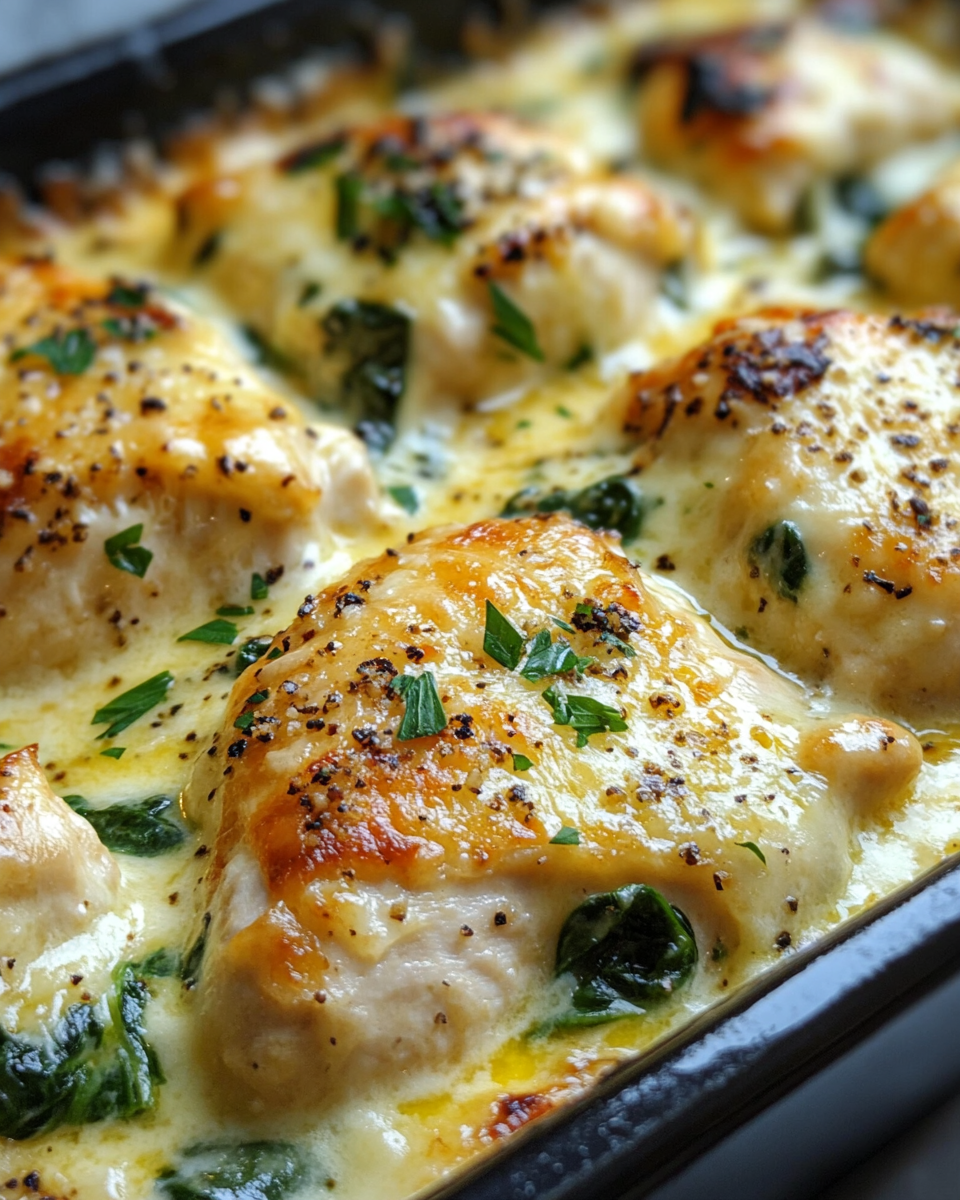
Cheesy Spinach Chicken Bake: 5 Simple Comforting Tips

Cheesy Spinach Chicken Bake: 5 Simple Comforting Tips

Crispy Air Fryer Garlic Wings: 5 Amazing Comforts

Crispy Air Fryer Garlic Wings: 5 Amazing Comforts

Lemon Herb Baked Chicken Breast: 5 Savory Comforts

Lemon Herb Baked Chicken Breast: 5 Savory Comforts

Tags:

You might also like these recipes

Leave a Comment