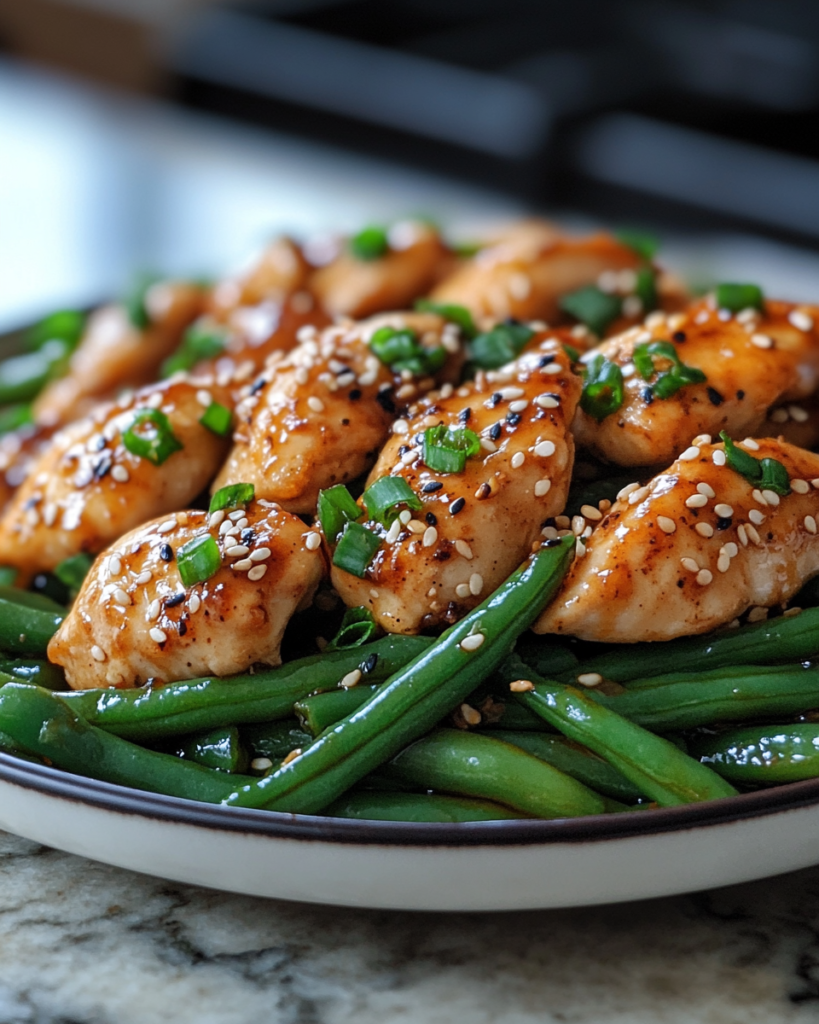
Honey Garlic Chicken with Green Beans is a comforting, flavor-packed dish that brings together tender chicken, crisp green beans, and a glossy sweet-savory sauce. This recipe strikes a beautiful balance between rich garlic notes and the gentle sweetness of honey, creating a meal that feels both satisfying and fresh.
The combination of juicy chicken and vibrant green beans makes this dish ideal for busy weeknights when you want something quick yet deeply satisfying. With simple ingredients and a straightforward cooking method, Honey Garlic Chicken with Green Beans delivers consistent results without complicated steps.
The sauce is the true highlight, coating every bite with a slightly sticky glaze that clings to the chicken and vegetables. Whether served over rice or enjoyed on its own, this dish offers a complete and hearty meal.
Ingredients Overview
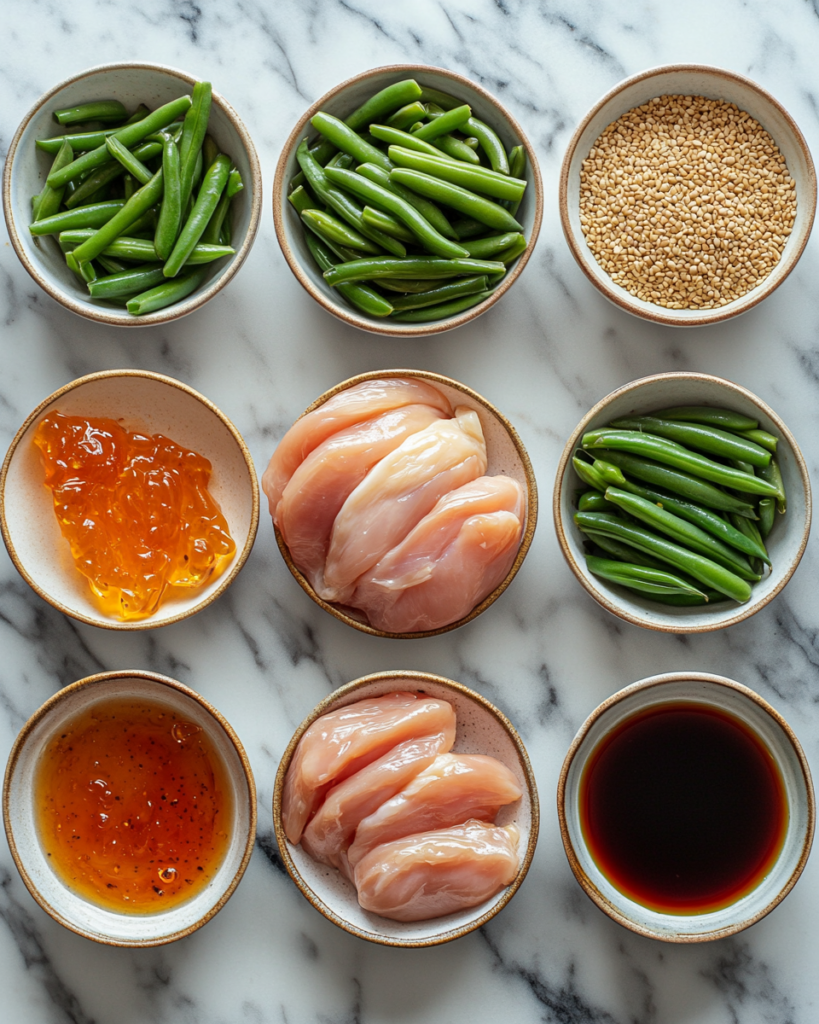
The success of Honey Garlic Chicken with Green Beans comes from a thoughtful combination of pantry staples and fresh ingredients. Each element plays a distinct role in building the dish’s layered flavor and satisfying texture.
Chicken is the foundation of the recipe. Boneless, skinless chicken thighs are often preferred because they stay juicy during cooking and absorb the sauce well. Chicken breast can also be used for a leaner option, though it requires careful cooking to prevent dryness.
Green beans add freshness and a slight crunch that contrasts beautifully with the tender chicken. Fresh green beans are ideal, but frozen ones can work if properly thawed and dried to avoid excess moisture in the pan.
Garlic is essential, bringing depth and aroma to the dish. Freshly minced garlic releases a bold flavor that defines the sauce. Honey provides natural sweetness and helps create the glossy glaze that coats the ingredients.
Soy sauce contributes saltiness and umami, balancing the sweetness of the honey. A touch of rice vinegar or lemon juice adds brightness, preventing the sauce from becoming too heavy. Cornstarch is often used to thicken the sauce slightly, giving it that signature cling.
Olive oil or sesame oil helps cook the chicken and adds subtle richness. Ginger can be included for an extra layer of warmth and complexity.
For substitutions, maple syrup can replace honey, and tamari or coconut aminos can stand in for soy sauce. Broccoli or snap peas can replace green beans if needed.
Ingredients
1 1/2 pounds boneless, skinless chicken thighs, cut into bite-sized pieces
12 ounces fresh green beans, trimmed
4 cloves garlic, minced
1/3 cup honey
1/4 cup soy sauce
1 tablespoon rice vinegar
1 teaspoon grated fresh ginger (optional)
1 tablespoon cornstarch
2 tablespoons water
2 tablespoons olive oil or sesame oil
1/2 teaspoon salt
1/4 teaspoon black pepper
1 tablespoon sesame seeds (optional)
2 green onions, sliced
Step-by-Step Instructions
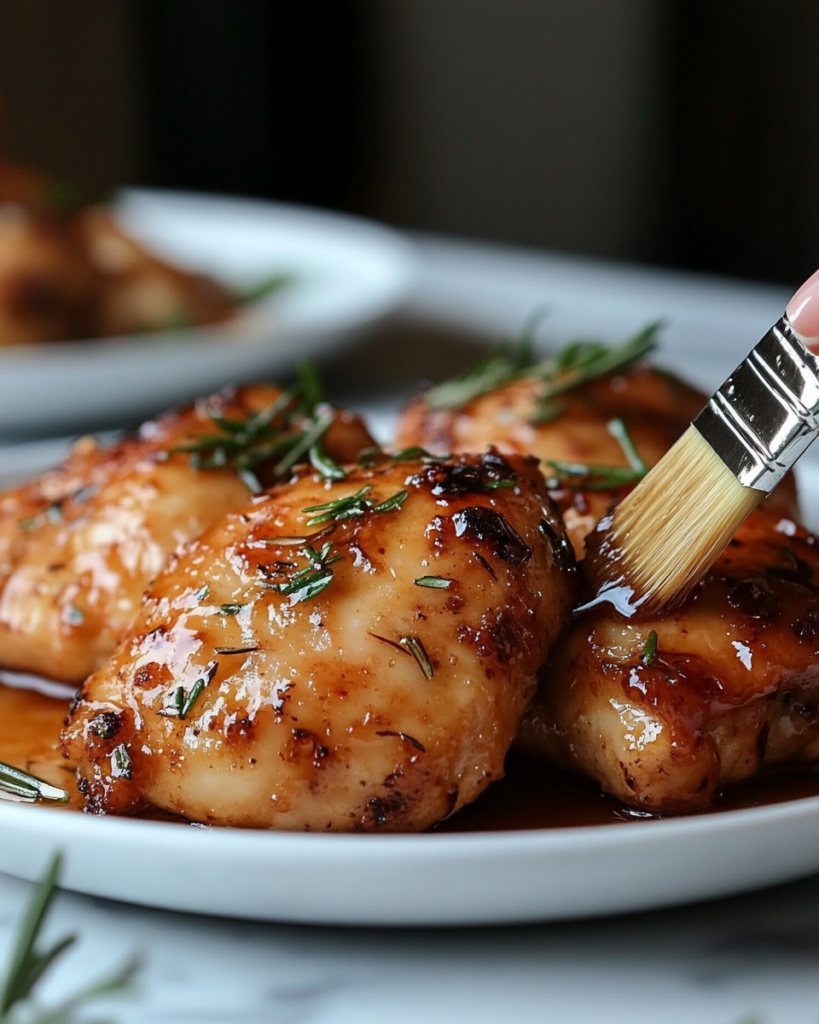
Start by preparing all ingredients before heating the pan. Trim the green beans, cut the chicken into even pieces, and mince the garlic. Having everything ready helps the cooking process move smoothly.
In a small bowl, whisk together the honey, soy sauce, rice vinegar, and ginger. In a separate bowl, mix the cornstarch with water to create a slurry. Set both aside.
Heat one tablespoon of oil in a large skillet over medium-high heat. Add the green beans and cook for about 4–5 minutes, stirring occasionally, until they begin to soften but still retain a slight crispness. Remove them from the pan and set aside.
Add the remaining oil to the skillet and place the chicken pieces in a single layer. Season with salt and pepper. Cook for 5–7 minutes, turning occasionally, until the chicken is golden brown and cooked through. The internal temperature should reach 165°F, and the outside should have a lightly caramelized surface.
Reduce the heat to medium and add the minced garlic to the pan. Stir constantly for about 30 seconds until fragrant, being careful not to let it burn.
Pour the honey garlic sauce into the skillet with the chicken. Stir to coat the pieces evenly. Let the sauce simmer gently for 2–3 minutes.
Add the cornstarch slurry and stir well. The sauce will begin to thicken within a minute, forming a glossy coating. Return the green beans to the pan and toss everything together until evenly coated.
Cook for another 2–3 minutes until the green beans are tender and the sauce clings nicely to both the chicken and vegetables.
Avoid overcrowding the pan, as this can cause the chicken to steam rather than brown. If needed, cook the chicken in batches. Also, keep the heat controlled when adding garlic to prevent bitterness.
Finish by sprinkling sesame seeds and sliced green onions over the top before serving.
Tips, Variations & Substitutions
For the best texture, pat the chicken dry before cooking. This helps achieve a better sear and prevents excess moisture in the pan.
If you prefer a slightly thicker sauce, add a bit more cornstarch slurry. For a lighter coating, reduce the amount slightly. Adjusting the honey level can also shift the sweetness to your preference.
Chicken breast can replace thighs, but it cooks faster and should be monitored closely to avoid overcooking. Shrimp is another excellent variation, offering a lighter and quicker alternative.
For added flavor, include red pepper flakes or a drizzle of chili oil for gentle heat. You can also add sliced bell peppers or carrots for extra color and texture.
If you need a gluten-free version, use tamari or coconut aminos instead of regular soy sauce. Maple syrup or agave can replace honey for a different sweetness profile.
Cooking the green beans until just tender keeps them vibrant and slightly crisp, which contrasts nicely with the soft chicken.
Serving Ideas & Occasions
Honey Garlic Chicken with Green Beans pairs beautifully with steamed white rice or brown rice, allowing the sauce to soak into every bite. It also works well with noodles, such as lo mein or rice noodles, for a more filling meal.
For a lighter option, serve it over cauliflower rice or alongside a simple salad with a citrus dressing. The freshness of the greens complements the richness of the sauce.
This dish is perfect for weeknight dinners due to its quick preparation and reliable results. It also works well for meal prep, as the flavors deepen slightly after resting.
For gatherings, it can be served as part of a larger spread with dishes like fried rice, dumplings, or stir-fried vegetables.
Nutritional & Health Notes
This dish offers a balanced combination of protein, vegetables, and carbohydrates when served with rice or grains. Chicken provides a strong source of protein, while green beans contribute fiber, vitamins, and minerals.
The sauce contains natural sugars from honey, so portion control may be helpful for those monitoring sugar intake. Using less honey or substituting with a lower-sugar alternative can adjust the profile.
Cooking with moderate oil keeps the dish from becoming overly heavy, while still allowing proper browning and flavor development.
Green beans add valuable nutrients such as vitamin C and vitamin K, supporting a well-rounded meal. Choosing low-sodium soy sauce can help reduce overall salt content without sacrificing taste.
FAQs
Can I use frozen green beans instead of fresh?
Yes, frozen green beans can be used if fresh ones are not available. It is important to thaw them completely and pat them dry before cooking. Excess moisture can cause the beans to steam rather than sauté, which affects both texture and flavor. When cooking frozen beans, you may need slightly less time since they are partially softened during processing. Add them toward the end to prevent overcooking. The goal is to keep a slight firmness so they still provide contrast to the tender chicken.
How do I keep the chicken from drying out?
Using chicken thighs instead of chicken breast is one of the easiest ways to keep the meat juicy. Thighs have a higher fat content, which helps them stay tender during cooking. If using chicken breast, avoid overcooking by monitoring the internal temperature and removing it from heat once it reaches 165°F. Cooking over medium-high heat and not overcrowding the pan also helps maintain moisture. Letting the chicken rest briefly before mixing with the sauce can also improve texture.
Can I make this dish ahead of time?
Yes, Honey Garlic Chicken with Green Beans can be prepared ahead of time and stored in the refrigerator for up to three days. The flavors often deepen as the dish rests, making leftovers especially enjoyable. When reheating, use a skillet over medium heat and add a splash of water to loosen the sauce if it has thickened too much. Avoid overheating, as this can make the chicken less tender and the green beans overly soft.
What can I use instead of soy sauce?
If you need an alternative to soy sauce, tamari is a popular gluten-free option with a similar flavor. Coconut aminos offer a slightly sweeter and less salty profile, which works well with the honey in the sauce. If using coconut aminos, you may want to reduce the honey slightly to maintain balance. Low-sodium soy sauce is another option for reducing salt content without changing the flavor significantly.
How can I make the sauce thicker?
To achieve a thicker sauce, increase the amount of cornstarch slurry slightly. Mix an additional teaspoon of cornstarch with water and stir it into the sauce while it is simmering. The heat will activate the thickening process quickly. Be careful not to add too much at once, as the sauce can become overly thick. Stir continuously to keep the texture smooth and glossy.
Is this recipe suitable for meal prep?
This recipe works very well for meal prep because it stores and reheats easily. Divide the cooked chicken and green beans into containers with rice or another base. Keep portions balanced for convenient meals throughout the week. When reheating, add a small amount of water to maintain the sauce consistency. The dish maintains its flavor and texture well, making it a reliable option for planning ahead.
Can I add other vegetables to this dish?
Absolutely, this recipe is flexible and works well with additional vegetables. Bell peppers, carrots, broccoli, or snap peas are all excellent choices. Add firmer vegetables earlier in the cooking process so they have time to soften, while quicker-cooking vegetables can be added toward the end. Mixing different vegetables adds color, texture, and nutritional variety without changing the core flavor of the dish.Honey Garlic Chicken with Green Beans 5 Ultimate Devoted