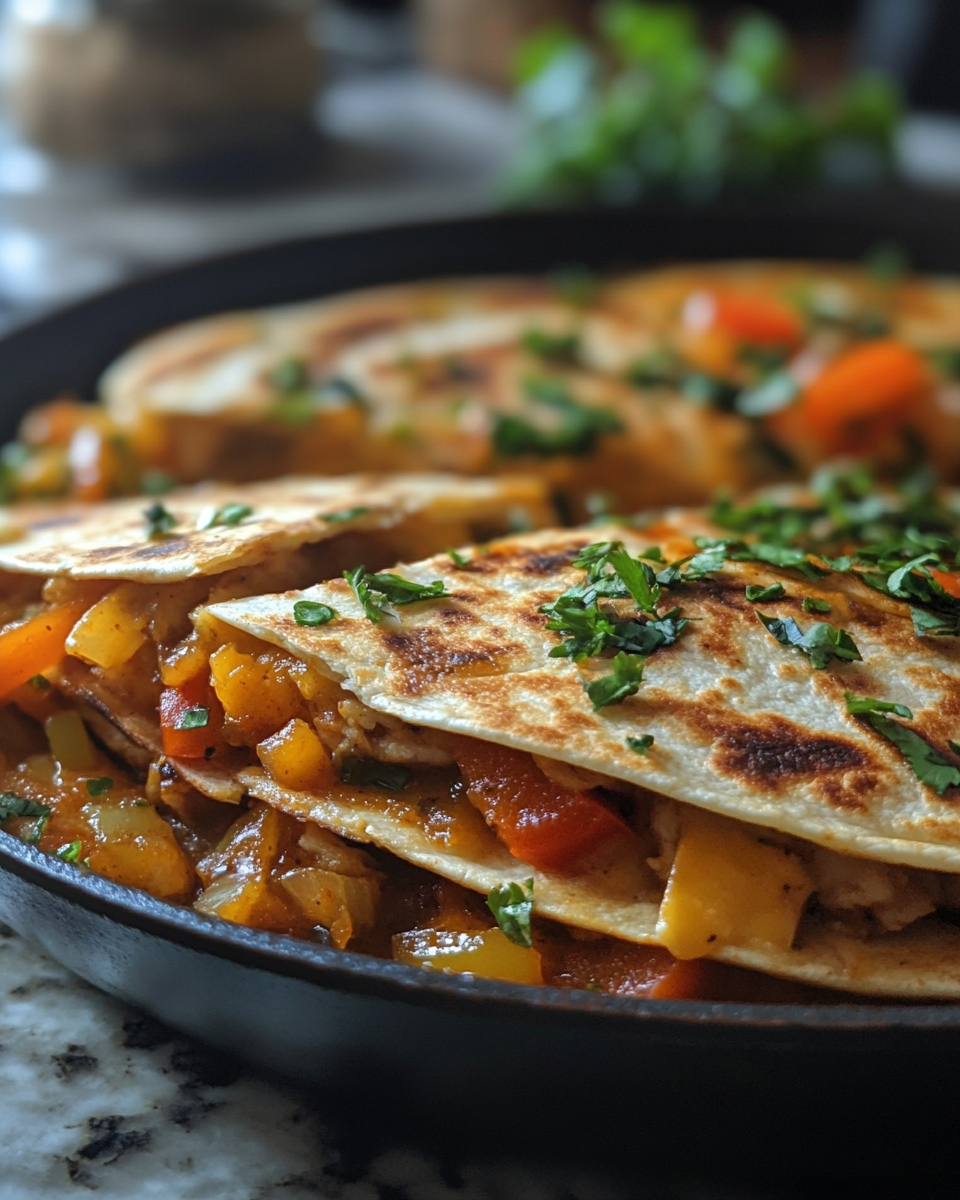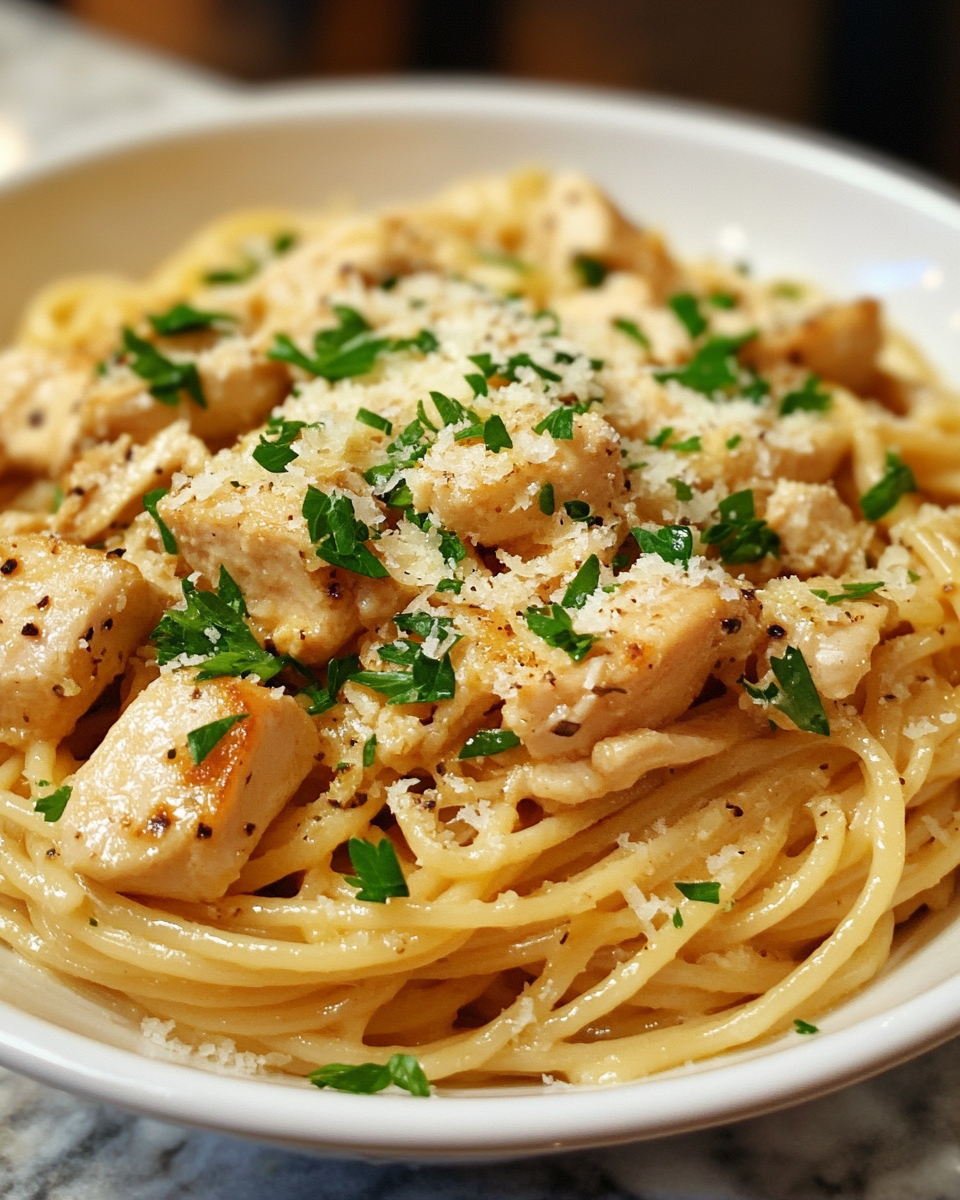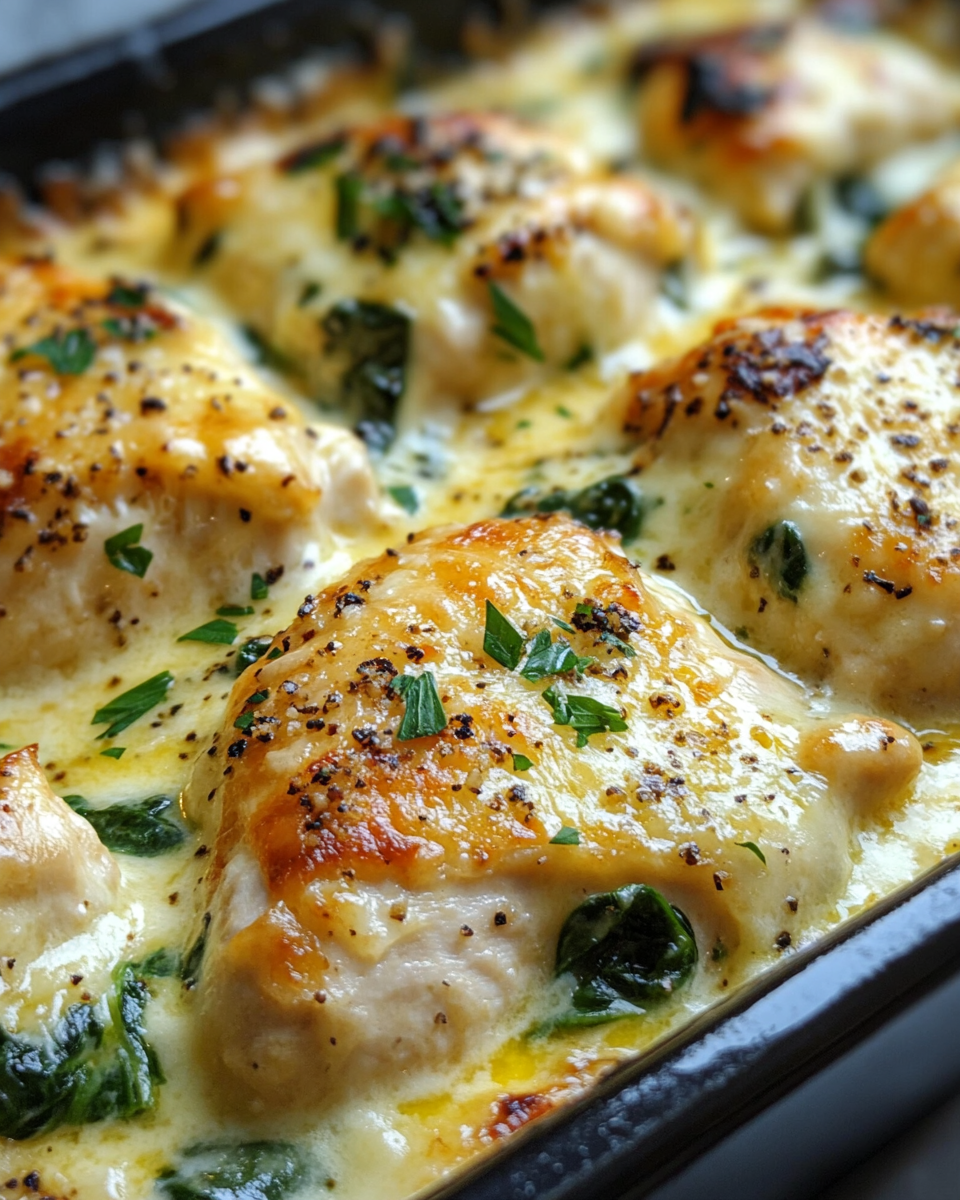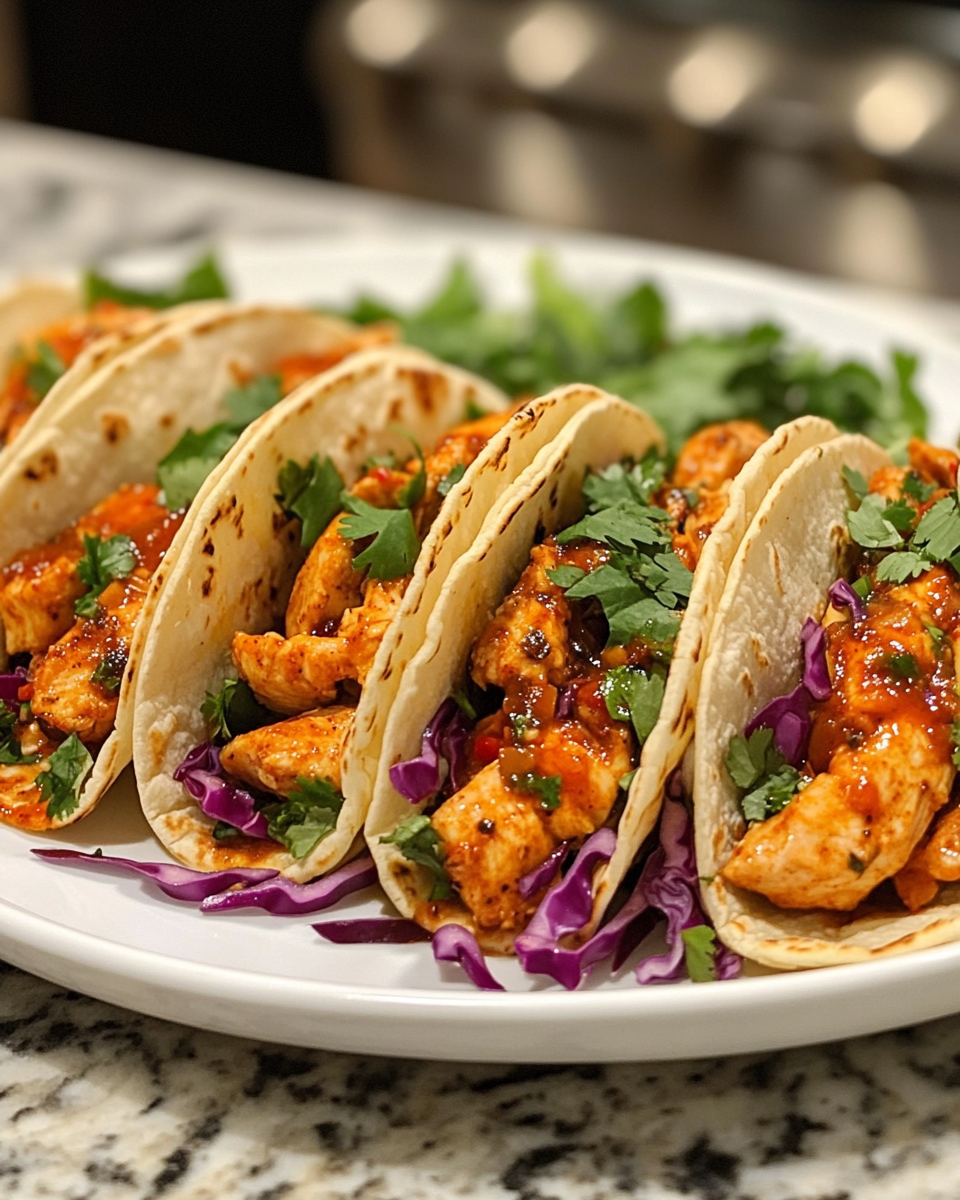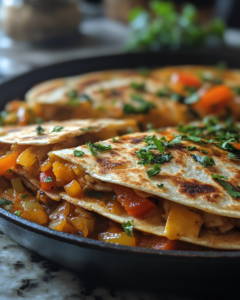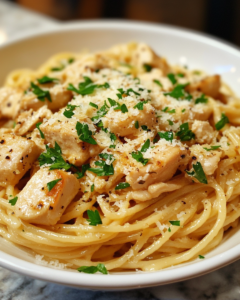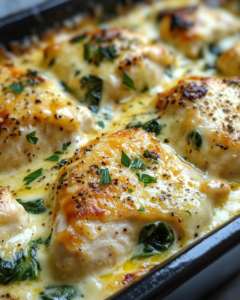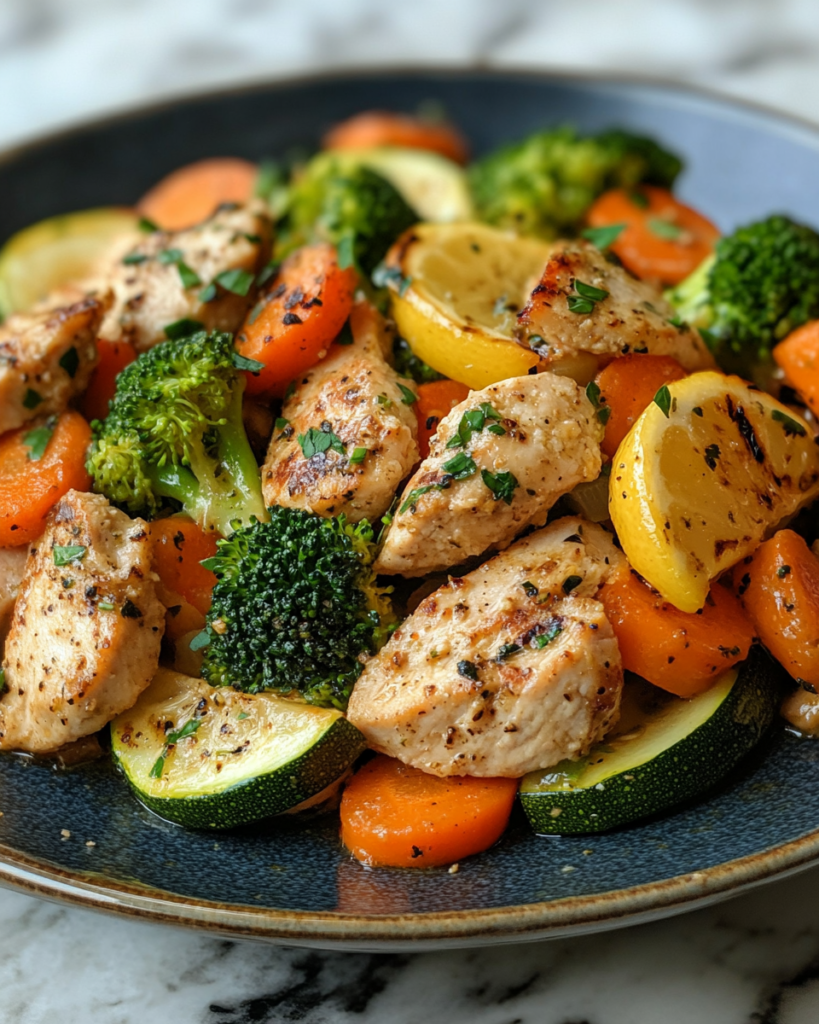
Lemon Garlic Turkey Veggie Skillet brings together lean ground turkey, crisp vegetables, fresh garlic, and bright lemon in one warm pan that fits busy weeknights and relaxed family dinners alike. The balance of savory turkey and fresh vegetables gives this skillet meal a light yet satisfying character, while lemon juice adds a fresh finish that keeps every bite lively.
This dish works well for cooks who want a hearty dinner without spending hours in the kitchen. Everything cooks in a single skillet, which keeps cleanup simple and allows the flavors to blend naturally as the ingredients soften and brown together. The vegetables stay slightly crisp, the turkey stays juicy, and the garlic and herbs coat every spoonful with rich flavor.
Lemon Garlic Turkey Veggie Skillet also adapts easily to different kitchens and dietary needs. You can pair it with rice, quinoa, pasta, or crusty bread, or enjoy it straight from the skillet for a lower-carb dinner. The recipe uses straightforward ingredients that are easy to find year-round, making it a practical choice for weekly meal planning.
Ingredients Overview

Ground turkey forms the base of this skillet recipe. Lean turkey cooks quickly and absorbs the flavor of garlic, herbs, and lemon beautifully. Using turkey instead of beef keeps the dish lighter while still providing plenty of savory depth. Dark meat turkey tends to stay juicier, though lean ground breast also works if watched carefully during cooking.
Fresh garlic gives the skillet its rich aroma and savory backbone. Minced garlic cooked briefly in olive oil becomes mellow and fragrant rather than sharp. Fresh lemon juice balances the savory ingredients with brightness and helps tie the vegetables and turkey together.
Bell peppers, zucchini, onions, and cherry tomatoes bring color, texture, and natural sweetness. Bell peppers soften while still holding a slight bite, zucchini becomes tender without turning mushy, and tomatoes release juices that help form a light pan sauce. Red onion adds gentle sweetness and depth during cooking.
Italian seasoning and smoked paprika round out the flavor profile. Italian herbs pair naturally with turkey and vegetables, while paprika contributes mild warmth and subtle smokiness. A sprinkle of parsley at the end gives freshness and a clean herbal finish.
This recipe also welcomes practical swaps. Ground chicken can replace turkey, yellow squash can stand in for zucchini, and spinach can replace tomatoes for a softer vegetable blend. Fresh lime juice may work in place of lemon if needed, though lemon gives the skillet its signature bright finish.
Ingredients
1 pound lean ground turkey
2 tablespoons olive oil
1 small red onion, diced
4 cloves garlic, minced
1 red bell pepper, sliced
1 yellow bell pepper, sliced
1 medium zucchini, sliced into half-moons
1 cup cherry tomatoes, halved
1 teaspoon Italian seasoning
1/2 teaspoon smoked paprika
1 teaspoon salt
1/2 teaspoon black pepper
1 tablespoon lemon zest
2 tablespoons fresh lemon juice
2 tablespoons chopped fresh parsley
1/4 teaspoon red pepper flakes
1/4 cup low-sodium chicken broth
Step-by-Step Instructions

Place a large skillet over medium-high heat and add 1 tablespoon of olive oil. Once the oil becomes warm and slightly shimmering, add the ground turkey. Break the meat apart with a wooden spoon and cook for about 6 to 8 minutes until no pink areas remain. The turkey should develop light golden edges for richer flavor. Transfer the cooked turkey to a plate and set aside.
Lower the heat slightly to medium and add the remaining olive oil to the skillet. Add the diced onion and cook for about 3 minutes until softened and lightly translucent. Stir frequently so the onion cooks evenly without darkening too quickly.
Add the minced garlic and cook for about 30 seconds. Garlic burns quickly, so keep it moving in the skillet. Once fragrant, stir in the bell peppers and zucchini. Cook the vegetables for 5 to 6 minutes, stirring occasionally. The peppers should soften slightly while still holding some firmness, and the zucchini should appear tender but not watery.
Add the cherry tomatoes along with the Italian seasoning, smoked paprika, salt, black pepper, and red pepper flakes. Stir well so the seasonings coat the vegetables evenly. Cook for another 2 minutes until the tomatoes begin releasing juices into the skillet.
Return the cooked turkey to the pan and stir everything together. Pour in the chicken broth and scrape the bottom of the skillet gently with a spoon to loosen flavorful browned bits. Allow the mixture to simmer for about 3 minutes so the broth reduces slightly and coats the ingredients.
Stir in the lemon zest and fresh lemon juice. The fresh citrus aroma should become noticeable immediately. Cook for another minute so the lemon blends smoothly into the skillet without becoming bitter from prolonged heat.
Taste the mixture and adjust salt or pepper if desired. Scatter chopped parsley over the top before serving. The parsley adds freshness and color while balancing the rich garlic flavor.
For the best texture, avoid overcrowding the skillet. Too many vegetables added at once can trap steam and soften the ingredients too much. Cooking over moderate heat also helps the vegetables caramelize lightly rather than release excess liquid.
If meal prepping, allow the skillet to cool slightly before storing in airtight containers. The flavors continue blending as the dish rests, making leftovers especially flavorful the next day.
Tips, Variations & Substitutions
Using fresh lemon juice rather than bottled juice gives this skillet a cleaner citrus flavor. Fresh zest also carries fragrant oils that bring depth to the final dish. Add the lemon near the end of cooking so the citrus flavor stays bright.
For extra richness, stir in a small spoonful of butter right before serving. The butter blends with the lemon and garlic to form a silky coating around the turkey and vegetables.
Ground chicken works well in place of turkey and cooks in nearly the same amount of time. For a vegetarian version, crumbled firm tofu or canned white beans can replace the meat while still pairing nicely with the garlic and lemon flavors.
Spinach, broccoli florets, mushrooms, asparagus, or green beans fit naturally into this recipe. Harder vegetables may need a few extra minutes in the skillet before softer ingredients are added.
To make the meal heartier, serve the skillet over cooked rice, couscous, quinoa, or buttered noodles. Brown rice adds a nutty flavor, while quinoa contributes extra protein and texture.
If you prefer mild heat, leave out the red pepper flakes. For stronger spice, add diced jalapeño with the onions or sprinkle additional pepper flakes on top before serving.
Leftovers store well in the refrigerator for up to four days. Reheat gently in a skillet over medium heat with a splash of broth to keep the turkey moist.
Serving Ideas & Occasions
Lemon Garlic Turkey Veggie Skillet fits many occasions because it feels comforting without becoming overly heavy. It works especially well for weeknight dinners when time feels limited but a warm homemade meal still sounds appealing.
Serve the skillet with fluffy rice, roasted potatoes, garlic bread, or buttered pasta for a more filling dinner. For lighter meals, pair it with a green salad dressed in lemon vinaigrette or steamed green beans.
Sparkling water with lemon slices pairs naturally with the bright citrus flavor in the skillet. Unsweetened iced tea or light white wine also complements the garlic and herbs nicely.
This recipe works well for meal prep lunches since the vegetables and turkey hold their texture during reheating. It also fits casual gatherings because the entire meal cooks in one pan and can stay warm over low heat until serving time.
During colder months, the garlic and savory turkey bring warmth and comfort, while the lemon keeps the meal from feeling too rich. In warmer weather, the bright vegetables and citrus flavors feel fresh and light.
Nutritional & Health Notes
Ground turkey provides a strong source of protein while remaining lower in saturated fat than many traditional skillet meats. Protein-rich meals can help create a satisfying dinner that keeps hunger manageable throughout the evening.
The vegetables in this skillet contribute fiber, vitamins, and minerals. Bell peppers contain vitamin C, zucchini contributes potassium and hydration, and tomatoes bring antioxidants and natural sweetness to the dish.
Olive oil supplies heart-friendly fats and helps the vegetables cook evenly while carrying the flavor of garlic and herbs throughout the skillet. Fresh lemon juice adds flavor without relying heavily on heavy sauces or excess sodium.
Because this meal contains protein, vegetables, and healthy fats in one pan, it creates a balanced dinner option that can fit many eating styles. Serving the skillet alone keeps the meal lighter, while pairing it with grains or bread creates a more substantial plate for larger appetites.
Using low-sodium broth allows better control over the final seasoning level. Fresh herbs and citrus also contribute strong flavor naturally, reducing the need for extra salt.
FAQs
Can I make Lemon Garlic Turkey Veggie Skillet ahead of time?
Yes, this skillet recipe works very well for meal preparation. After cooking, allow the skillet mixture to cool slightly before transferring it into airtight containers. Stored properly in the refrigerator, it stays fresh for up to four days. The garlic, lemon, and herb flavors continue blending during storage, which often makes leftovers taste even richer the next day.
When reheating, place the mixture in a skillet over medium heat with a small splash of chicken broth or water. This keeps the turkey moist and prevents the vegetables from drying out. Microwave reheating also works, though stovetop reheating keeps the vegetables firmer. If adding fresh parsley, sprinkle it on after reheating for the freshest flavor and appearance.
What type of ground turkey works best?
Both lean ground turkey breast and darker ground turkey work well in this recipe, though each gives slightly different results. Turkey with a bit more fat usually stays juicier and develops richer flavor during cooking. Lean turkey breast creates a lighter dish but can dry out if cooked too long.
If using extra-lean turkey, keep the heat moderate and avoid overcooking after the meat loses its pink color. The added chicken broth and lemon juice help maintain moisture in leaner turkey mixtures. Breaking the turkey into medium-sized crumbles instead of very tiny pieces also helps the texture stay tender. No matter which type you choose, browning the meat lightly before removing it from the skillet adds stronger savory flavor throughout the dish.
Can I freeze this skillet meal?
Yes, Lemon Garlic Turkey Veggie Skillet freezes well for future meals. Allow the cooked mixture to cool completely before placing it into freezer-safe containers or resealable freezer bags. Properly stored, it keeps well for up to three months.
For the best texture, thaw the skillet overnight in the refrigerator before reheating. Warm it gently in a skillet over medium heat with a splash of broth to refresh the sauce and soften the vegetables slightly. Some vegetables, especially zucchini, may soften more after freezing, though the flavor remains very good. Adding a fresh squeeze of lemon juice after reheating can brighten the flavors again and restore some freshness to the finished dish.
Can I add grains directly into the skillet?
Yes, cooked grains can be stirred directly into the skillet near the end of cooking. Rice, quinoa, couscous, or small pasta shapes blend especially well with the garlic and lemon flavors. Stirring grains directly into the pan creates a fuller one-pan dinner and helps absorb the flavorful juices from the turkey and vegetables.
If adding cooked grains, increase the broth slightly so the mixture stays moist. About an extra quarter cup of broth usually works well. Avoid adding uncooked grains directly unless adjusting the liquid and cooking time significantly. Fully cooked grains give the most dependable texture and allow the vegetables to remain tender without becoming overly soft during extended simmering.
Which vegetables work best in this recipe?
Bell peppers, zucchini, onions, and tomatoes create a balanced mix of sweetness, texture, and moisture. Still, many other vegetables work nicely in this skillet. Mushrooms add earthy flavor, broccoli contributes heartiness, and spinach folds in quickly during the last minute of cooking.
Hard vegetables such as carrots or Brussels sprouts may need slightly longer cooking before softer ingredients are added. Softer vegetables like spinach or kale should be stirred in near the end to prevent overcooking. Choosing vegetables with different textures creates a more interesting final dish. Keeping the vegetables cut into similar sizes also helps them cook evenly in the skillet.
How can I keep the vegetables from becoming soggy?
Cooking the vegetables over medium to medium-high heat helps them soften while keeping a pleasant bite. Overcrowding the skillet often causes vegetables to steam instead of brown, leading to softer texture. Using a large skillet allows excess moisture to evaporate more easily during cooking.
Adding vegetables in stages also helps. Onions and peppers generally need more cooking time than tomatoes or spinach. Stirring too frequently can slow browning, so allow the vegetables to sit briefly between stirs. Avoid covering the skillet during cooking because trapped steam softens the vegetables too quickly. If the skillet appears watery, raise the heat slightly for a minute or two so excess liquid cooks away naturally.
Is Lemon Garlic Turkey Veggie Skillet suitable for low-carb meals?
Yes, this skillet works very well for lower-carb eating styles because the recipe centers on lean protein and vegetables rather than pasta or rice. The turkey provides protein, while the vegetables contribute fiber and texture without adding many carbohydrates.
To keep the meal lower in carbs, serve it on its own or pair it with cauliflower rice, sautéed greens, or roasted vegetables. The garlic, lemon, herbs, and broth create enough flavor that the dish still feels satisfying without heavier starches. For additional richness without adding grains, sliced avocado or a sprinkle of grated Parmesan can be added before serving. The recipe remains filling while still feeling lighter than many traditional skillet dinners.