Slow Cooker Chicken and Rice 7 Simple Cozy Comfort Meals

Posted on

Uncategorized

Difficulty

Prep time

Cooking time

Total time

Servings

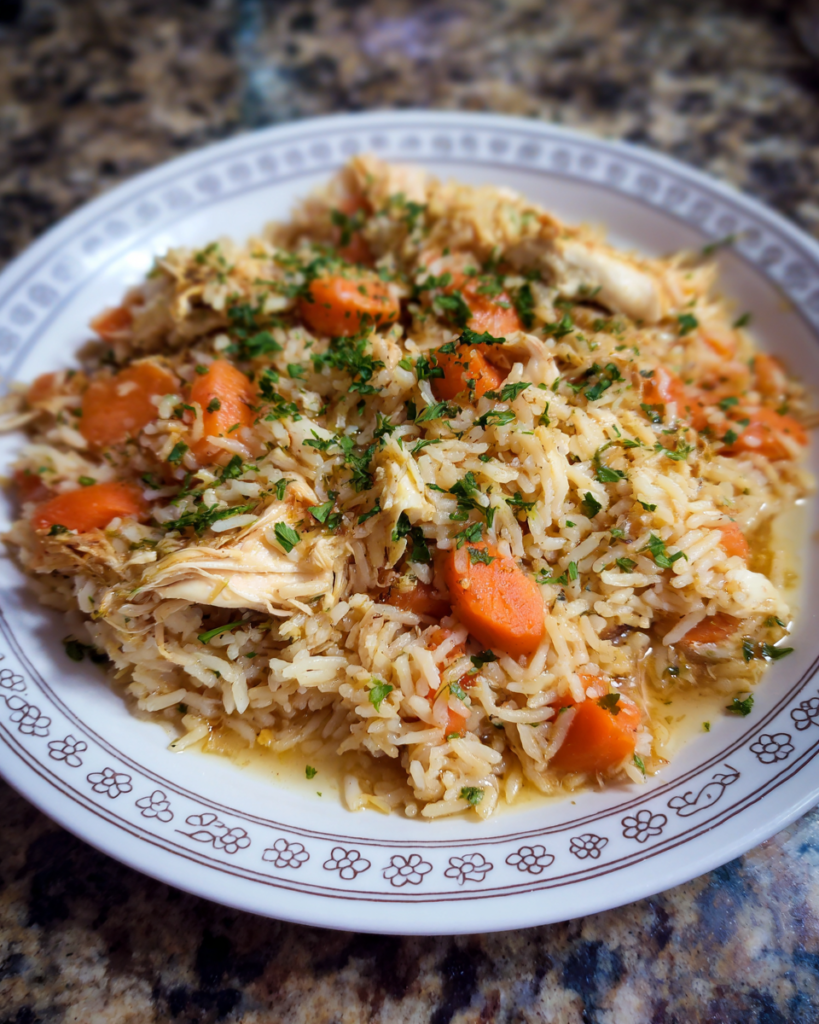
A slow cooker meal like Slow Cooker Chicken and Rice brings steady warmth to the kitchen with minimal hands-on effort. The dish develops soft, tender chicken that blends into creamy, well-seasoned rice as it cooks slowly over time.

This style of cooking suits busy days when a steady meal is preferred without constant attention at the stove. The slow cooker gently combines ingredients so flavors settle together in a balanced, homestyle dish.

The result is a complete meal in a single pot, featuring protein, grains, and a savory base that holds everything together. It is practical for family dinners, meal prep, or a calm evening meal.

Ingredients Overview
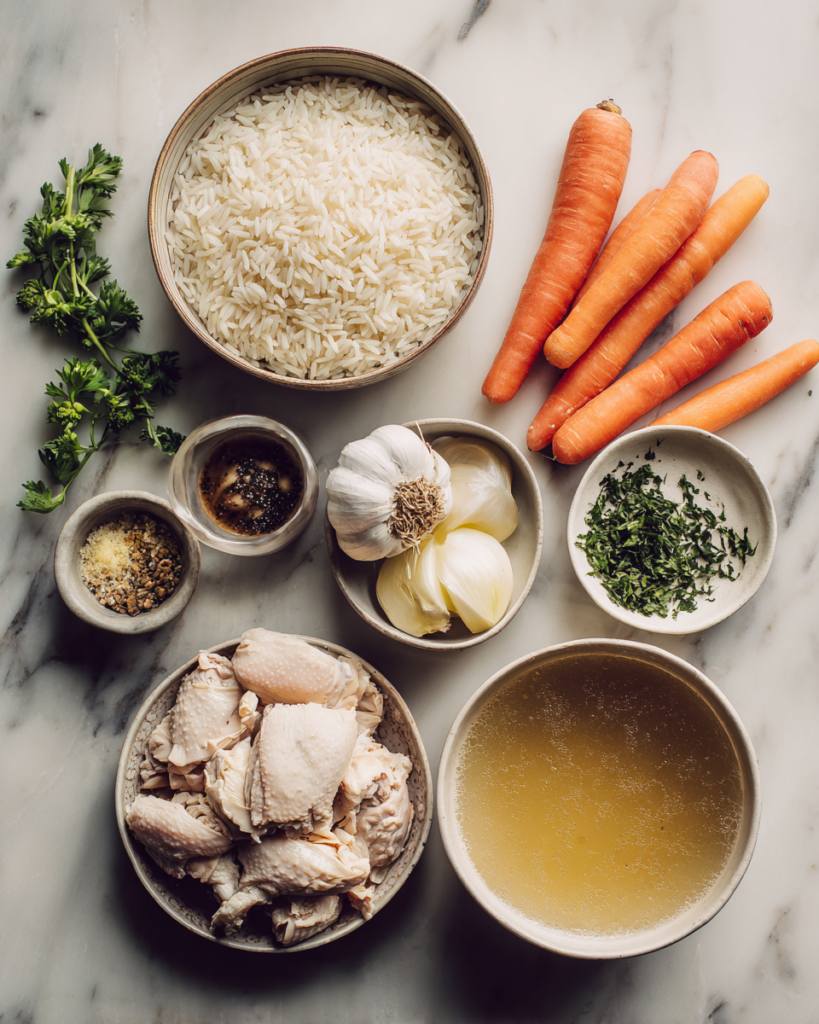
The foundation of Slow Cooker Chicken and Rice starts with boneless chicken, which becomes tender during slow cooking. Chicken thighs are often preferred for their moisture and ability to stay soft over long cooking periods, while chicken breast can be used for a leaner option.

Rice plays a central role in the texture of the dish. Long grain white rice is commonly chosen because it holds its structure while absorbing broth and seasoning. Short grain rice can create a creamier consistency, while brown rice adds a firmer bite and slightly nutty taste but requires more cooking time and liquid.

Broth forms the cooking base, infusing both chicken and rice with depth. Chicken broth is typical, though vegetable broth works for a lighter profile. Aromatics such as onion and garlic add savory layers that support the overall flavor without overpowering the dish.

Seasonings like salt, pepper, paprika, and thyme provide balance. These simple additions help round out the dish, creating a steady savory profile. Vegetables such as carrots, peas, or celery are often included to add color, texture, and mild sweetness.

A small amount of butter or olive oil can be added for richness, helping the rice feel more cohesive. Some variations include a touch of cream or milk near the end for a softer, more velvety finish.

All ingredients work together slowly over time, allowing the rice to absorb seasoned liquid while the chicken becomes tender and easy to shred. The final texture is soft, cohesive, and layered with mild savory depth.

Ingredients

2 pounds boneless skinless chicken thighs
1 1/2 cups long grain white rice
3 cups chicken broth
1 medium yellow onion, finely chopped
3 cloves garlic, minced
2 medium carrots, sliced
1 cup frozen peas
1 teaspoon salt
1/2 teaspoon black pepper
1 teaspoon dried thyme
1 teaspoon paprika
2 tablespoons butter
1 tablespoon olive oil
1/2 cup milk (optional for creamier texture)

Step-by-Step Instructions
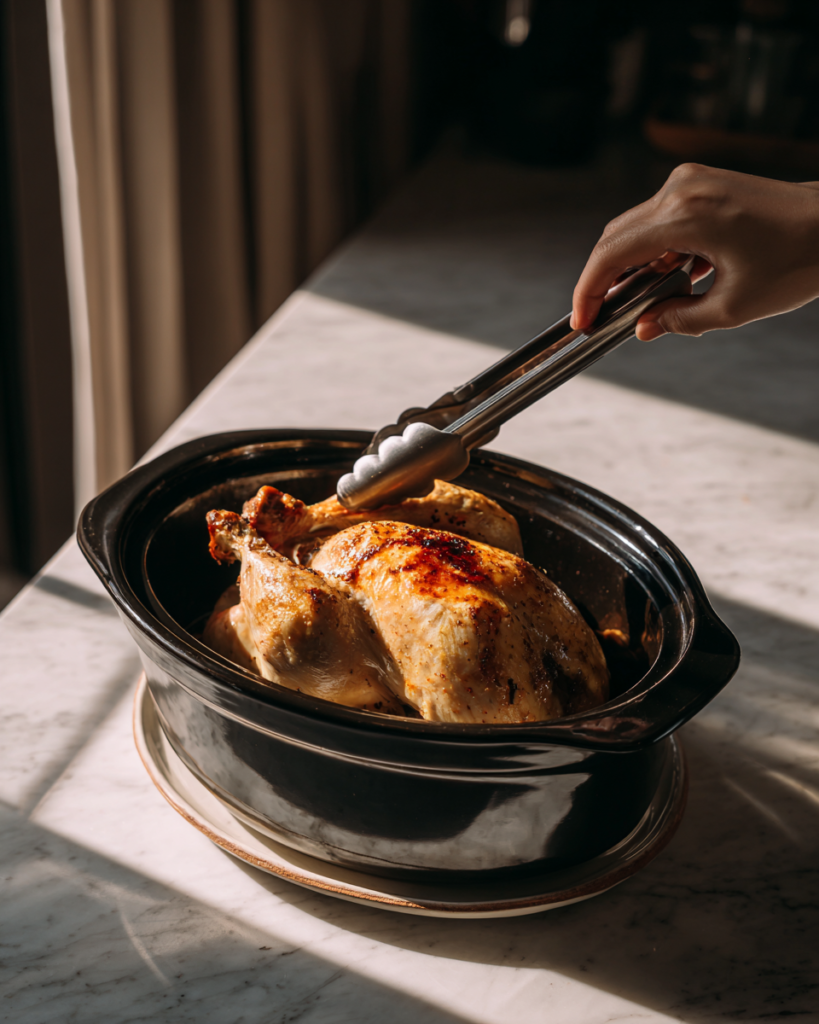
Start by preparing the vegetables and measuring all ingredients before cooking begins. Chop the onion, mince the garlic, and slice the carrots into thin, even pieces so they cook evenly during the long heating process. Rinse the rice under cold water until the water runs mostly clear to remove excess starch.

Lightly coat the inside of the slow cooker with olive oil or a thin layer of butter. Place the chicken thighs at the bottom of the pot in a single layer. This allows the meat to cook evenly and absorb flavor from the broth and seasonings above it.

Sprinkle salt, pepper, paprika, and dried thyme over the chicken. Add the chopped onion, garlic, and carrots on top, spreading them evenly so they cook consistently throughout the dish. Pour the chicken broth over all ingredients, making sure the liquid covers most of the contents.

Cover the slow cooker and cook on low heat for about 5 to 6 hours or on high heat for about 3 to 4 hours. During this stage, the chicken becomes tender and the vegetables soften while the broth absorbs seasoning.

Once the chicken is fully cooked, carefully remove it and shred it using two forks. Return the shredded chicken back into the slow cooker and stir gently to combine it with the vegetables and broth.

Add the rinsed rice into the slow cooker and stir to distribute it evenly. Ensure the rice is fully submerged in the liquid so it cooks properly. Cover again and continue cooking on low for about 45 to 60 minutes. Stir once halfway through to prevent sticking.

When the rice becomes tender and has absorbed most of the liquid, add the frozen peas and butter. Stir gently so the butter melts and the peas heat through without losing their texture. If a softer, creamier finish is preferred, pour in milk and stir until evenly blended.

Allow the dish to rest for about 10 minutes after turning off heat. This helps the rice settle and absorb remaining moisture. The final texture should be soft, cohesive, and slightly creamy with evenly distributed chicken and vegetables.

Tips, Variations & Substitutions

Chicken thighs provide a softer texture, while chicken breast can be used for a leaner dish. If using chicken breast, reduce cooking time slightly to prevent dryness. Bone-in chicken can also be used, though it will require removal of bones before adding rice.

Rice type influences texture. Long grain rice holds shape well, while short grain creates a creamier consistency. Brown rice requires additional liquid and longer cooking time, usually an extra hour or more depending on the slow cooker setting.

Vegetables can be adjusted based on preference or availability. Corn, green beans, or bell peppers work well in place of peas or carrots. Each vegetable adds a slightly different texture and flavor profile.

For a richer finish, a small amount of cream cheese or heavy cream can be stirred in near the end of cooking. This creates a thicker consistency without changing the base flavor significantly.

Herbs can also be adjusted. Thyme provides a mild earthy tone, while rosemary or parsley can be used for a slightly different herbal note. Fresh herbs should be added at the end to maintain their flavor.

Serving Ideas & Occasions

Slow Cooker Chicken and Rice works well as a standalone meal since it contains protein, grains, and vegetables in one dish. It can be served in deep bowls for a warm, filling dinner.

A side of roasted vegetables or a simple green salad pairs well with the soft texture of the rice dish. Bread or rolls can also be served alongside to absorb remaining sauce.

This dish suits family dinners, meal preparation for the week, or casual gatherings. Its gentle flavor profile makes it suitable for a wide range of preferences and age groups.

For gatherings, it can be kept warm in the slow cooker for serving over time, allowing guests to serve themselves at their convenience.

Nutritional & Health Notes

This dish offers a balanced combination of protein from chicken, carbohydrates from rice, and fiber from vegetables. It provides steady energy suitable for a main meal.

Using chicken thighs increases richness and fat content, while chicken breast lowers overall fat levels. Adjusting broth and butter quantities also influences overall nutritional balance.

Adding more vegetables increases fiber content and adds micronutrients without significantly changing the structure of the dish. Brown rice can increase fiber and mineral content compared to white rice.

Portion size plays an important role in overall intake, as the dish is filling due to its combination of starch and protein.

FAQs

Can I use chicken breast instead of thighs?

Chicken breast can be used in place of thighs. It creates a leaner version of the dish but requires careful timing. Since breast meat cooks faster, it should be checked earlier to prevent dryness. Cutting the breast into larger chunks can help it stay tender during slow cooking. The overall flavor remains similar, though thighs typically produce a softer texture due to higher fat content.

Can I cook the rice from the beginning?

Rice is usually added later in the cooking process. If added too early, it may become overly soft or lose structure. Cooking the chicken first allows the broth to develop flavor before rice is introduced. Adding rice later helps maintain a balanced texture where grains remain distinct but still absorb seasoning.

What type of rice works best?

Long grain white rice is commonly used because it holds its shape while absorbing liquid. Jasmine rice also works well for a slightly softer texture. Brown rice can be used but requires additional cooking time and more liquid. Each type changes the final texture slightly, so choice depends on preference.

Can vegetables be changed?

Vegetables can be adjusted based on preference. Corn, green beans, peas, and bell peppers are all suitable options. Softer vegetables should be added later in the cooking process to prevent them from breaking down too much. Firmer vegetables can cook alongside the chicken from the beginning.

How do I prevent mushy rice?

Rinsing rice before cooking removes excess starch that can lead to a sticky texture. It is also important to add rice later in the cooking process and ensure it is not overcooked. Keeping an eye on liquid levels during the final stage helps maintain structure.

Can this recipe be made dairy-free?

The recipe can be made without butter or milk. Olive oil can replace butter, and the dish will still maintain flavor from broth and seasoning. The texture will be slightly less creamy but still cohesive and satisfying.

How should leftovers be stored?

Leftovers should be placed in a sealed container and refrigerated. The dish maintains its texture for a short period after cooking, though rice may continue to absorb liquid over time. Reheating with a small amount of broth or water helps restore moisture and softness.

[rank_math_breadcrumb]

Slow Cooker Chicken and Rice 7 Simple Cozy Comfort Meals

Photo of author
Author: Zoey
Published:

A slow cooker meal like Slow Cooker Chicken and Rice brings steady warmth to the kitchen with minimal hands-on effort. The dish develops soft, tender chicken that blends into creamy, well-seasoned rice as it cooks slowly over time.

This style of cooking suits busy days when a steady meal is preferred without constant attention at the stove. The slow cooker gently combines ingredients so flavors settle together in a balanced, homestyle dish.

The result is a complete meal in a single pot, featuring protein, grains, and a savory base that holds everything together. It is practical for family dinners, meal prep, or a calm evening meal.

Ingredients Overview

The foundation of Slow Cooker Chicken and Rice starts with boneless chicken, which becomes tender during slow cooking. Chicken thighs are often preferred for their moisture and ability to stay soft over long cooking periods, while chicken breast can be used for a leaner option.

Rice plays a central role in the texture of the dish. Long grain white rice is commonly chosen because it holds its structure while absorbing broth and seasoning. Short grain rice can create a creamier consistency, while brown rice adds a firmer bite and slightly nutty taste but requires more cooking time and liquid.

Broth forms the cooking base, infusing both chicken and rice with depth. Chicken broth is typical, though vegetable broth works for a lighter profile. Aromatics such as onion and garlic add savory layers that support the overall flavor without overpowering the dish.

Seasonings like salt, pepper, paprika, and thyme provide balance. These simple additions help round out the dish, creating a steady savory profile. Vegetables such as carrots, peas, or celery are often included to add color, texture, and mild sweetness.

A small amount of butter or olive oil can be added for richness, helping the rice feel more cohesive. Some variations include a touch of cream or milk near the end for a softer, more velvety finish.

All ingredients work together slowly over time, allowing the rice to absorb seasoned liquid while the chicken becomes tender and easy to shred. The final texture is soft, cohesive, and layered with mild savory depth.

Ingredients

2 pounds boneless skinless chicken thighs
1 1/2 cups long grain white rice
3 cups chicken broth
1 medium yellow onion, finely chopped
3 cloves garlic, minced
2 medium carrots, sliced
1 cup frozen peas
1 teaspoon salt
1/2 teaspoon black pepper
1 teaspoon dried thyme
1 teaspoon paprika
2 tablespoons butter
1 tablespoon olive oil
1/2 cup milk (optional for creamier texture)

Step-by-Step Instructions

Start by preparing the vegetables and measuring all ingredients before cooking begins. Chop the onion, mince the garlic, and slice the carrots into thin, even pieces so they cook evenly during the long heating process. Rinse the rice under cold water until the water runs mostly clear to remove excess starch.

Lightly coat the inside of the slow cooker with olive oil or a thin layer of butter. Place the chicken thighs at the bottom of the pot in a single layer. This allows the meat to cook evenly and absorb flavor from the broth and seasonings above it.

Sprinkle salt, pepper, paprika, and dried thyme over the chicken. Add the chopped onion, garlic, and carrots on top, spreading them evenly so they cook consistently throughout the dish. Pour the chicken broth over all ingredients, making sure the liquid covers most of the contents.

Cover the slow cooker and cook on low heat for about 5 to 6 hours or on high heat for about 3 to 4 hours. During this stage, the chicken becomes tender and the vegetables soften while the broth absorbs seasoning.

Once the chicken is fully cooked, carefully remove it and shred it using two forks. Return the shredded chicken back into the slow cooker and stir gently to combine it with the vegetables and broth.

Add the rinsed rice into the slow cooker and stir to distribute it evenly. Ensure the rice is fully submerged in the liquid so it cooks properly. Cover again and continue cooking on low for about 45 to 60 minutes. Stir once halfway through to prevent sticking.

When the rice becomes tender and has absorbed most of the liquid, add the frozen peas and butter. Stir gently so the butter melts and the peas heat through without losing their texture. If a softer, creamier finish is preferred, pour in milk and stir until evenly blended.

Allow the dish to rest for about 10 minutes after turning off heat. This helps the rice settle and absorb remaining moisture. The final texture should be soft, cohesive, and slightly creamy with evenly distributed chicken and vegetables.

Tips, Variations & Substitutions

Chicken thighs provide a softer texture, while chicken breast can be used for a leaner dish. If using chicken breast, reduce cooking time slightly to prevent dryness. Bone-in chicken can also be used, though it will require removal of bones before adding rice.

Rice type influences texture. Long grain rice holds shape well, while short grain creates a creamier consistency. Brown rice requires additional liquid and longer cooking time, usually an extra hour or more depending on the slow cooker setting.

Vegetables can be adjusted based on preference or availability. Corn, green beans, or bell peppers work well in place of peas or carrots. Each vegetable adds a slightly different texture and flavor profile.

For a richer finish, a small amount of cream cheese or heavy cream can be stirred in near the end of cooking. This creates a thicker consistency without changing the base flavor significantly.

Herbs can also be adjusted. Thyme provides a mild earthy tone, while rosemary or parsley can be used for a slightly different herbal note. Fresh herbs should be added at the end to maintain their flavor.

Serving Ideas & Occasions

Slow Cooker Chicken and Rice works well as a standalone meal since it contains protein, grains, and vegetables in one dish. It can be served in deep bowls for a warm, filling dinner.

A side of roasted vegetables or a simple green salad pairs well with the soft texture of the rice dish. Bread or rolls can also be served alongside to absorb remaining sauce.

This dish suits family dinners, meal preparation for the week, or casual gatherings. Its gentle flavor profile makes it suitable for a wide range of preferences and age groups.

For gatherings, it can be kept warm in the slow cooker for serving over time, allowing guests to serve themselves at their convenience.

Nutritional & Health Notes

This dish offers a balanced combination of protein from chicken, carbohydrates from rice, and fiber from vegetables. It provides steady energy suitable for a main meal.

Using chicken thighs increases richness and fat content, while chicken breast lowers overall fat levels. Adjusting broth and butter quantities also influences overall nutritional balance.

Adding more vegetables increases fiber content and adds micronutrients without significantly changing the structure of the dish. Brown rice can increase fiber and mineral content compared to white rice.

Portion size plays an important role in overall intake, as the dish is filling due to its combination of starch and protein.

FAQs

Can I use chicken breast instead of thighs?

Chicken breast can be used in place of thighs. It creates a leaner version of the dish but requires careful timing. Since breast meat cooks faster, it should be checked earlier to prevent dryness. Cutting the breast into larger chunks can help it stay tender during slow cooking. The overall flavor remains similar, though thighs typically produce a softer texture due to higher fat content.

Can I cook the rice from the beginning?

Rice is usually added later in the cooking process. If added too early, it may become overly soft or lose structure. Cooking the chicken first allows the broth to develop flavor before rice is introduced. Adding rice later helps maintain a balanced texture where grains remain distinct but still absorb seasoning.

What type of rice works best?

Long grain white rice is commonly used because it holds its shape while absorbing liquid. Jasmine rice also works well for a slightly softer texture. Brown rice can be used but requires additional cooking time and more liquid. Each type changes the final texture slightly, so choice depends on preference.

Can vegetables be changed?

Vegetables can be adjusted based on preference. Corn, green beans, peas, and bell peppers are all suitable options. Softer vegetables should be added later in the cooking process to prevent them from breaking down too much. Firmer vegetables can cook alongside the chicken from the beginning.

How do I prevent mushy rice?

Rinsing rice before cooking removes excess starch that can lead to a sticky texture. It is also important to add rice later in the cooking process and ensure it is not overcooked. Keeping an eye on liquid levels during the final stage helps maintain structure.

Can this recipe be made dairy-free?

The recipe can be made without butter or milk. Olive oil can replace butter, and the dish will still maintain flavor from broth and seasoning. The texture will be slightly less creamy but still cohesive and satisfying.

How should leftovers be stored?

Leftovers should be placed in a sealed container and refrigerated. The dish maintains its texture for a short period after cooking, though rice may continue to absorb liquid over time. Reheating with a small amount of broth or water helps restore moisture and softness.
Name

Lorem ipsum dolor sit amet, consectetur adipiscing elit. Suspendisse varius enim in eros elementum tristique. Duis cursus, mi quis viverra ornare, eros dolor interdum nulla, ut commodo diam libero vitae erat.

You Might Also Like...

Honey Garlic Chicken Rice Skillet: 5 Amazing Cozy Meals

Honey Garlic Chicken Rice Skillet: 5 Amazing Cozy Meals

Cheesy Spinach Chicken Bake: 5 Simple Comforting Tips

Cheesy Spinach Chicken Bake: 5 Simple Comforting Tips

Crispy Air Fryer Garlic Wings: 5 Amazing Comforts

Crispy Air Fryer Garlic Wings: 5 Amazing Comforts

Lemon Herb Baked Chicken Breast: 5 Savory Comforts

Lemon Herb Baked Chicken Breast: 5 Savory Comforts

Tags:

You might also like these recipes

Leave a Comment