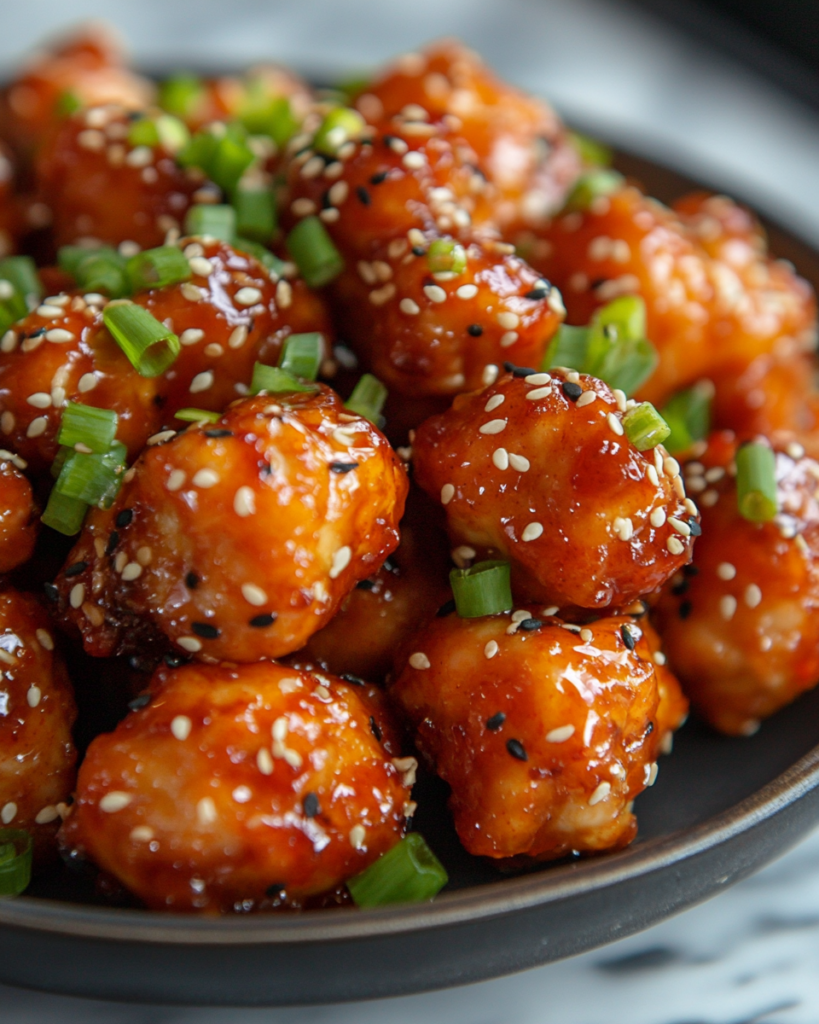
Spicy Orange Chicken Bites bring together crisp chicken pieces, bright citrus, and a gentle chile warmth in one skillet-friendly dinner. The balance of sweet orange juice, garlic, soy sauce, and pepper flakes creates a glossy coating that clings to every bite-sized piece of chicken. The result is a plate filled with bold flavor, tender texture, and a caramelized finish that pairs beautifully with rice or noodles.
This dish works well for busy weeknights, casual gatherings, or meal prep since the chicken cooks quickly and the sauce comes together in minutes. Boneless chicken pieces stay juicy after a short fry, while fresh orange zest gives the sauce a fresh citrus aroma without becoming overly sweet. Cornstarch creates a crisp outer layer that holds up well once coated in the sauce.
The recipe also allows plenty of room for small changes depending on heat preference or pantry staples. A touch of honey can soften the spice, while extra chile flakes bring more warmth. Fresh green onions and sesame seeds finish the dish with color and texture that contrast nicely with the sticky orange glaze.
Ingredients Overview
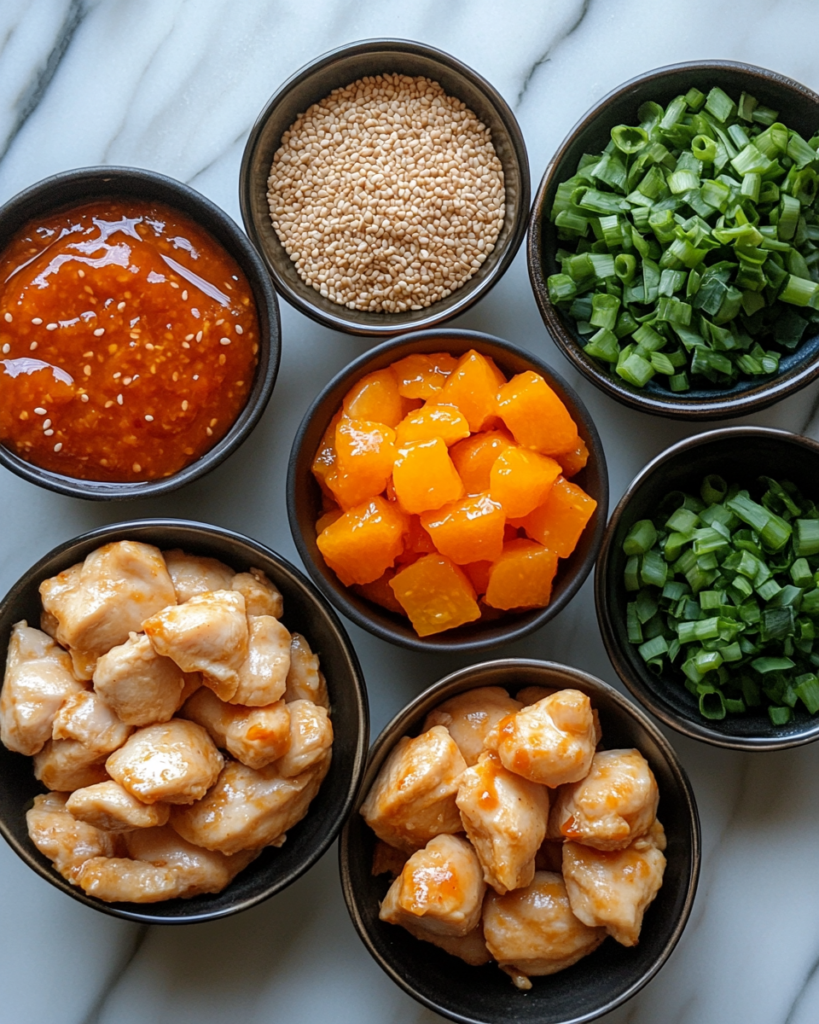
The chicken is the center of this dish, and boneless skinless chicken thighs are a strong choice because they stay moist during frying. Chicken breast also works well when cut into even pieces. A light coating of cornstarch forms the crisp exterior that later absorbs the sauce without turning soggy too quickly.
Fresh orange juice gives the sauce its signature citrus flavor. Bottled juice can work in a pinch, though fresh oranges provide brighter flavor and fragrant zest. Orange zest deepens the citrus notes and balances the savory ingredients. Soy sauce adds saltiness and depth, while garlic and ginger bring warmth and fragrance.
Honey or brown sugar softens the sharpness of the citrus and rounds out the spice. Red pepper flakes add heat gradually, allowing the sauce to remain balanced rather than overpowering. Rice vinegar contributes mild acidity that keeps the glaze from tasting heavy.
Cornstarch mixed into the sauce thickens everything into a shiny coating that wraps around each chicken bite. Sesame oil gives a nutty finish, though only a small amount is needed because its flavor is strong.
Green onions and sesame seeds are optional garnishes, though they add freshness and slight crunch. Rice, noodles, or steamed vegetables pair naturally with the bold orange sauce and help absorb extra glaze from the pan.
Ingredients
1 1/2 pounds boneless skinless chicken thighs, cut into bite-sized pieces
1/2 cup cornstarch
1 teaspoon salt
1/2 teaspoon black pepper
1/2 teaspoon garlic powder
1/3 cup vegetable oil
1/2 cup fresh orange juice
1 tablespoon orange zest
1/4 cup low-sodium soy sauce
2 tablespoons honey
1 tablespoon rice vinegar
3 cloves garlic, minced
1 teaspoon fresh ginger, grated
1 teaspoon red pepper flakes
1 teaspoon sesame oil
1 tablespoon cornstarch mixed with 2 tablespoons water
2 green onions, sliced
1 tablespoon sesame seeds
Cooked white rice for serving
Step-by-Step Instructions
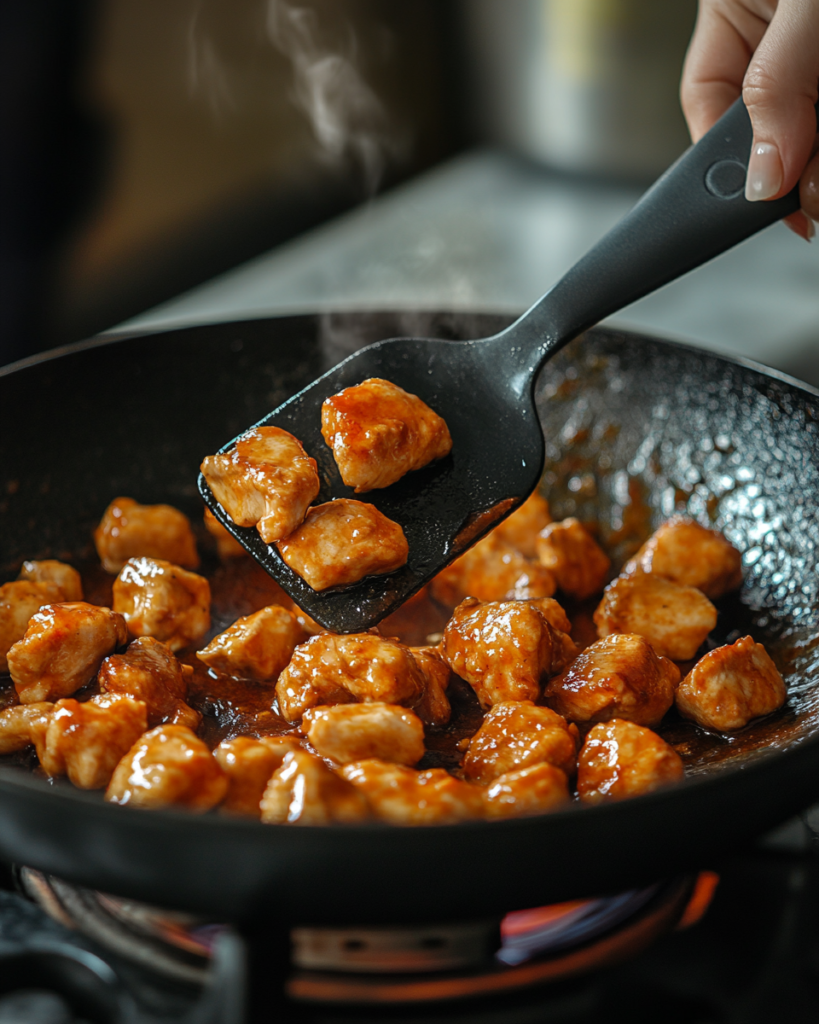
Pat the chicken pieces dry with paper towels before seasoning. Removing surface moisture helps the coating crisp properly during frying. Place the chicken in a bowl and season with salt, black pepper, and garlic powder. Sprinkle the cornstarch over the chicken and toss until every piece is lightly coated.
Heat a large skillet over medium-high heat and add the vegetable oil. Once the oil shimmers, place the chicken pieces into the skillet in a single layer. Avoid crowding the pan because packed chicken steams instead of browning. Cook in batches if necessary.
Cook the chicken for about 4 to 5 minutes per side until golden brown and cooked through. The exterior should appear crisp with darker golden edges. Transfer the cooked chicken to a plate lined with paper towels while preparing the sauce.
Lower the heat slightly. In the same skillet, add garlic and ginger. Stir for about 30 seconds until fragrant. Pour in the orange juice, orange zest, soy sauce, honey, rice vinegar, red pepper flakes, and sesame oil. Stir well while scraping any browned bits from the bottom of the skillet because they add rich flavor to the sauce.
Bring the mixture to a gentle simmer. Stir the cornstarch slurry again before pouring it into the skillet. Continue stirring for 1 to 2 minutes until the sauce thickens into a glossy glaze. If the sauce becomes too thick, add a small splash of water or orange juice.
Return the cooked chicken to the skillet and toss until every piece is coated evenly. Allow the chicken to cook in the sauce for another 2 minutes so the glaze clings properly to the crisp coating.
Taste the sauce and adjust if necessary. Extra honey softens the spice, while additional red pepper flakes bring stronger heat. Fresh orange juice can brighten the flavor if the sauce tastes too salty.
Scatter sliced green onions and sesame seeds over the chicken before serving. Spoon the chicken over warm rice or noodles while the glaze is still hot and glossy.
One common mistake is frying the chicken before the oil becomes fully heated. Cooler oil causes the coating to absorb excess oil rather than crisp properly. Another issue comes from overcooking the chicken, especially chicken breast, which can dry quickly. Keep the pieces evenly sized for consistent cooking.
Tips, Variations & Substitutions
Chicken thighs produce juicy results, though chicken breast creates a slightly lighter version. Tofu or cauliflower can replace chicken for a vegetarian variation. If using tofu, press it well before coating so the exterior crisps properly.
Freshly squeezed orange juice creates the strongest citrus flavor, though mandarin oranges produce a slightly sweeter glaze. Lime juice can replace part of the orange juice for sharper citrus notes. A spoonful of chili garlic sauce creates deeper heat with a richer pepper flavor.
Air frying is another cooking option. Spray the coated chicken lightly with oil and cook at 400 degrees Fahrenheit for about 12 to 14 minutes, turning halfway through. The texture remains crisp while using less oil.
For extra crunch, combine cornstarch with a few tablespoons of flour before coating the chicken. A pinch of smoked paprika gives the glaze a slightly deeper savory flavor without overpowering the orange.
This dish reheats well in a skillet over medium heat. Microwaving works too, though the coating softens slightly. Store leftovers in an airtight container for up to three days.
Brown rice, jasmine rice, or stir-fried noodles all pair naturally with the sticky sauce. Steamed broccoli or snap peas add freshness that balances the richness of the glaze.
Serving Ideas & Occasions
Spicy Orange Chicken Bites fit comfortably into both casual dinners and party spreads. The bite-sized pieces are easy to serve on platters with toothpicks for gatherings, while the glossy sauce creates an appealing finish for dinner plates.
Steamed jasmine rice is one of the simplest pairings because it absorbs the extra sauce beautifully. Fried rice, sesame noodles, or lightly seasoned ramen also work nicely. Crisp vegetables such as broccoli, snow peas, bok choy, or cucumber salad balance the richness of the chicken.
For drinks, iced tea with citrus or sparkling water with lime complements the bright orange flavor. A mild fruit smoothie can also soften the chile warmth for younger diners.
This recipe suits game nights, family dinners, or meal prep lunches because the sauce keeps the chicken flavorful even after refrigeration. The quick cooking time also makes it practical during busy evenings when a homemade dinner still sounds appealing.
Nutritional & Health Notes
This dish contains protein-rich chicken paired with a sauce built from citrus juice, garlic, and ginger. Using chicken thighs creates a richer texture, while chicken breast lowers the overall fat content slightly.
Cornstarch forms the crisp coating with less heaviness than thick battered frying methods. Air frying or shallow frying with moderate oil also helps reduce excess grease while still creating a crisp texture.
Orange juice contributes vitamin C along with fresh flavor, while garlic and ginger add aromatic depth without heavy ingredients. Serving the chicken with vegetables and rice creates a balanced meal containing protein, carbohydrates, and fiber.
The sodium level can vary depending on the soy sauce used. Lower-sodium soy sauce is a practical choice for a lighter option. Red pepper flakes may be adjusted depending on spice preference, making the recipe suitable for both mild and warmer flavor profiles.
Because the glaze contains honey, the sauce develops caramelized flavor while remaining smooth and glossy. A smaller amount of honey may be used for a less sweet version without affecting the texture too much.
FAQs
Can I prepare the chicken ahead of time?
Yes, the chicken may be cut and coated several hours before cooking. Store the coated chicken pieces in the refrigerator on a parchment-lined tray until ready to fry. Allowing the coating to rest briefly can even help it cling more firmly during cooking. The sauce may also be mixed ahead and refrigerated separately. When ready to cook, fry the chicken fresh for the best crisp texture. If preparing the full dish in advance, keep the sauce and chicken separate until reheating so the coating stays firmer. Tossing everything together shortly before serving creates the strongest texture and flavor balance.
How spicy is this recipe?
The spice level falls into a moderate range with gentle lingering heat rather than intense burn. Red pepper flakes provide warmth that blends into the citrus glaze instead of overpowering it. For a milder version, reduce the pepper flakes by half or leave them out completely. For stronger heat, stir in chili paste or sliced fresh chiles during sauce preparation. Because the sauce also contains honey and orange juice, the sweetness naturally softens the spice. This balance allows the dish to remain flavorful and approachable even for diners who usually prefer lighter heat levels.
Can I bake the chicken instead of frying it?
Yes, baking works well when a lighter cooking method is preferred. Arrange the coated chicken pieces on a parchment-lined baking sheet and lightly spray them with oil. Bake at 425 degrees Fahrenheit for about 18 to 22 minutes, flipping halfway through cooking. The coating becomes crisp around the edges while the inside remains tender. After baking, toss the chicken in the warm orange sauce shortly before serving. Although frying creates a slightly crunchier finish, baking still produces flavorful results with less oil and easier cleanup.
Which type of orange works best?
Navel oranges are a strong choice because they provide balanced sweetness and bright citrus flavor. Mandarin oranges create a sweeter glaze with softer acidity, while blood oranges bring deeper color and slightly richer flavor. Fresh juice is preferred because bottled juice sometimes tastes flat or overly sweet. The zest is equally important since it contains fragrant oils that strengthen the citrus aroma throughout the dish. Always zest the orange before juicing because it becomes harder once the fruit is squeezed. Avoid adding too much white pith because it may create bitterness.
How do I keep the chicken crispy after adding the sauce?
The key is frying the chicken until deeply golden before combining it with the glaze. A properly crisp coating holds up longer once coated. The sauce should also be thickened enough to cling lightly rather than soaking the chicken completely. Toss the chicken in the sauce shortly before serving instead of letting it sit too long in the skillet. Serving immediately creates the strongest texture contrast between the crisp coating and glossy glaze. If reheating leftovers, warming the chicken separately in the oven before adding sauce helps restore some crispness.
Can I freeze Spicy Orange Chicken Bites?
The cooked chicken freezes fairly well, though the coating softens somewhat after thawing. For stronger texture, freeze the fried chicken separately from the sauce. Once cooled, place the chicken on a tray until firm, then transfer to freezer-safe containers. The sauce may be frozen in a separate airtight container for up to two months. Reheat the chicken in the oven or air fryer until hot and lightly crisp again before tossing with warmed sauce. This method preserves texture much better than freezing the fully coated dish together.
What vegetables pair well with this dish?
Broccoli is one of the strongest pairings because its mild flavor absorbs the sauce nicely while adding texture. Snap peas, bell peppers, carrots, and bok choy also complement the citrus glaze beautifully. Stir-fried vegetables add freshness and color that contrast with the sticky chicken coating. Roasted vegetables work well too, especially when lightly seasoned with garlic and sesame oil. For a lighter plate, serve the chicken over shredded cabbage or alongside cucumber salad. Mild vegetables balance the bold orange and chile flavors while keeping the meal filling and balanced.