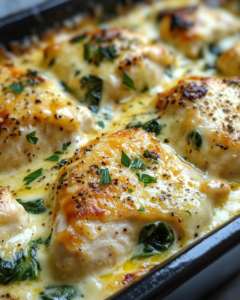
A turkey sweet potato casserole brings roasted poultry, creamy orange sweet potatoes, and savory herbs into a single oven dish that fits both weekday dining and holiday spreads. This version focuses on balanced flavor layers, combining lean ground turkey with naturally sweet root vegetables and a lightly seasoned topping that bakes into a golden surface.
Baking together allows the juices from turkey and the softness from sweet potatoes to merge during heat exposure, producing a unified texture with gentle contrast. Each spoonful delivers savory depth from poultry, mellow sweetness from potatoes, and aromatic notes from herbs and spices. The dish holds structure well after cooling slightly, which helps during serving.
This casserole works well for batch preparation, as it maintains texture after reheating. It also pairs easily with simple vegetable sides or light salads. The ingredient profile remains accessible, relying on everyday pantry staples and fresh produce.
Ingredients Overview

Sweet potatoes form the base layer, contributing natural sweetness and a creamy consistency after baking. Their starch content thickens slightly during cooking, allowing the casserole to hold shape without heavy binders. Roasting or boiling before assembly softens their texture for easier mashing.
Ground turkey brings a lean protein element with mild flavor. It absorbs seasoning efficiently, allowing herbs and spices to define the savory profile. Cooking it before layering removes excess moisture and improves texture stability.
Onion and garlic form the aromatic foundation. They release sweetness when sautéed, balancing the earthiness from turkey and potatoes. Their presence adds depth without overpowering other ingredients.
Eggs act as a gentle binder, helping the casserole maintain structure during slicing and serving. Milk or a dairy alternative adds creaminess to the potato layer, improving mouthfeel.
Seasonings such as paprika, thyme, salt, and black pepper bring warmth and subtle complexity. A light breadcrumb topping provides contrast, forming a thin crisp layer after baking. Butter or olive oil supports browning and enhances flavor richness.
Optional additions include spinach for extra greens or shredded cheese for a richer finish. These elements remain flexible depending on dietary preference and availability.
Ingredients
1 ½ pounds ground turkey
3 large sweet potatoes, peeled and cubed
1 medium onion, finely chopped
3 cloves garlic, minced
2 large eggs
½ cup milk
1 teaspoon dried thyme
1 teaspoon paprika
1 teaspoon salt
½ teaspoon black pepper
2 tablespoons olive oil
2 tablespoons butter, melted
½ cup breadcrumbs
½ cup shredded cheese (optional)
2 cups fresh spinach (optional)
Step-by-Step Instructions

Begin by heating oven to 375°F. Lightly grease a baking dish with olive oil or butter to prevent sticking during baking.
Place cubed sweet potatoes into a large pot and cover with water. Bring to a steady simmer and cook until tender when pierced with a fork. Drain and transfer to a mixing bowl. Mash until smooth, then stir in milk, salt, black pepper, and one egg until creamy consistency forms.
Warm olive oil in a skillet over medium heat. Add chopped onion and cook until softened and lightly golden. Stir in garlic and continue cooking briefly until fragrant. Add ground turkey and break apart with a spoon while cooking. Continue until turkey loses pink color and moisture reduces. Season with paprika, thyme, salt, and pepper.
Spread cooked turkey mixture across bottom of baking dish. Add mashed sweet potato layer on top, smoothing surface evenly. Lightly beat remaining egg and brush across potato layer to support gentle binding during baking.
If using breadcrumbs, mix with melted butter and scatter across top layer. Cheese may also be sprinkled evenly for a richer surface finish.
Place dish into oven and bake until top turns lightly golden and edges begin to set. Rest after removal to allow layers to stabilize before serving.
Avoid overmixing potato layer with turkey, as separation between layers supports texture contrast. Excess moisture from turkey should be reduced during cooking to prevent sogginess.
Tips, Variations & Substitutions
Ground chicken may replace turkey while maintaining similar texture and flavor absorption. For a deeper savory profile, smoked paprika or rosemary can be added during turkey cooking.
Dairy-free milk alternatives such as oat or almond milk work well within potato mixture, maintaining creaminess without altering structure significantly.
For added vegetable content, chopped spinach or kale can be folded into turkey layer during final cooking stage. Mushrooms may also be added for earthy depth.
Breadcrumb topping can be replaced with crushed crackers or omitted entirely for softer surface texture. Cheese addition introduces a richer finish but is optional depending on dietary preference.
Preparing sweet potatoes ahead of assembly reduces overall cooking duration and allows smoother layering during construction.
Serving Ideas & Occasions
This casserole pairs well with roasted green beans, steamed broccoli, or light garden salads. A simple yogurt-based sauce or herb dressing complements savory notes without overpowering flavor balance.
It fits comfortably into family-style dining, casual gatherings, or batch meal preparation for several days. Warm servings maintain best texture, while cooled portions hold firm structure suitable for slicing.
Nutritional & Health Notes
Sweet potatoes provide fiber, vitamin A, and natural carbohydrates that support energy balance. Ground turkey offers lean protein with lower fat content compared to heavier meats.
Eggs contribute additional protein and structural support within casserole layers. Herbs and spices provide flavor depth without added sodium when used in moderation.
Portion balance allows combination of protein, carbohydrates, and fats in a single serving, supporting steady energy release. Ingredient adjustments such as reduced cheese or dairy-free alternatives can modify fat content according to preference.
FAQs
Can ground turkey be replaced with another protein?
Chicken or lean beef can replace turkey with similar cooking method adjustments. Texture remains consistent when excess moisture is removed during cooking. Flavor profile will shift slightly depending on protein choice, with beef introducing stronger savory notes and chicken offering a milder taste.
Should sweet potatoes be boiled or baked?
Boiling creates a smoother mash with quicker preparation, while baking intensifies natural sweetness through caramelization. Both methods work well, though boiling remains more practical for layered casseroles requiring uniform texture.
Can casserole be prepared ahead?
Assembly may be completed several hours prior to baking. Refrigeration keeps layers stable until oven cooking. Baking directly from chilled state may require additional cooking duration to reach full internal heat.
Does this dish freeze well?
Cooked casserole freezes adequately when stored in airtight container. Texture remains stable after reheating, though slight moisture variation may occur. Cooling fully before freezing helps preserve structure.
What herbs pair well with turkey and sweet potatoes?
Thyme, rosemary, sage, and parsley complement both turkey and sweet potatoes. These herbs add aromatic depth without overpowering natural sweetness or savory base.
Can dairy be removed from recipe?
Milk and cheese can be replaced with plant-based alternatives or omitted entirely. Sweet potatoes still maintain creamy texture when mashed with small amount of olive oil or broth.
How can surface crispness be increased?
Extending final baking stage slightly or increasing breadcrumb layer improves surface texture. Light brushing with butter before baking also encourages browning.